
Selling a vehicle is more than just a simple exchange of keys for cash; it is a significant financial transaction that requires the same level of diligence as any other asset liquidation. Whether you are looking to upgrade to a newer model, consolidate your debts, or simply free up capital for a new investment, understanding the financial architecture of a private vehicle sale is crucial.
In the modern economy, a car is often one of an individual’s most valuable liquid assets. To ensure you receive the maximum return on investment (ROI) and navigate the legalities of the transfer without financial blowback, you must approach the process with a “Money” mindset—focusing on personal finance, tax implications, and market analysis.

1. Essential Financial Documentation and Legal Instruments
Before you list your vehicle on the market, you must gather the necessary financial and legal instruments. These documents serve as the foundation of the transaction, protecting both the buyer and the seller from future liabilities.
The Certificate of Title: The Deed of Ownership
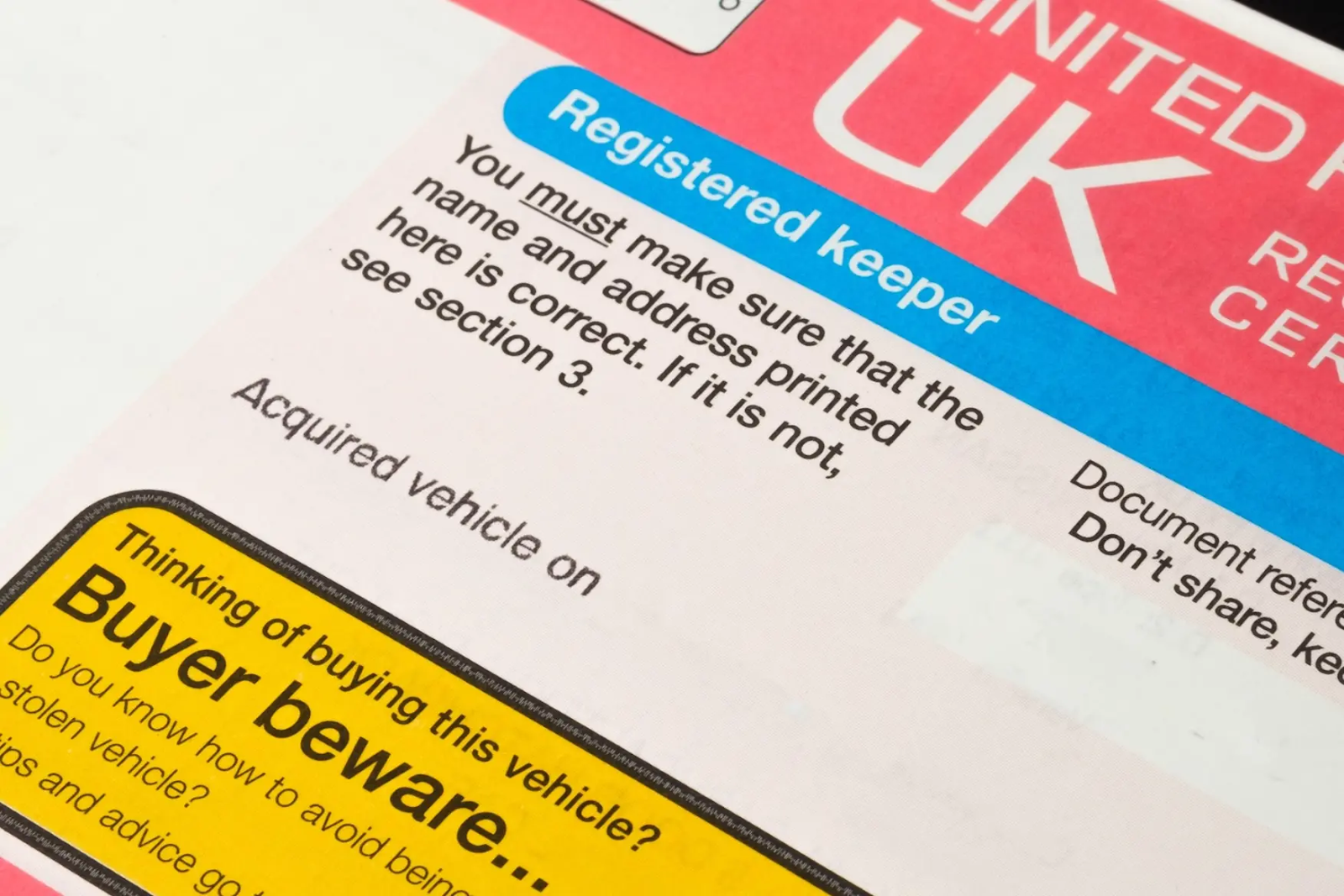
The most critical piece of paper in this process is the vehicle title. In financial terms, the title is the deed to your asset. If you own the vehicle outright, you should have a “clear” title ready for signing. However, if there is a lien on the vehicle—meaning you still owe money to a bank or credit union—the process becomes more complex. You will need to coordinate with your lender to obtain a payoff quote and understand their specific process for releasing the lien upon receipt of funds.
The Bill of Sale as a Financial Contract
While not always legally required in every jurisdiction, a Bill of Sale is a vital document for your personal records. It acts as a formal contract of sale, detailing the purchase price, the date of the transaction, and the “as-is” condition of the vehicle. From a financial perspective, this document is your proof of the “capital realization” event. It protects you if the buyer fails to register the vehicle or is involved in an accident shortly after the sale, ensuring that your financial liability ends the moment the money changes hands.
Maintenance Records and Value Preservation
In the world of personal finance, a well-maintained asset holds its value better than a neglected one. Providing a comprehensive folder of maintenance receipts—oil changes, tire rotations, brake replacements, and major repairs—acts as a “due diligence” report for the buyer. This transparency allows you to justify a higher asking price, effectively increasing your profit margin by proving that the vehicle represents a lower risk of future mechanical costs for the new owner.
2. Market Valuation and Strategic Pricing
Pricing your car is an exercise in market analysis. Setting the price too high will lead to your asset sitting idle and depreciating further, while pricing it too low results in “leaving money on the table.”
Utilizing Financial Valuation Tools
To find the “sweet spot” for your listing, you must consult multiple financial valuation tools. Platforms like Kelley Blue Book (KBB), J.D. Power (formerly NADA Guides), and Edmunds provide data-driven insights based on recent auction results and retail sales. However, it is important to distinguish between “Trade-In Value” and “Private Party Value.” Private party sales typically yield 10% to 20% more than a dealership trade-in, though they require more effort on your part.
Understanding the Economics of Depreciation
Vehicles are traditionally depreciating assets, but market volatility can create unique windows of opportunity. Factors such as regional demand (e.g., 4WD vehicles in snowy climates), fuel prices (e.g., high gas prices driving up the value of hybrids), and overall inventory shortages can impact your car’s value. Conduct a “comparable market analysis” by looking at similar listings in your specific zip code to see what the actual “asking price” versus “selling price” looks like in real-time.
The Psychology of Pricing for Negotiation
In business finance, the first number mentioned often sets the “anchor” for the negotiation. To maximize your net proceeds, you should price your vehicle slightly above your “bottom line.” For example, if you want to walk away with $15,000, listing the car at $16,500 gives you a $1,500 buffer for negotiations. This allows the buyer to feel they have “won” a discount while ensuring you still hit your financial target.
3. Managing the Transaction: Liens, Loans, and Payment Security
The actual exchange of funds is the most high-risk phase of selling a car. Protecting your capital from fraud or administrative errors is paramount.
Handling Upside-Down Loans
If you owe more on your car than it is currently worth—a situation known as being “underwater” or having “negative equity”—selling the vehicle requires a capital injection from your own savings. You must pay the difference between the sale price and the loan balance to the lender to clear the title. From a personal finance standpoint, this can be a wise move if the monthly payments are straining your cash flow, but it requires a strategic look at your liquid reserves.
Secure Payment Methods and Escrow Services
In an era of sophisticated financial fraud, accepting a personal check or a digital transfer from an unverified source is risky. The gold standard for private vehicle sales remains the cashier’s check, preferably verified at the issuing bank’s local branch. For high-value or long-distance transactions, utilizing a dedicated automotive escrow service can provide a layer of security. These services hold the buyer’s funds in a neutral account and only release them once the title and vehicle have been successfully transferred.
The “10-Day Payoff” Strategy
If you have an active loan, request a “10-day payoff” statement from your bank. This document calculates the exact amount needed to retire the debt, including interest accrued over the next ten days. Providing this to the buyer (or the buyer’s bank) ensures that the exact amount of capital is moved, preventing any “tail” of remaining debt that could impact your credit score or delay the title transfer.
4. Cost-Benefit Analysis: Private Sale vs. Dealership Trade-In
One of the most important financial decisions you will make is choosing the channel through which you sell. Each path has a distinct impact on your final balance sheet.
The Convenience Tax of Dealerships
Selling or trading in your car to a dealership is the path of least resistance. However, this convenience comes at a price. Dealerships buy at “wholesale” prices to ensure they can turn a profit at “retail.” When you trade in a car, you are effectively paying a “convenience tax.” If you are short on time or uncomfortable with negotiations, this might be a viable business decision, but it rarely maximizes your ROI.
Maximizing Net Proceeds through Private Sales
A private sale is almost always the better choice for your net worth. By cutting out the middleman, you capture the full market value of the asset. However, you must factor in the “opportunity cost” of your time. If it takes 20 hours of labor (cleaning, listing, meeting buyers) to make an extra $2,000, your effective hourly rate is $100. For many, this is a highly profitable endeavor; for high-earning professionals, the trade-off may favor the dealership.
Instant Cash Offers and Hybrid Models
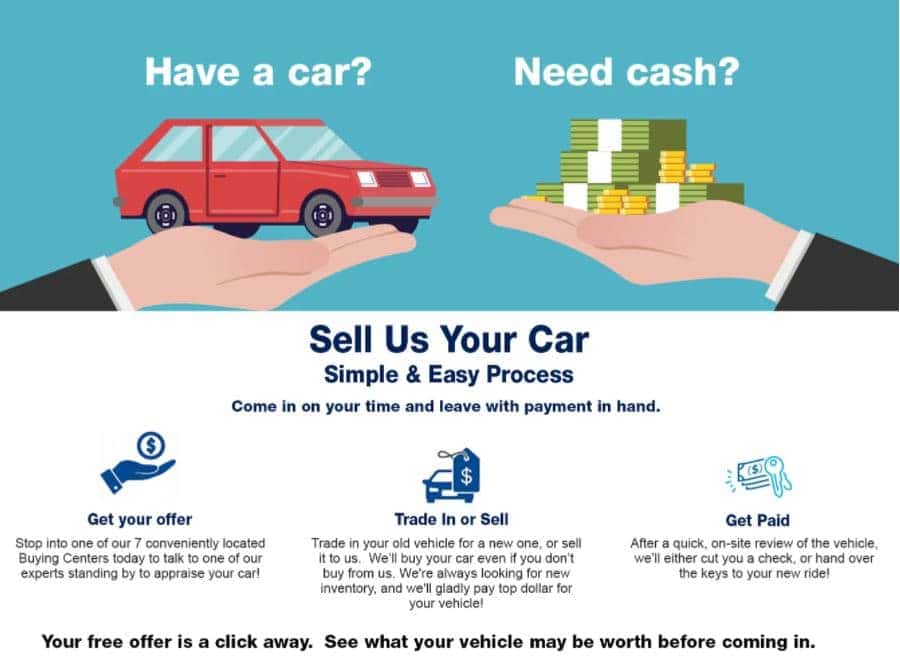
In recent years, the rise of digital “instant offer” platforms has created a middle ground. These companies provide a firm cash offer based on a digital inspection. While usually lower than a private party price, these offers are often higher than traditional dealership trade-ins and offer guaranteed liquidity within 24 to 48 hours.
5. Tax Implications and Post-Sale Reinvestment
The financial journey doesn’t end once the car is gone. You must account for the tax man and decide how to reallocate the newly liquid capital.
Sales Tax Credits and State Regulations
In many states, if you trade in your old vehicle toward the purchase of a new one, you only pay sales tax on the “difference” between the two prices. For example, if you buy a $40,000 car and trade in a $15,000 car, you only pay tax on $25,000. Depending on your local tax rate, this “tax shield” can bridge the gap between a low dealership offer and a higher private sale price. Always calculate the “after-tax” benefit before deciding.
Capital Gains on Vehicle Sales
While rare for daily drivers, if you are selling a classic car or a high-demand vehicle for more than you originally paid, you may be liable for capital gains tax. The IRS treats vehicles as capital assets. Keep records of your original purchase price and any “improvements” (not just maintenance) you made, as these can be added to your “cost basis” to reduce your tax liability.
Strategic Reinvestment of Proceeds
Once the sale is finalized, you have a lump sum of capital. From a wealth-building perspective, how you use this money is vital. If you don’t need to replace the vehicle immediately, placing the funds in a High-Yield Savings Account (HYSA) or a short-term Certificate of Deposit (CD) can allow the money to grow. If you are buying a replacement, using the proceeds to make a larger down payment can reduce your future loan’s principal, saving you thousands of dollars in interest over the life of the next loan.
By treating the sale of your car as a strategic financial move rather than a chore, you ensure that you protect your credit, minimize your tax burden, and extract every possible dollar of value from your asset. Selling a car is a masterclass in personal finance—from valuation and negotiation to contract law and capital reinvestment. Proper preparation is the difference between a stressful loss and a successful financial gain.
aViewFromTheCave is a participant in the Amazon Services LLC Associates Program, an affiliate advertising program designed to provide a means for sites to earn advertising fees by advertising and linking to Amazon.com. Amazon, the Amazon logo, AmazonSupply, and the AmazonSupply logo are trademarks of Amazon.com, Inc. or its affiliates. As an Amazon Associate we earn affiliate commissions from qualifying purchases.