
In the complex ecosystem of modern finance and corporate management, the concept of “committees” serves as the backbone of organizational integrity. Much like the legislative committees found in government structures, which allow for specialized focus on specific areas of law, corporate committees are designed to divide labor, increase expertise, and provide a layer of oversight that a singular CEO or a broad board of directors cannot manage alone. In the world of business finance and personal wealth management at scale, understanding the purpose and function of these committees is not just an academic exercise; it is a fundamental requirement for maintaining fiscal health and ensuring sustainable growth.
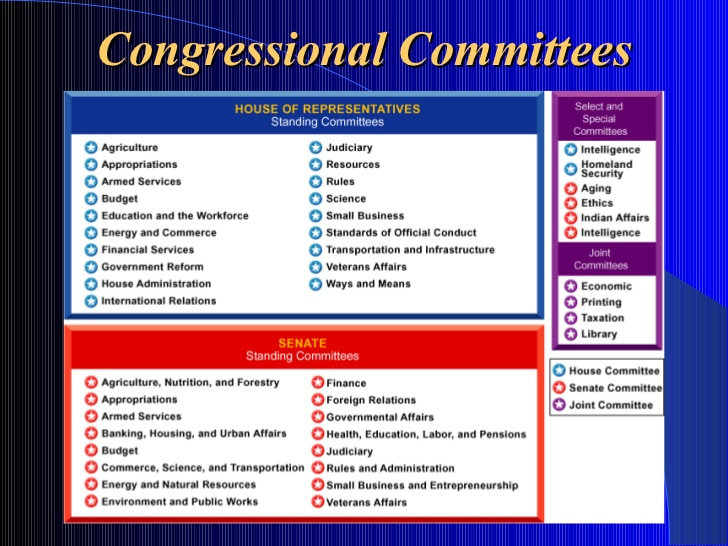
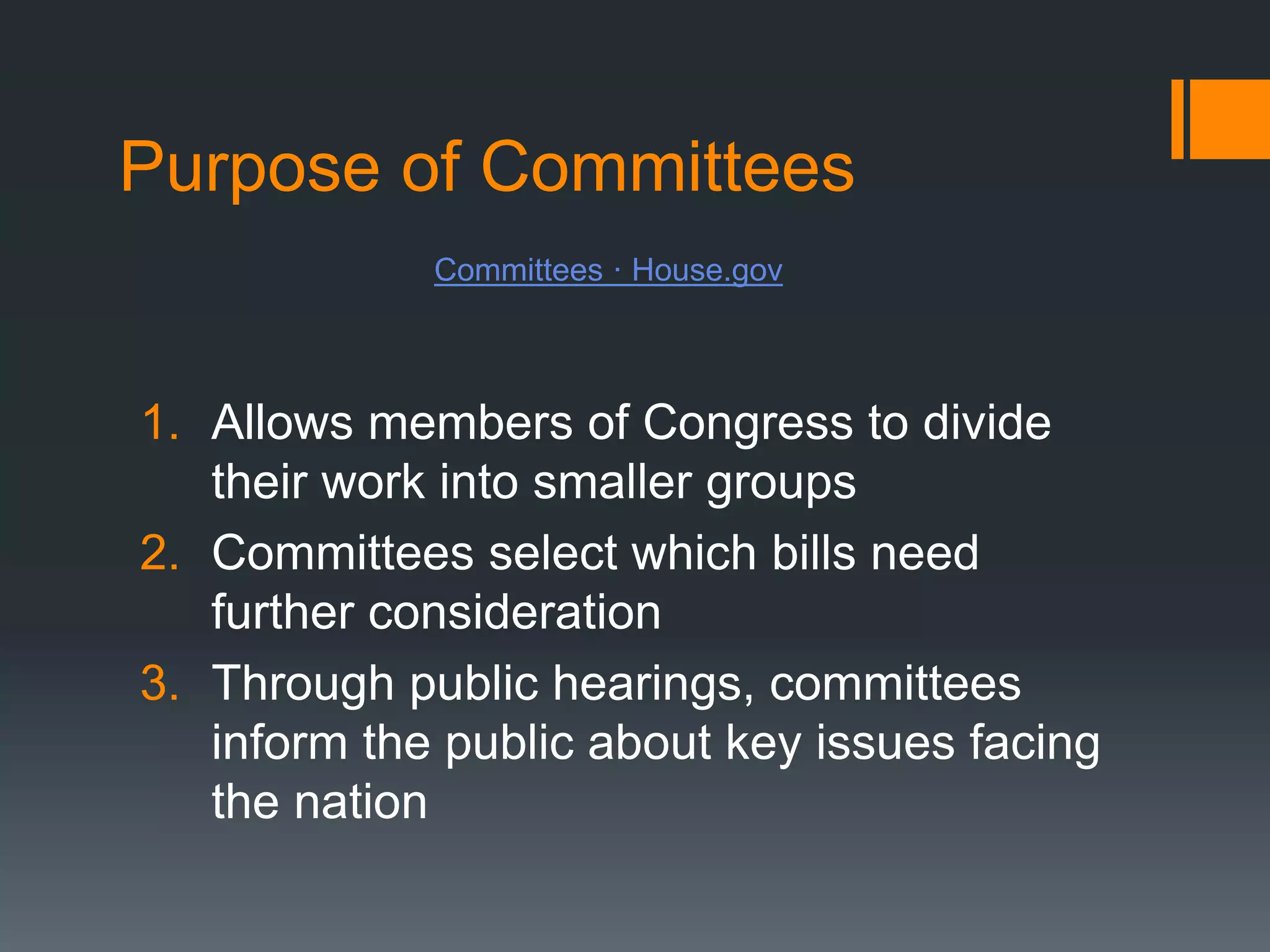
The primary purpose of committees in a corporate financial context is to streamline decision-making while maximizing accountability. As companies grow from small enterprises into global powerhouses, the sheer volume of financial data, regulatory requirements, and strategic opportunities becomes overwhelming. By delegating specific responsibilities to specialized groups, organizations can ensure that every dollar spent, invested, or saved is scrutinized by experts.
The Architecture of Oversight: Why Financial Committees Matter
The fundamental reason committees exist within the realm of money and business finance is the “specialization of labor.” In a legislative sense, committees are where the “real work” happens—where bills are debated and fine-tuned. In the corporate world, committees are where financial strategies are stress-tested and risk profiles are evaluated. Without this architecture, a company risks making generalized decisions that fail to account for the nuances of market volatility or regulatory compliance.
Mirroring Legislative Structures for Corporate Integrity
When we look at the historical precedent of committee structures, we see a focus on breaking down monolithic tasks into manageable segments. In business finance, this translates to the creation of sub-groups that report to a central Board of Directors. This structure ensures that no single individual has total control over the financial levers of an organization, which is a critical component of internal controls. By mirroring the legislative process of “checks and balances,” corporate committees safeguard the interests of shareholders and stakeholders alike.
Specialization as a Tool for Risk Management
Risk is an inherent part of any financial endeavor, whether it is a venture capital investment or a corporate expansion. Committees allow for a concentrated focus on specific risk categories. For instance, a risk committee can dedicate 100% of its time to analyzing market trends, credit risks, and operational vulnerabilities. This specialized focus allows the broader leadership team to stay focused on high-level growth strategies, knowing that the “nitty-gritty” of financial risk is being handled by a dedicated group of experts. This separation of duties is a hallmark of professional business finance.
The Pillars of Financial Integrity: Essential Corporate Committees
To understand the purpose of committees in the world of money, one must look at the specific roles they play within an organization. While different companies may have various sub-committees, three primary groups stand out as the pillars of financial governance: the Audit Committee, the Compensation Committee, and the Investment Committee.
The Audit Committee: Safeguarding Financial Transparency
The Audit Committee is arguably the most vital committee for maintaining a company’s financial health. Its primary purpose is to oversee the financial reporting process, the system of internal control, and the audit process. In the wake of major financial scandals over the last few decades, the role of the Audit Committee has become a legal and ethical necessity.
This committee works closely with external auditors to ensure that the company’s financial statements are accurate and comply with standards such as the Generally Accepted Accounting Principles (GAAP). For investors and financial analysts, the existence of a robust Audit Committee is a sign of “money well-managed.” It provides the transparency needed for the market to value a company accurately, thereby impacting stock prices and the ability to raise capital.
The Compensation Committee: Aligning Incentives with Value
The Compensation Committee deals with one of the most sensitive areas of business finance: executive pay. Its purpose is to design and oversee the compensation packages for the company’s top leadership. From a financial strategy perspective, the goal is to create a structure that incentivizes long-term value creation rather than short-term gains.
In the niche of personal finance and wealth management, the work of this committee is a case study in incentive alignment. By using a mix of base salary, bonuses, and stock options, the committee ensures that the “money” follows the performance. If the company thrives, the executives thrive. This alignment is crucial for preventing the type of reckless financial behavior that can lead to corporate bankruptcy.
The Investment and Finance Committee: Steering Capital Allocation
While the Audit Committee looks backward at what has happened, the Investment and Finance Committee looks forward. Its purpose is to review and recommend actions related to the company’s capital structure, including debt issuance, share repurchases, and major capital expenditures.
This committee is where the “money” is put to work. They evaluate potential mergers and acquisitions, assess the viability of new product lines, and manage the company’s cash reserves. For any business looking to scale, this committee acts as the strategic engine, ensuring that capital is allocated to its highest and best use. In the context of “Online Income” or “Side Hustles” scaled into full businesses, this committee’s function represents the transition from merely “earning” to “investing for growth.”
Maximizing ROI through Structured Governance
The existence of committees is often viewed by critics as a source of “red tape” or bureaucracy. However, from a professional financial perspective, committees are a high-ROI (Return on Investment) feature of corporate design. By slowing down the decision-making process just enough to allow for expert review, committees prevent the costly mistakes that arise from impulsive leadership.
Streamlining Decision-Making in Complex Markets
In today’s globalized economy, financial decisions are rarely simple. A company looking to expand into a new international market must consider currency fluctuations, local tax laws, and geopolitical risks. A dedicated finance committee can process this complexity more efficiently than a broad board of directors. They can consult with tax specialists and economists, distilling complex data into actionable recommendations. This efficiency saves the company money by avoiding “analysis paralysis” at the executive level while still ensuring due diligence is performed.
Enhancing Investor Confidence and Brand Valuation
There is a direct link between structured governance and the cost of capital. Investors are more likely to provide funding—and at lower interest rates—to organizations that demonstrate rigorous oversight. When a company has well-defined committees with clear mandates, it signals to the market that the organization is disciplined. This perceived stability reduces the “risk premium” associated with the company’s debt and equity, effectively lowering the cost of doing business and increasing the net wealth of the organization.
The Future of Corporate Committees: Tech and ESG Integration
As we move further into the 21st century, the purpose of committees is evolving to meet new challenges. The “Money” niche is increasingly intersecting with “Tech” and “Sustainability,” leading to the rise of new specialized committees.
Environmental, Social, and Governance (ESG) Committees
In the modern financial landscape, “value” is no longer measured solely by quarterly earnings. Investors are increasingly looking at ESG metrics to determine the long-term viability of a business. Consequently, many firms are establishing ESG committees. These groups are tasked with overseeing the financial implications of climate change, labor practices, and ethical sourcing. From a business finance perspective, this is a form of “future-proofing”—ensuring that the company remains profitable in a world where regulatory and consumer preferences are shifting toward sustainability.
The Impact of Financial Technology (FinTech) on Committee Function
Technology is also changing how committees operate. The use of AI-driven financial modeling and real-time data analytics allows committees to move faster than ever before. Instead of waiting for quarterly reports, an Audit or Investment committee can now monitor financial health in real-time. This technological integration allows for “agile governance,” where committees can pivot financial strategies based on immediate market feedback.

Conclusion: The Indispensable Role of Committees in Financial Success
The answer to “what is the purpose of committees” lies in the pursuit of excellence and integrity. In Congress, committees are intended to refine the laws of the land. In the world of business and finance, they are intended to refine the strategies that generate and protect wealth.
For the professional, the investor, or the business owner, the committee structure represents the gold standard of financial management. It provides the specialization needed to handle complexity, the oversight needed to prevent fraud, and the strategic vision needed to allocate capital effectively. Whether managing a multinational corporation or scaling a significant personal investment portfolio, the principles of committee-based oversight—specialization, accountability, and disciplined review—remain the most effective tools for long-term financial success. By embracing these structures, organizations ensure that their financial foundation is not just built for today, but fortified for the challenges of tomorrow.
aViewFromTheCave is a participant in the Amazon Services LLC Associates Program, an affiliate advertising program designed to provide a means for sites to earn advertising fees by advertising and linking to Amazon.com. Amazon, the Amazon logo, AmazonSupply, and the AmazonSupply logo are trademarks of Amazon.com, Inc. or its affiliates. As an Amazon Associate we earn affiliate commissions from qualifying purchases.