
In the rapidly evolving landscape of medical technology, the bridge between physiological concepts and digital solutions is narrowing. One of the most critical metrics in cardiovascular health is “preload.” Traditionally a concept confined to physiology textbooks and intensive care units, the understanding of what the preload of the heart is—and how we measure it—has become a cornerstone of the burgeoning MedTech and Digital Health industries.
Preload refers to the initial stretching of the cardiac myocytes (muscle cells) prior to contraction. It is essentially the end-diastolic volume that stretches the right or left ventricle of the heart to its greatest dimensions. In simpler terms, it is the “load” that fills the heart before it pumps. From a technological standpoint, capturing this metric accurately and non-invasively represents one of the most significant challenges and opportunities in modern software and hardware engineering.
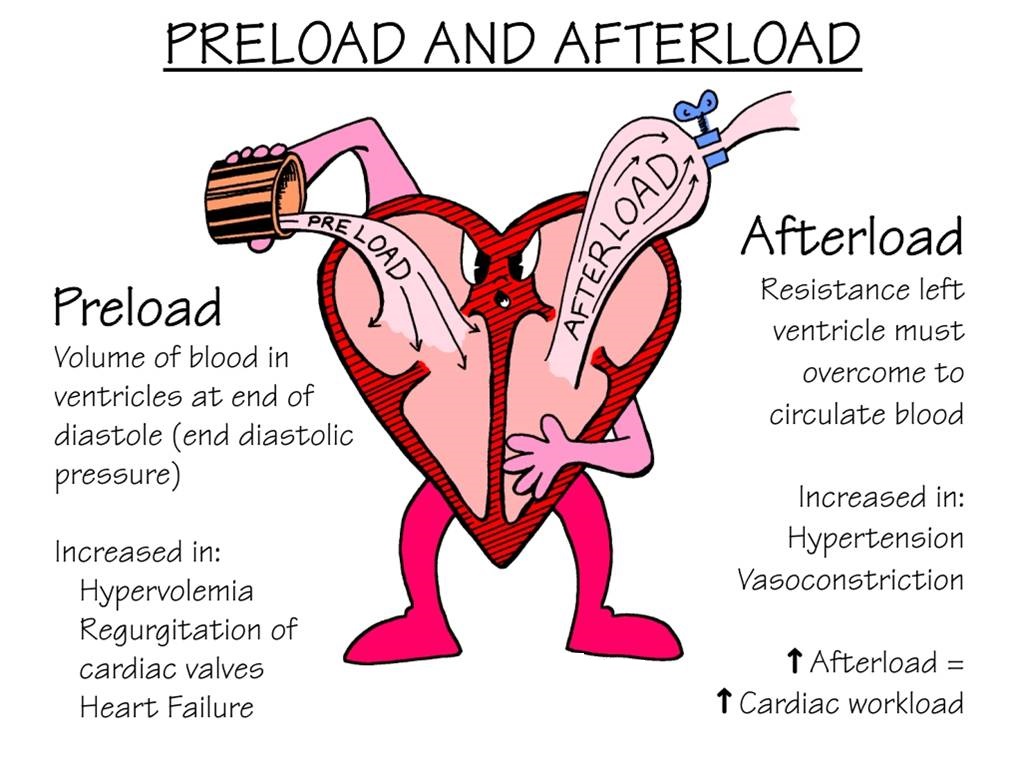
Understanding Preload in the Age of Digital Health
To understand the technological trajectory of cardiac monitoring, one must first grasp the mechanical reality of preload. It is governed by the Frank-Starling Law, which states that the stroke volume of the heart increases in response to an increase in the volume of blood in the ventricles. For tech developers, this relationship provides a predictable data model that can be mapped, simulated, and monitored through various digital tools.
Defining Preload through Sensor Data
In a clinical setting, preload was historically measured using invasive pressure monitoring, such as Central Venous Pressure (CVP) or Pulmonary Artery Wedge Pressure (PAWP). However, the tech industry is shifting toward “Data-Derived Preload.” By using high-fidelity sensors, engineers are now able to estimate these pressures by analyzing blood flow velocity and vessel diameter. This transition from physical invasive measurement to algorithmic estimation is a hallmark of the current “Software as a Medical Device” (SaMD) trend.
The Role of Ejection Fraction and Ventricular Volume
Technological advancements in echocardiography and cardiac MRI have transformed our ability to visualize preload. Modern software suites can now perform automated chamber quantification. By utilizing AI-driven image segmentation, these tools can calculate the end-diastolic volume (the physical manifestation of preload) in real-time. This eliminates human error and provides a standardized data point that can be integrated into a patient’s digital health record, allowing for longitudinal tracking of heart function.
Wearable Technology and Real-Time Preload Monitoring
The “consumerization” of medical tech has brought cardiac monitoring out of the hospital and onto the wrist. While early wearables focused on simple heart rate tracking, the next generation of gadgets is diving deeper into hemodynamics, attempting to provide insights into preload and fluid status.
From Clinical Monitors to Consumer Wearables
We are currently witnessing a pivot from reactive monitoring to proactive wellness. Tech giants are investing heavily in Photoplethysmography (PPG) and Electrocardiogram (ECG) integration within smartwatches. While a smartwatch cannot yet measure the exact milliliters of blood in a ventricle, advanced signal processing allows these devices to detect “Pulse Wave Variation.” This specific data point is a tech-proxy for stroke volume variation, which is intimately tied to the heart’s preload status. This enables a level of remote monitoring that was unthinkable a decade ago.

Non-Invasive Bio-Impedance and Optical Sensors
Beyond standard wearables, a niche sector of the tech industry is developing specialized patches and “smart” clothing. These utilize bio-impedance spectroscopy—sending micro-currents through the torso—to measure thoracic fluid content. For patients with congestive heart failure, where managing preload is a matter of life and death, these IoT (Internet of Things) devices can detect fluid buildup (increased preload) days before physical symptoms appear. This “predictive maintenance” for the human body is a direct application of industrial IoT principles to human biology.
AI and Machine Learning in Predicting Hemodynamic Shifts
The sheer volume of data generated by modern cardiac monitors is overwhelming for human clinicians to process in real-time. This is where Artificial Intelligence (AI) and Machine Learning (ML) become the primary tools for interpreting preload dynamics.
Predictive Analytics for Heart Failure Management
AI algorithms are now being trained on massive datasets of hemodynamic profiles. By analyzing the relationship between preload, heart rate, and systemic vascular resistance, ML models can predict “decompensation” events. For instance, if a patient’s digital profile shows a steady increase in estimated preload alongside a decrease in activity levels (captured via smartphone accelerometers), the AI can flag this as a high-risk scenario. This intersection of multi-modal data is the frontier of personalized medicine.
Integrating Big Data into Cardiac Care
The challenge for tech companies is not just collecting data, but ensuring its interoperability. The “Heart-as-a-Service” model is emerging, where cloud-based platforms aggregate data from various sources—hospital monitors, home scales, and wearable sensors—to create a holistic view of a patient’s preload status. By applying Big Data analytics to these streams, researchers can identify patterns that were previously invisible, such as how specific environmental factors or tech-monitored sleep patterns affect cardiac filling pressures.
The Future of Cardiovascular Tech: Virtual Twins and Remote Management
As we look toward the next decade, the technology surrounding the measurement and management of heart preload is set to become even more immersive and preventative.
Digital Twins of the Human Heart
One of the most exciting trends in the “Deep Tech” space is the creation of “Digital Twins.” This involves creating a highly complex, 3D digital replica of a specific patient’s heart based on their unique physiological data. By adjusting variables within the software, doctors can simulate how a change in preload—perhaps caused by a new medication or a specific physical stressor—will affect that individual’s cardiac output. This allows for “in-silico” testing of treatments before they are applied to the patient, minimizing risk and maximizing efficiency.

Telemedicine and the Democratization of Cardiac Data
The ultimate goal of these technological advancements is the democratization of specialized healthcare. As sensors become cheaper and AI becomes more accurate, the ability to monitor the preload of the heart will move from the ICU to the home. Remote Patient Monitoring (RPM) platforms are becoming the standard of care, allowing cardiologists to manage thousands of patients simultaneously through automated dashboards. These dashboards prioritize patients based on hemodynamic instability, ensuring that medical intervention is directed exactly where it is needed most.
In conclusion, “preload” is no longer just a biological term; it is a vital data metric that powers a massive ecosystem of medical technology. From the sensors that capture the initial stretch of the heart to the AI that predicts the next cardiac event, technology is redefining our relationship with our own cardiovascular systems. As these tools continue to evolve, the management of the heart’s preload will become more precise, more accessible, and more integrated into our daily digital lives, ushering in a new era of proactive and personalized heart health.
aViewFromTheCave is a participant in the Amazon Services LLC Associates Program, an affiliate advertising program designed to provide a means for sites to earn advertising fees by advertising and linking to Amazon.com. Amazon, the Amazon logo, AmazonSupply, and the AmazonSupply logo are trademarks of Amazon.com, Inc. or its affiliates. As an Amazon Associate we earn affiliate commissions from qualifying purchases.