
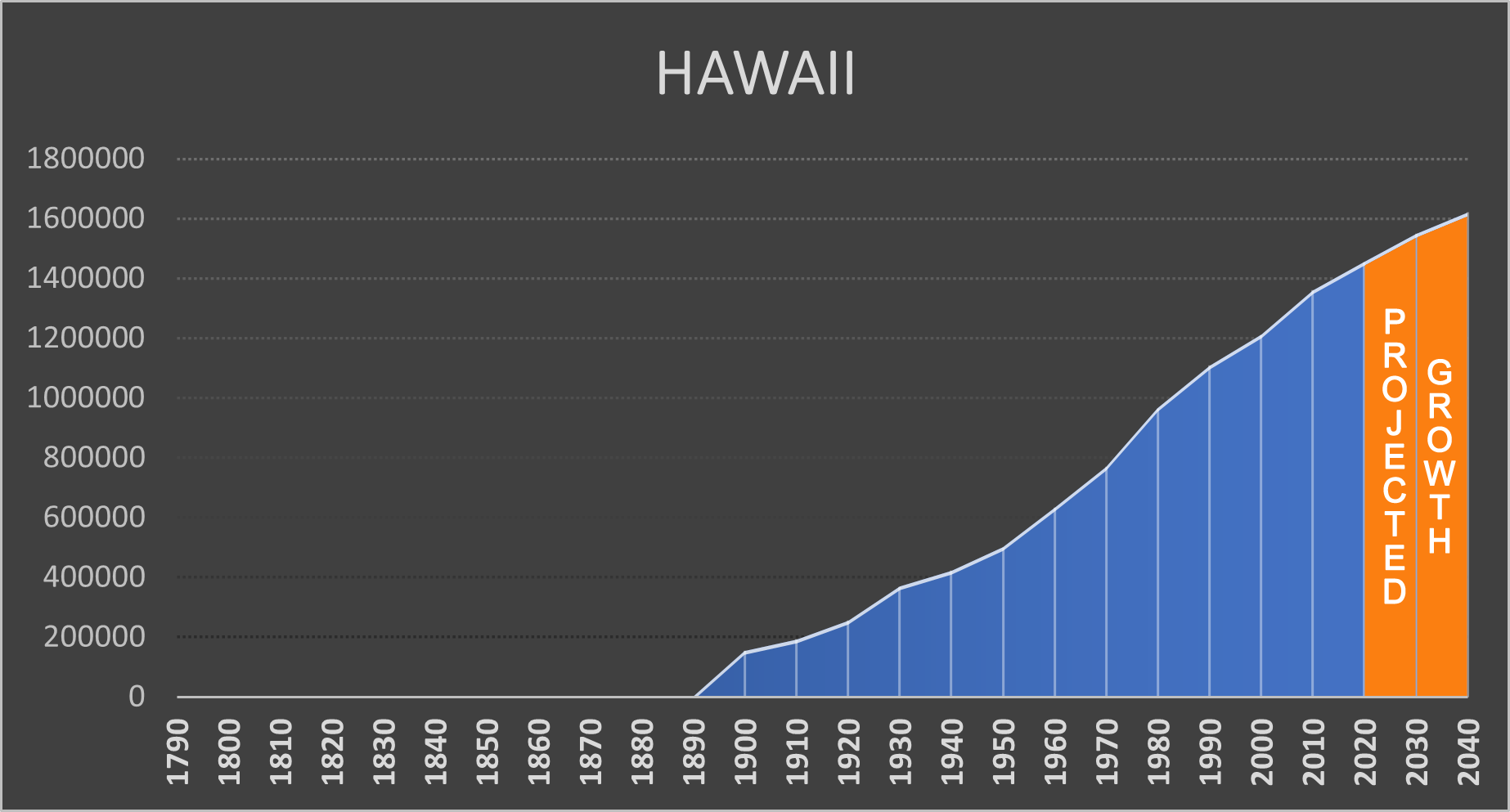
Understanding the population of Hawaii requires more than a simple headcount. While the raw data suggests a population of approximately 1.44 million residents, for the savvy investor, business owner, or financial planner, this number is merely the surface of a complex economic narrative. Hawaii’s demographic landscape is currently undergoing a significant transformation, characterized by shifting migration patterns, a “graying” workforce, and a high-stakes real estate market. In the world of finance, population is a leading indicator of market health, labor availability, and long-term fiscal stability. This analysis explores the financial implications of Hawaii’s population trends and what they mean for the future of wealth in the archipelago.
The Fiscal Implications of Hawaii’s Stagnant Population Growth
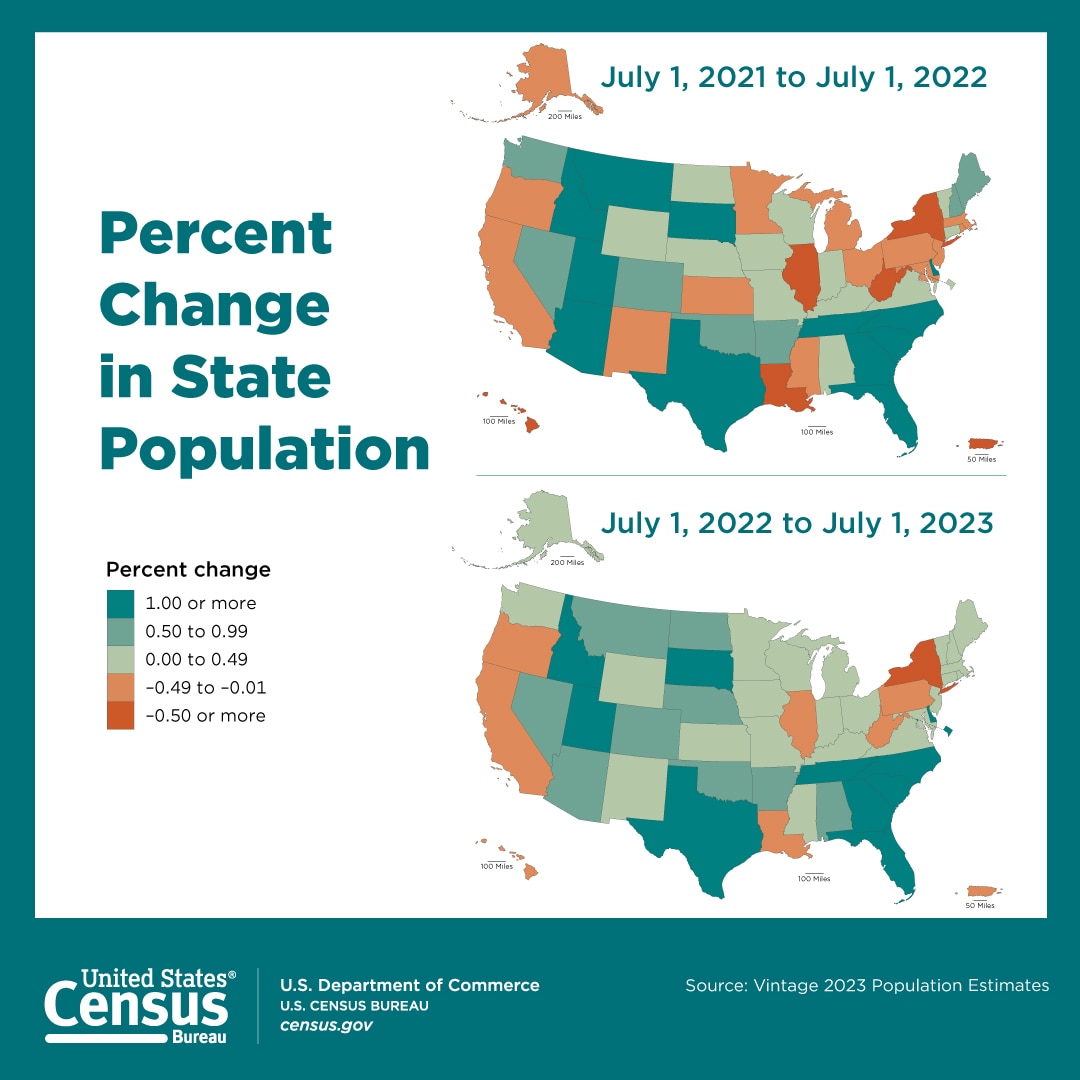
For decades, Hawaii enjoyed steady growth, but recent years have shown a plateau—and in some cases, a slight decline—in the total number of residents. This stagnation is not just a social statistic; it is a critical variable in the state’s fiscal equation. When a population shrinks or stalls, the tax base narrows, placing a heavier burden on remaining residents and businesses to fund public infrastructure and state debt.
Migration Patterns and the “Brain Drain” Effect
One of the most concerning trends for Hawaii’s economy is the outward migration of working-age professionals. Often referred to as the “Brain Drain,” this phenomenon sees young, educated locals moving to the mainland (particularly to states like Nevada, Texas, and Washington) in search of a lower cost of living and higher wages. From an investment perspective, this creates a labor shortage in high-value sectors such as healthcare, engineering, and finance. The loss of human capital is an invisible deficit; it reduces the state’s GDP potential and forces businesses to pay premium wages to attract outside talent, which in turn squeezes profit margins.
The Impact on State Tax Revenue and Infrastructure
Hawaii relies heavily on General Excise Tax (GET) and individual income taxes. With a population that is not growing, the state faces a dilemma in funding long-term infrastructure projects, such as the Honolulu Rail Transit or coastal erosion defenses. For investors in municipal bonds or those looking at state-level public-private partnerships, the population decline suggests a need for cautious due diligence. If the tax-paying population continues to dwindle while the retired population grows, the fiscal pressure on the state’s budget will likely lead to increased tax rates, further impacting the net income of local businesses.
Real Estate and the Inventory Crisis: How Population Density Drives Value
Despite a stagnating population, Hawaii remains one of the most expensive real estate markets in the world. This paradox is driven by the unique intersection of limited land and global demand. The population of Hawaii is concentrated heavily on Oahu, specifically in the Honolulu urban core, creating a density that ensures property remains a premium asset class.
Supply vs. Demand in a Geographically Limited Market
In most mainland markets, a population decline leads to a cooling of the housing market. Hawaii is the exception. Because the state is an island chain with strict zoning laws and a finite amount of developable land, the supply of housing cannot expand to meet even a stable population’s needs. For real estate investors, this means that “land value” is the primary driver of ROI. Even as the total population fluctuates, the desire for high-end residential property and vacation homes from global buyers remains high. This ensures that equity growth continues, though it creates a “hollowed-out” middle class that struggles to achieve homeownership.
The Role of External Investment and Short-Term Rentals
A significant portion of Hawaii’s “economic population” consists of part-time residents and tourists who do not show up in the standard census but utilize the infrastructure. This “transient population” is a massive driver of the short-term rental market. Financial shifts in local legislation—such as the tightening of regulations on platforms like Airbnb and VRBO—are a direct response to the friction between the permanent population and the visiting population. Investors must navigate these regulatory waters carefully, as the state seeks to balance the high revenue generated by visitor spending with the housing needs of its dwindling permanent workforce.
The Cost of Paradise: Living Expenses and Household Income Dynamics
The financial reality of living in Hawaii is often summarized by the “Paradise Tax”—the high cost of goods, services, and energy that results from the state’s isolation. When analyzing the population from a “Money” perspective, one must look at the “Real Median Household Income,” which, when adjusted for the cost of living, tells a much different story than the nominal figures.
Inflation and the “Paradise Tax”
Hawaii imports approximately 90% of its food and energy. This makes the local population extremely sensitive to global commodity price fluctuations and supply chain disruptions. For businesses operating within the state, the high cost of overhead (utilities and shipping) means that “slim margins” are the norm. The population’s purchasing power is lower than that of many mainland states, which limits the growth potential of retail and consumer-facing startups. Sophisticated investors often look for companies that can bypass these costs or provide essential services that are resistant to inflationary pressures, such as renewable energy or local food production.
Remote Work and the Changing Workforce Landscape
The COVID-19 pandemic introduced a new demographic to Hawaii: the “Digital Nomad” or high-income remote worker. This group has influenced the population dynamics by moving to the islands while maintaining mainland salaries. While this brings “new money” into the local economy, it also exacerbates the cost-of-living crisis for local workers who are paid on Hawaii scales. From a financial planning standpoint, the influx of high-net-worth remote workers has spurred growth in wealth management services, luxury retail, and high-end fitness and wellness sectors, signaling a shift in where capital is being deployed across the islands.
Future Outlook: Opportunities for Strategic Investors and Business Owners
While the population data might seem daunting, it also highlights specific niches where capital can be deployed for maximum impact. The evolving demographics of Hawaii suggest that the “old” models of tourism-dependent growth are being replaced by more specialized economic drivers.
Diversifying Beyond Tourism: The Rise of Sustainable Tech and Agriculture
With the population’s heavy reliance on imports, there is a massive financial opportunity in “Import Substitution.” Businesses focused on sustainable agriculture, vertical farming, and renewable energy (solar and wind) are not just environmentally sound; they are fiscally prudent. By reducing the outflow of capital to the mainland for energy and food, these sectors can capture a larger share of the local population’s spending. Investors are increasingly looking at “AgTech” as a viable way to build wealth while stabilizing the local economy.

Financial Planning for the Graying Demographic
Hawaii has one of the highest life expectancies in the United States. As the median age of the population continues to rise, the “Silver Economy” is becoming a dominant force. This includes a growing demand for specialized healthcare, assisted living facilities, and estate planning services. For financial professionals, the opportunity lies in managing the transition of wealth from the “Baby Boomer” generation to their heirs—many of whom may no longer live in the state. Managing this intergenerational wealth transfer, particularly when it involves complex Hawaii real estate holdings, will be a cornerstone of the state’s financial sector over the next two decades.
In conclusion, while the population of Hawaii sits at approximately 1.44 million, the economic weight of that number is determined by its composition and movement. The challenges of a shrinking workforce and a high cost of living are real, but they are countered by the enduring value of Hawaii’s land and its strategic shift toward a more sustainable, high-value economy. For those who track the money, Hawaii remains a market defined by scarcity, resilience, and untapped potential in the face of demographic change.
aViewFromTheCave is a participant in the Amazon Services LLC Associates Program, an affiliate advertising program designed to provide a means for sites to earn advertising fees by advertising and linking to Amazon.com. Amazon, the Amazon logo, AmazonSupply, and the AmazonSupply logo are trademarks of Amazon.com, Inc. or its affiliates. As an Amazon Associate we earn affiliate commissions from qualifying purchases.