
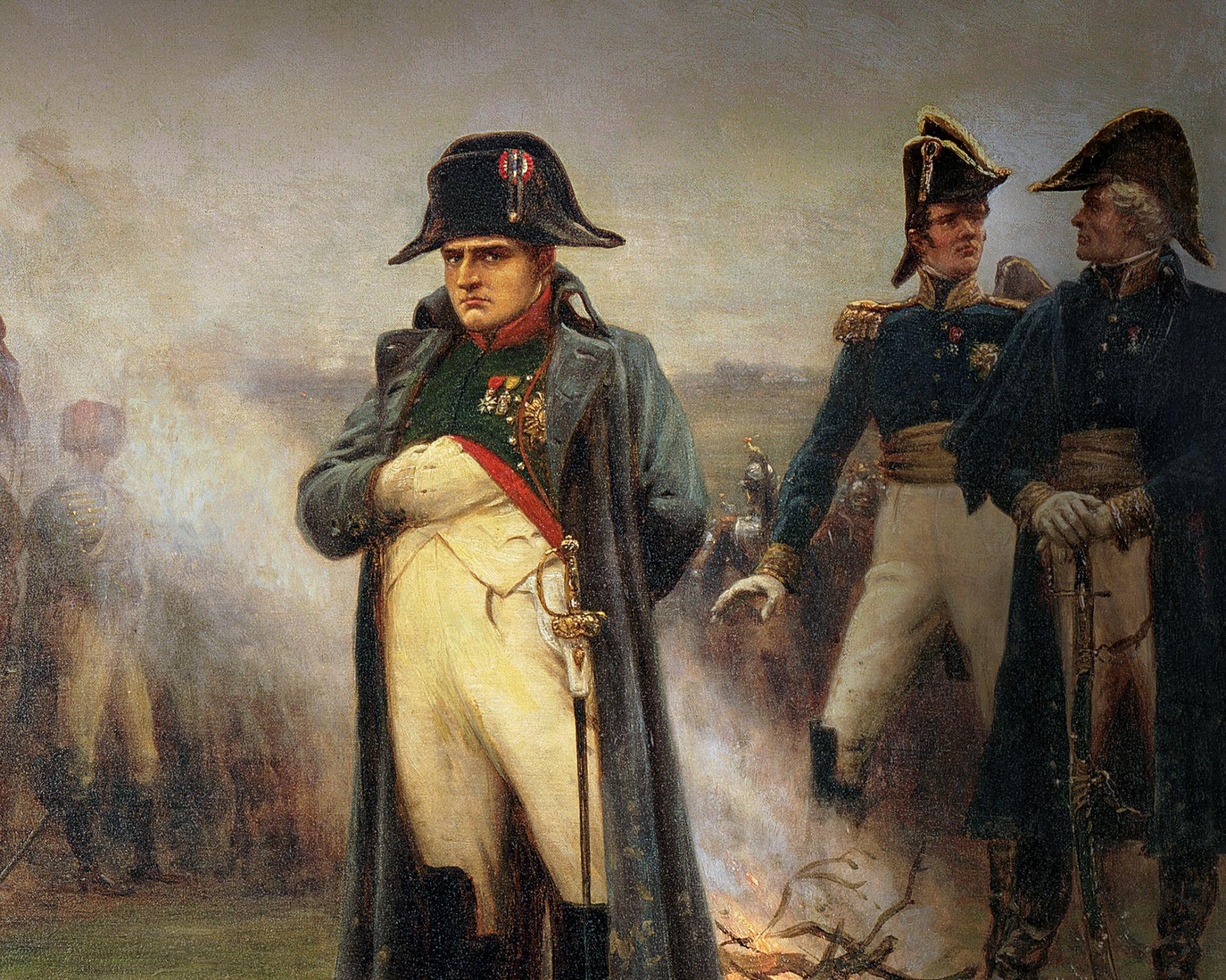
In the world of psychology, “Napoleon Syndrome” refers to a perceived complex where individuals of shorter stature compensate for their physical height through overly aggressive or ambitious social behavior. However, in the high-stakes arena of brand strategy and corporate identity, the Napoleon Syndrome takes on a much more strategic and lucrative meaning. It describes the “Challenger Brand”—a smaller entity that refuses to accept its place in the market hierarchy, instead using its perceived limitations as a catalyst for disruptive, high-visibility, and often aggressive growth.
In branding, size is relative. For a startup entering a space occupied by multi-billion-dollar conglomerates, the Napoleon Syndrome is not a deficit; it is a competitive advantage. It is the art of “punching above your weight,” ensuring that despite a smaller budget or a narrower reach, your brand voice is the loudest in the room. This article explores how modern businesses can harness this syndrome to build a brand identity that commands respect and captures market share from the giants.

The Psychology of the Challenger Brand: Embracing the Underdog Identity
At its core, the Napoleon Syndrome in branding is about the rejection of the status quo. When a brand identifies as a challenger, it adopts a specific psychological posture that influences every marketing decision, from visual identity to customer service.
Defining the “Underdog” Narrative
Human beings are biologically wired to root for the underdog. When a brand leans into its smaller size, it creates an immediate emotional connection with the consumer. By positioning itself against a “faceless” or “monolithic” industry leader, the challenger brand transforms a simple purchase into an act of rebellion. This narrative isn’t just about being small; it’s about being the “right” kind of small—the agile, passionate, and customer-centric alternative to a stagnant incumbent.
Compensating for Size with Strategic Boldness
Just as the psychological theory suggests compensation through behavior, a “Napoleon” brand compensates for a smaller marketing budget through creative audacity. Where a legacy brand might play it safe to protect its existing dividends, a challenger brand has everything to gain and little to lose. This leads to a brand identity defined by “Strategic Boldness”—taking public stands on controversial issues, using provocative imagery, or directly calling out the flaws of the industry leader. This boldness ensures that every dollar spent on branding works twice as hard.
The Power of Focal Point Concentration
Large brands often suffer from “Brand Dilution,” trying to be everything to everyone. The challenger brand, fueled by its Napoleon-like focus, concentrates its entire identity on a single, disruptive value proposition. By being the absolute best at one specific thing, the brand creates a perception of superiority that belies its actual size.
Strategic Aggression: How Small Brands Topple Industry Giants
In branding, aggression does not mean hostility; it means proactivity. A brand with Napoleon Syndrome does not wait for the market to notice it; it forces the market to react. This requires a specific set of maneuvers designed to disrupt the equilibrium of the established players.
Disruptive Innovation as a Branding Tool
For a challenger brand, innovation is the primary weapon. However, this isn’t just about the product; it’s about the brand’s relationship with the product. Napoleon brands often introduce “Category Killers”—products that simplify a complex process or offer a premium experience at a fraction of the cost. The branding strategy here is to frame the incumbent’s complexity as “outdated” or “greedy,” while framing the challenger’s simplicity as “transparent” and “modern.”
Guerilla Marketing and High-Visibility Tactics
When you don’t have the funds for a Super Bowl ad, you must rely on guerilla marketing. This is the hallmark of the Napoleon Syndrome in action: using wit, timing, and unconventional platforms to steal the spotlight. Whether it’s a viral social media stunt that pokes fun at a competitor’s slow customer service or a pop-up event that creates more buzz than a permanent flagship store, these tactics ensure the brand remains top-of-mind.
Exploiting the “Incumbent’s Dilemma”
Giant brands are often slowed down by their own success. They have legacy systems, shareholders to appease, and a fear of cannibalizing their own products. A brand with Napoleon Syndrome exploits these “Big Brand” weaknesses. By being faster to adopt new design trends, quicker to pivot based on social media feedback, and more willing to experiment with radical brand voices, the smaller brand makes the giant look ancient and out of touch.
Building the “Napoleon” Brand Persona: Design and Voice
To successfully execute this strategy, the visual and verbal identity of the brand must reflect this “larger than life” attitude. A Napoleon brand cannot afford to look or sound timid.

Creating a Distinctive and Polarizing Voice
The worst thing a challenger brand can be is “fine.” To command attention, the brand voice must be distinctive, often polarizing. This means choosing a side. If the industry leader is corporate and sterile, the challenger should be irreverent and human. If the leader is overly traditional, the challenger should be futurist. This voice creates a “tribe” of loyal followers who don’t just buy the product—they identify with the brand’s mission.
Visual Identity: Punchy, Modern, and Unapologetic
The design language of a brand with Napoleon Syndrome should be high-contrast and high-impact. This often involves bold typography, vibrant color palettes, and a minimalist aesthetic that cuts through the visual “noise” of traditional advertising. The goal is to create a visual shorthand for “Disruption.” When a consumer sees the brand’s logo or packaging, the immediate impression should be that this is something new, something different, and something powerful.
Leveraging Agility as a Brand Asset
In the digital age, speed is a brand attribute. A brand that can respond to a cultural moment within hours has more “Brand Equity” than one that takes three weeks to approve a tweet. The Napoleon brand markets its agility as a sign of its commitment to the consumer. “We’re small enough to care, but bold enough to lead” becomes the unspoken slogan of the organization.
Case Studies: Famous “Short” Brands with Big Impact
Looking at successful brands that have utilized Napoleon Syndrome provides a roadmap for how to scale through calculated aggression and clever positioning.
Dollar Shave Club vs. Gillette
Dollar Shave Club (DSC) is perhaps the ultimate example of a brand with Napoleon Syndrome. Entering a market dominated by Gillette—a brand with nearly 100 years of dominance—DSC didn’t try to out-engineer the giant. Instead, they used a $4,500 YouTube video to mock the “over-engineered” nature of Gillette’s razors. By positioning themselves as the smart, funny, and affordable underdog, they built a massive brand identity that eventually led to a $1 billion acquisition by Unilever. They didn’t just sell razors; they sold a “club” for people tired of the status quo.
Virgin Group: The Serial Challenger
Richard Branson built the Virgin empire on the back of Napoleon Syndrome. Whether it was Virgin Records, Virgin Atlantic, or Virgin Media, the strategy was always the same: find a bloated industry with unhappy customers and enter it as the “vibrant, fun underdog.” Branson himself became the face of the brand, performing daredevil stunts to ensure the Virgin name was always in the headlines. By being the “cheeky” challenger, Virgin was able to compete with state-owned airlines and massive telecom providers.
Oatly: The Provocateur in the Dairy Aisle
Oatly entered a market dominated by the powerful dairy lobby. Instead of playing nice, they used aggressive, text-heavy branding that challenged the very idea of drinking cow’s milk. Their campaigns were meta, self-aware, and intentionally confrontational. By leaning into their “weirdness” and their “outsider” status, they transformed from a niche Swedish oat milk company into a global cultural phenomenon.
The Risks of Over-Compensation: Navigating the Pitfalls of Aggressive Branding
While Napoleon Syndrome can be a powerful catalyst for growth, it is not without its risks. If handled poorly, a challenger brand can come across as desperate, annoying, or even unethical.
Avoiding “Aggressive” Fatigue
There is a fine line between being a bold challenger and being a brand that “complains” too much. If a brand’s entire identity is based on attacking a competitor, it may eventually tire the consumer. People want to know what you are, not just what you aren’t. To sustain long-term growth, a Napoleon brand must eventually transition from “attacking the leader” to “becoming the leader” by focusing on its own unique value.
Maintaining Authenticity During Growth
The biggest challenge for any brand that uses the underdog narrative is what happens when they are no longer the underdog. Once a brand gains significant market share, the “Napoleon” tactics can start to feel disingenuous. Successful brands manage this by constantly finding new “frontiers” to challenge or by maintaining a decentralized, “startup” culture even as they scale into global corporations.
Balancing Disruption with Reliability
A brand can be as disruptive as it wants in its marketing, but its core service or product must be rock-solid. Napoleon Syndrome works best when the “aggressive” brand voice is backed up by an “aggressive” commitment to quality. If the brand is all talk and no substance, the market will eventually see the “compensation” for what it is: a mask for an inferior product.
Conclusion: Turning Small Stature into Market Power
The Napoleon Syndrome, when applied to brand strategy, is a masterclass in psychological positioning. It proves that in the modern economy, being “big” is often a liability, while being “small, focused, and fierce” is a superpower. By embracing the challenger mindset, businesses can craft a brand identity that turns their limitations into their greatest selling points.
Whether you are a startup looking to disrupt a legacy industry or a mid-sized company looking to revitalize your corporate identity, the lessons of the Napoleon Syndrome are clear: Be bold, be distinctive, and never be afraid to take on the giants. After all, the history of branding is not written by the largest companies, but by the ones that refused to be ignored.
aViewFromTheCave is a participant in the Amazon Services LLC Associates Program, an affiliate advertising program designed to provide a means for sites to earn advertising fees by advertising and linking to Amazon.com. Amazon, the Amazon logo, AmazonSupply, and the AmazonSupply logo are trademarks of Amazon.com, Inc. or its affiliates. As an Amazon Associate we earn affiliate commissions from qualifying purchases.