
In the world of high-stakes investing, most people default to stocks, real estate, or perhaps the volatile fluctuations of cryptocurrency. However, there exists a specialized asset class that combines historical prestige, artistic mastery, and immense financial appreciation: numismatics. When we ask, “What is the most valuable US coin?” we are not merely discussing spare change; we are identifying a pinnacle of alternative investment that has outperformed many traditional markets over the last century.
The current titleholder for the most valuable US coin ever sold is the 1933 Saint-Gaudens Double Eagle, which fetched a staggering $18.9 million at a Sotheby’s auction in 2021. This single piece of gold represents the intersection of economic policy, legal intrigue, and extreme rarity. To understand why this coin—and others like the 1794 Flowing Hair Silver Dollar—command such premiums, one must look through the lens of a sophisticated investor.
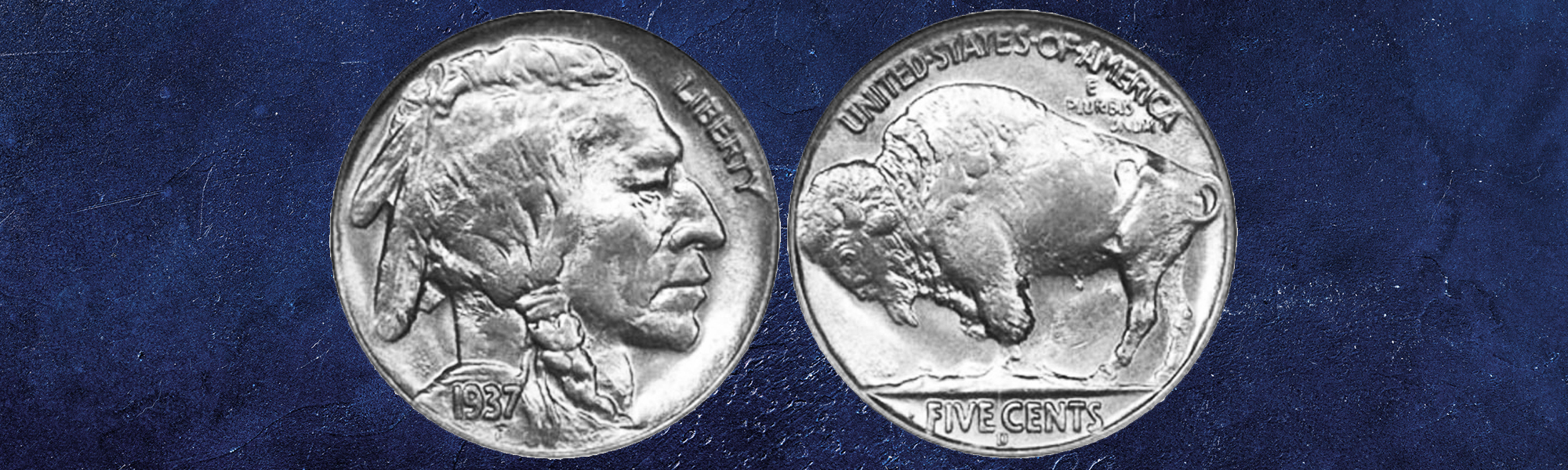
The 1933 Saint-Gaudens Double Eagle: An $18.9 Million Asset
The story of the 1933 Double Eagle is perhaps the most dramatic in the history of American finance. While nearly 445,500 of these $20 gold pieces were struck, none were ever officially circulated due to an executive order that changed the course of US monetary history.
The Historical Context of the Gold Standard
In 1933, amidst the Great Depression, President Franklin D. Roosevelt issued Executive Order 6102, which effectively took the United States off the gold standard and required citizens to turn in their gold coins for paper currency. The US Mint was ordered to melt down the entire production run of the 1933 Double Eagles. However, a small handful of specimens escaped the furnace, leading to a decades-long legal battle between private collectors and the US Treasury.
The Legal Status and “The King of Coins”
The specific coin that holds the record—formerly owned by King Farouk of Egypt—is the only 1933 Double Eagle that is legally authorized for private ownership by the US government. This legal exclusivity creates a “monopoly of one,” a scenario in the investment world where supply is restricted to a single unit, driving demand and price to astronomical levels. For the investor, this represents the ultimate hedge: an asset whose value is disconnected from the stock market and tied instead to its unique status as a legal and historical anomaly.
Market Performance and Appreciation
When this specific coin was sold in 2002, it brought in $7.59 million. By the time it sold again in 2021 for $18.87 million, its value had more than doubled. This represents a compound annual growth rate (CAGR) that rivals top-tier growth stocks, but with the added benefit of physical tangibility and historical permanence.
Factors That Drive Seven-Figure Coin Valuations
In personal finance and asset management, understanding the “why” behind an asset’s price is critical. The valuation of a rare US coin isn’t arbitrary; it is governed by a strict set of variables that professional numismatists and investors use to calculate risk and potential return.
Rarity and Population Reports
In the “Money” niche, the most important metric is the “Population Report.” Agencies like the Professional Coin Grading Service (PCGS) and the Numismatic Guaranty Company (NGC) maintain databases of every rare coin they have authenticated. When a coin is described as “1 of 2 known,” its value scales exponentially. Investors look for coins with low survival rates—those where the original mintage was low, or where most of the mintage was lost or melted down.
The Role of Third-Party Grading (TPG)
Before the 1980s, coin collecting was subjective. Today, it is a standardized financial market. Third-party grading assigns a numerical grade from 1 to 70 (the Sheldon Scale). A coin graded MS65 (Mint State 65) might be worth $10,000, while the same coin in MS66 might be worth $50,000. This precision allows investors to trade coins with the same confidence they would have trading shares of a company, as the quality is certified by an impartial authority.
Provenance and Pedigree
Just as a piece of real estate is worth more if it was owned by a historical figure, a coin’s “provenance”—its history of ownership—adds significant value. Coins that have belonged to famous collections, such as the Eliasberg, Pogue, or Bass collections, carry a premium. For the high-net-worth investor, owning a piece of a legendary collection adds a layer of “social capital” and historical continuity that a standard brokerage account cannot provide.
The 1794 Flowing Hair Silver Dollar: The First of Its Kind
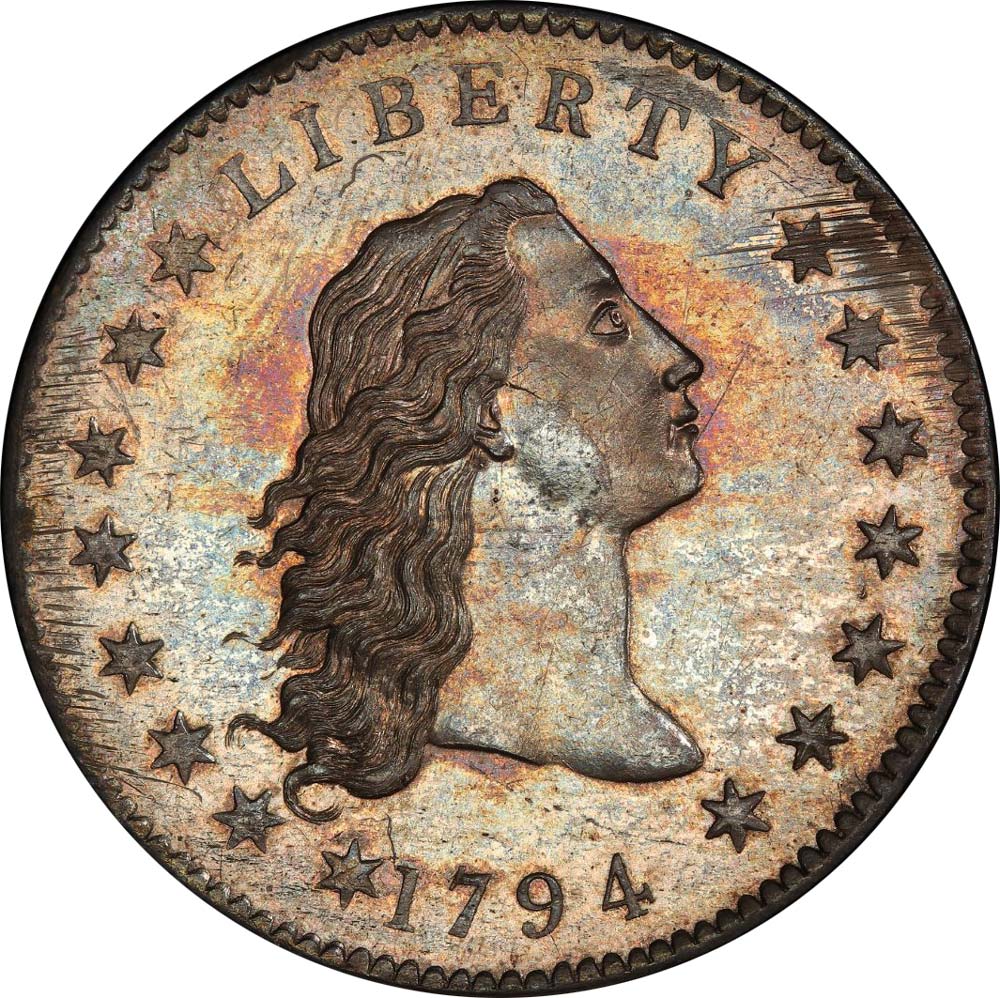
While the 1933 Double Eagle holds the current price record, the 1794 Flowing Hair Silver Dollar is often considered the most “important” US coin. In 2013, a specimen believed to be the very first silver dollar ever struck by the United States sold for $10 million.
The Birth of American Currency
This coin represents the dawn of the American monetary system. Struck in a small basement in Philadelphia, the 1794 dollars were intended to replace the diverse array of foreign coins then circulating in the colonies. Of the 1,758 coins struck, only about 130–140 survive today. The “Neil/Carter/Contursi” specimen, which brought the $10 million price tag, is graded Specimen-66, meaning it was struck with special care, likely to be presented to a dignitary.
Inflation Hedging and Tangible Wealth
Rare coins like the 1794 Dollar serve as a powerful hedge against inflation. Because the supply of these coins is fixed (they cannot be printed or manufactured), they tend to retain purchasing power even when the value of the dollar declines. For investors looking to diversify away from paper assets, the 1794 Dollar represents a “hard asset” with a 230-year track record of value retention.
Aesthetics and Artistry
Beyond the financial metrics, the Flowing Hair design—depicting Liberty with loose, undulating hair—is a masterpiece of 18th-century engraving. In the world of high-value assets, the “eye appeal” of a coin can add a 20% to 30% premium to its technical grade. Investors often seek out coins with “original skin” or attractive toning, recognizing that beauty is a major driver of resale value.
Rare Coins as an Alternative Investment Class
For those interested in personal finance and wealth building, rare coins should be viewed through the same lens as private equity or fine art. They are illiquid assets that require a long-term horizon (typically 10+ years) to realize significant gains.
Portfolio Diversification Strategies
Modern portfolio theory suggests that a well-balanced portfolio should include assets that are non-correlated with the S&P 500. Rare coins fit this description perfectly. During the 2008 financial crisis, while the stock market plummeted, the market for ultra-rare, high-grade US coins remained remarkably stable, and in some cases, even grew as investors sought “safe havens” for their capital.
Liquidity and Transaction Costs
It is important for any investor to understand the “spread” in the coin market. Unlike a stock where you can sell instantly at the market price, high-value coins are often sold through major auction houses like Heritage Auctions or Stack’s Bowers. These venues charge seller commissions and buyer’s premiums, which can range from 10% to 20%. Therefore, coins are not suitable for short-term “flipping” unless one possesses extraordinary market timing or insider knowledge.
Tax Implications and Regulatory Considerations
In the United States, rare coins are classified as “collectibles” by the IRS. This means they are subject to a higher capital gains tax rate (up to 28%) compared to the standard long-term capital gains rate for stocks. However, savvy investors often utilize 1031 exchanges (though these have become more restricted recently) or hold coins within specialized self-directed IRAs to manage tax liabilities.
The Future of High-Value Numismatics
As we look toward the future of wealth management, the market for the most valuable US coins is evolving. We are seeing a shift from traditional “hobbyist” collectors to “investor-collectors” who treat their portfolios with the rigor of a hedge fund.
The Rise of Digital Transparency
The integration of technology into the numismatic market has increased liquidity. Online bidding platforms and real-time pricing data from sources like the Greysheet allow investors to track the “spot price” of rare coins with more accuracy than ever before. This transparency is attracting a younger demographic of investors who are comfortable managing physical assets through digital interfaces.

The Global Appeal of American History
The United States remains the largest economy in the world, and its coinage is sought after by international investors in Europe and Asia. The 1933 Double Eagle or the 1794 Silver Dollar are not just American treasures; they are global icons of wealth. As global wealth increases, the pool of billionaires competing for a handful of “trophy assets” expands, likely pushing the prices of the most valuable US coins into the nine-figure range in the coming decades.
In conclusion, the most valuable US coin is more than a piece of metal; it is a concentrated store of value, a historical document, and a sophisticated financial instrument. Whether it is the $18.9 million 1933 Double Eagle or a million-dollar 1804 Silver Dollar, these assets offer a unique combination of security, growth, and prestige that few other investments can match. For the disciplined investor, the world of rare coins offers a path to wealth that is as enduring as the coins themselves.
aViewFromTheCave is a participant in the Amazon Services LLC Associates Program, an affiliate advertising program designed to provide a means for sites to earn advertising fees by advertising and linking to Amazon.com. Amazon, the Amazon logo, AmazonSupply, and the AmazonSupply logo are trademarks of Amazon.com, Inc. or its affiliates. As an Amazon Associate we earn affiliate commissions from qualifying purchases.