
In the current landscape of home maintenance and industrial cleaning, the line between hardware and high-tech gadgets has blurred significantly. Gone are the days when a power washer was merely a loud, combustion-engine pump strapped to a frame. Today, the quest to find the best electric power washer leads us into a sophisticated world of brushless motor technology, digital pressure management, and IoT integration. As we transition toward a more sustainable, electrified future, the technology powering these devices has evolved to offer a level of precision that was previously unattainable.
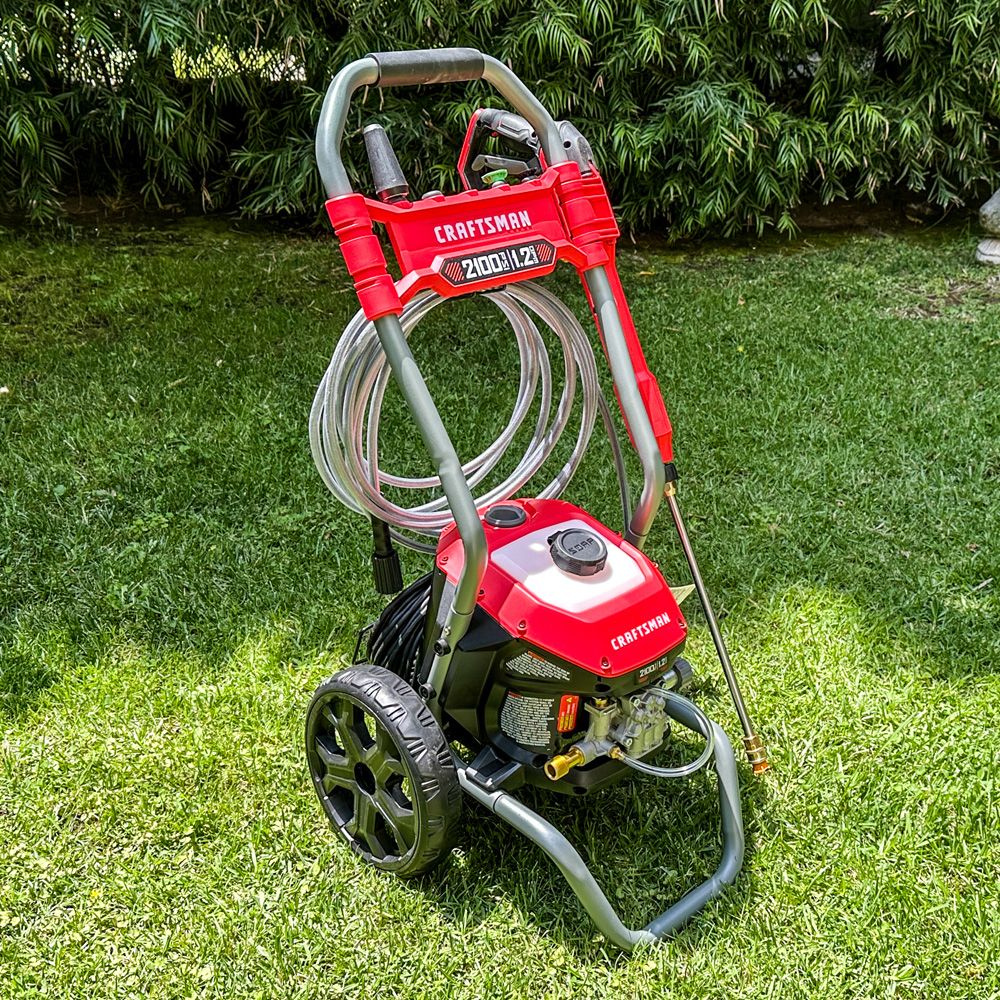
Choosing the “best” electric power washer is no longer just about raw power; it is about the intersection of engineering efficiency, smart features, and user interface. For the tech-savvy consumer, the decision rests on understanding how advancements in induction motors and digital sensors translate into a cleaner patio or a pristine vehicle. This guide explores the pinnacle of current cleaning technology, breaking down the specifications that define high-end performance in the modern era.
The Evolution of Electric Pressure Technology: Engineering the Core
The heart of any electric power washer is its motor and pump assembly. In the tech world, we often discuss the efficiency of processors; in the world of power washing, we discuss the efficiency of the motor’s energy conversion. Understanding the internal architecture of these machines is the first step in identifying a top-tier device.
Brushless vs. Universal Motors: The Digital Advantage
Traditional entry-level electric power washers typically utilize universal motors. While cost-effective, these are loud, run hot, and have a shorter lifespan due to the friction of carbon brushes. However, the best electric power washers on the market today have migrated toward brushless (induction) motor technology.
Brushless motors are a marvel of electromagnetic engineering. By using a permanent magnet and an electronic controller to switch the current, these motors eliminate friction and significantly reduce heat. From a tech perspective, this results in a machine that is not only 30% quieter but also significantly more durable. When searching for the best unit, looking for “brushless” or “induction” technology is the primary indicator of a high-performance, long-lasting gadget.
Smart Sensing and Automatic Shut-off Systems
Modern power washers are increasingly equipped with Total Stop System (TSS) technology. This is essentially a digital sensor that detects trigger engagement. When the trigger is released, the pump automatically shuts off. This prevents the pump from overheating—a common failure point in older mechanical models. The integration of high-sensitivity pressure transducers allows the machine to react in milliseconds, preserving the integrity of the internal seals and extending the “Mean Time Between Failures” (MTBF), a metric common in hardware tech evaluations.
Key Tech Specifications: Beyond the PSI and GPM Numbers
When reviewing hardware, we often look at “vanity metrics” versus “real-world performance.” In the power washer niche, these metrics are PSI (Pounds per Square Inch) and GPM (Gallons per Minute). However, the tech-focused buyer knows that the secret to the best electric power washer lies in the optimization of these two data points through digital control.
Pro-Pulse Tech and Variable Flow Controls
The best electric models now feature variable frequency drives (VFD) or electronic flow regulators. Instead of a “one-size-fits-all” pressure, these machines allow users to toggle through modes—often labeled as Soft, Medium, Hard, or Boost. This is achieved through sophisticated valve control and motor speed modulation.
For example, cleaning a delicate wooden deck requires a different “algorithm” of pressure and water volume than stripping paint off a concrete driveway. High-end electric power washers utilize multi-purpose nozzles with built-in sensors that communicate with the base unit to ensure the motor output matches the nozzle setting, preventing accidental damage to surfaces.
The Role of Digital Displays and Integrated Apps
We are seeing the rise of “Smart Control” power washers. Some leading manufacturers have introduced LED displays on the spray gun itself. These displays provide real-time telemetry, showing the current pressure setting, battery life (for cordless models), and even maintenance alerts.
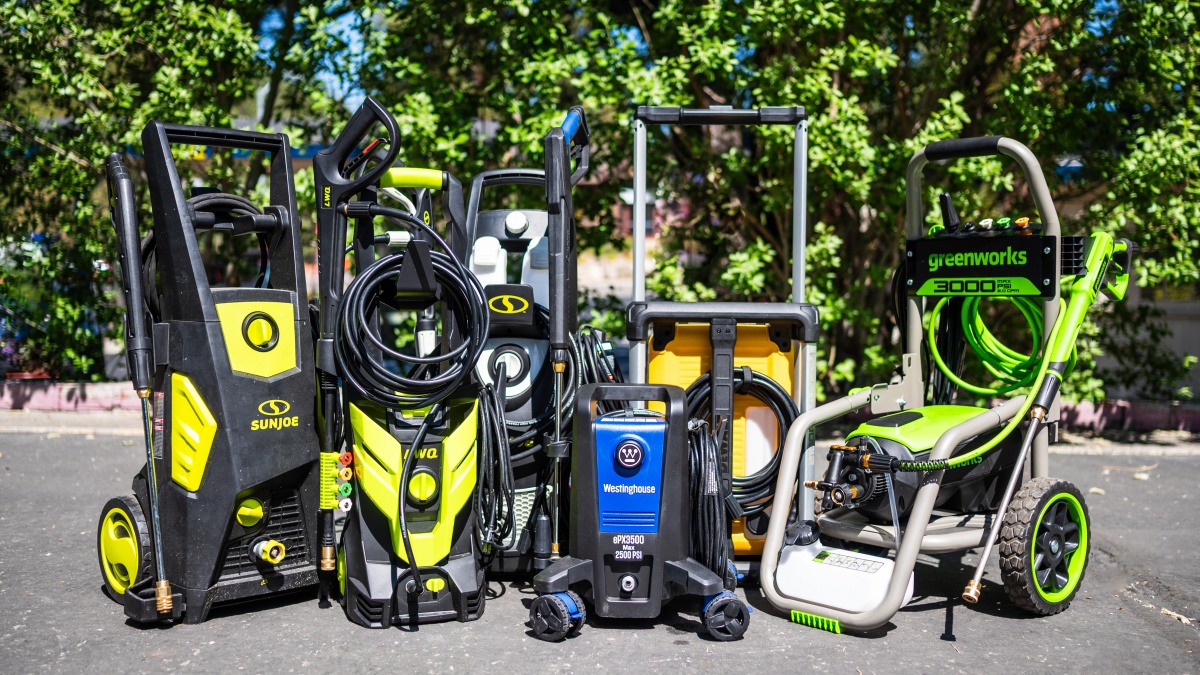
Furthermore, the integration of Bluetooth connectivity has turned the power washer into an IoT device. Through a smartphone app, users can input the object they are cleaning (e.g., a mountain bike or a stone wall), and the app will transmit the optimal pressure settings directly to the machine. This “guided cleaning” tech ensures that even a novice can achieve professional results without the risk of surface abrasion.
Comparing the Top Contenders: A Tech-Focused Review
To determine what is the best electric power washer, we must look at the hardware currently dominating the market. These brands have invested heavily in R&D to push the boundaries of what an electric motor can do.
Sun Joe SPX3000 Series: The Entry-Level Tech Standard
While Sun Joe targets a broad consumer base, their SPX3000 series remains a benchmark for “value engineering.” It utilizes a dual detergent tank system with a selection dial that acts as a mechanical mixer. While it lacks the digital sophistication of higher-end models, its reliability and the inclusion of a 14.5-amp/1800-watt motor make it the “base model” against which all other tech is measured. It is the equivalent of a reliable mid-range smartphone—functional, effective, and accessible.
Ryobi’s Brushless Innovation: Performance Meets Efficiency
Ryobi has pioneered the transition of professional-grade features into the consumer electric space. Their 3000 PSI Brushless Electric Pressure Washer is a standout for its use of a high-efficiency induction motor. What makes this a tech favorite is its “Whisper Series” engineering. By optimizing the airflow and the acoustic dampening of the motor housing, Ryobi has created a machine that provides high-pressure output with a significantly reduced decibel footprint. For users in urban environments or those who value haptic and acoustic feedback, this is a top contender.
Karcher’s Smart Control Systems: The Premium Gadget Experience
Karcher is often cited as the gold standard in cleaning technology. Their “K 5 Premium Smart Control” model is perhaps the most technologically advanced electric power washer available. It features an integrated Bluetooth-enabled trigger gun. Through the Karcher Home & Garden app, the machine offers a “boost mode” for an extra 15-bar of pressure when tackling stubborn grime. This level of software-hardware integration is exactly what defines the “best” in the current tech climate.
Maintenance and Longevity in the Gadget Ecosystem
High-tech tools require a different approach to maintenance than their mechanical predecessors. As we look at the lifespan of these devices, we must consider how modularity and firmware impact the user experience.
Modular Component Repairability
The best electric power washers are designed with modularity in mind. Much like a high-end PC, components like the high-pressure hose, the spray wand, and the internal pump valves should be easily replaceable. Tech-forward brands are now providing digital exploded-view diagrams and QR codes on the machine that lead directly to replacement parts. This move away from “disposable tech” toward repairability is a major trend in the industry, ensuring that a minor seal failure doesn’t result in the entire unit heading to a landfill.
Future Trends: Cordless Battery Tech and IoT Integration
As we look forward, the “best” electric power washer will likely shed its cord entirely. The development of high-capacity Lithium-ion battery packs—such as the 40V and 80V systems—has already allowed for cordless models that rival corded units in short bursts. The next frontier is “Solid State” battery technology, which could provide the sustained high-amp draw required for hours of continuous pressure washing.
Furthermore, we anticipate the introduction of AI-assisted surface recognition. Imagine a spray wand equipped with a small camera and a neural processing unit (NPU) that can identify the difference between automotive paint and concrete, automatically adjusting the PSI to prevent damage. This is not science fiction; it is the logical progression of the smart home ecosystem.
Conclusion: Selecting the Right Hardware for Your Workflow
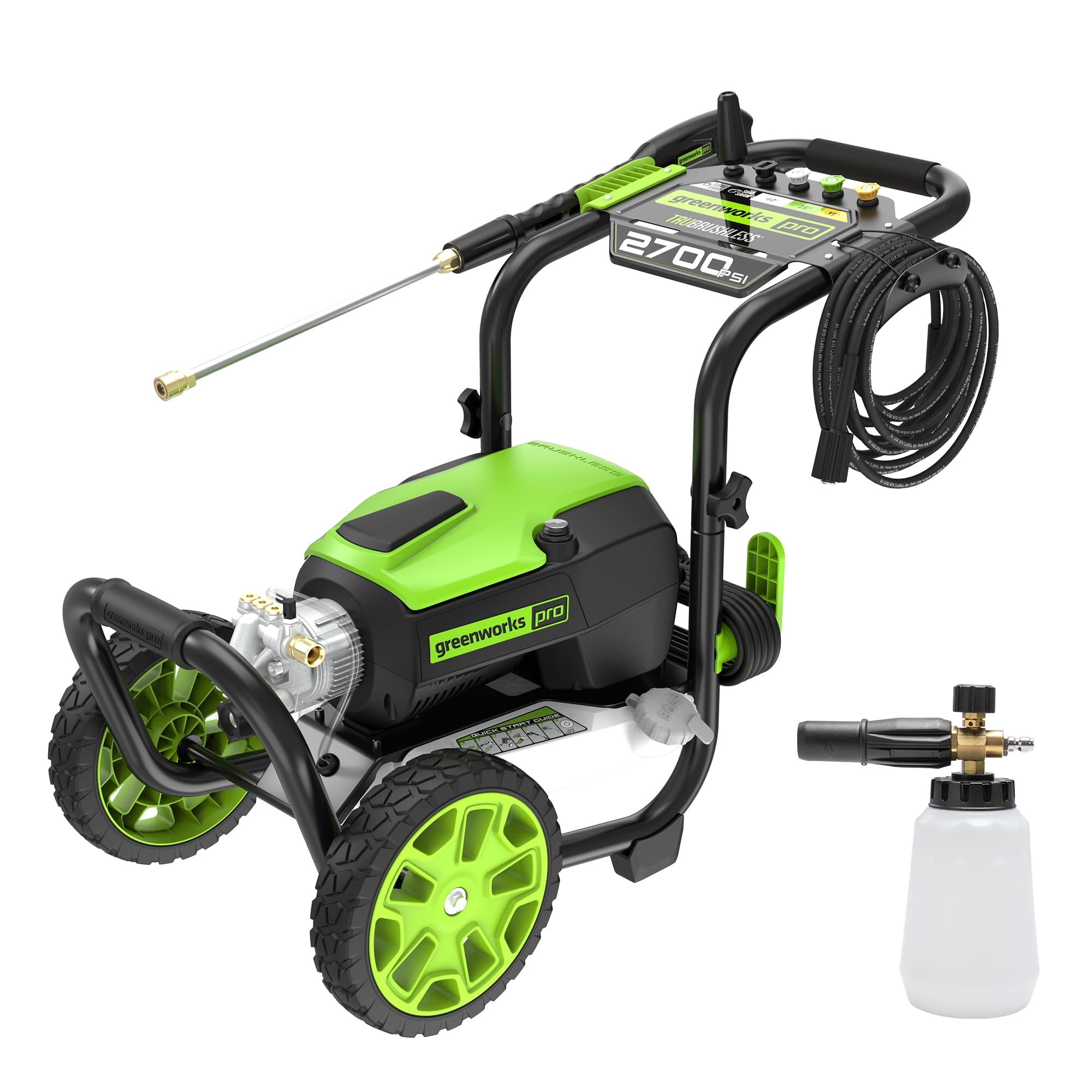
Identifying the best electric power washer in the modern era requires a shift in perspective. It is no longer about the biggest engine or the loudest noise; it is about the sophistication of the motor, the precision of the digital controls, and the integration of smart features that simplify the task.
Whether you prioritize the whisper-quiet operation of a brushless Ryobi or the app-driven precision of a Karcher, the “best” machine is the one that leverages technology to provide maximum efficiency with minimum environmental impact. As electric motors continue to surpass the power-to-weight ratios of their gasoline counterparts, the future of cleaning is undeniably digital, precise, and electrified. For the consumer who values the latest in technological advancement, there has never been a better time to invest in an electric power washer.
aViewFromTheCave is a participant in the Amazon Services LLC Associates Program, an affiliate advertising program designed to provide a means for sites to earn advertising fees by advertising and linking to Amazon.com. Amazon, the Amazon logo, AmazonSupply, and the AmazonSupply logo are trademarks of Amazon.com, Inc. or its affiliates. As an Amazon Associate we earn affiliate commissions from qualifying purchases.