
In the landscape of personal finance, auto insurance often represents one of the most significant recurring expenses for the average household. While it is a legal necessity and a vital safety net for protecting your assets, many consumers treat their premiums as a fixed cost—a “bill” that arrives and must be paid without question. However, viewed through the lens of sophisticated financial management, auto insurance is a variable expense that can be optimized through strategic planning, risk assessment, and market savvy.
Getting “cheap” auto insurance is not about sacrificing quality or coverage; it is about maximizing value and ensuring you are not overpaying for risks you don’t carry or protections you don’t need. By applying the same rigorous analysis to your insurance policy that you would to an investment portfolio or a tax strategy, you can unlock substantial annual savings. This guide explores the multi-faceted approach required to drive down insurance costs while maintaining a robust financial shield.
Understanding the Financial Variables of Insurance Premiums
To effectively lower your insurance costs, you must first understand the underlying mathematics that insurance companies use to calculate risk. Actuaries look at hundreds of data points, but as a consumer, you have direct control over several key financial levers that dictate your premium.
The Impact of Credit-Based Insurance Scores
In the world of personal finance, your credit score is the gatekeeper to favorable interest rates. In the insurance world, a similar “credit-based insurance score” often dictates the premium you pay. Statistical evidence suggests a high correlation between credit management and insurance risk. Individuals with higher credit scores are statistically less likely to file claims.
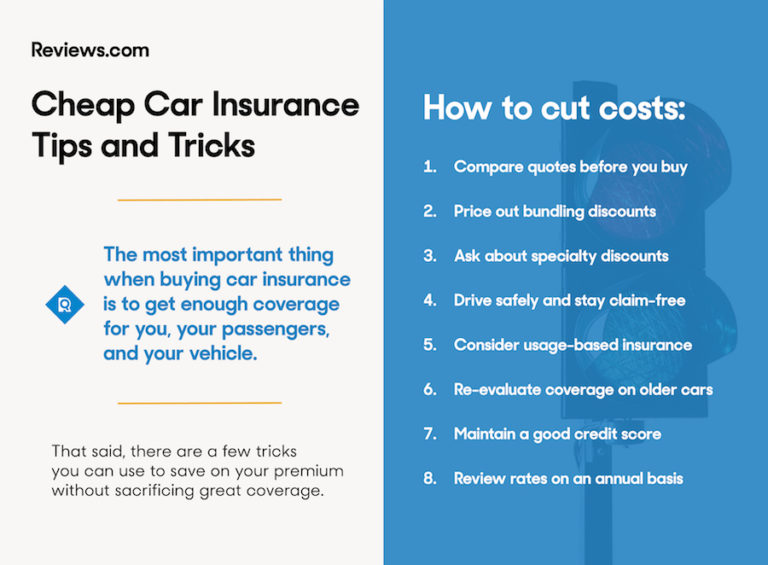
From a money-management perspective, improving your credit score is perhaps the most effective long-term strategy for lowering insurance costs. If you have improved your credit score by 50 or 100 points since you first signed your policy, you may be paying a “risk premium” that no longer applies to your financial profile. Regularly requesting a re-rate after credit improvements can lead to immediate drops in your monthly overhead.
Strategic Selection of Deductibles
The deductible is the amount you pay out-of-pocket before your insurance coverage kicks in. From a financial planning standpoint, your deductible should be viewed as a form of “self-insurance.” By increasing your deductible from $250 to $1,000, you are essentially betting that you won’t have a frequent need for small claims.
The reward for this bet is a significantly lower premium. If you have a healthy emergency fund, it is mathematically advantageous to opt for a higher deductible. The money saved on premiums over two or three years often exceeds the extra $750 you would pay in the event of an accident. This is a classic example of using liquid savings to reduce recurring expenses.
Vehicle Selection and Total Cost of Ownership
True financial literacy involves looking at the “Total Cost of Ownership” (TCO) before making a purchase. The insurance premium for a high-performance sports car or a luxury SUV with specialized parts will be exponentially higher than that of a mid-sized sedan with high safety ratings. Before buying a vehicle, it is prudent to get an insurance quote. A “deal” on a used car can quickly turn into a financial burden if the insurance costs negate the monthly savings on the car loan.
Strategic Comparison Shopping and Market Navigation
The insurance market is highly fragmented and incredibly competitive. However, many consumers fall victim to “price walking”—the phenomenon where insurance companies gradually increase rates on loyal customers while offering lower rates to new acquisitions.
Leveraging Multi-Channel Comparison Tools
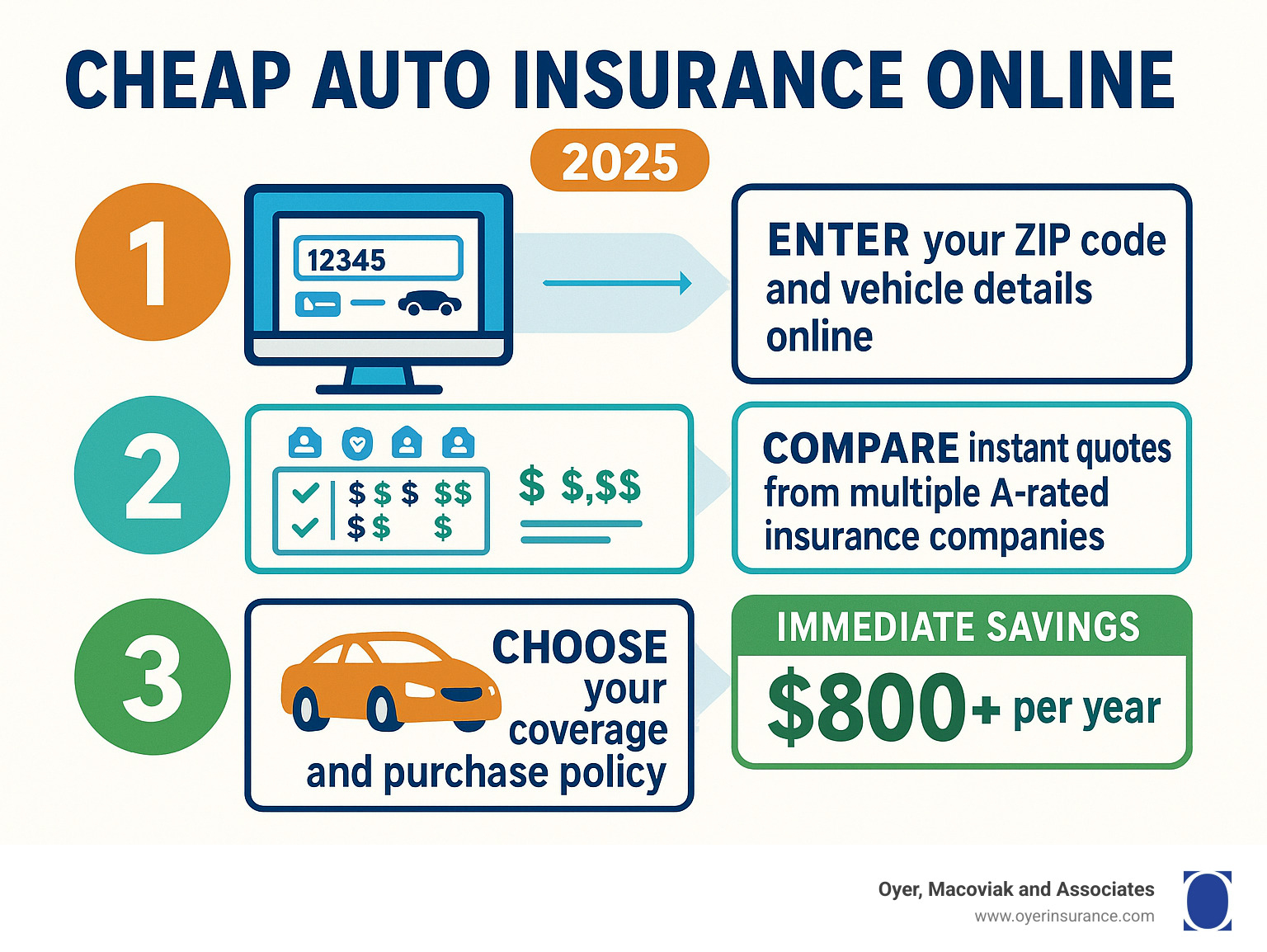
The digital age has democratized access to insurance pricing. To find the most competitive rates, a savvy consumer should utilize comparison platforms that aggregate quotes from dozens of carriers. However, the strategy shouldn’t stop at the first page of results. It is essential to compare “apples to apples”—ensuring that the liability limits, uninsured motorist coverage, and comprehensive options are identical across all quotes.
The Role of Independent vs. Captive Agents
There is a distinct difference between “captive” agents (who work for one specific company like State Farm or Allstate) and “independent” agents (who represent multiple carriers). For those looking to optimize their money, independent agents are often the superior choice. They have the ability to shop your profile across regional and niche insurers that may not have the massive marketing budgets of the “Big Four” but offer significantly lower rates for low-risk drivers.

The Importance of the Annual Policy Audit
In personal finance, inertia is expensive. A policy that was the cheapest three years ago may now be overpriced because the insurer’s “loss ratio” in your specific zip code has changed. Setting a calendar reminder to audit your insurance policy annually ensures that you are always paying the current market rate rather than a legacy rate. This proactive approach forces insurance companies to compete for your business every twelve months.
Maximizing Discounts and Loyalty Infrastructure
Insurance companies offer a plethora of discounts, many of which are not automatically applied. It is the responsibility of the policyholder to identify and claim these financial incentives.
The Power of Bundling and Multi-Policy Strategies
One of the most effective ways to lower the cost of auto insurance is to “bundle” it with other products, such as homeowners, renters, or umbrella insurance. From the insurer’s perspective, a client with multiple policies is less likely to switch to a competitor. Consequently, they offer “multi-line” discounts that can range from 10% to 25% across all policies. When calculating the cost of “cheap” auto insurance, always look at the aggregate cost of your entire insurance portfolio.
Usage-Based Insurance (UBI) and Telematics
For individuals who work from home or have short commutes, “usage-based insurance” represents a significant opportunity for savings. By using a plug-in device or a smartphone app, insurers can track your actual driving habits—mileage, braking patterns, and speed. If you are a safe, low-mileage driver, you are effectively a lower risk. Rather than paying a flat rate based on a demographic average, telematics allows you to pay based on your actual behavior. This is the insurance equivalent of “pay-as-you-go” and can lead to savings of up to 40% for the right driver.
Professional, Academic, and Affinity Affiliations
Many insurance companies have “affinity programs” with specific organizations. This includes alumni associations, professional groups (such as engineers, teachers, or government employees), and even certain credit unions. These group discounts are often substantial. When shopping for insurance, provide a full list of your professional and educational background to see if you qualify for a “niche” rate that the general public cannot access.
Risk Management and Long-Term Asset Protection
The cheapest insurance in the long run is the insurance you never have to use for small incidents. Protecting your “insurability” is just as important as finding a low rate.
Maintaining a Clean Financial and Driving Record
Every moving violation or at-fault accident is a strike against your risk profile. In the eyes of an underwriter, a single speeding ticket can signify a lapse in judgment that increases the probability of a future high-value claim. By maintaining a clean driving record, you qualify for “Good Driver” discounts that can persist for years. Furthermore, many companies offer “accident forgiveness” programs; while these might slightly increase the premium, they protect your budget from a massive rate hike following a single mistake.
The Economics of Reducing Coverage on Older Vehicles
As a vehicle depreciates, the financial utility of “Collision” and “Comprehensive” coverage diminishes. A common rule of thumb in personal finance is the “10% rule”: if the annual cost of your collision and comprehensive coverage exceeds 10% of the vehicle’s actual cash value, it may be time to drop those coverages. If your car is worth $3,000 and you are paying $400 a year for full coverage with a $500 deductible, you are effectively paying a high premium for a very small potential payout. Redirecting those premiums into a dedicated car-replacement fund is often the smarter financial move.
Improving Vehicle Security and Safety Profiles
Investing in the security of your vehicle can pay dividends in lower insurance costs. Anti-theft devices, GPS tracking systems, and advanced safety features (like automatic emergency braking) reduce the likelihood of the insurer having to pay out a claim for theft or medical expenses. Many insurers offer specific discounts for these features. When upgrading your vehicle or adding security measures, notify your agent immediately to ensure your premium reflects the reduced risk.
Conclusion: Insurance as a Pillar of Financial Wellness
Achieving cheap auto insurance is not a matter of luck; it is a matter of diligent financial management. By understanding the variables that drive costs—from credit scores and deductibles to bundling and telematics—you can transform a standard monthly bill into a streamlined component of your personal budget.
The money saved through these strategies is not merely “extra cash”; it is capital that can be redirected toward debt repayment, retirement contributions, or other wealth-building vehicles. In the grand scheme of personal finance, minimizing the cost of necessary protections like auto insurance is one of the simplest and most effective ways to increase your net cash flow. By staying informed, shopping strategically, and managing your risk profile, you ensure that your insurance works for your financial future, rather than against it.
aViewFromTheCave is a participant in the Amazon Services LLC Associates Program, an affiliate advertising program designed to provide a means for sites to earn advertising fees by advertising and linking to Amazon.com. Amazon, the Amazon logo, AmazonSupply, and the AmazonSupply logo are trademarks of Amazon.com, Inc. or its affiliates. As an Amazon Associate we earn affiliate commissions from qualifying purchases.