
In the landscape of modern manufacturing, the methods used to protect and finish products are as critical as the internal components themselves. From the sleek casing of a high-performance workstation to the rugged chassis of an electric vehicle, the durability and aesthetic appeal of hardware rely on advanced material science. One of the most significant breakthroughs in industrial technology over the last half-century is powder coating.
Unlike traditional liquid finishes, powder coating is a dry finishing process that has revolutionized how we approach surface integrity. It represents a sophisticated intersection of physics, chemistry, and mechanical engineering. By leveraging electrostatic charges and thermal cross-linking, powder coating provides a level of protection that liquid paint simply cannot match. This article explores the technical foundations, chemical compositions, and the future of powder coating as a pivotal technology in the global industrial ecosystem.
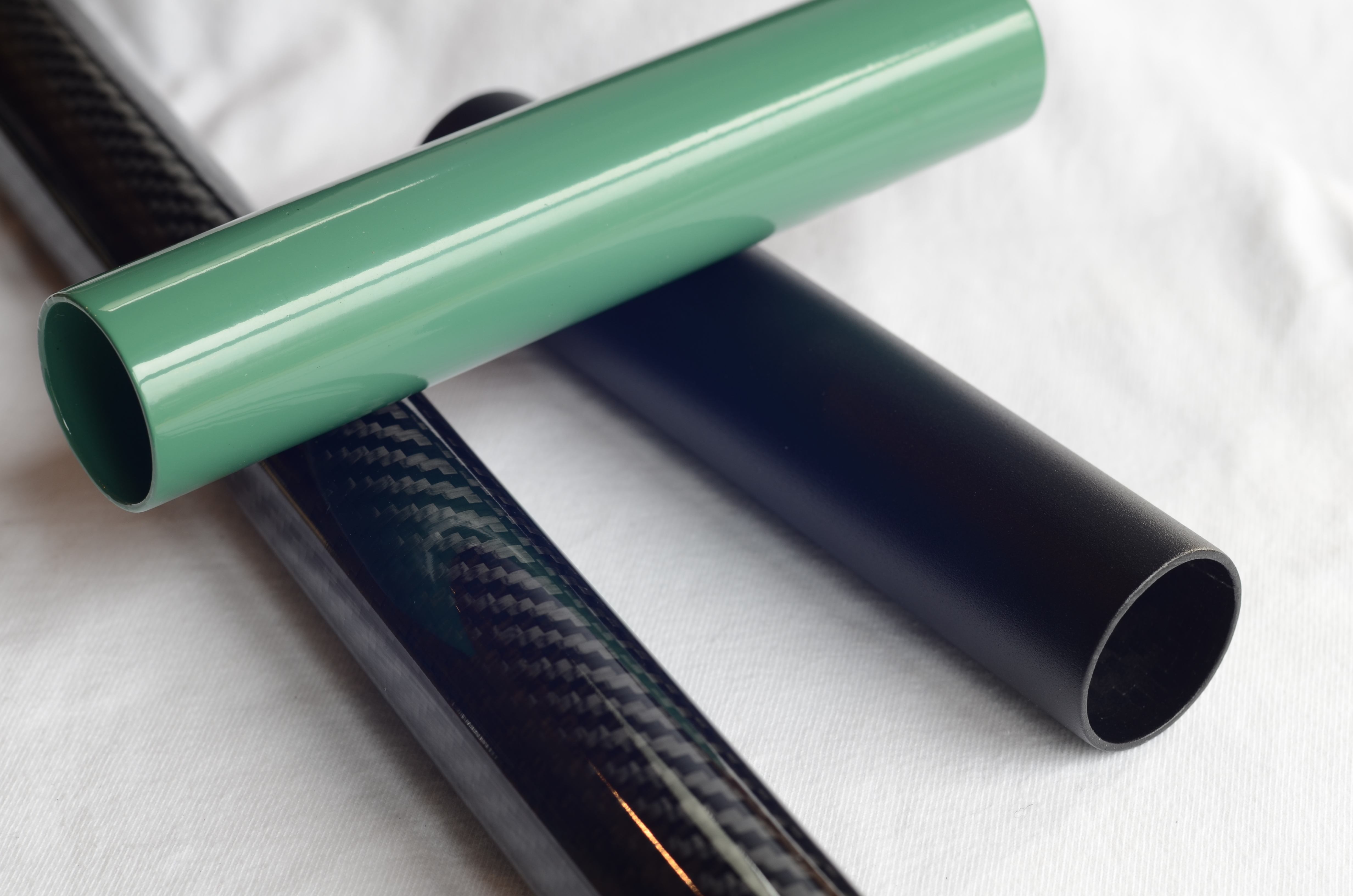
The Electrostatic Evolution: How Powder Coating Works
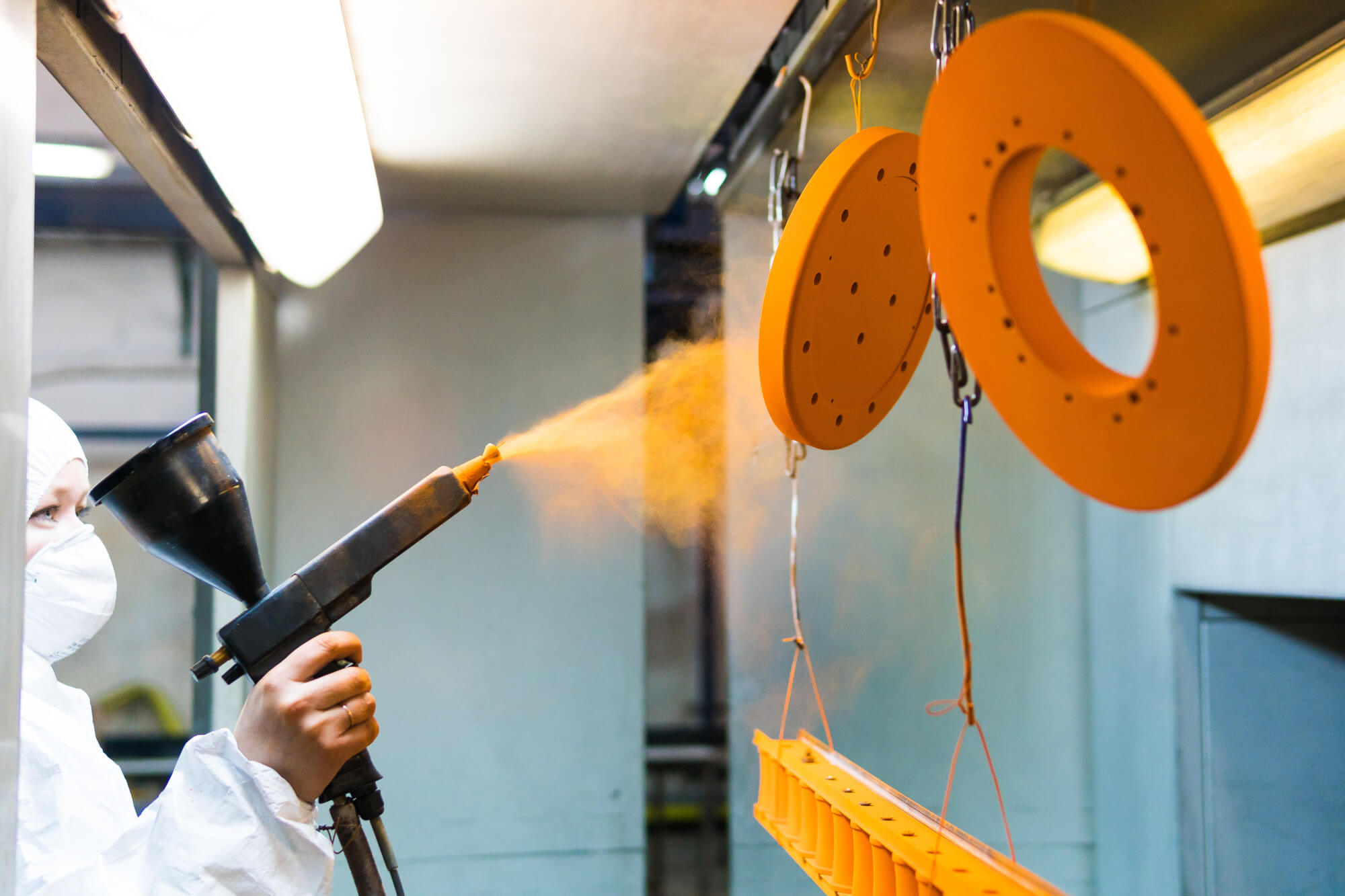
At its technical core, powder coating is based on the principle of electrostatic attraction. While traditional painting relies on solvents to carry pigments to a surface, powder coating utilizes a dry, finely ground media that is propelled by compressed air and guided by an electric field.
Electrostatic Spray Deposition (ESD)
The most common application method is Electrostatic Spray Deposition (ESD). During this process, the powder—consisting of resin, pigments, and additives—is fed through a specialized spray gun. As the powder exits the nozzle, it passes through an electrode that imparts a positive or negative electrical charge to the particles.
The component being coated is grounded, creating an electrical differential between the powder and the substrate. This creates a “wrap” effect, where the charged particles are pulled toward the object, even reaching the back and hidden crevices of complex geometries. This ensures a uniform thickness that is notoriously difficult to achieve with liquid sprays, which are prone to runs, drips, and uneven thinning.
The Curing Process and Polymerization
Once the powder is applied, the component enters a curing oven. This is where the true “tech” of the finish occurs. The heat causes the powder to melt and flow into a continuous film. However, it isn’t just melting; it is undergoing a chemical reaction known as cross-linking.
In thermosetting powders, the heat triggers a permanent chemical change that links the polymer chains together into a dense, net-like structure. Once this process is complete, the coating cannot be remelted. This molecular bond is what gives powder-coated surfaces their legendary resistance to heat, chemicals, and mechanical impact.
Material Science: The Chemistry of Modern Powders
To understand why powder coating is a superior technology, one must look at the chemical formulations of the media itself. Different technological applications require specific resin chemistries tailored to their environment.
Epoxy vs. Polyester Resins
Epoxies were the first powders to gain industrial prominence. They offer exceptional hardness and chemical resistance, making them ideal for functional tech applications like underground piping or internal machine components. However, epoxies are sensitive to UV radiation, which causes them to “chalk” or degrade when exposed to sunlight.
To solve this, material scientists developed Polyesters and Super-Durable Polyesters. These utilize advanced TGIC (Triglycidyl Isocyanurate) or TGIC-free cross-linkers that provide excellent weatherability. In the tech sector, these are used for outdoor telecommunications enclosures and automotive hardware where both aesthetic longevity and structural protection are paramount.
Hybrids and Specialized Fluoropolymers
For high-tech environments, “hybrid” coatings combine epoxy and polyester resins to balance the benefits of both. Furthermore, the development of Fluoropolymers (similar to the technology used in non-stick coatings) has pushed the boundaries of durability. These hyper-stable coatings are used in architectural technology and aerospace, where finishes must withstand extreme UV exposure and atmospheric corrosion for decades without degradation.
Precision Engineering and Performance Metrics

In the world of hardware manufacturing and gadgetry, precision is everything. Powder coating is not merely an “aesthetic choice”; it is an engineered barrier that must meet rigorous performance specifications.
Micron-Level Thickness Control
Modern powder coating systems allow engineers to specify thickness with extreme precision, usually measured in microns (µm). A typical decorative coating might range from 60 to 80 microns, while functional “high-build” coatings for industrial tech can exceed 300 microns. The ability to maintain a consistent film thickness across a mass-produced batch of components ensures that parts fit within their mechanical tolerances—a critical factor in high-end electronics and automotive assembly.
Hardness and Impact Resistance
The “Tech” value of a finish is often measured by its Pencil Hardness (ASTM D3363) and Impact Resistance (ASTM D2794). Powder coatings consistently score higher than liquid paints in these tests. The cross-linked polymer matrix allows the finish to flex slightly with the substrate while maintaining a surface that is incredibly difficult to scratch or chip. For consumer electronics, this means products that look “new” for a longer portion of their lifecycle, reducing the need for premature replacement.
The Digital Transformation: Automation and AI in the Coating Booth
As Industry 4.0 matures, powder coating is moving away from manual application and toward fully automated, data-driven systems. This digital transformation is significantly increasing efficiency and reducing material waste.
Robotic Application Systems
Advanced manufacturing facilities now utilize multi-axis robotic arms equipped with sensors that detect the shape and size of the part in real-time. These robots adjust their movement speed and powder flow rates instantaneously to ensure the most efficient application possible. This level of automation eliminates human error and ensures that every unit—whether it’s the first or the ten-thousandth—meets the exact same technical standard.
Smart Curing and IoT Integration
The curing oven is no longer just a “hot box.” Modern industrial ovens are integrated with the Internet of Things (IoT). Infrared sensors monitor the surface temperature of the parts (not just the air temperature), ensuring that the cross-linking reaction is fully completed without over-baking, which can lead to brittleness. Data from these sensors is fed back into a centralized management system, allowing for predictive maintenance and real-time optimization of energy consumption.
Sustainable Manufacturing: The Tech-Driven Move Toward VOC-Free Finishes
In the modern tech industry, sustainability is a core metric of innovation. One of the most compelling technological advantages of powder coating is its environmental profile, specifically regarding Volatile Organic Compounds (VOCs).
Elimination of Solvents
Liquid paints require solvents—chemicals that evaporate as the paint dries, releasing VOCs into the atmosphere. These compounds are a primary source of industrial air pollution and pose health risks to workers. Because powder coating is a dry process, it contains virtually zero solvents. This makes it the “greenest” finishing technology available, allowing tech companies to meet stringent environmental regulations and ESG (Environmental, Social, and Governance) goals.
The Circular Economy of Overspray
Another technological feat of the powder coating process is its reclaimability. In a liquid spray booth, “overspray” (paint that misses the part) is wasted and becomes hazardous sludge. In a powder booth, a specialized recovery system—utilizing cyclones and cartridge filters—collects the overspray. This reclaimed powder can then be mixed with “virgin” powder and reused. In a high-efficiency tech manufacturing plant, material utilization rates can reach 95% to 98%, a figure that is impossible to achieve with liquid-based systems.
The Future of Finishing: Low-Temp Curing and Conductive Coatings
As we look toward the future of hardware, powder coat technology continues to evolve. Two areas of significant research are low-temperature curing and specialized functional powders.
Expanding Beyond Metal
Traditionally, powder coating was limited to substrates that could withstand the high heat of the curing oven (mostly metals). However, new “Low-Temp Cure” (LTC) powders are being developed that react at much lower temperatures or via UV light. This opens the door for powder-coating heat-sensitive materials like engineered plastics, composites, and even medium-density fiberboard (MDF). This allows tech designers to apply the durability of powder coating to a wider range of hardware materials.
Functional and Conductive Powders
The next frontier is “smart” coatings. Scientists are experimenting with powders that incorporate conductive materials to provide EMI/RFI shielding—essential for sensitive electronic components. Others are developing antimicrobial powder coatings for medical technology and touch-screen kiosks.
In conclusion, powder coating is far more than a “coat of paint.” It is a sophisticated, technology-driven solution for the challenges of modern manufacturing. Through its unique electrostatic application, cross-linked chemical durability, and integration with robotic automation, it provides a superior finish that meets the high-performance demands of the global tech industry. As we move toward more sustainable and automated production models, powder coating remains at the forefront of industrial innovation.
aViewFromTheCave is a participant in the Amazon Services LLC Associates Program, an affiliate advertising program designed to provide a means for sites to earn advertising fees by advertising and linking to Amazon.com. Amazon, the Amazon logo, AmazonSupply, and the AmazonSupply logo are trademarks of Amazon.com, Inc. or its affiliates. As an Amazon Associate we earn affiliate commissions from qualifying purchases.