
At the surface level, the answer to the question “what is the country code for USA telephone numbers” is remarkably simple: it is +1. However, within the realm of information technology and global telecommunications infrastructure, this single digit represents a sophisticated architecture known as the North American Numbering Plan (NANP). Far more than just a prefix for international dialing, the USA country code is the cornerstone of a complex digital ecosystem that facilitates billions of data packets, voice signals, and security verifications every single day.
For tech professionals, software developers, and digital architects, understanding the “how” and “why” behind this numbering system is essential. It is the foundation upon which we build Voice over IP (VoIP) systems, implement two-factor authentication (2FA), and manage global cloud communications.
The Engineering Behind the North American Numbering Plan (NANP)
The USA country code is not an isolated identifier; it is a shared resource under the NANP, which includes 20 different countries, primarily in North America and the Caribbean. This system was originally developed in the 1940s by AT&T and Bell Labs to simplify and automate the direct dialing of long-distance calls, replacing the manual switchboard operators of the early 20th century.
The Genesis of the “1” Prefix
The assignment of “+1” to the United States and its territories was not arbitrary. In the early days of the International Telecommunication Union (ITU), codes were assigned based on technological infrastructure and geographical reach. As the pioneer of large-scale telecommunications, the USA was integrated into Zone 1.
From a technical standpoint, the “+1” serves as the Country Calling Code under the ITU-T E.164 recommendation. This international standard defines the numbering plan for the worldwide public switched telephone network (PSTN). The E.164 format ensures that every device on the planet has a unique URI (Uniform Resource Identifier), allowing routers and switches to direct traffic with surgical precision across borders.
How Central Office Codes and Area Codes Route Data
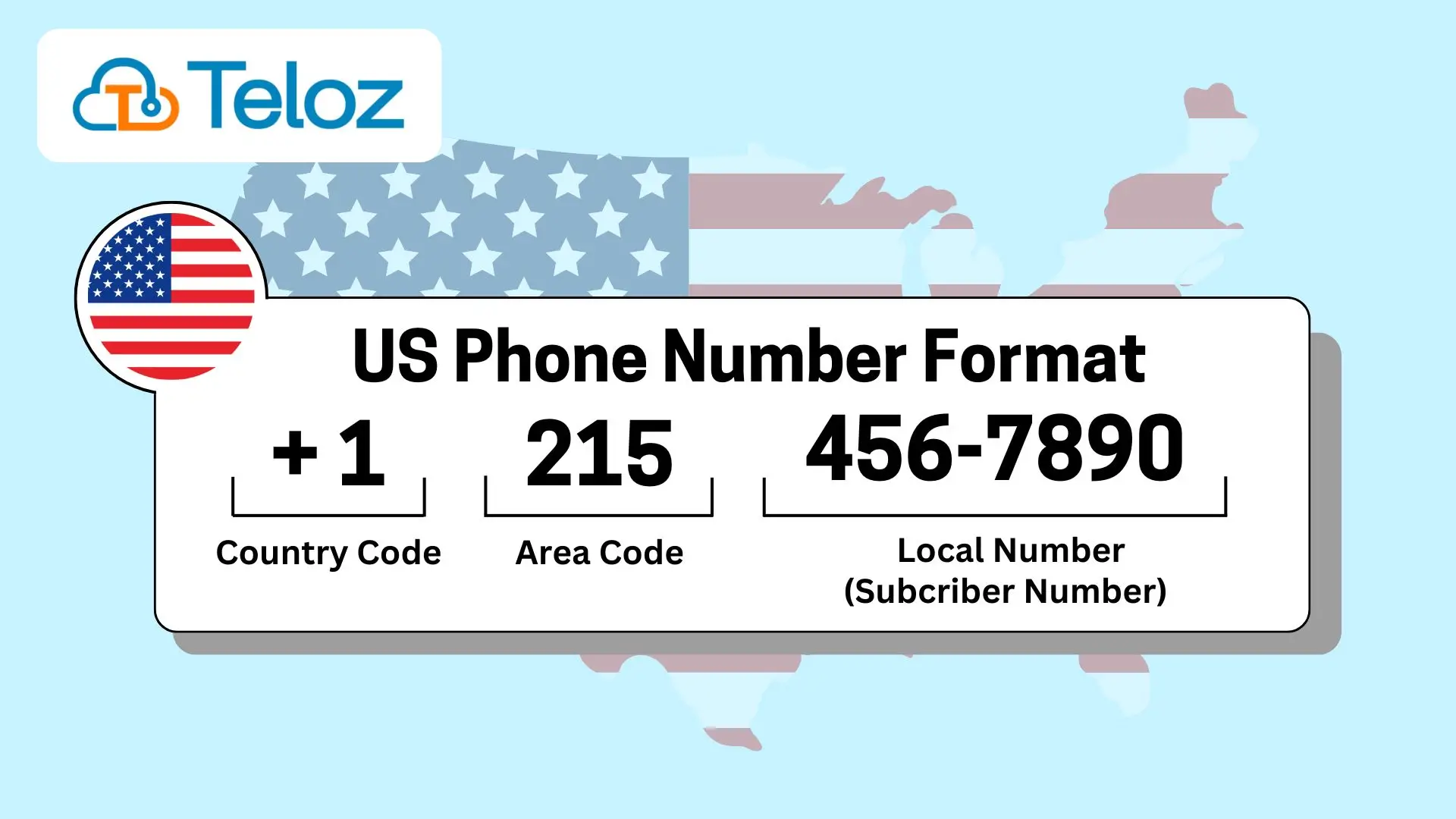
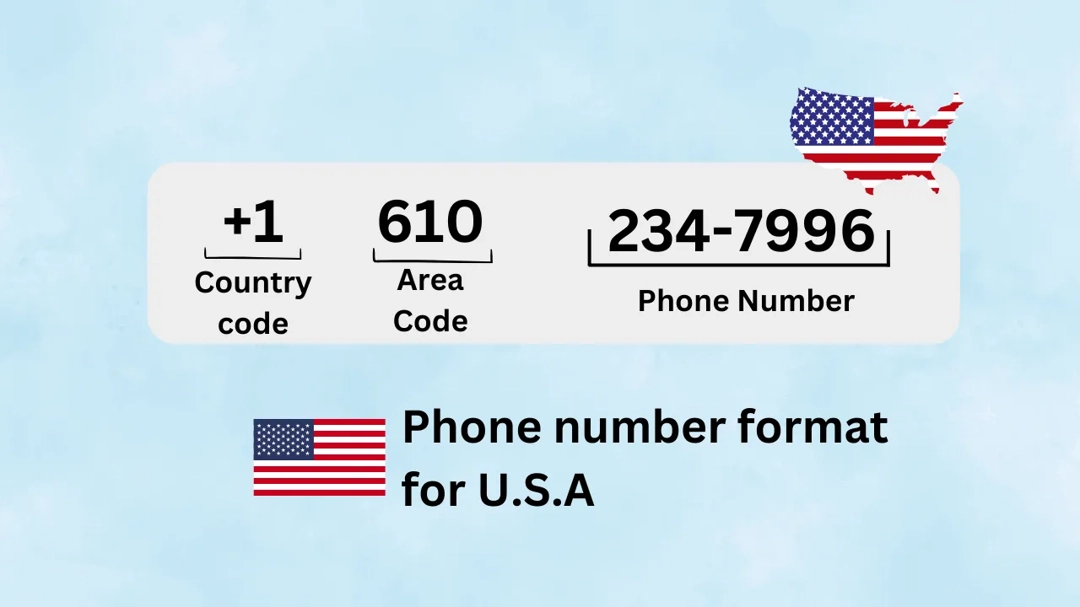
The structure of a USA phone number following the +1 code is a masterpiece of logical routing. A standard number is formatted as +1 (NPA) NXX-XXXX.
- NPA (Numbering Plan Area): Commonly known as the area code. In the tech stack, the NPA acts as the first layer of geographic routing, identifying the specific regional gateway.
- NXX (Central Office Code): This identifies the specific switch or exchange to which the number is assigned.
- Line Number: The final four digits identify the specific subscriber line within that exchange.
In modern networking, these segments are used by Signaling System No. 7 (SS7) or Diameter protocols to perform lookups in global databases. When you dial a +1 number, the network doesn’t just “ring a phone”; it queries a Home Location Register (HLR) or a Visitor Location Register (VLR) to determine the current technical “address” of that device, whether it is a physical copper wire or a virtualized node in a data center.
The Evolution from Analog Switching to Digital VoIP Infrastructure
As we have moved away from the copper-wire era, the USA country code has transitioned from a physical location marker to a software-defined variable. The rise of Voice over Internet Protocol (VoIP) has fundamentally changed how the +1 code is processed.
Virtualization of the Telephone Number
In the modern tech landscape, a +1 telephone number is often a “virtual” asset. Services like Twilio, Google Voice, and Zoom Phone allow users to provision USA country code numbers regardless of their physical location. This is made possible through SIP (Session Initiation Protocol) trunking.
When a call is made to a +1 number today, it is frequently converted into data packets at a gateway. These packets travel over the internet using the Real-time Transport Protocol (RTP). The country code, in this context, serves as a high-level routing instruction for the SIP server to bridge the internet-based call with the traditional PSTN. This virtualization allows for “presence” engineering, where a company in Singapore can operate via a +1 number to provide local-rate access to US-based clients.
The Role of SIP Trunking in Global Connectivity
SIP trunking is the digital successor to traditional T1 lines. It allows for the transmission of voice, video, and messaging over a single data connection. For developers building communication apps, the +1 country code is a parameter in an API call. When integrating a communications API, the developer specifies the country code to ensure the platform utilizes the correct regional carrier regulations and avoids prohibitive international termination rates.
The technical complexity here involves “least-cost routing” (LCR). Modern telecommunications software analyzes the +1 prefix and the subsequent area code to determine the most efficient and cost-effective digital path to deliver the call, often hopping through various internet exchange points (IXPs) to minimize latency and jitter.
Security Protocols and the Vulnerabilities of the Country Code System
While the +1 country code facilitates global connection, it is also a focal point for digital security and cybersecurity challenges. Because the USA is a major hub for global finance and tech, its numbering plan is a frequent target for exploitation.
Caller ID Spoofing and Protocol Loopholes
One of the primary technical flaws in the legacy PSTN is the lack of inherent verification for the “From” field in a call header. This allows for “spoofing,” where an attacker can make a call appear as if it is originating from a trusted +1 USA number.
To combat this, the tech industry has implemented the STIR/SHAKEN framework (Secure Telephone Identity Revisited/Signature-based Handling of Asserted Information Using toKENs). This is a suite of protocols that uses digital certificates to “sign” calls. When a call with a +1 code enters a network, the receiving carrier checks the cryptographic signature to verify that the caller is who they claim to be. For software engineers, this represents a significant shift toward a “Zero Trust” architecture within telecommunications.
Two-Factor Authentication (2FA) and Mobile Identity
The +1 country code is arguably the most common identifier used in SMS-based two-factor authentication. When you log into a secure server, the system sends a code to your +1 mobile number.
However, tech-savvy users must be aware of “SIM swapping” attacks. In this scenario, a hacker redirects the +1 number to a different SIM card by exploiting vulnerabilities in carrier customer service protocols. As a result, the tech industry is moving away from SMS-based +1 verification in favor of TOTP (Time-based One-Time Password) apps and hardware security keys like YubiKeys. The telephone number is increasingly viewed as an “unreliable” identifier for high-security environments because it was never designed with modern encryption in mind.
The Impact of eSIM and 5G on International Communication
The future of the USA country code lies in the shift toward software-defined connectivity through eSIM technology and the ultra-low latency of 5G networks.
Software-Defined Connectivity
The physical SIM card is becoming obsolete. With eSIM (embedded SIM) technology, a device can be programmed with a +1 USA country code over-the-air (OTA). This is a massive leap for the Internet of Things (IoT). A fleet of industrial sensors manufactured in Germany can be shipped to a factory in Ohio and instantly provisioned with USA numbering and data plans via a remote provisioning server.
From a technical perspective, this involves the GSMA’s Remote SIM Provisioning (RSP) architecture. It allows for the secure download of a “profile” that contains the credentials necessary to connect to US carriers. This turns the country code into a dynamic software asset that can be updated or swapped based on geographical triggers or network availability.
The Integration of IoT and Global Numbering Schemes
As we move toward a world with billions of connected devices, the +1 numbering plan faces a “scaling” challenge. Just as the internet moved from IPv4 to IPv6 to accommodate more addresses, the telecommunications industry is constantly managing the depletion of available numbers within the +1 code.
Tech innovations in “number pooling” and the use of overlay area codes are temporary fixes. The long-term tech trend is the convergence of the telephone number with other digital identities. In the future, your +1 “number” may simply be a legacy alias for a decentralized identifier (DID) stored on a blockchain or a unified communication handle that works across all protocols—voice, video, and data.
Conclusion
The USA country code, +1, is far more than a simple prefix for dialing home. It is a critical component of a globalized digital infrastructure. From its origins in the early days of automated switching to its current role in VoIP, 5G, and cybersecurity, the +1 code represents the intersection of legacy telecommunications and cutting-edge software engineering.
For those navigating the tech world, understanding the mechanics of the NANP and the protocols like STIR/SHAKEN and SIP that govern it is essential. As we continue to virtualize our communication and move toward a more secure, software-defined future, the +1 country code will remain a vital link in the chain of global connectivity, serving as a digital bridge between the physical and the virtual worlds.
aViewFromTheCave is a participant in the Amazon Services LLC Associates Program, an affiliate advertising program designed to provide a means for sites to earn advertising fees by advertising and linking to Amazon.com. Amazon, the Amazon logo, AmazonSupply, and the AmazonSupply logo are trademarks of Amazon.com, Inc. or its affiliates. As an Amazon Associate we earn affiliate commissions from qualifying purchases.