
In the complex and often fragmented world of global commerce, the chemical industry stands as a foundational pillar. Yet, for many years, companies within this sector operated under a purely “product-first” mentality. The prevailing wisdom was that if you produced a high-quality polymer, reagent, or catalyst at a competitive price, the market would naturally follow. However, as the global landscape shifts toward commoditization, increased regulatory scrutiny, and a digital-first procurement process, the traditional sales model is no longer enough. To survive and thrive, chemical enterprises must adopt sophisticated brand strategies. Central to this evolution is the “STP” framework: Segmentation, Targeting, and Positioning.

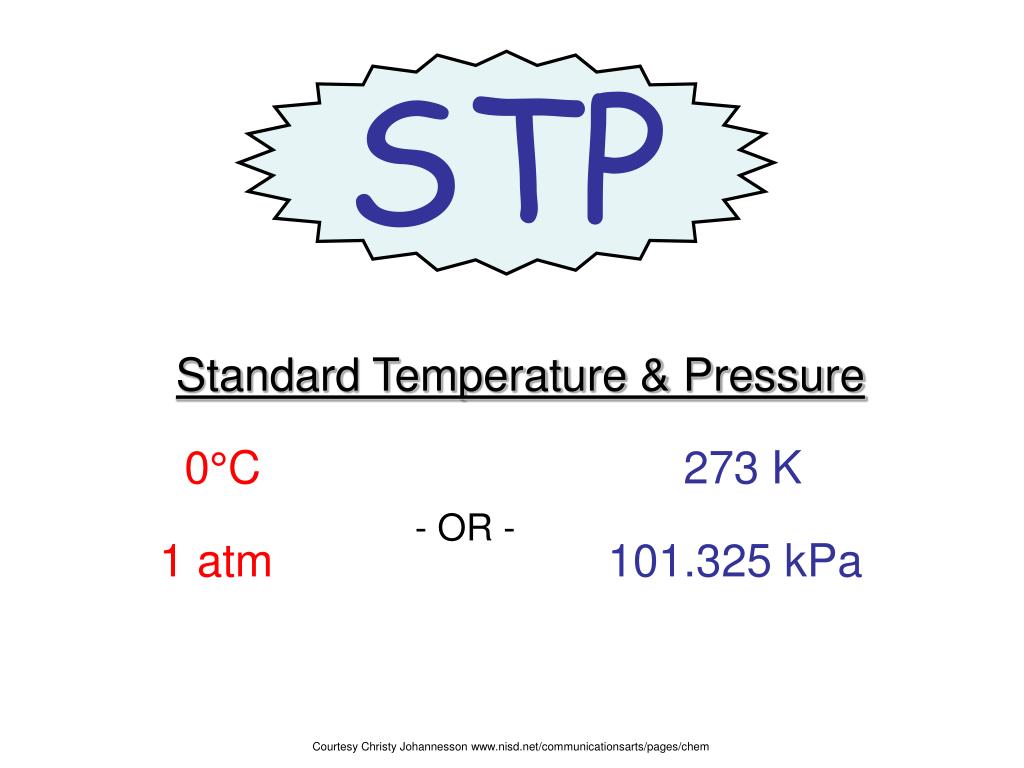
While “STP” in a laboratory setting might refer to Standard Temperature and Pressure, in the boardroom of a modern chemical enterprise, it refers to the strategic engine that drives market share and brand equity. This article explores how the STP model transforms “STP Chem” from a scientific notation into a powerful brand strategy that differentiates industry leaders from those trapped in a race to the bottom.
Understanding the STP Framework in a B2B Chemical Context
The STP model is a three-step process that allows a brand to narrow its focus and deliver higher value to specific subsets of the market. In the chemical industry—a sector characterized by high capital expenditure and long-term contracts—the application of STP is more critical than in almost any other B2B field.
The Shift from Product-Centric to Market-Centric Strategies
Traditionally, chemical firms focused on “what” they produced. A company was a “sulfuric acid producer” or a “specialty resin manufacturer.” This product-centricity often led to a lack of brand differentiation. When every competitor claims to have the purest grade of a chemical, the only remaining lever is price.
By adopting the STP framework, a chemical brand shifts its perspective to “who” it serves and “why” its solution is superior for that specific user. This transition is essential because the modern chemical buyer—often a professional procurement officer or an R&D head—is looking for more than a substance; they are looking for a reliable partner who understands their specific regulatory, logistical, and technical challenges.
Why Chemical Brands Need STP Today
The “Chem” sector is currently facing a “perfect storm” of challenges. Supply chain volatility, the green energy transition, and the rise of agile competitors in emerging markets have made the old “commodity” mindset risky. STP provides a structured way to identify the most profitable opportunities. It allows a brand to move away from being a “vendor” and toward being a “strategic partner.” This shift is the essence of modern branding: creating a perception of unique value that justifies premium pricing and fosters long-term loyalty.
Phase 1: Market Segmentation (The “S” in STP)
Segmentation is the process of dividing the total market into smaller groups of buyers with distinct needs, characteristics, or behaviors. In the chemical industry, the “market” is far too large and diverse to approach with a single brand message. A company that sells lubricants to both the aerospace industry and the local automotive repair sector cannot use the same brand strategy for both.
Geographic and Demographic Segmentation
In the chemical world, geography is often a primary segmentation variable due to logistics and regulations. Shipping hazardous materials across borders involves different compliance costs and lead times. A brand might segment its market by “North American Pharmaceutical Manufacturers” versus “Southeast Asian Agricultural Firms.”
Demographically—or “firmographically” in a B2B context—segmentation might be based on company size, revenue, or industry vertical. For instance, a chemical brand might find that its high-cost, high-performance additives are perfectly suited for Fortune 500 electronics manufacturers, while its standard-grade solvents are better suited for medium-sized paint producers.
Psychographic and Behavioral Variables in Industrial Buying
Perhaps the most overlooked aspect of chemical branding is psychographic and behavioral segmentation. This involves understanding the motivation of the buyer.
- Risk-Averse Buyers: These are organizations that value safety and reliability above all else. They are willing to pay a premium for a brand that offers “zero-failure” guarantees and extensive documentation.
- Innovation-Driven Buyers: These clients are looking for the latest molecular breakthroughs to help them launch their own new products. They value a brand that positions itself as an R&D powerhouse.
- Efficiency-Focused Buyers: These segments prioritize logistics, ease of ordering, and “just-in-time” delivery.
By identifying these behaviors, a chemical brand can tailor its service offerings and communications to speak directly to the pain points of each group.
Phase 2: Strategic Targeting (The “T” in STP)
Once the market has been segmented, the next step is targeting: deciding which of those segments are most attractive and which the brand can realistically serve. In the chemical industry, trying to be everything to everyone often leads to operational inefficiency and a diluted brand identity.
Evaluating Segment Attractiveness
A chemical brand must evaluate segments based on several factors:
- Profitability: Does the segment offer high enough margins to justify the R&D or logistics costs?
- Growth Potential: Is the segment expanding (e.g., chemicals for EV batteries) or shrinking (e.g., traditional coal-related chemicals)?
- Competitive Intensity: Is the segment already crowded with dominant players, or is there a “white space” where a new brand can establish itself?
Niche vs. Mass Market Targeting in Specialty Chemicals
One of the most effective brand strategies in the chemical sector is “Niche Targeting.” Instead of competing with global giants in the bulk commodity market, a brand can focus on a highly specialized niche—such as biodegradable coatings for medical devices.
By targeting a niche, the brand can establish itself as the undisputed expert. This specialization becomes a core part of the brand’s identity. When a customer thinks of “specialty medical coatings,” they should immediately think of that specific brand. This targeted approach allows for a “premiumization” of the brand, moving it away from the price-sensitive mass market.
Phase 3: Brand Positioning (The “P” in STP)
Positioning is the final and most crucial step. It is the act of designing the company’s offering and image to occupy a distinctive place in the mind of the target market. If segmentation and targeting are about finding the right audience, positioning is about telling that audience why they should care about you.
Developing a Unique Value Proposition (UVP)
A chemical brand’s UVP must be clear, concise, and defensible. It is not enough to say “we have the best chemicals.” A strong positioning statement might look like this: “The most reliable provider of high-purity solvents for the European semiconductor industry, offering 24-hour technical support and 100% regulatory compliance.”
This positioning addresses a specific segment (semiconductors in Europe) and offers specific benefits (reliability, support, compliance). It creates a “mental map” for the customer. When a semiconductor plant manager has a compliance issue, they know exactly which brand to call because that brand has positioned itself as the solution to that exact problem.
Communicating Sustainability and Innovation as Differentiators
In the current era, “Green Chemistry” has become a central pillar of brand positioning. As ESG (Environmental, Social, and Governance) criteria become mandatory for many large corporations, chemical brands that position themselves as “sustainable” or “circular” gain a massive competitive advantage.
Positioning a brand as a leader in sustainability involves more than just a green logo. It requires a deep integration of sustainable practices into the brand narrative—from carbon-neutral manufacturing processes to bio-based feedstocks. This positioning allows the brand to align with the values of its customers, creating an emotional and ethical connection that transcends the transactional nature of chemical sales.
Case Studies and Implementation Challenges
Implementing an STP strategy in a traditional chemical firm is not without its hurdles. It requires a cultural shift from the production floor to the sales office.
Digital Transformation in Chemical Brand Strategy
The “STP Chem” approach is increasingly driven by data. Digital tools now allow chemical brands to track buyer behavior more accurately than ever before. Through CRM (Customer Relationship Management) data and web analytics, brands can see which segments are engaging with their technical white papers or requesting samples. This data allows for “Micro-STP,” where a brand can create highly personalized marketing campaigns for very specific sub-groups of buyers, further strengthening the brand’s relevance.
Measuring the ROI of STP Initiatives
One of the challenges in B2B branding is measuring success. Unlike consumer goods, where a “brand lift” is seen in immediate retail sales, chemical branding is a long game. Success is measured by:
- Market Share in Target Segments: Is the brand becoming the preferred choice in the chosen niche?
- Price Premium: Is the brand able to maintain higher margins than “unbranded” commodity competitors?
- Customer Lifetime Value (CLV): Are customers in the target segments staying longer and purchasing more frequently?
By focusing on these metrics, a chemical company can validate its investment in the STP framework and continue to refine its brand strategy over time.

Conclusion: The Future of “STP Chem”
As the chemical industry enters a new era of transparency and specialization, the “STP” framework provides a roadmap for sustainable growth. By moving beyond the lab and into the mind of the customer, chemical companies can transform their identity from providers of raw materials to architects of industrial solutions.
In the “STP Chem” model, Segmentation uncovers the opportunities, Targeting focuses the resources, and Positioning builds the brand. For the chemical leader of tomorrow, branding is no longer a peripheral activity; it is the core strategy that ensures their molecules matter in a crowded, competitive, and ever-changing global market. Those who master the art of STP will not just sell chemicals—they will build legacies.
aViewFromTheCave is a participant in the Amazon Services LLC Associates Program, an affiliate advertising program designed to provide a means for sites to earn advertising fees by advertising and linking to Amazon.com. Amazon, the Amazon logo, AmazonSupply, and the AmazonSupply logo are trademarks of Amazon.com, Inc. or its affiliates. As an Amazon Associate we earn affiliate commissions from qualifying purchases.