
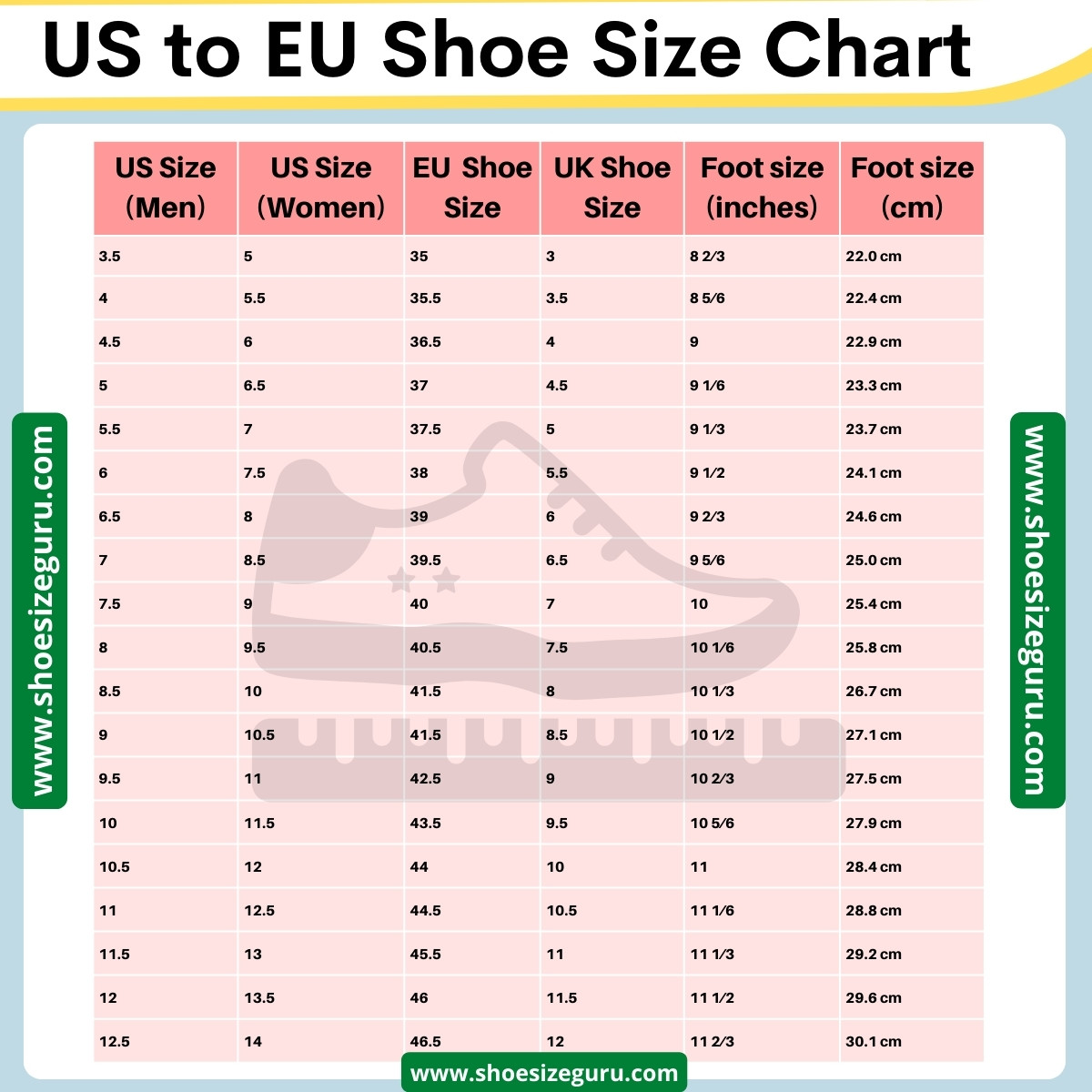
In the world of international commerce, a “size 10” is rarely just a number on a tag; it is a complex data point that represents a significant financial variable. For businesses looking to scale across the Atlantic, the transition from North American or British markets into the European Union involves more than just currency conversion. It requires a deep understanding of sizing standards—specifically how a US size 10 translates into a European 40 or 42—and the profound economic consequences that stem from getting this translation wrong. In an era where cross-border e-commerce is a multi-billion dollar industry, the discrepancy between international sizing standards has become a critical factor affecting profit margins, logistics costs, and brand equity.
The Economics of Cross-Border E-Commerce and Sizing Disparity
The financial health of any retail enterprise expanding into Europe is tethered to its ability to manage inventory accurately. When a consumer searches for “what is a size 10 in Europe,” they are often at the final stage of the conversion funnel. If the merchant provides an inaccurate translation, the resulting financial “reverse logistics” can be devastating to the bottom line.
The True Cost of International Returns
In the European market, particularly in high-volume regions like Germany and the Netherlands, return rates for apparel can hover between 30% and 50%. A significant portion of these returns is attributed to “fit issues,” often caused by the confusion between US size 10, UK size 10, and the various European iterations (such as Italian vs. French sizing).
From a financial perspective, a return isn’t just a lost sale. It involves:
- Outbound Shipping Subsidies: Many competitive brands offer free shipping, which becomes a sunk cost.
- Reverse Logistics Fees: The cost of shipping the item back to a distribution center.
- Restocking and Quality Control: Labor costs associated with inspecting the garment for wear and tear.
- Depreciation: Fashion is a perishable commodity. Every day a “size 10” dress is in transit during a return cycle, its market value decreases as the season progresses.
Customer Acquisition Cost (CAC) and Lifetime Value
A mismatch in sizing standards directly inflates the Customer Acquisition Cost. If a company spends $50 in marketing to acquire a customer who buys a “size 10” that doesn’t fit, and that customer never returns due to frustration, the Lifetime Value (LTV) of that customer drops to zero. Conversely, businesses that master the “Size 10 to Europe” conversion see a marked increase in repeat purchase rates, effectively lowering their long-term marketing spend and stabilizing cash flow.
Financial Strategies for Small Businesses Expanding into European Retail
For small to medium-sized enterprises (SMEs), the move into the European market is a significant capital investment. Navigating the “Size 10” conundrum is not just a customer service task; it is a strategic financial move that requires careful budgeting and market analysis.
Standardizing Inventory to Reduce Overhead
One of the most effective financial strategies for SMEs is the standardization of SKU (Stock Keeping Unit) architecture. When managing a global inventory, a business must decide whether to relabel products for the European market or maintain original labels with a digital conversion tool.
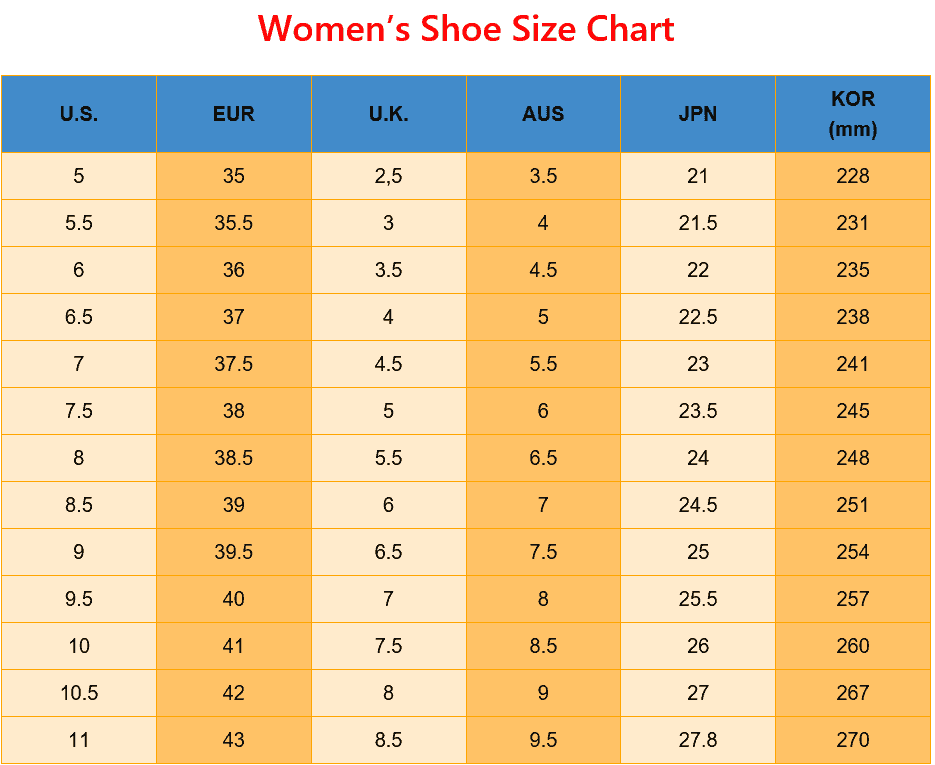
Relabeling requires an upfront capital expenditure (CapEx), but it often reduces the long-term operational expenditure (OpEx) by minimizing customer confusion at the point of sale. A US size 10, which typically equates to a European 40 or 42 depending on the country (French and Italian sizes differ from the standard Euro size), must be clearly identified in the warehouse management system to ensure that the correct physical product is shipped to the correct geographic region.

Hedging Against Localized Market Fluctuations
The European retail landscape is not a monolith. The financial risk of overstocking a “size 10” in a market that trends toward smaller or larger average sizes can lead to significant liquidity issues. Smart businesses use localized data to allocate capital toward sizes that sell best in specific regions. For instance, data might show that a “size 10” (European 42) has a higher velocity in Northern European markets compared to Southern Europe. By allocating inventory budget based on these sizing trends, businesses can optimize their working capital and avoid the need for deep discounting at the end of the season.
The “Cost of Confusion”: How Sizing Ambiguity Affects Profit Margins
Profitability in international retail is often won or lost in the margins of operational efficiency. Sizing ambiguity—the “Cost of Confusion”—acts as a hidden tax on every international transaction.
Analyzing the Impact on Gross Margin
Gross margin is calculated by subtracting the Cost of Goods Sold (COGS) from total revenue. However, the “Size 10” problem introduces variables that are often miscategorized. When a product is returned due to sizing errors, it is frequently liquidated at 20-30% of its original price. This liquidation directly erodes the gross margin. For a business operating on a 50% margin, a 10% increase in returns due to sizing confusion can effectively slice the net profit in half.
The Financial Burden on Customer Support
Sizing questions are among the most frequent inquiries for international retail help desks. The “What is size 10 in Europe?” query represents thousands of man-hours in customer support. From a business finance perspective, this is a significant labor cost. Automating these answers through sophisticated sizing charts and AI-driven conversion tools is an investment that pays for itself by reducing the headcount required to manage pre-sale inquiries.
Impact on Brand Equity and Market Valuation
For venture-backed startups or companies eyeing an IPO, market valuation is tied to “churn rates” and “brand sentiment.” Frequent sizing errors lead to negative reviews on platforms like Trustpilot or Google. In the digital economy, a low rating due to inconsistent sizing can devalue a brand’s market position, making it harder to raise capital or secure favorable terms from lenders.
Investing in Fit-Tech: A Financial Tool for Scaling International Revenue
To mitigate the risks associated with international sizing, forward-thinking companies are treating “Fit-Tech” not as a luxury, but as a core financial instrument. These technologies aim to bridge the gap between a US size 10 and its European counterparts through data-driven precision.
The ROI of Virtual Fitting Rooms
Virtual fitting room technology requires an initial investment, but the Return on Investment (ROI) is often realized within the first fiscal year. By using body-scanning algorithms to tell a customer, “Your US size 10 is an EU 42 in this specific brand’s cut,” companies can reduce return rates by upwards of 25%. Financially, this translates into millions of dollars in saved logistics costs for large-scale retailers.
Utilizing Big Data for Precision Manufacturing
Investment in data analytics allows brands to see how their “Size 10” actually fits real European consumers. If the data shows that a specific line of clothing is consistently returned for being “too small” despite being labeled as a European 42, the company can adjust its manufacturing specifications. This precision manufacturing reduces waste, optimizes raw material usage, and ensures that the capital invested in production yields the highest possible percentage of full-price sales.
Blockchain and Supply Chain Transparency
In the high-end luxury market, some firms are utilizing blockchain to track the “size DNA” of a garment. This ensures that a size 10 manufactured in one factory matches the exact dimensions of a size 10 manufactured elsewhere. For the investor, this level of supply chain transparency reduces the “risk premium” associated with international scaling. It ensures that the brand’s promise of fit is consistent, protecting the company’s most valuable intangible asset: its reputation.
In conclusion, answering the question “what is a size 10 in Europe” is a fundamental requirement for any business looking to tap into the lucrative European market. While it appears to be a simple conversion on the surface, it is a lynchpin of international business finance. By understanding the economics of returns, the strategies for market expansion, the hidden costs of ambiguity, and the value of technological investment, businesses can transform a potential logistical nightmare into a streamlined engine for global revenue growth. The difference between a US 10 and an EU 42 is not just a few centimeters—it is the margin between a successful international expansion and a costly financial retreat.
aViewFromTheCave is a participant in the Amazon Services LLC Associates Program, an affiliate advertising program designed to provide a means for sites to earn advertising fees by advertising and linking to Amazon.com. Amazon, the Amazon logo, AmazonSupply, and the AmazonSupply logo are trademarks of Amazon.com, Inc. or its affiliates. As an Amazon Associate we earn affiliate commissions from qualifying purchases.