
The landscape of modern medicine is being fundamentally reshaped by technology. For decades, physiological conditions like orthostatic hypertension remained difficult to diagnose and manage outside of specialized clinical environments. However, the rise of health-focused wearables, sophisticated sensors, and Artificial Intelligence (AI) has brought the detection and management of this condition into the palm of our hands. To understand what orthostatic hypertension is in the 21st century, we must look at it through the lens of digital transformation and the cutting-edge tech that is redefining patient care.
Decoding Orthostatic Hypertension in the Age of Digital Monitoring
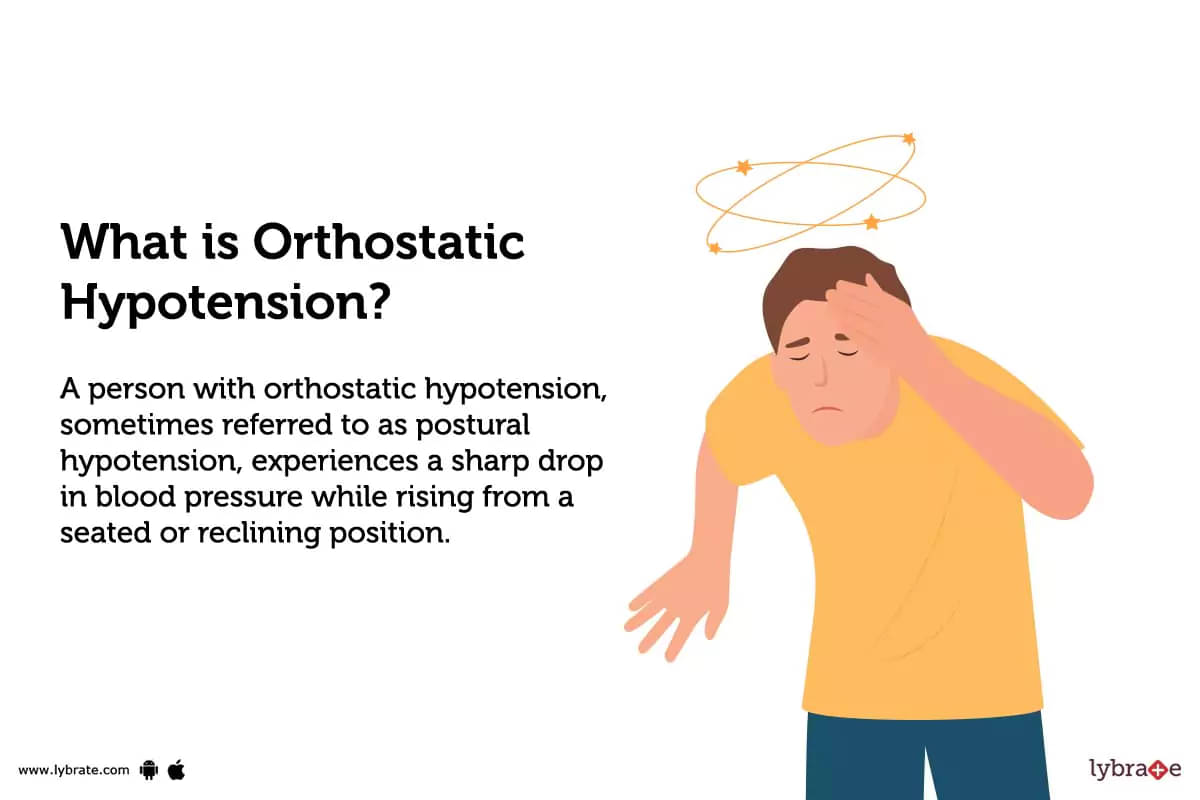
Orthostatic hypertension (OHT) is a physiological phenomenon characterized by an abnormal increase in blood pressure when an individual moves from a seated or lying position to a standing position. Unlike its more famous counterpart, orthostatic hypotension (a drop in blood pressure), OHT is often “silent,” making it a perfect candidate for the continuous monitoring capabilities provided by modern software and hardware.

Defining the Condition Through Data
In a clinical sense, orthostatic hypertension is typically defined as a rise in systolic blood pressure of 20 mmHg or more upon standing. From a tech perspective, this represents a transient data spike that is often missed by traditional, episodic blood pressure checks at a doctor’s office. The “white coat effect” or the sheer timing of a manual measurement often fails to capture the precise moment of postural change.
This is where the intersection of healthcare and technology becomes critical. By utilizing high-frequency data collection, tech platforms can now identify these spikes with granular precision, allowing for a better understanding of how the sympathetic nervous system reacts to gravity in real-time.
The Problem of the “Clinical Snapshot”
The traditional method of diagnosing OHT involves a “snapshot” approach—one or two readings taken by a nurse. However, medical software developers are now highlighting the “Data Gap.” A single reading cannot account for variables like caffeine intake, stress, or time of day. The tech industry is addressing this by shifting the focus from “measurements” to “trends.” By using cloud-based health platforms, developers can aggregate thousands of data points to create a “digital twin” of a patient’s cardiovascular behavior, making orthostatic hypertension much easier to pin down.
The Role of Wearables and Continuous Blood Pressure Monitoring (cNIBP)
The “Gadget” sector of the tech world has moved far beyond simple step counters. We are currently witnessing a surge in Continuous Non-Invasive Blood Pressure (cNIBP) technology, which is the “Holy Grail” for managing orthostatic hypertension.
Smart Bands and PPG Technology
Most high-end wearables today utilize Photoplethysmography (PPG)—the use of light emitters and sensors to measure blood volume changes. While early iterations were primarily for heart rate, the latest software algorithms are now capable of estimating blood pressure trends. For an individual with orthostatic hypertension, a PPG-enabled smartwatch can detect the exact moment they stand up and log the corresponding vascular response.
Tech giants like Apple, Samsung, and specialized startups like Biobeat are leading this charge. They are moving away from the cumbersome inflatable cuff (oscillometric method) toward “cuffless” technology. This hardware evolution is essential for OHT because it allows for monitoring during the very activities of daily living that trigger the condition.
IoT and Integrated Health Ecosystems
The hardware is only half the story. The “App” and “Software” side of the equation involves the Internet of Medical Things (IoMT). When a wearable detects an orthostatic spike, the data is instantly synced to a smartphone app and often a secure cloud server. These apps provide users with intuitive visualizations—heat maps of their blood pressure throughout the day and alerts when readings exceed safe thresholds. This tech ecosystem transforms a passive patient into an active participant in their own cardiovascular health.

Leveraging AI and Big Data for Predictive Diagnostics
Artificial Intelligence is the engine driving the next phase of OHT management. It isn’t enough to simply record a high blood pressure reading; the software must understand why it happened and predict when it will happen again.
Machine Learning in Vascular Analysis
Machine learning (ML) models are now being trained on massive datasets of cardiovascular profiles. For orthostatic hypertension, AI can analyze the “waveform” of a pulse to detect subtle signs of arterial stiffness or autonomic dysfunction long before a standard blood pressure cuff would register a problem. These AI tools can filter out “noise” (like movement or sensor misalignment) to ensure that the data being sent to a physician is accurate and actionable.
Personalized Health Insights and Trigger Mapping
One of the most powerful applications of AI in this niche is “Trigger Mapping.” Through sophisticated software integrations, health apps can cross-reference blood pressure spikes with other data points like sleep quality, salt intake (logged via nutrition apps), and even local weather patterns (atmospheric pressure).
If the AI identifies that a user’s orthostatic hypertension is most severe on mornings after poor sleep, it provides a level of insight that was previously impossible. This is the shift from generic medical advice to “Precision Medicine,” powered entirely by software algorithms.
The Future of Remote Patient Monitoring (RPM) and Telehealth
The final piece of the tech puzzle is how this information is communicated to healthcare providers. Remote Patient Monitoring (RPM) is a burgeoning software trend that is specifically beneficial for chronic conditions like OHT.
Integrating OHT Data into Clinical Workflows
The biggest hurdle in medical tech is often the “siloing” of data. However, new APIs (Application Programming Interfaces) are allowing patient-generated data from gadgets like Oura rings or Withings scales to flow directly into Electronic Health Records (EHRs) used by hospitals.
For a cardiologist, this means they no longer have to rely on a patient’s memory. They can log into a dashboard and see a longitudinal report of every postural blood pressure change the patient experienced over a month. This “As-a-Service” model of healthcare reduces the need for frequent office visits and allows for data-driven adjustments to medication or lifestyle interventions.
Digital Security and Data Privacy in Health-Tech
As we collect more sensitive physiological data regarding orthostatic hypertension, the “Digital Security” aspect becomes paramount. The tech industry is responding with end-to-end encryption and blockchain-based data storage to ensure that a user’s cardiovascular map remains private. Compliance with regulations like HIPAA in the US and GDPR in Europe is now a standard feature in health-tech software development, ensuring that the revolution in OHT monitoring does not come at the cost of personal privacy.
Conclusion: A New Paradigm for Cardiovascular Wellness
Orthostatic hypertension is no longer a mystery relegated to medical textbooks. Through the convergence of high-tech hardware, sophisticated AI, and seamless software ecosystems, it has become a manageable, data-driven metric.
We are moving toward a world where our gadgets will know we are standing up before we even feel the physiological effects. By leveraging continuous monitoring and predictive analytics, technology is providing the tools to not only define what orthostatic hypertension is but to mitigate its risks and improve long-term heart health. In the digital age, the “silent” spike of OHT is finally being heard, loud and clear, through the power of technology.
aViewFromTheCave is a participant in the Amazon Services LLC Associates Program, an affiliate advertising program designed to provide a means for sites to earn advertising fees by advertising and linking to Amazon.com. Amazon, the Amazon logo, AmazonSupply, and the AmazonSupply logo are trademarks of Amazon.com, Inc. or its affiliates. As an Amazon Associate we earn affiliate commissions from qualifying purchases.