
The meteoric rise of Liquid I.V. from a specialized startup to a household name acquired by Unilever is one of the most compelling case studies in modern brand strategy. While the product itself is a “Hydration Multiplier” based on World Health Organization science, its market dominance isn’t merely the result of a functional formula. To understand “what Liquid I.V. is good for” from a branding perspective is to understand how a company can disrupt a stagnant category by reframing a basic human need into a high-performance lifestyle identity.
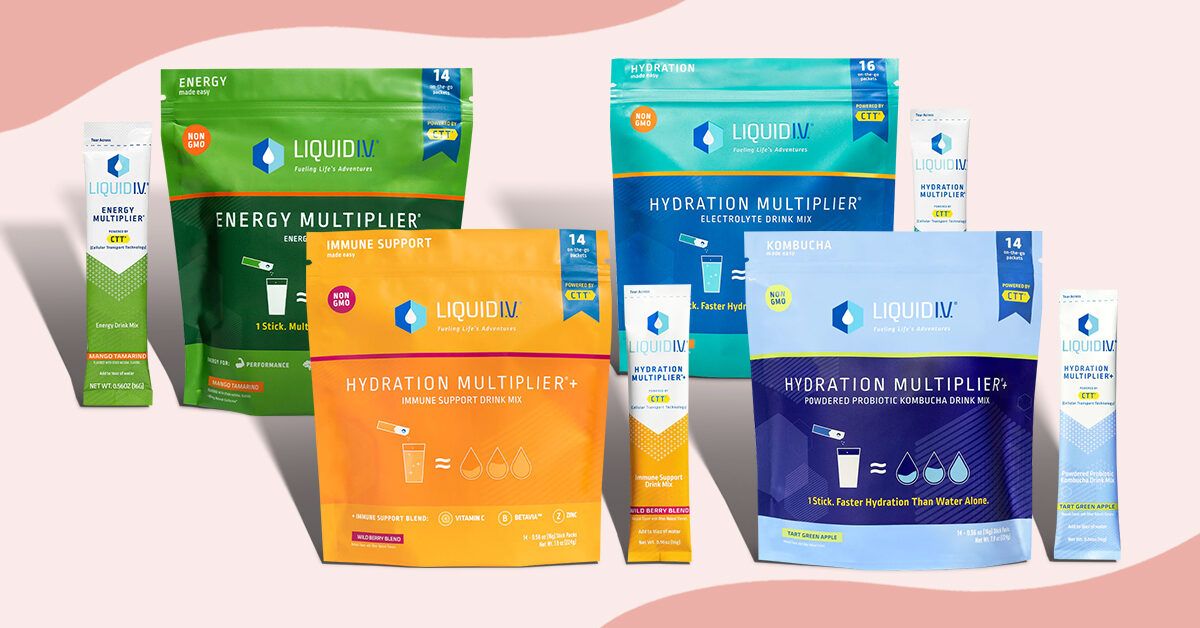
By analyzing the brand’s positioning, its mastery of the omni-channel experience, and its mission-driven narrative, we can uncover the blueprint that allowed Liquid I.V. to transition from a niche supplement to a cultural phenomenon.
1. The Power of Category Creation and Strategic Positioning
Liquid I.V. did not just enter the beverage market; it created a new sub-category that bridged the gap between medical-grade rehydration and mainstream lifestyle wellness. Before its arrival, the market was bifurcated: on one side were neon-colored sports drinks aimed at elite athletes, and on the other were pediatric rehydration solutions intended for illness.
Shifting from Medical Utility to Lifestyle Enhancement
Historically, electrolyte solutions like Pedialyte were marketed for sick children or extreme medical dehydration. Liquid I.V.’s primary brand achievement was de-medicalizing the product. They identified that the average consumer—the frequent traveler, the overworked professional, and the weekend warrior—suffered from chronic, low-grade dehydration. By positioning the product as a “lifestyle optimizer” rather than a “medical remedy,” Liquid I.V. expanded its total addressable market exponentially.
The “Hydration Multiplier” Nomenclature
Branding often lives or dies by the language it uses. Liquid I.V. avoided the generic “electrolyte powder” label in favor of the trademarked “Hydration Multiplier.” This term sounds technical, proprietary, and high-performance. It promises a specific outcome—multiplying the efficiency of water—rather than just listing an ingredient. This strategic naming convention allowed the brand to command a premium price point and differentiate itself on the shelf from generic competitors.
2. Omni-Channel Mastery and the Influencer Ecosystem
What Liquid I.V. is truly “good for” is demonstrating how to build a community through aggressive, yet authentic, digital marketing. The brand was an early adopter of the “Direct-to-Consumer (DTC) First” model, which it eventually used as a springboard into massive retail success at Costco, Target, and Whole Foods.
Leveraging the “Cool Factor” in Wellness
The brand’s marketing strategy relied heavily on the “Liquid I.V. Family,” a diverse roster of influencers ranging from fitness enthusiasts to music festival attendees. By placing the product in the hands of culture-shapers, Liquid I.V. moved the conversation away from “osmotic pressure” and toward “festival survival” and “morning-after recovery.” This made hydration look aspirational. The brand didn’t just sell a packet of powder; it sold the ability to stay active and engaged in a fast-paced world.
Strategic Retail Partnerships and Sampling
Liquid I.V. mastered the “trial-to-loyalty” pipeline. Their partnership with Costco is legendary in brand strategy circles. By offering massive multi-packs and conducting consistent in-store sampling, they lowered the barrier to entry. This “omni-channel” approach—where a consumer sees an ad on Instagram, reads a review on a health blog, and then sees a massive display at their local warehouse club—creates a “surround sound” branding effect that builds immense trust and familiarity.
3. Visual Identity and Sensory Branding
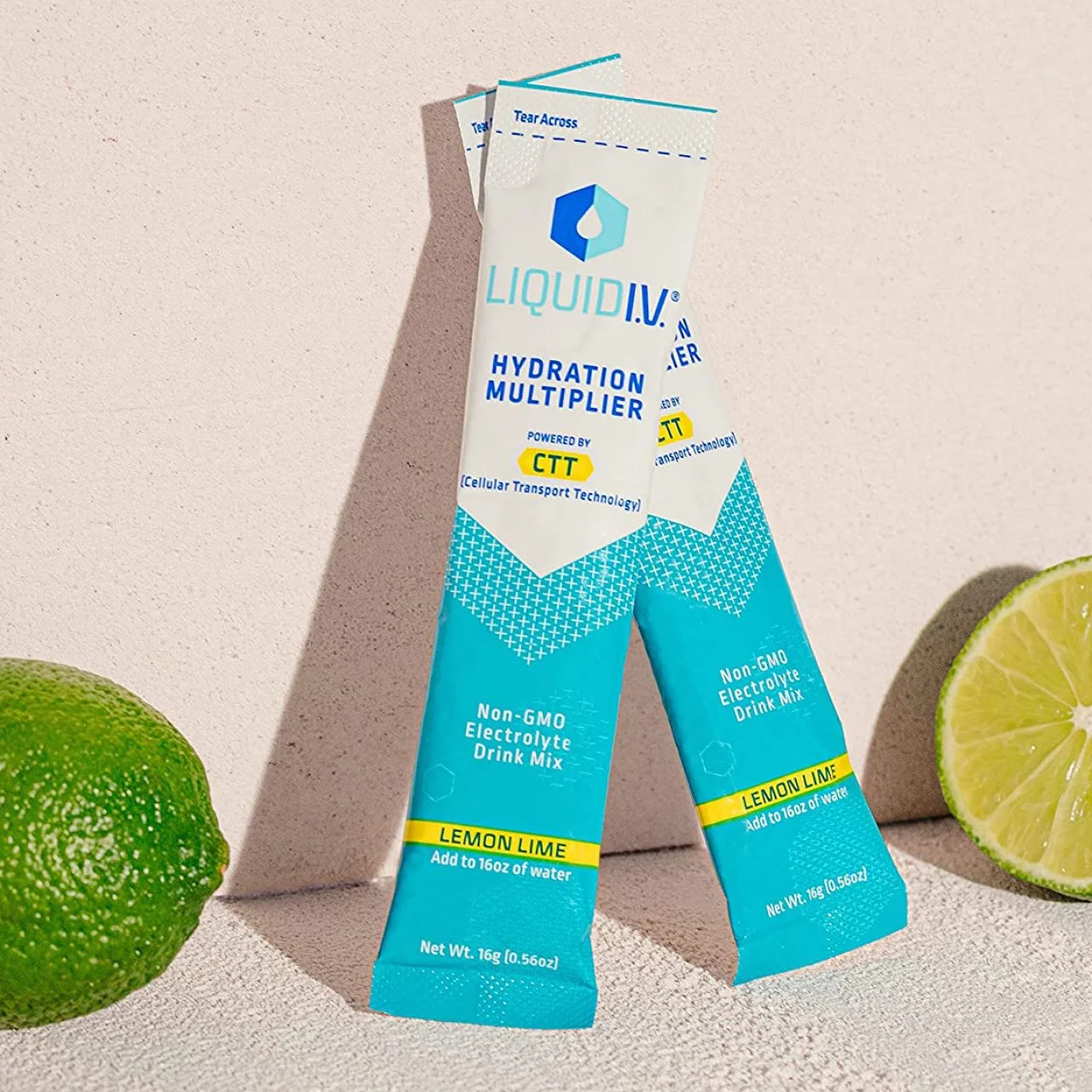
In a category often dominated by aggressive reds and blues (Gatorade/Powerade), Liquid I.V. chose a visual palette that communicated purity, science, and vitality. The brand’s corporate identity is a masterclass in “Functional Minimalism.”
Minimalist Design in a Crowded Market
The packaging uses a clean, white background with bright, refreshing color accents that correspond to flavors like Lemon Lime, Passion Fruit, and Seaberry. This design language signals to the consumer that the product is “cleaner” and more “premium” than traditional sports drinks. The slender, single-serve “stick pack” format also reinforces the brand’s identity as a portable, convenient companion for the modern, mobile consumer.
Flavor Innovation as Brand Extension
A brand is a promise, and Liquid I.V. promises that functional health doesn’t have to taste like medicine. By constantly innovating with flavors—and using those flavors as “drops” similar to streetwear brands—they maintain consumer engagement. Seasonal flavors and limited-edition releases create a sense of urgency and “newness” that keeps the brand relevant in a fast-moving consumer goods (FMCG) environment. Each new flavor is not just a product; it is a marketing event that re-engages the community.
4. Mission-Driven Marketing: The Impact of “Purpose”
In the modern era, a brand is often judged by what it gives back. Liquid I.V. integrated social impact into its brand DNA from the beginning, which helped it build deep emotional equity with Millennial and Gen Z consumers who prioritize “purpose-driven” brands.
The “Change the World” Narrative
Liquid I.V. implemented a 1-for-1 giveback program, where for every purchase, a serving is donated to someone in need of hydration globally—targeting disaster zones, hospitals, and impoverished regions. This isn’t just corporate social responsibility; it is a core pillar of their brand story. When a consumer asks, “What is Liquid I.V. good for?” the brand answer is twofold: it’s good for your body, and it’s good for the world.
Connecting Social Responsibility to Brand Loyalty
By documenting their global impact missions, Liquid I.V. transforms the act of buying a hydration supplement into an act of global citizenship. This creates a “halo effect” around the brand. It makes the premium price easier to justify and fosters a level of brand loyalty that is difficult for competitors to disrupt. Consumers aren’t just buying electrolytes; they are participating in a movement to end global dehydration.
5. The Business Case for Brand Resilience
The ultimate measure of a brand’s strength is its ability to scale and sustain growth through acquisition and market shifts. When Unilever acquired Liquid I.V. in 2020, they weren’t just buying a recipe; they were buying a high-affinity brand with a dedicated “tribe.”
Adapting to New Market Demands
Post-acquisition, the brand has shown remarkable agility. They expanded into “Liquid I.V. Energy,” “Liquid I.V. Sleep,” and “Liquid I.V. Probiotic Kombucha.” This is the hallmark of a strong brand: the ability to stretch the “core” brand identity into new verticals without losing its original meaning. Because the brand is built on the concept of “multiplication” (multiplying your potential through science), they can theoretically enter any wellness category that involves a functional benefit.
Brand Equity as a Defensive Moat
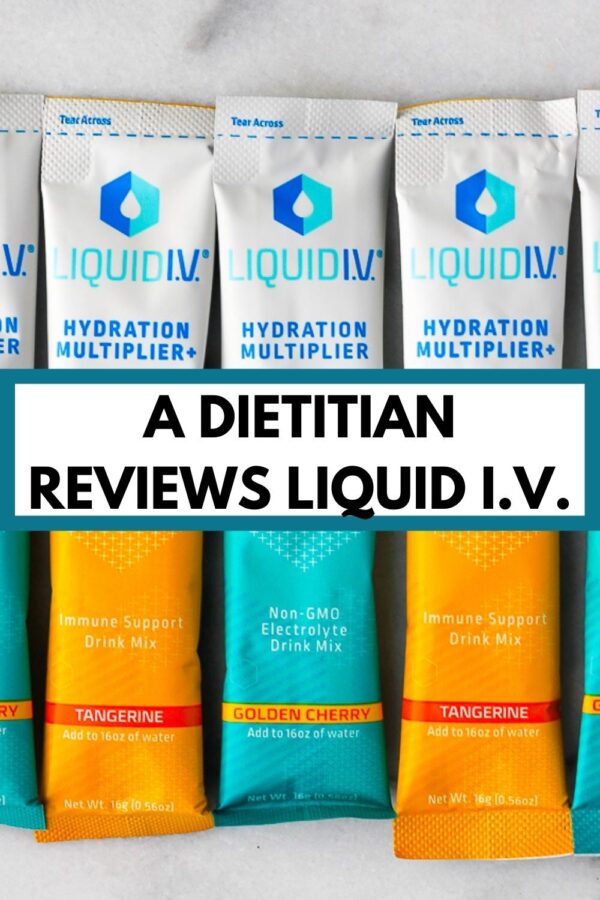
In a world where generic “private label” versions of electrolyte powders are appearing on shelves, Liquid I.V.’s brand equity serves as its primary defense. Consumers choose the blue-and-white stick pack because they trust the “Hydration Multiplier” narrative. The brand has successfully associated its name with the very concept of “better hydration” in the same way Kleenex is synonymous with tissues.
Conclusion: The Brand Legacy of Liquid I.V.
When we ask “what is Liquid I.V. good for,” the answer transcends the physiological benefits of its Cellular Transport Technology (CTT). From a brand strategy perspective, Liquid I.V. is a testament to the power of reimagining an everyday necessity. It is good for proving that even the most basic products—salt, sugar, and water—can be transformed into a powerhouse brand through strategic positioning, visual clarity, and a mission that resonates with the human spirit.
By focusing on the “Everyday Hero” rather than the “Elite Athlete,” and by prioritizing community and purpose over simple transactions, Liquid I.V. didn’t just build a drink company; it built a blueprint for 21st-century brand building. It remains a primary example of how to turn a functional utility into a lifestyle essential, ensuring that as long as people need water, they will want Liquid I.V.
aViewFromTheCave is a participant in the Amazon Services LLC Associates Program, an affiliate advertising program designed to provide a means for sites to earn advertising fees by advertising and linking to Amazon.com. Amazon, the Amazon logo, AmazonSupply, and the AmazonSupply logo are trademarks of Amazon.com, Inc. or its affiliates. As an Amazon Associate we earn affiliate commissions from qualifying purchases.