
When we ask the question, “What happened to the Egyptians?” we are rarely looking for a simple genealogical map. From a brand strategy perspective, we are asking how a single civilization managed to create a visual and cultural identity so potent that it remains globally recognizable five millennia later. In the world of modern marketing and corporate identity, the “Egyptian Brand” is the ultimate case study in longevity, consistency, and symbolic power.
While the political empire eventually dissolved into the Hellenistic and Roman worlds, the brand of Egypt never died. It transitioned from a living government to a permanent psychological fixture in the human consciousness. To understand what happened to the Egyptians, we must look at how they constructed a brand so resilient that it survived the collapse of its own physical infrastructure.
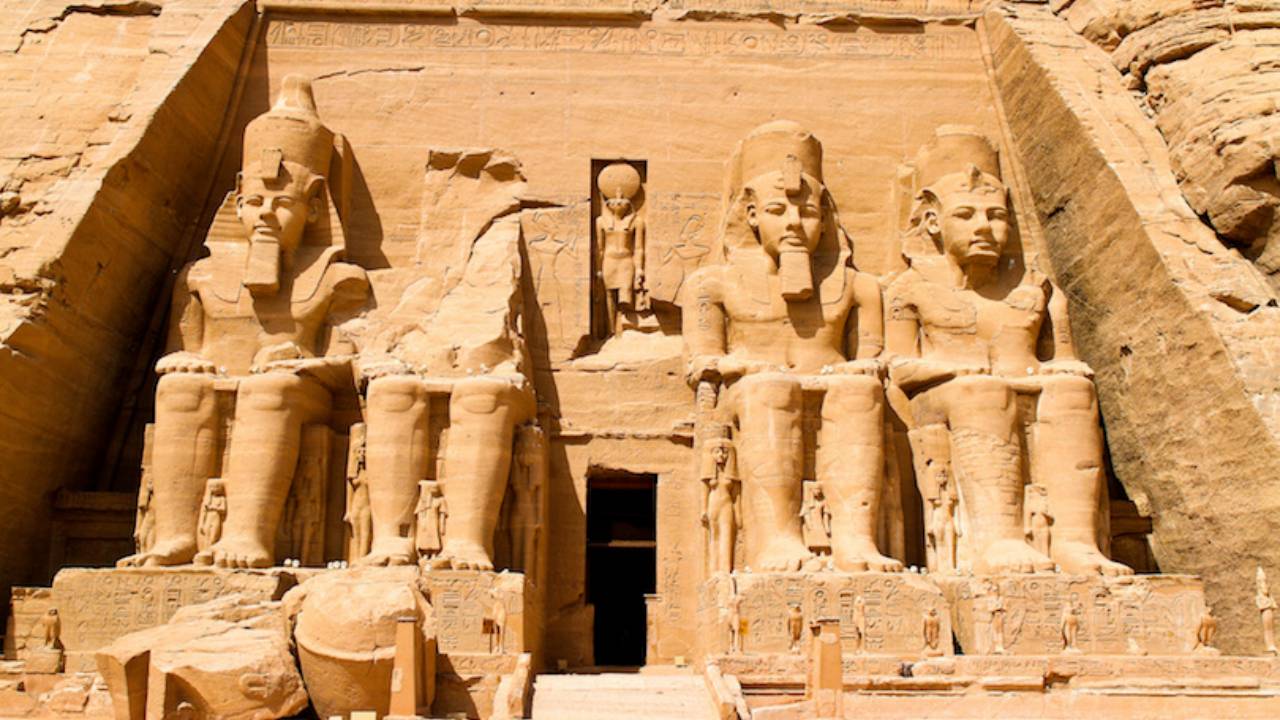
The Masterclass in Visual Identity: Icons That Outlasted Empires
In contemporary design, we talk about “brand guidelines”—the rules that ensure a logo looks the same in Tokyo as it does in New York. The ancient Egyptians were the pioneers of this concept. Their visual identity was governed by a strict set of artistic canons that remained virtually unchanged for 3,000 years. This level of consistency is unheard of in modern corporate history, where brands often undergo “refreshes” every decade.
The Power of Symbolic Consistency
The Egyptians understood that for a brand to be powerful, it must be instantly recognizable. Whether it was the silhouette of a sphinx, the symmetrical geometry of the pyramids, or the specific posture of a pharaoh in a relief, the “Egyptian style” was a rigid brand manual.
In modern branding, this is the equivalent of a “Visual DNA.” By maintaining the same color palettes—utilizing specific blues, golds, and ochres—and the same proportions, they created a sense of eternal stability. This consistency signaled to their “customers” (the citizenry and neighboring nations) that the brand was immutable, divine, and reliable. What happened to the Egyptians was not a disappearance, but a solidification of their visual assets into a universal language.
Typography and the Art of Hieroglyphic Storytelling
Hieroglyphics were more than just a writing system; they were a masterful integration of copy and design. In branding, we often struggle to balance the message with the aesthetic. The Egyptians solved this by making the message the aesthetic.
Every inscription on a temple was a piece of marketing content designed to reinforce the brand’s core values: Ma’at (order, balance, and justice). By utilizing icons that represented both sounds and concepts, they created a multi-layered brand experience. Today, we see this in modern iconography and “emojification” in digital marketing. The Egyptians proved that visual storytelling is the most effective way to cross cultural and linguistic barriers, ensuring their brand survived even when the spoken language evolved.
Scalability and Monumentalism: Creating Brand Presence through Architecture
If we view Ancient Egypt as a corporate entity, their architecture was their flagship retail space. The scale of their projects was a deliberate strategic move to dominate the “market share” of the ancient mind. When a traveler approached Giza, they weren’t just seeing a tomb; they were seeing the physical manifestation of a brand’s “Too Big to Fail” status.
The Pyramids as a Statement of Stability
The Great Pyramid of Giza is perhaps the most successful piece of “Out-of-Home” (OOH) advertising in human history. It communicates the brand’s values—permanence, precision, and immense resources—without saying a single word.
In the corporate world, we see this in the “Glass Towers” of Manhattan or the sprawling campuses of Silicon Valley. These structures are designed to project power and longevity. The Egyptians mastered this by building for a timeline that exceeded a human lifespan. By choosing stone over brick, they insured their brand against the “wear and tear” of history. This is the ultimate lesson in brand scalability: build something that provides value (or awe) not just for the current quarter, but for the next millennium.
Contextual Marketing: Dominating the Landscape
The Egyptians were masters of contextual marketing. They didn’t just build anywhere; they built along the Nile, the primary “information highway” of the ancient world. Every monumental structure was placed where it would receive maximum impressions from traders, diplomats, and locals.
This is the ancient equivalent of SEO and prime digital real estate. By occupying the most visible parts of the landscape, the Egyptian brand ensured it was the first and last thing anyone saw. What happened to the Egyptians was a strategic geographic positioning that made their brand synonymous with the land itself. You cannot think of the Nile without thinking of the Egyptian brand.
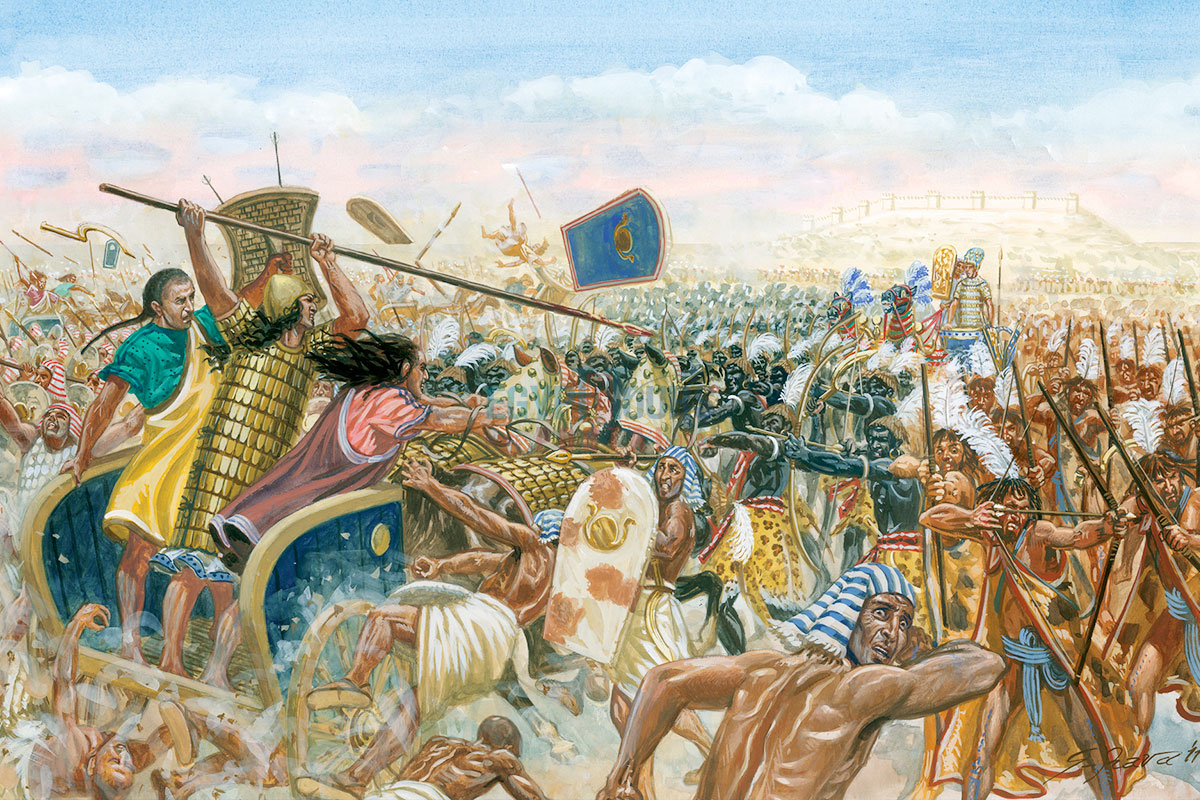
The Cult of Personality: Ancient Egypt’s Approach to Personal Branding
Modern business is increasingly driven by personal branding. We look to figures like Elon Musk or Steve Jobs as the “face” of their companies. The Egyptians, however, invented the concept of the “Executive Personal Brand” through the Pharaoh.
Pharaonic Branding: The Leader as the Face of the Organization
The Pharaoh was the ultimate Chief Brand Officer. Each ruler had to maintain the core “Egyptian Brand” while adding their own unique “Sub-Brand.” This was achieved through the use of cartouches—the ancient version of a personal logo.
Ramses II, for example, was a master of personal PR. He didn’t just win battles; he commissioned massive monuments to narrate his victories, effectively “marketing” his success to his subjects and enemies alike. He understood that a brand is not just what you do, but the story you tell about what you do. His personal branding was so successful that for centuries after his death, subsequent leaders sought to associate themselves with his “brand equity.”
Managing Reputation Beyond the Grave
The Egyptian focus on the afterlife was, in branding terms, a strategy for “legacy management.” They believed that as long as your name was spoken and your image remained, you continued to exist.
This is the pinnacle of brand strategy: achieving “Evergreen” status. By investing heavily in funerary cults and inscriptions, they ensured their reputation was managed long after they were gone. Modern brands attempt this through foundations, archives, and heritage marketing. The Egyptians showed us that if you manage your brand reputation correctly, it can outlive the physical presence of the founder by thousands of years.
What Modern Brands Can Learn from the Egyptian Decline
To truly answer what happened to the Egyptians, we must look at the “brand dilution” that occurred in the later periods. Every empire—and every company—faces the risk of stagnation or being “acquired” by a more aggressive competitor.
The Risk of Rigid Tradition
The same consistency that made the Egyptian brand powerful eventually became its greatest weakness. In the fast-changing world of the Iron Age, the Egyptians struggled to adapt their “brand guidelines.” While the Greeks and Persians were innovating with new military technologies and economic models, the Egyptians remained tethered to a traditionalist “brand book.”
In marketing, this is known as “Brand Stagnation.” When a company becomes so enamored with its past success that it refuses to pivot, it leaves itself open to disruption. The Egyptian brand eventually became a “legacy brand”—respected for its history but no longer the market leader in innovation.
Failure to Pivot in a Globalized Marketplace
As the Mediterranean became a globalized marketplace, the Egyptian brand was forced to compete with the “disruptor brands” of the time: the Greeks and later the Romans. These cultures were experts at “Brand Appropriation.”
When the Ptolemies (Greeks) took over Egypt, they didn’t destroy the Egyptian brand; they merged with it. They adopted the visual identity of the Pharaohs to gain legitimacy. This is a classic case of a “brand merger and acquisition.” The original Egyptian identity became diluted as it was blended with Hellenistic styles. What happened to the Egyptians was a slow transition into a “sub-brand” within a larger Mediterranean empire. They lost their “Corporate Autonomy,” but their “Visual Assets” were so valuable that the new owners continued to use them for centuries.

The Resurrection: The Eternal Return of the Egyptian Aesthetic
The story of “what happened to the Egyptians” doesn’t end with the fall of the last Pharaoh. In the world of branding, we often see “Brand Revivals” or “Nostalgia Marketing.” The Egyptian brand has experienced multiple “re-brandings” throughout history, most notably during the “Egyptomania” of the 19th and 20th centuries.
From the Art Deco movement to modern luxury fashion houses, the Egyptian brand is constantly being “licensed” by new creators. Its icons—the eye of Horus, the pyramids, the golden masks—remain high-value assets.
The lesson for modern brand strategists is clear: a brand built on deep-seated psychological truths, consistent visual language, and monumental presence does not die. It merely waits for the next cycle of the market to be rediscovered. What happened to the Egyptians is that they stopped being a nation and became a “Global Intellectual Property”—the most successful, enduring, and recognizable brand identity in the history of the world.
aViewFromTheCave is a participant in the Amazon Services LLC Associates Program, an affiliate advertising program designed to provide a means for sites to earn advertising fees by advertising and linking to Amazon.com. Amazon, the Amazon logo, AmazonSupply, and the AmazonSupply logo are trademarks of Amazon.com, Inc. or its affiliates. As an Amazon Associate we earn affiliate commissions from qualifying purchases.