
The persistent hum of a mosquito can transform a tranquil evening outdoors into an irritating ordeal. While traditional repellents have long been our go-to, a new wave of innovation is merging natural solutions with cutting-edge technology. This article delves into the intersection of smart gadgets and the scientifically-backed efficacy of essential oils in repelling mosquitoes, offering a glimpse into how technology is enhancing our personal comfort and well-being. We will explore the technological advancements that facilitate the application of these natural repellents, the science behind their effectiveness, and how to integrate them seamlessly into your modern lifestyle.
The Evolution of Mosquito Repellency: From Primitive Measures to Smart Devices
The human quest to ward off biting insects is as old as civilization itself. Early humans likely used smoke from fires, mud, and plant poultices to deter mosquitoes. As societies advanced, so did our methods. Candles, coils, and sprays became commonplace, offering varying degrees of effectiveness and often accompanied by undesirable side effects like chemical residues and strong odors.
Traditional Methods and Their Limitations
For decades, DEET-based repellents have dominated the market. While undeniably effective at masking human scents that attract mosquitoes, concerns about potential health impacts and environmental persistence have led many to seek alternatives. Other traditional methods, such as citronella candles, offer a pleasant aroma but often have a limited effective range and require constant reapplication or ignition. The inherent limitations of these older approaches highlight the need for more sophisticated and targeted solutions.
The Rise of Smart Repellent Gadgets
The 21st century has witnessed a significant technological leap in personal defense against pests. Smart devices, once confined to communication and entertainment, are now entering the realm of personal comfort and health. This includes a growing array of gadgets designed to deliver mosquito-repelling substances in controlled, efficient, and often user-friendly ways. These devices leverage advancements in miniaturization, battery technology, and material science to create portable and effective solutions.
- Portable Diffusers and Vaporizers: These compact, often USB-rechargeable devices are designed to disperse essential oils into the immediate vicinity. Unlike passive methods like candles, they offer a more controlled release, ensuring a consistent and targeted area of protection. Some models even connect to smartphone apps, allowing users to customize diffusion intensity and schedules.
- Smart Wearables: Emerging technologies are exploring wearable devices that can release micro-doses of repellent agents. These could range from wristbands that diffuse essential oils to more advanced concepts involving ultrasonic frequencies or targeted scent release. The goal is to provide a personal, localized shield against mosquitoes without the need for broad-spectrum sprays.
- Smart Home Integration: For larger areas, smart home systems are beginning to incorporate pest control. Think of outdoor smart plugs connected to diffusers that can be activated remotely or on a schedule, ensuring your patio or garden remains a mosquito-free zone during peak hours. Integration with weather data could even allow these systems to automatically activate when conditions are most favorable for mosquito activity.
- App-Controlled Devices: The hallmark of modern tech is connectivity. Many new repellent gadgets come with companion apps that offer a wealth of features. Users can monitor battery life, adjust diffusion rates, track usage history, and even receive personalized recommendations for essential oil blends based on their location and the time of year. This level of control and customization was unthinkable with traditional repellents.
Essential Oils: Nature’s Potent Mosquito Deterrents
The scientific community has long recognized the insect-repelling properties of certain essential oils. These potent plant extracts contain complex chemical compounds that can disrupt a mosquito’s olfactory senses, making it difficult for them to locate their hosts. The advantage of essential oils lies in their natural origin and often pleasant aromas, offering a compelling alternative to synthetic chemicals.
The Science Behind Essential Oil Repellency
Mosquitoes navigate using a sophisticated sense of smell, detecting carbon dioxide exhaled by their prey, as well as other chemical cues like lactic acid and octenol. Certain compounds found in essential oils act as natural deterrents by either masking these attractant cues or by directly repelling the insects. This disruption can be achieved through various mechanisms:
- Olfactory Interference: Many essential oils contain volatile organic compounds (VOCs) that overwhelm or confuse a mosquito’s sensory receptors, making it harder for them to pinpoint their target.
- Behavioral Deterrence: Some compounds in essential oils may trigger an avoidance response in mosquitoes, causing them to fly away from the source of the scent.
- Antifeedant Properties: Certain essential oils can also act as antifeedants, making the treated skin or area less appealing to mosquitoes even if they do land.

Top Essential Oils Scientifically Proven to Repel Mosquitoes
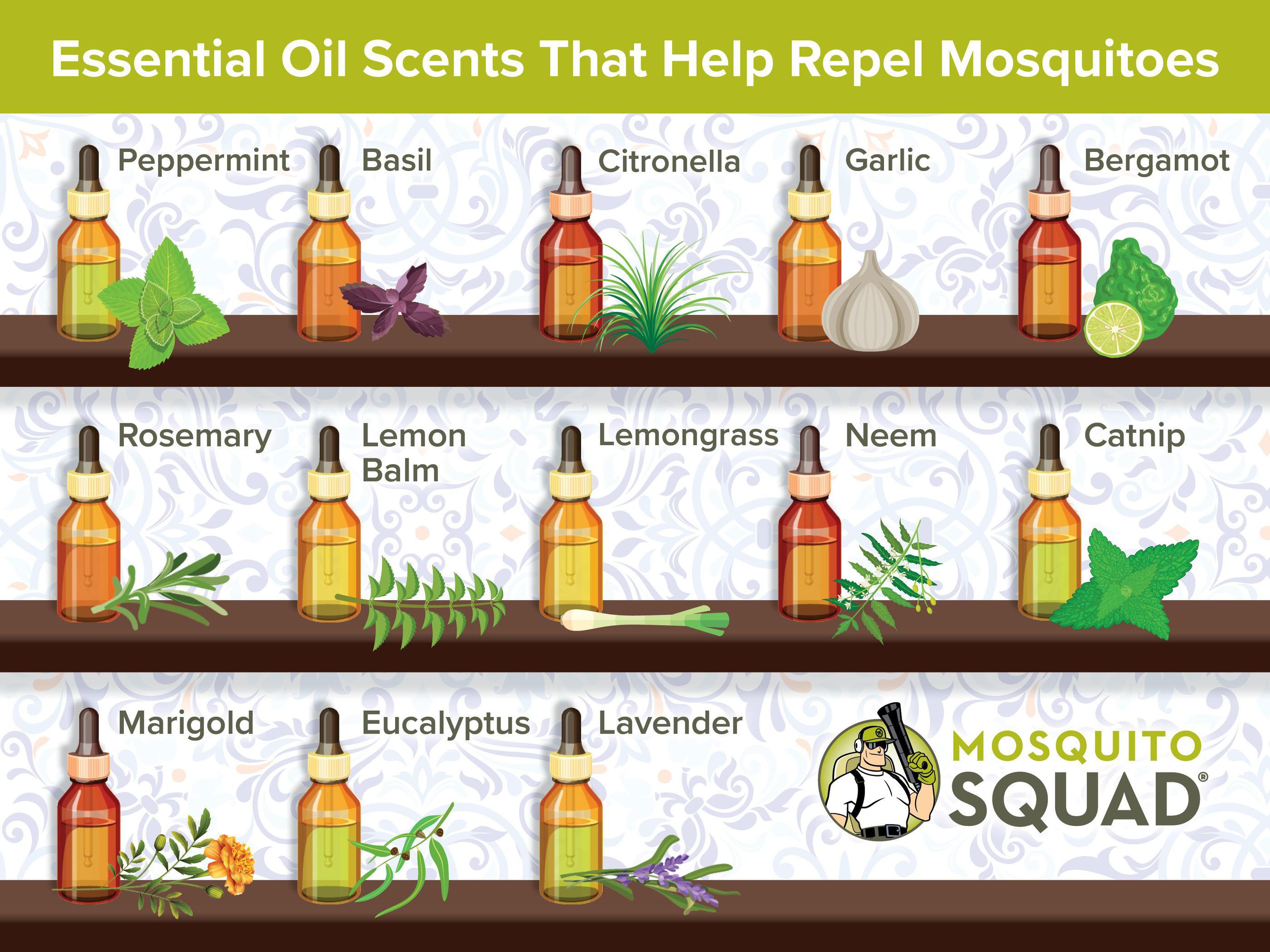
While numerous essential oils are touted for their repellent properties, rigorous scientific studies have identified several that consistently demonstrate significant efficacy:
- Citronella Oil: Perhaps the most well-known, citronella oil’s effectiveness is attributed to its high content of citronellal and geraniol. Studies have shown it to be a viable alternative to DEET, particularly when used in higher concentrations or in conjunction with other repellent oils. Its broad-spectrum repellency makes it a staple in natural pest control.
- Lemon Eucalyptus Oil (OLE): This is a standout. Oil of Lemon Eucalyptus (OLE), specifically its active compound p-menthane-3,8-diol (PMD), has been recognized by the CDC as an effective mosquito repellent, comparable in efficacy to low concentrations of DEET. It offers a longer duration of protection than many other natural options.
- Peppermint Oil: The strong, fresh scent of peppermint oil is not only invigorating to humans but also highly effective in deterring mosquitoes. Its primary active components, menthol and menthone, interfere with mosquito olfactory cues.
- Lemongrass Oil: Similar to citronella, lemongrass oil contains high levels of citronellal and geraniol, contributing to its potent repellent properties. It’s often used in conjunction with other oils to enhance its effectiveness.
- Lavender Oil: Known for its calming properties, lavender oil also possesses mosquito-repelling qualities due to compounds like linalool. While perhaps not as potent as citronella or lemon eucalyptus, it offers a pleasant scent and can be a good option for sensitive skin.
- Tea Tree Oil: While primarily known for its antiseptic properties, tea tree oil also exhibits insect-repellent activity. Its constituent compounds, such as terpinen-4-ol, can disrupt mosquito behavior.
- Clove Oil: Clove oil contains eugenol, a compound that has demonstrated strong repellent effects against mosquitoes. However, it is a very potent oil and should be used with caution and always diluted.
Integrating Smart Tech and Essential Oils for a Complete Repellent Strategy
The true power lies not just in knowing which essential oils repel mosquitoes but in how we deploy them. Modern technology offers sophisticated ways to harness the natural efficacy of these oils, creating a personalized and effective defense system.
The Synergy of Diffusion and Personalization
Smart diffusers and vaporizers are key to unlocking the potential of essential oils. By precisely controlling the release of these aromatic compounds, users can create a zone of protection that is both effective and pleasant.
- Targeted Application: Unlike passive methods that rely on ambient scent dispersal, smart devices allow for targeted application. A portable diffuser carried in a backpack or placed on a bedside table creates an immediate personal space free from buzzing intruders.
- Customizable Blends: The ability to create custom essential oil blends is a significant advantage. By combining oils known for their repellent properties (e.g., lemon eucalyptus, citronella, peppermint), users can amplify their effectiveness and tailor the scent to their preferences. Some smart diffusers even allow for programmatic blending, releasing different oils at different times for continuous protection.
- App-Driven Optimization: Smartphone apps connected to smart diffusers can offer a wealth of features. Users can set schedules for diffusion, adjusting intensity based on the time of day or predicted mosquito activity. Some apps might even integrate with local weather data to proactively recommend optimal diffusion settings. This level of automation ensures consistent protection without constant manual intervention.
Wearable Technology: The Future of Personal Protection
The evolution continues with wearable technology. Imagine a sleek wristband that gently diffuses a natural mosquito repellent throughout the day, providing an invisible shield without the need for sprays.
- Discreet and Convenient: Wearable diffusers offer unparalleled convenience. They are discreet, allowing for continuous protection without drawing attention. Their portability means you can carry your repellent solution with you wherever you go.
- Controlled Release for Safety: For oils that can be potent, controlled release mechanisms in wearable tech are crucial. This ensures that the essential oils are dispersed at safe and effective concentrations, minimizing skin irritation and maximizing repellent duration.
- Smart Connectivity for Enhanced Experience: Future iterations of wearable repellent technology will likely incorporate smart connectivity. This could include features like GPS-triggered diffusion when entering known mosquito-prone areas, or integration with health apps to monitor skin sensitivity and adjust diffusion accordingly.

Creating Your Smart, Natural Mosquito Repellent System
Building an effective mosquito-repellent system using essential oils and technology involves a few key steps:
- Identify Your Needs: Determine where and when you are most likely to encounter mosquitoes. Is it your backyard, your bedroom, or during outdoor adventures? This will inform the type of technology you choose.
- Select High-Quality Essential Oils: Invest in pure, therapeutic-grade essential oils from reputable sources. Research the specific efficacy of each oil against mosquitoes and consider their scent profiles.
- Choose the Right Tech Gadgets:
- For personal use, portable diffusers and smart wearable devices are ideal.
- For home use, consider smart diffusers that can be integrated into your home automation system.
- Look for devices with adjustable intensity, timers, and ideally, app connectivity for enhanced control.
- Experiment with Blends: Don’t be afraid to experiment with different combinations of essential oils. A common effective blend might include lemon eucalyptus as a base, with a few drops of peppermint or lavender for added repellency and a pleasant aroma.
- Understand Dilution: For direct skin application (if your chosen method involves it, though diffused is generally safer), always dilute essential oils with a carrier oil like coconut or jojoba oil. Follow recommended dilution ratios to avoid skin irritation.
- Embrace Automation: Leverage the smart features of your devices. Set schedules, use app-based controls, and allow technology to manage your mosquito defense.
By embracing the synergy of nature’s potent repellents and the intelligence of modern technology, we can move beyond the incessant buzz and enjoy our environments with greater comfort and peace of mind. The future of mosquito control is smart, natural, and increasingly integrated into our connected lives.
aViewFromTheCave is a participant in the Amazon Services LLC Associates Program, an affiliate advertising program designed to provide a means for sites to earn advertising fees by advertising and linking to Amazon.com. Amazon, the Amazon logo, AmazonSupply, and the AmazonSupply logo are trademarks of Amazon.com, Inc. or its affiliates. As an Amazon Associate we earn affiliate commissions from qualifying purchases.