
In the world of brand strategy, words often migrate from literature and psychology into the boardroom. When we ask, “What does climax mean?” in a corporate or marketing context, we aren’t referring to a simple dictionary definition of a “high point.” Instead, we are discussing the most critical juncture in the brand-consumer relationship: the moment where narrative tension, marketing effort, and consumer desire meet to create a definitive action or emotional bond.
A brand climax is the culmination of a strategic arc. It is the peak of a product launch, the “hero moment” of a television commercial, or the decisive point in a customer’s journey where they transition from a passive observer to a loyal advocate. Understanding the mechanics of the climax is what separates world-class brand builders from those who merely run advertisements.
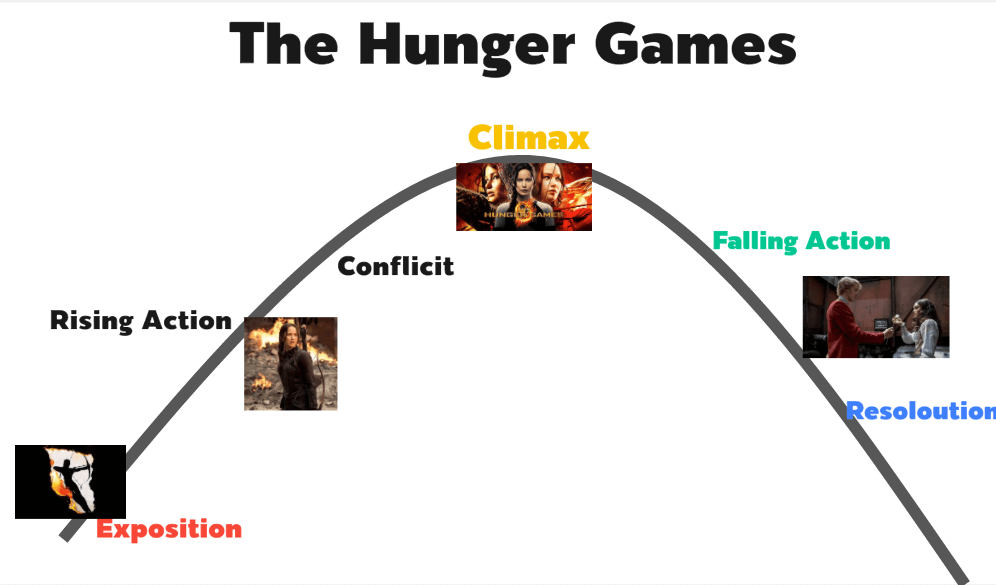
The Anatomy of the Brand Story Arc
To understand the climax, one must first understand the structure of storytelling. Brands are no longer just sellers of commodities; they are narrators. Modern brand strategy utilizes “Freytag’s Pyramid”—a dramatic structure traditionally used in literature—to map out the customer experience.
Introduction and the Inciting Incident
The journey begins with the “Exposition,” where the brand introduces its values and its world. The “Inciting Incident” is the moment the consumer realizes they have a problem or a need that the brand can solve. This is the start of the tension. Without this tension, there can be no climax.
Rising Action: Building Consumer Trust
The “Rising Action” is the most labor-intensive part of brand strategy. It involves multiple touchpoints: social media engagement, retargeting ads, influencer testimonials, and educational content. During this phase, the brand builds anticipation. It educates the consumer on why this specific solution is superior to others. The “climax” is the logical and emotional conclusion of this build-up.
The Climax: The Moment of Conversion and Emotional Resonance
The climax is the “Peak.” In brand terms, this is the moment of truth. It is the product reveal at a keynote, the grand opening of a flagship store, or the millisecond a user decides to click “Purchase” after months of consideration. However, a true brand climax is more than a transaction; it is an emotional realization where the brand’s promise meets the consumer’s reality.
Why the Climax is the Turning Point for Brand Loyalty
If a brand fails to deliver a powerful climax, the entire narrative arc collapses. This is often referred to in marketing as “the valley of disappointment.” When the buildup (marketing) exceeds the climax (the actual experience or reveal), brand equity is damaged.
Moving from Transactional to Relational
A climax defines the nature of the brand-consumer relationship. Transactional brands focus on the sale as the end goal. Strategic brands, however, view the climax as the birth of a relationship. When a consumer experiences a “brand climax”—such as the unboxing of a high-end tech product or the first time they use a premium service—the dopamine hit creates a lasting neural pathway. This is where “brand love” begins.
Creating the “Aha!” Moment for the Consumer
In brand strategy, the climax often manifests as an “Aha!” moment. This is when the consumer fully grasps the value proposition. It’s the moment the complexity of a problem vanishes, replaced by the simplicity of the brand’s solution. Strategists work backwards from this moment, ensuring that every piece of communication leads the consumer toward this specific epiphany.
Strategies for Orchestrating a Brand Climax
Orchestrating a climax requires precision. It is not an accidental occurrence but a choreographed event designed to maximize impact and memory retention.
Product Launches as Narrative Peak
The most obvious example of a brand climax is the product launch. Companies like Apple and Tesla have mastered this. They treat a product reveal not as an announcement, but as the climax of a year-long story. By using “leaks,” teasers, and countdowns, they build atmospheric pressure that can only be released through the climax of the launch event.
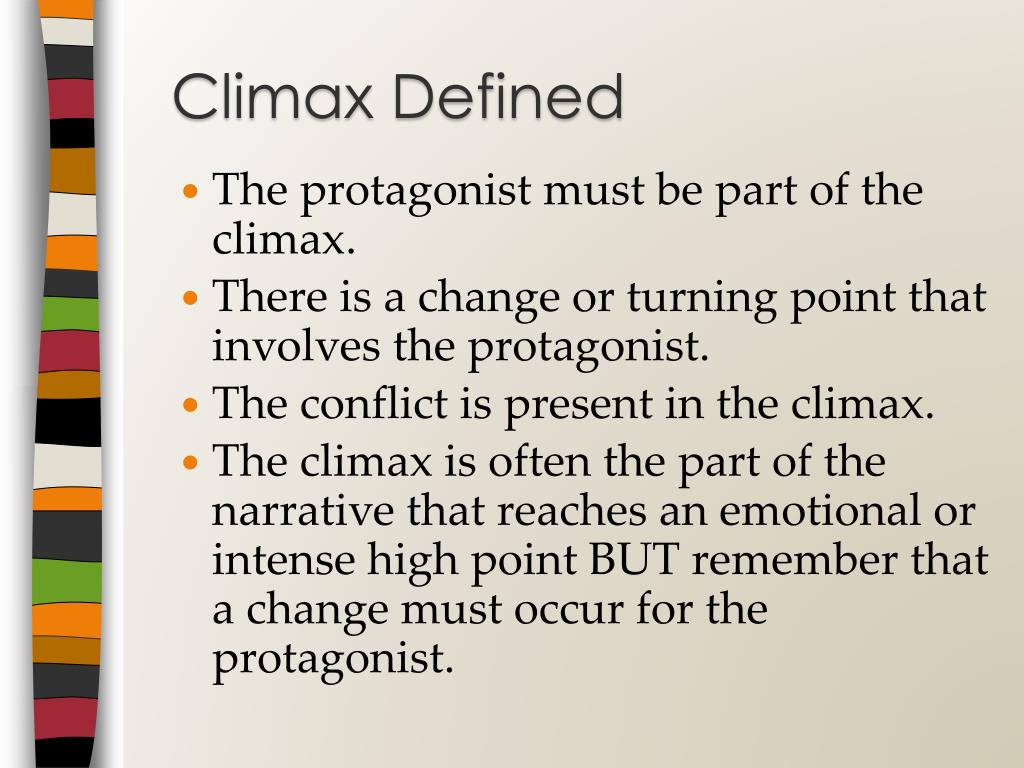
Seasonal Campaigns and the Peak-End Rule
Psychologists have identified the “Peak-End Rule,” which suggests that people judge an experience largely based on how they felt at its peak and at its end. Brand strategists use this to design seasonal campaigns. For instance, holiday marketing often builds toward a specific “climax”—Christmas Day or Black Friday—ensuring that the most intense emotional messaging is saved for the peak of the season to ensure long-term brand recall.
Leveraging Experiential Marketing
In the digital age, physical experience has become a premium tool for creating a climax. Pop-up shops, immersive events, and interactive installations are designed to provide a sensory peak. These moments allow consumers to “live” the brand story, creating a climax that is felt rather than just seen on a screen.
Case Studies: Brands That Mastered the Climax
To truly understand what a climax means in a professional branding context, we must look at the masters of the craft. These organizations don’t just sell; they build toward peaks.
Apple’s Keynote Strategy: The “One More Thing” Climax
For decades, Steve Jobs used the “One More Thing” trope to create a literal climax in his presentations. After the audience thought the narrative was over, he would introduce a final, high-impact revelation. This ensured the climax happened at the very end of the experience, leaving the audience at a state of peak emotional arousal as they left the theater.
Nike and the Hero’s Journey
Nike’s brand strategy is almost entirely built on the climax of athletic achievement. Their advertisements rarely focus on the features of a shoe. Instead, they focus on the “climax” of the race—the moment of victory, the breaking of a sweat, the overcoming of an obstacle. By positioning their brand at the climax of the human struggle, Nike associates its logo with the peak of human performance.
Coca-Cola and the Peak of Refreshment
Coca-Cola doesn’t sell brown carbonated water; they sell the “climax of refreshment.” Their strategy focuses on the “First Sip” moment. The sound of the can opening (the “fizz”) and the visual of the condensation are all narrative tools leading to the climax: the sensory satisfaction of the first taste.
Sustaining Momentum Post-Climax
A common mistake in brand strategy is failing to plan for what happens after the peak. In literature, this is called the “Falling Action” and “Resolution.”
Transitioning to the Falling Action
Once the climax of a purchase or a launch is over, the brand must manage the “Falling Action.” This involves post-purchase support, onboarding, and community building. If the brand disappears after the climax, the consumer feels abandoned. The goal is to transition the high energy of the climax into a steady state of satisfaction.
Building the Resolution: Post-Purchase Satisfaction
The “Resolution” in a brand story is the long-term integration of the product into the consumer’s life. Successful brands ensure that the resolution leads back into a new “Introduction,” creating a circular narrative where one climax leads to the anticipation of the next. This is the essence of the “Product Lifecycle” and “Customer Lifetime Value (CLV).”
The Danger of the “Anti-Climax”
In branding, an anti-climax occurs when the hype exceeds the reality. This is the “Fyre Festival” effect. When a brand spends millions building anticipation (Rising Action) but delivers a subpar product or service, the climax becomes a point of failure rather than a point of triumph. In the age of social media, an anti-climax can go viral, permanently staining a corporate identity.

Conclusion: The Strategic Necessity of the Peak
So, what does “climax” mean in the world of brand strategy? It is the heartbeat of a brand’s narrative. It is the intentional design of a peak experience that converts a stranger into a customer and a customer into a fan.
Without a climax, a brand is just a series of features and benefits—a flat line that fails to capture the imagination. By understanding the structure of the story, the psychology of the “Peak-End Rule,” and the necessity of sustaining momentum, brand strategists can move beyond simple marketing. They can create moments that define a consumer’s lifestyle, ensuring that their brand isn’t just a choice, but a culminating experience.
aViewFromTheCave is a participant in the Amazon Services LLC Associates Program, an affiliate advertising program designed to provide a means for sites to earn advertising fees by advertising and linking to Amazon.com. Amazon, the Amazon logo, AmazonSupply, and the AmazonSupply logo are trademarks of Amazon.com, Inc. or its affiliates. As an Amazon Associate we earn affiliate commissions from qualifying purchases.