
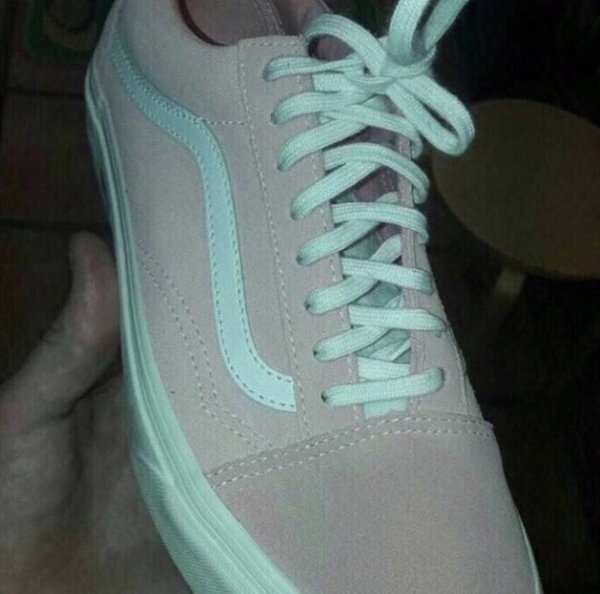
The seemingly simple question, “What color is that shoe?” belies a complex interplay of technology, perception, and commerce. In a world increasingly dominated by digital interfaces and visual content, understanding how color is perceived, communicated, and ultimately influences purchasing decisions is no longer a matter of mere aesthetics. It’s a crucial element in how brands engage with consumers, how designers translate concepts into reality, and how artificial intelligence is revolutionizing our ability to analyze and even manipulate visual information. This article delves into the technological underpinnings that answer this fundamental question, exploring how advancements in display technology, color science, AI, and imaging are transforming our relationship with the visual world, particularly in the realm of consumer goods like footwear.
The Science of Seeing: Display Technologies and Color Fidelity
The journey from a shoe on a shelf to a digital representation on a screen is fraught with potential inaccuracies in color reproduction. The very way we perceive color is a biological and neurological process, and translating that into the digital realm requires sophisticated technological solutions. The accuracy and fidelity of display technologies are paramount in ensuring that the “color of that shoe” as seen by a consumer online is as close as possible to its physical reality.
Pixels, Phosphors, and the Spectrum of Light
At the heart of digital displays lies the pixel, the smallest controllable element. Each pixel is typically comprised of sub-pixels that emit light in primary colors – red, green, and blue (RGB) – which then combine to create a vast spectrum of perceived colors. The quality of these sub-pixels, their brightness, and their ability to accurately represent specific wavelengths of light directly impact color reproduction. Modern displays utilize various technologies, from Liquid Crystal Displays (LCDs) with their complex backlight and filter systems to Organic Light-Emitting Diodes (OLEDs) where each pixel generates its own light, offering superior contrast and color saturation.
The gamut of colors a display can reproduce is also a critical factor. Color gamuts, such as sRGB, Adobe RGB, and DCI-P3, define specific ranges of colors. A wider gamut allows for a richer and more nuanced representation of colors, meaning the subtle shades of a particular red or blue on a shoe are more likely to be accurately displayed. For e-commerce, where consumers rely heavily on product images, understanding the color gamut capabilities of their own devices and the target audience’s devices becomes a significant technical consideration for brands aiming for consistent representation.
Calibration and Color Management Systems
Even with advanced display hardware, achieving consistent color across different devices and viewing conditions requires robust color management systems. Calibration tools, both hardware (like spectrophotometers) and software, are essential for ensuring that a display is accurately representing colors. These tools measure the output of the display and compare it against known color standards, allowing for adjustments to be made.
For industries where color is a critical differentiator, such as fashion and footwear, color management extends beyond individual devices. It involves maintaining color consistency from the initial design phase, through manufacturing, and onto the final digital presentation. This often involves using standardized color spaces and ensuring that all digital assets – from product photography to website rendering – adhere to these standards. Without these meticulous processes, the intended color of a shoe could be drastically altered by the time it reaches the consumer’s screen, leading to disappointment and lost sales. The technology here is not just about creating color, but about controlling and communicating it with precision.
The Digital Eye: Imaging, Photography, and AI’s Visual Intelligence
The initial capture of a shoe’s color is as crucial as its display. Advances in digital imaging technology and the burgeoning field of Artificial Intelligence are fundamentally changing how we capture, analyze, and even interpret visual data, directly impacting how the “color of that shoe” is presented and understood.
High-Resolution Imaging and Advanced Sensors
The evolution of digital cameras, from early consumer models to professional-grade equipment, has brought about significant improvements in image quality and color accuracy. Modern camera sensors are capable of capturing a wider dynamic range, meaning they can record more detail in both the brightest and darkest areas of an image, preserving subtle color variations. Higher megapixel counts translate to greater detail, allowing for closer examination of textures and hues.
Furthermore, specialized imaging techniques are being employed. For instance, multi-spectral imaging can capture light beyond the visible spectrum, providing richer data for color analysis. The development of RAW image formats, which capture unprocessed sensor data, offers photographers and designers greater flexibility in post-processing to accurately represent the original colors, avoiding the compression artifacts and color shifts often associated with JPEGs. The technology embedded in these imaging devices is the first gatekeeper of the shoe’s true color.
Artificial Intelligence in Color Analysis and Enhancement
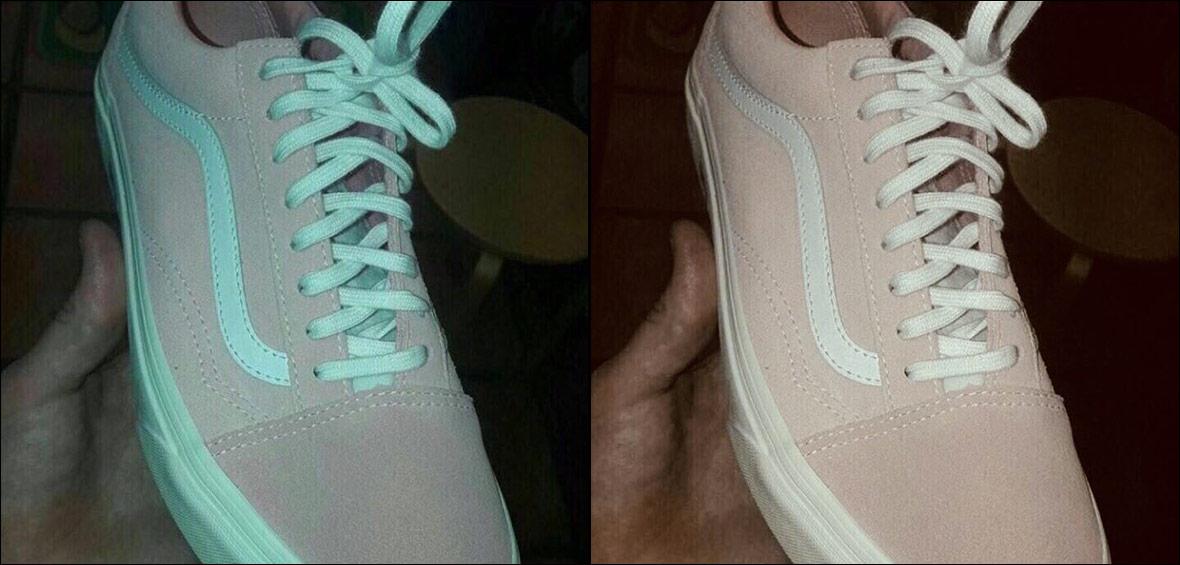
Artificial Intelligence is rapidly becoming an indispensable tool in understanding and manipulating color. AI algorithms can be trained to identify and differentiate between subtle color variations, a task that can be challenging even for the human eye, especially under varying lighting conditions.
Color Recognition and Classification: AI models can be trained to recognize specific color shades and patterns, providing objective descriptions of colors. This is invaluable for inventory management, product categorization, and ensuring brand consistency across vast product lines. Imagine an AI system that can scan thousands of shoe images and automatically classify them by their exact color (e.g., “Pantone 19-3926 TCX – Classic Blue” instead of just “blue”).
Image Enhancement and Color Correction: AI-powered image editing tools can automatically adjust color balance, exposure, and saturation to ensure that product photos are visually appealing and color-accurate. This is particularly useful for e-commerce platforms dealing with a high volume of product imagery, where manual editing can be time-consuming and inconsistent. AI can learn the optimal color rendition for a specific product type, ensuring that a red shoe always appears as a vibrant, true red, regardless of the original shooting conditions.
Perceptual Color Matching: Beyond mere spectral analysis, AI is beginning to understand how humans perceive color. By analyzing datasets of human responses to different color stimuli, AI can develop models that predict how a color will be perceived, factoring in elements like surrounding colors, lighting, and even cultural associations. This is a significant step towards ensuring that the digital representation of a shoe’s color resonates with the consumer’s expectation and preference.
The Commerce of Color: From Product Design to Consumer Choice
The question of “What color is that shoe?” is inextricably linked to commerce. Color is a powerful driver of consumer preference, brand identity, and market trends. Technology plays a pivotal role in every stage of this process, from conception to purchase.
Designing the Hue: Software and Simulation
The journey of a shoe’s color begins in the digital design studio. Sophisticated design software allows designers to select, manipulate, and visualize colors with unprecedented precision. These tools leverage extensive color libraries, often tied to industry standards like Pantone, enabling designers to specify exact hues, saturations, and brightness levels.
3D Modeling and Virtual Prototyping: Advanced 3D modeling software, often integrated with advanced rendering engines, allows designers to create photorealistic visualizations of shoes in various colors and materials. This virtual prototyping process drastically reduces the need for physical samples, saving time and resources. Designers can experiment with an infinite palette of colors and see how they interact with different textures and finishes before a single physical shoe is produced. This capability is crucial for trend forecasting and rapid iteration of design concepts.
Material Simulation and Light Interaction: Modern design software can simulate how different materials (leather, suede, synthetic fabrics) will reflect and absorb light, influencing the perceived color. This understanding is critical, as the same pigment can appear drastically different on a matte leather versus a shiny patent finish. Technologies that simulate the physics of light interaction with surfaces are vital for ensuring that the color chosen in the digital realm translates effectively to the physical product.
E-commerce and the Digital Shelf: Bridging the Gap
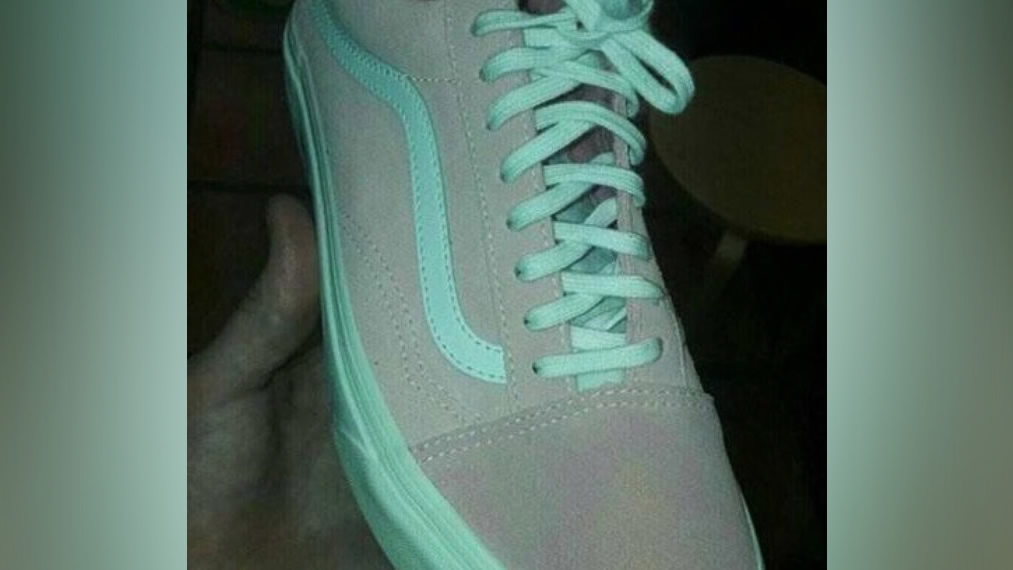
The online retail environment presents unique challenges and opportunities for communicating color. Without the ability to physically touch and see a product, the digital representation of color becomes the primary influencer of purchasing decisions.
High-Fidelity Product Photography: As discussed earlier, the technology behind product photography is paramount. Brands invest heavily in professional studios, lighting equipment, and skilled photographers to capture the most accurate and appealing representations of their footwear. This includes using color calibration charts in shots to provide an objective reference for color accuracy during post-processing.
Augmented Reality (AR) for Virtual Try-On: Augmented reality technology is beginning to bridge the gap between digital and physical. AR apps allow consumers to virtually “try on” shoes, overlaying a 3D model of the shoe onto their feet via their smartphone camera. While still evolving, AR can provide a more immersive and interactive experience, allowing consumers to see how different colors might look on them in their own environment, under their own lighting conditions. This technology directly addresses the “what color is that shoe?” question by offering a personalized, albeit simulated, visual experience.
AI-Powered Personalization and Recommendation Engines: AI algorithms analyze user behavior, browsing history, and past purchases to recommend products. They can also be trained to understand color preferences. For example, if a user consistently browses for shoes in shades of blue, an AI recommendation engine might prioritize showcasing blue footwear. Furthermore, AI can identify subtle color trends and proactively highlight new colorways that are likely to appeal to specific customer segments.
In conclusion, the humble question, “What color is that shoe?” opens a Pandora’s Box of technological innovation. From the fundamental science of light and display to the sophisticated algorithms of artificial intelligence, technology is constantly striving to ensure that the color we perceive digitally is an accurate and compelling representation of reality. As technology continues to advance, the line between the physical and digital worlds will blur further, offering consumers increasingly immersive and informed ways to engage with the colors that define our world, one shoe at a time.
aViewFromTheCave is a participant in the Amazon Services LLC Associates Program, an affiliate advertising program designed to provide a means for sites to earn advertising fees by advertising and linking to Amazon.com. Amazon, the Amazon logo, AmazonSupply, and the AmazonSupply logo are trademarks of Amazon.com, Inc. or its affiliates. As an Amazon Associate we earn affiliate commissions from qualifying purchases.