
The persistent presence of nits and head lice, while a common concern, often prompts fundamental questions about their physical characteristics, most notably their color. While seemingly a simple biological query, understanding the visual cues of these tiny ectoparasites and their egg casings is the crucial first step in their effective identification and subsequent eradication. In the realm of technological advancements, precision in observation and diagnosis is paramount. This exploration delves into the visual spectrum of nits and lice, not just from a biological standpoint, but through the lens of how technology aids in their detection, analysis, and the development of sophisticated eradication methods. From advanced magnification tools to diagnostic imaging and the AI-driven analysis of treatment efficacy, the technological ecosystem surrounding this age-old problem is far more advanced than a casual observer might assume.
The Visual Spectrum: Understanding the Appearance of Nits and Lice Through Technology
Distinguishing Nits from Dandruff: The Role of Magnification and Illumination
The most immediate challenge in identifying nits and lice often lies in differentiating them from other common scalp conditions, particularly dandruff. Dandruff flakes are typically white or off-white and can be easily mistaken for nits. However, technology provides us with tools to overcome this ambiguity.
Microscopic Examination and Digital Imaging:
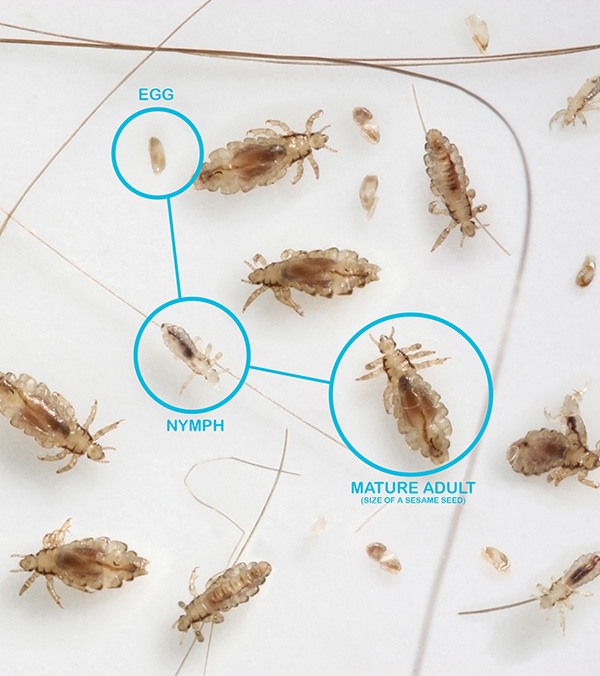
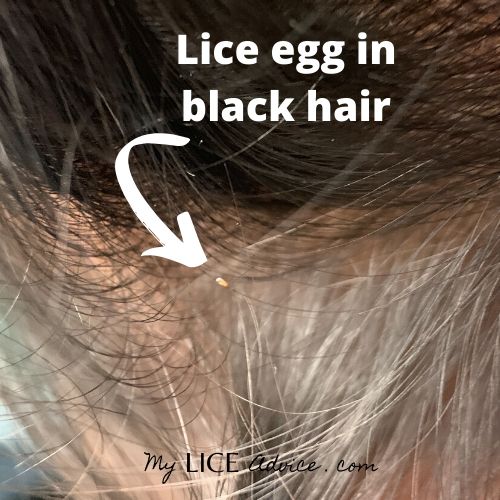
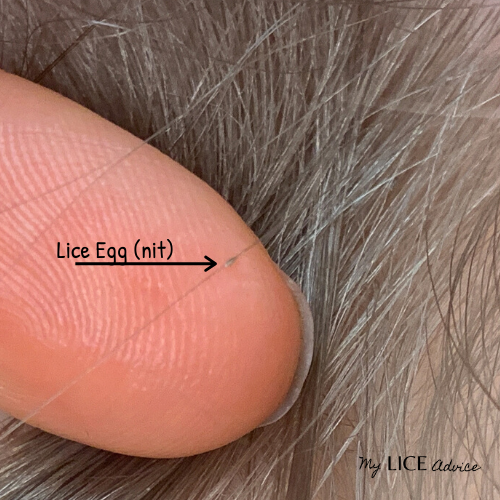
Historically, the naked eye was the primary tool for detection. Today, digital microscopes and high-resolution magnifying cameras, often integrated into handheld devices or specialized inspection tools, offer unprecedented clarity. These devices can magnify nits and lice to a degree that their distinct characteristics become readily apparent. For instance, while dandruff flakes are often irregular in shape and easily dislodged, nits adhere firmly to hair shafts, typically a few millimeters from the scalp. Under magnification, the oval shape of a nit, its pearly white to yellowish color, and its cemented attachment become undeniable. Similarly, adult lice, which are typically tan to grayish-white, reveal their segmented bodies and legs through the lens of a digital microscope.
LED Illumination Technologies:
The effectiveness of magnification is further enhanced by advanced illumination technologies. Specially designed LED lights, often incorporating specific wavelengths, can highlight subtle differences in texture and color that might otherwise be missed. UV light, for example, can sometimes cause nits to fluoresce faintly, aiding in their detection, though this is not a universally reliable method and depends on the specific composition of the nit casing. More commonly, bright, focused white LED light from inspection devices can cast shadows and reveal the three-dimensional structure of a nit attached to a hair shaft, making it stand out against the background. This technological approach transforms a potentially frustrating visual hunt into a more definitive diagnostic process.
Adult Lice: Color Variations and Behavioral Clues Revealed by Imaging
Adult lice, the mobile stage of the infestation, also exhibit color variations that are important for identification, and technology plays a role in observing these nuances and their behaviors.
Color Palettes of Pediculosis Humanus Capitis:
The common head louse, Pediculus humanus capitis, typically ranges in color from tan to grayish-white. However, their coloration can be influenced by factors such as their recent blood meal. After feeding, they may appear darker, sometimes reddish-brown, for a short period. While direct observation is possible, advanced imaging techniques can capture these subtle color shifts and provide more objective data for identification. High-resolution cameras on diagnostic devices can document the presence of live lice, and their movement patterns can also be analyzed.
Infrared and Thermal Imaging (Emerging Applications):
While not yet mainstream for everyday nit and lice checks, research and development in infrared and thermal imaging technologies are exploring their potential in pest detection. These technologies could, in theory, identify the subtle heat signatures of live lice against the background temperature of the scalp. This could be particularly useful in identifying larger infestations or in clinical settings where objective confirmation is needed. Furthermore, the ability to record and analyze video footage from these imaging devices allows for a more thorough review of potential findings, moving beyond the fleeting observation of the naked eye or basic magnification.
Technological Interventions: From Detection Tools to Treatment Innovations
Advanced Detection Devices and Diagnostic Platforms
The quest to accurately identify nits and lice has spurred the development of a range of technological detection devices, moving beyond traditional combs and visual inspection.
Smart Combs and Automated Detection Systems:
The concept of the “smart comb” is an evolving area. While currently more in the research and development phase, envisioned smart combs could incorporate miniature sensors or cameras to detect the physical presence of lice or nits as the comb moves through the hair. These devices could then wirelessly transmit data to a smartphone app, flagging potential infestations and even mapping their location. Such innovations promise to automate and enhance the precision of the detection process, reducing the reliance on subjective human observation.
AI-Powered Image Analysis for Infestation Identification:
Artificial intelligence (AI) is rapidly transforming diagnostic capabilities across various fields, and head lice detection is no exception. Researchers are developing AI algorithms capable of analyzing images of the scalp captured by high-resolution cameras or specialized inspection devices. These algorithms are trained on vast datasets of images containing nits and lice, allowing them to learn to identify these parasites with remarkable accuracy, even in challenging visual conditions. AI can differentiate between nits, lice, and other debris more reliably than a human can in many cases, offering a more objective and consistent diagnostic outcome. This technology has the potential to revolutionize public health screenings and clinical diagnostics.
Digital Tools for Treatment Efficacy and Monitoring
Once an infestation is identified, technology continues to play a crucial role in managing and eradicating it, and in monitoring the effectiveness of treatments.
Virtual Consultations and Tele-Dermatology:
The advent of tele-health platforms has opened new avenues for addressing infestations remotely. Individuals can utilize their smartphones to capture images or videos of their scalp, which are then shared with healthcare professionals or specialized lice removal services. These professionals can then provide expert diagnosis and recommend appropriate treatment strategies via virtual consultations. This significantly reduces the need for in-person visits, making expert advice more accessible and convenient, especially for individuals in remote areas or those with mobility issues.
Data Analytics for Treatment Pattern Recognition:
The effectiveness of various lice treatment products and methods can be rigorously analyzed through data. When combined with advanced detection devices that can quantify infestation levels, technology enables the collection of data on treatment success rates, time to eradication, and recurrence patterns. This data, when aggregated and analyzed, can inform public health advisories, guide product development, and help identify optimal treatment protocols. Furthermore, anonymized data from user-submitted reports via apps or online portals can contribute to larger-scale studies on lice resistance to common treatments, a critical area of ongoing research.
The Future of Nits and Lice Management: Technological Synergies
Bio-integrated Sensors and Wearable Technology
The ongoing evolution of sensor technology and wearable devices hints at future possibilities for continuous monitoring and proactive detection of ectoparasitic infestations. Imagine a future where miniature, bio-integrated sensors, perhaps woven into hair accessories or headbands, could be programmed to detect the subtle chemical or physical markers associated with lice and nits. These sensors could then alert the wearer or a designated caregiver through a connected app, allowing for very early intervention. While this is still largely in the realm of speculative technology, the rapid advancements in miniaturization, materials science, and wireless communication suggest that such proactive, passive detection methods are not beyond the horizon.
Nanotechnology and Advanced Eradication Techniques
The application of nanotechnology in pest control is a burgeoning field, and its potential impact on head lice eradication is significant. Nanoparticles, due to their small size and high surface area-to-volume ratio, can exhibit unique properties. For instance, researchers are exploring the use of nanoparticles embedded in combs or shampoos that could, upon contact, disrupt the exoskeleton or vital functions of lice and nits. Furthermore, advancements in materials science could lead to the development of “smart” fabrics for bedding and headwear that actively repel or even neutralize lice and nits. While these technologies are still in their nascent stages of development for head lice, they represent a frontier where technological innovation could offer highly effective and targeted solutions, moving beyond traditional chemical treatments.
In conclusion, while the question “what color are nits and lice?” might seem to solicit a simple biological answer, its implications extend deeply into the technological landscape. From the sophisticated optical and digital tools that allow for precise identification, to the burgeoning fields of AI and nanotechnology promising advanced eradication methods, technology is fundamentally reshaping our approach to understanding, detecting, and combating these persistent parasites. The ongoing synergy between biological understanding and technological innovation ensures that the future of managing nits and lice will be more precise, effective, and ultimately, less invasive.
aViewFromTheCave is a participant in the Amazon Services LLC Associates Program, an affiliate advertising program designed to provide a means for sites to earn advertising fees by advertising and linking to Amazon.com. Amazon, the Amazon logo, AmazonSupply, and the AmazonSupply logo are trademarks of Amazon.com, Inc. or its affiliates. As an Amazon Associate we earn affiliate commissions from qualifying purchases.