
In the landscape of global marketing, few artifacts are as universally recognized as the McDonald’s Happy Meal toy. While a casual observer might see a simple piece of plastic or a small plush figure, brand strategists recognize it as one of the most successful customer acquisition and retention tools in corporate history. Since its national debut in 1979, the Happy Meal toy has transcended its status as a “free gift” to become a cornerstone of the McDonald’s brand identity, a powerful vehicle for cross-promotion, and a masterclass in emotional branding.

To understand what the Happy Meal toys are today, one must look beyond the physical objects and analyze the sophisticated brand strategy that fuels their production. McDonald’s has effectively turned a nutritional convenience into a cultural event, leveraging the power of “play” to build lifelong brand equity.
The Evolution of a Marketing Masterpiece
The Happy Meal was not an accidental success; it was a calculated move to capture a specific demographic: the family unit. Before the Happy Meal, fast food was largely transactional. By introducing a toy, McDonald’s shifted the value proposition from the food itself to the “experience” of the meal.
From Regional Experiment to Global Standard
The concept originated with a regional advertising manager in St. Louis and was later refined by Yolanda Fernández de Cofiño in Guatemala. However, when it launched nationally in the U.S. with the “Circus Wagon” theme, it changed the trajectory of the brand. By bundling a toy with a kid-sized meal, McDonald’s effectively commoditized joy. This established a brand promise that persists today: McDonald’s is a destination for fun, not just a place for sustenance.
The Art of the Cross-Promotion
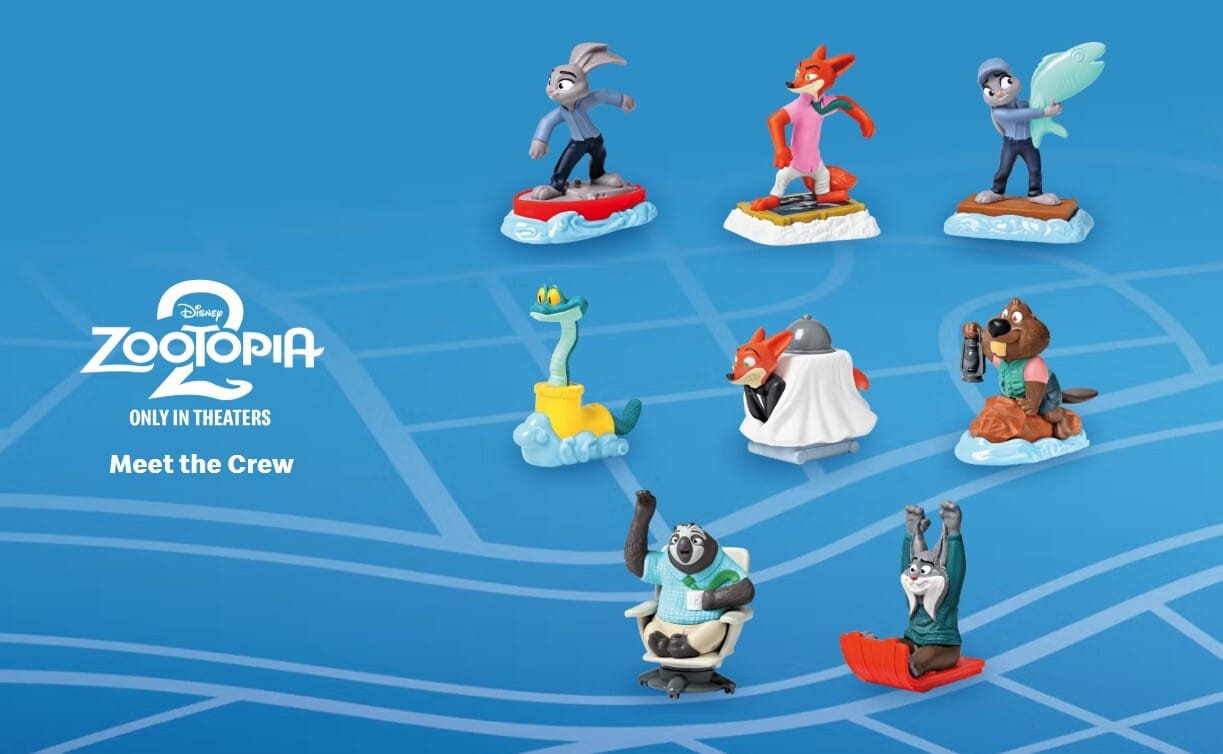
The 1980s and 90s saw the Happy Meal evolve into a promotional powerhouse. By partnering with major film studios, McDonald’s turned its restaurants into physical extensions of the cinema. Whether it was Star Trek, Star Wars, or Disney classics, the toy became a tangible piece of a larger cultural narrative. This strategic alignment meant that McDonald’s wasn’t just selling hamburgers; they were selling a piece of the year’s biggest entertainment events. For the brand, this meant constant relevance. Every few weeks, the “What is the Happy Meal toy?” question provided a fresh reason for families to return.
Strategic Partnerships and IP Synergy
The brilliance of the Happy Meal toy lies in its ability to leverage Intellectual Property (IP). McDonald’s does not merely manufacture toys; it curates experiences based on what is currently dominant in the cultural zeitgeist. This requires a sophisticated brand strategy involving multi-year licensing agreements and high-level corporate negotiations.
Licensing as a Brand Growth Engine
McDonald’s has historically maintained “preferred partner” status with giants like Disney, Warner Bros., and Nintendo. These partnerships are mutually beneficial. For the IP owner, the Happy Meal provides a massive distribution network and a physical touchpoint in thousands of communities. For McDonald’s, these partnerships provide “borrowed equity.” By associating with beloved characters like Mickey Mouse or the Minions, McDonald’s absorbs some of the positive emotional sentiment associated with those brands.
Exclusivity and the ‘Fear of Missing Out’ (FOMO)
A key component of the Happy Meal brand strategy is the “collection” aspect. Toys are rarely released in isolation; they are released in sets. This triggers a psychological drive toward completion. From a brand perspective, this creates repeat business within a very short window—usually three to four weeks. If a child wants all eight toys in a Pokémon or Super Mario set, the family is likely to visit multiple times during that promotion. This creates a high-frequency habit, embedding the McDonald’s brand into the family’s weekly routine.
Brand Loyalty and the Multi-Generational Lifecycle
The most profound impact of the Happy Meal toy is its role in the long-term brand lifecycle. McDonald’s understands that a child who has a positive experience with a Happy Meal is more likely to become a loyal adult customer. This is known as “cradle-to-grave” marketing, though in a more professional brand context, it is referred to as building high Customer Lifetime Value (CLV).
Emotional Branding: Creating Core Memories
Psychologically, the Happy Meal toy acts as a “reward.” The dopamine hit associated with opening the red-and-yellow box and discovering the surprise inside creates a powerful neurological link between the McDonald’s brand and feelings of happiness. Over decades, these individual moments of joy coalesce into brand loyalty. When these children grow up, they associate the Golden Arches with the safety and excitement of their youth.
The Parent Factor: Nostalgia as a Marketing Tool
McDonald’s brand strategy also targets the gatekeepers: the parents. Modern parents, who grew up during the “Golden Age” of Happy Meal toys in the 80s and 90s, now view the product through a lens of nostalgia. This emotional connection makes them more likely to bring their own children to McDonald’s, seeking to replicate their own positive childhood experiences. The brand successfully bridges the generational gap, positioning itself as a shared family tradition rather than just a fast-food outlet.
Adapting to Modern Values: Sustainability and Digital Integration
As consumer values shift, so must the brand strategy. In recent years, McDonald’s has faced pressure regarding the environmental impact of millions of plastic toys. Simultaneously, the brand must compete with digital entertainment for the attention of a “digitally native” generation of children.
The Shift Toward Eco-Friendly Play
In response to global concerns about plastic waste, McDonald’s announced a commitment to significantly reduce virgin plastic in its Happy Meal toys. This is a critical brand pivot. By moving toward paper-based toys, books, and recycled materials, McDonald’s is aligning its brand with the sustainability values of the modern parent. This transition is not just about environmentalism; it is about “brand permission.” To remain a staple in the lives of environmentally conscious Gen Z and Millennial parents, the brand must prove it can innovate responsibly.
Phygital Experiences: Bridging the Gap Between Plastic and Pixels
To stay relevant in an era of iPads and gaming consoles, McDonald’s has introduced “phygital” (physical + digital) elements. Many Happy Meal toys now include QR codes that unlock games or augmented reality (AR) experiences within the McDonald’s app. This strategy serves two purposes: it extends the “playtime” of the toy beyond the physical object, and it drives traffic to the brand’s digital ecosystem, where they can collect data and offer personalized marketing to the household.
Case Study: The Adult Happy Meal and Brand Re-imagination
Perhaps the most significant evidence of the Happy Meal’s brand power is the recent success of the “Adult Happy Meal” (notably the Cactus Plant Flea Market Box). This campaign proved that the Happy Meal toy is not just for children—it is a potent cultural icon.
Reclaiming the ‘Kidult’ Market
By partnering with high-end streetwear brands and reimagining nostalgic characters like Grimace and the Hamburglar, McDonald’s tapped into the “kidult” trend. This demographic—adults who consume products traditionally aimed at children—is a goldmine for brands. The Adult Happy Meal sold out across the country, proving that the brand’s grip on nostalgia is a powerful economic driver. It transformed a childhood staple into a limited-edition collectible, demonstrating the brand’s versatility.

Lessons in Brand Relevancy
The success of these campaigns teaches us that a brand should never outgrow its core identity. McDonald’s core identity is “feel-good moments.” Whether the toy is a plastic figurine for a five-year-old or a designer collectible for a twenty-five-year-old, the underlying brand strategy remains the same: use an object of play to create an emotional connection with the consumer.
In conclusion, “what the Happy Meal toys are” is far more than a list of current promotions. They are the physical manifestation of a multi-billion dollar brand strategy designed to capture hearts, minds, and market share. By mastering the art of the partnership, leveraging the power of nostalgia, and adapting to contemporary values, McDonald’s has ensured that the Happy Meal remains one of the most effective brand assets in the history of global commerce. The toy in the box is not just a gift; it is a bridge between a global corporation and the personal memories of billions of people.
aViewFromTheCave is a participant in the Amazon Services LLC Associates Program, an affiliate advertising program designed to provide a means for sites to earn advertising fees by advertising and linking to Amazon.com. Amazon, the Amazon logo, AmazonSupply, and the AmazonSupply logo are trademarks of Amazon.com, Inc. or its affiliates. As an Amazon Associate we earn affiliate commissions from qualifying purchases.