
In the early days of nutritional science, determining the energy content of a specific dish required a laboratory, a bomb calorimeter, and a deep understanding of thermodynamics. Today, that same data is accessible within seconds via a smartphone or a wearable device. As we move deeper into the era of digital health and quantified self-tracking, the question of “how to calculate calories in food” has shifted from a manual mathematical chore to a sophisticated technological process driven by massive databases, artificial intelligence (AI), and integrated software ecosystems.
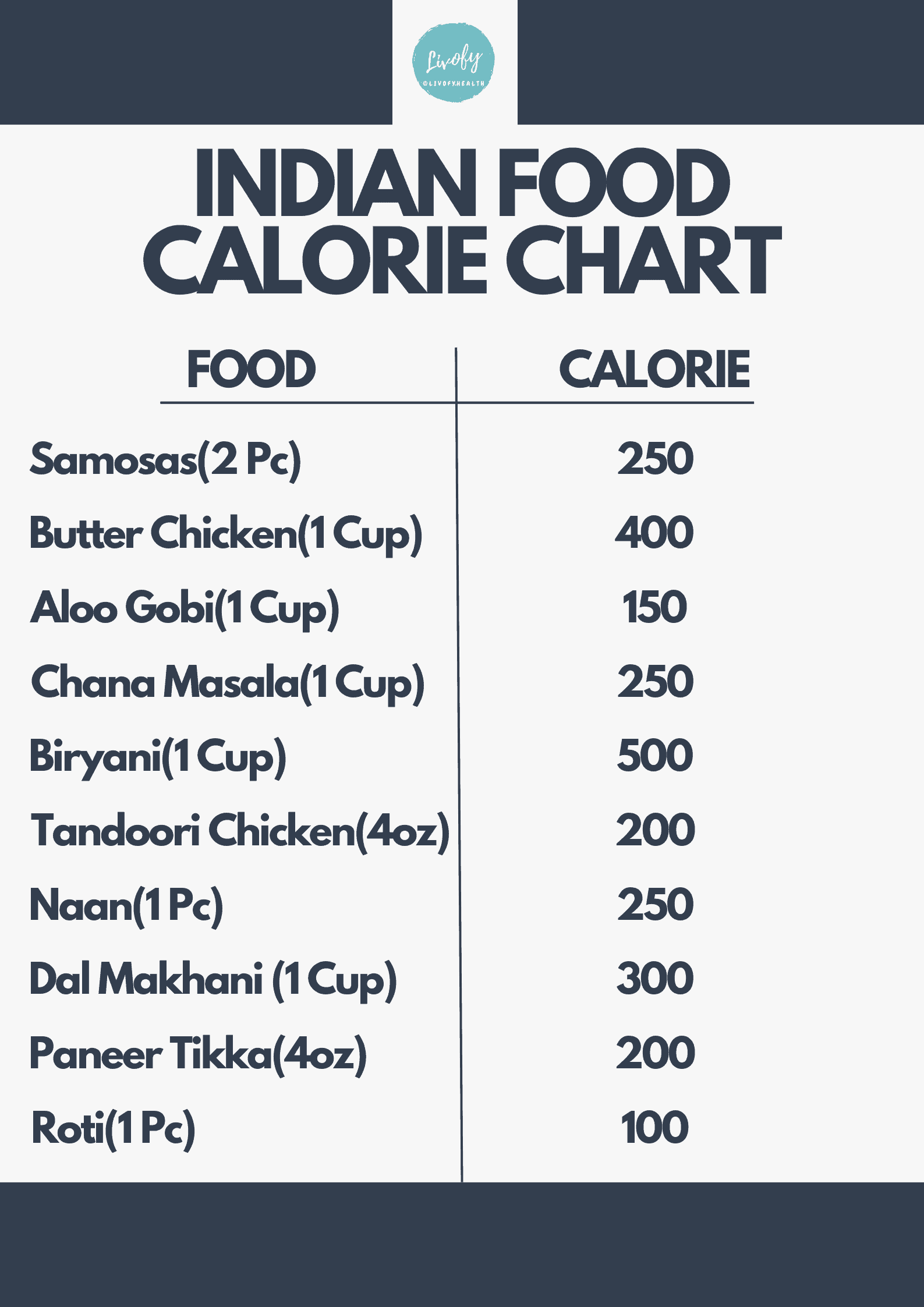
This article explores the technical mechanisms behind modern caloric calculation, the software architecture that powers popular nutrition apps, and the emerging AI tools that are making manual data entry a thing of the past.
The Software Architecture of Caloric Calculation
At its core, a calorie-counting application is a front-end interface connected to a massive relational database. When a user queries a specific food item, the software isn’t “calculating” the calorie count in real-time from scratch; rather, it is retrieving data points established by laboratory standards and performing high-speed arithmetic based on user-defined portions.
Database Integration and APIs
Most high-end nutrition apps—such as MyFitnessPal, Cronometer, or Lose It!—rely on a combination of proprietary data and public repositories. The most significant of these is the United States Department of Agriculture (USDA) FoodData Central. This database provides a comprehensive API (Application Programming Interface) that allows developers to pull validated nutritional profiles for hundreds of thousands of raw ingredients and branded products.
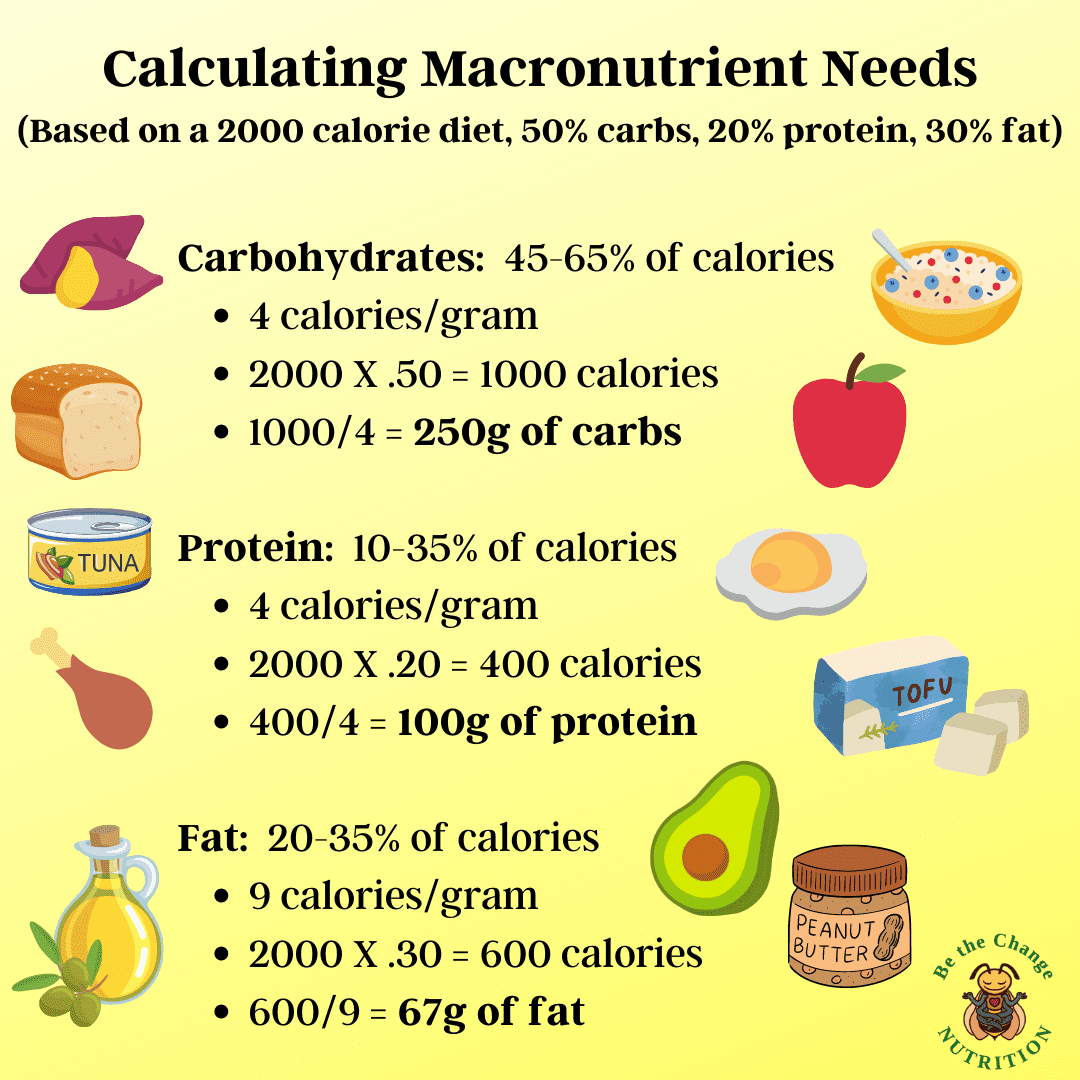
The software uses a standardized calculation based on the Atwater system, which assigns a specific energy value to macronutrients: 4 calories per gram of protein, 4 per gram of carbohydrate, and 9 per gram of fat. When you scan a barcode, the app identifies the Global Trade Item Number (GTIN), fetches the corresponding macronutrient profile from the database, and applies these multipliers to provide a total caloric estimate.
The Role of OCR and Barcode Scanning Technology
The most common “tech” way to calculate calories today is through Optical Character Recognition (OCR) and barcode scanning. When you point your phone camera at a UPC code, the software uses a vision-based library to convert the visual lines into a numeric string. This string acts as a primary key in a SQL database.
Advanced OCR has also enabled “label scanning,” where the software reads the text on a nutrition facts panel, identifies the numerical values for fats, proteins, and carbs, and automatically populates the user’s digital log. This removes the “fat-finger” error associated with manual data entry and ensures higher data integrity for the user’s health profile.
The Rise of AI and Computer Vision in Nutritional Analysis
While barcode scanning is effective for packaged goods, it fails when faced with a home-cooked meal or a restaurant dish without a label. This is where the cutting edge of Technology Trends—Computer Vision—enters the fray.
Deep Learning and Image Recognition
AI-driven apps are now utilizing deep learning models, specifically Convolutional Neural Networks (CNNs), to identify food items directly from a photograph. When a user takes a photo of a plate of food, the AI analyzes the pixels to identify specific components—distinguishing, for example, between a piece of grilled salmon and a piece of fried chicken.
This process involves several layers of analysis:
- Object Detection: Identifying all the different items on the plate.
- Semantic Segmentation: Mapping out the boundaries of each food item to estimate volume.
- Classification: Assigning a nutritional identity to each segment based on training data sets containing millions of labeled food images.
Volume Estimation and 3D Modeling
The primary technical hurdle in calculating calories via AI is “portion size.” A photo of a steak looks the same whether it is 4 ounces or 12 ounces. To solve this, developers are experimenting with “Reference Object” techniques or utilizing the LiDAR (Light Detection and Ranging) sensors found in modern smartphones like the iPhone Pro series.
LiDAR allows the app to create a 3D depth map of the food on the plate. By measuring the volume (cubic centimeters) of the food and knowing its density and caloric profile, the software can calculate the total energy content with a degree of precision that was previously impossible without a digital scale.
Wearables and the Integration of Metabolic Data
Calculating how many calories are in food is only half of the equation; modern technology focuses on “Net Calories.” This requires a seamless handshake between nutrition software and wearable hardware.
Synchronizing Intake with Expenditure
Ecosystems like Apple Health and Google Fit act as data aggregators. When you log a meal in a nutrition app, that data is pushed to a central repository. Simultaneously, your smartwatch or fitness tracker pulls data from its accelerometer, gyroscope, and heart rate sensor to estimate “Active Energy Burn.”
The sophistication of this tech lies in the algorithms that reconcile these two data streams. If a user logs 500 calories of carbohydrates, the software can monitor the subsequent rise and fall in activity levels or even heart rate variability (HRV) to provide insights into how that specific fuel source is being utilized by the body.
Biosensors and the Future of Real-Time Tracking
The “Holy Grail” of caloric technology is the Continuous Glucose Monitor (CGM). Companies like Levels and Nutrisense are repurposing medical hardware to help non-diabetics see how their bodies respond to food in real-time. By applying a wearable sensor that sits just under the skin, users can see their blood glucose levels on their phones via Bluetooth.
This technology doesn’t just calculate the calories in the food; it tracks the metabolic impact of those calories. If a “500-calorie” meal causes a massive glucose spike and subsequent crash, the software provides a “metabolic score.” This represents a shift from quantitative calorie counting to qualitative digital analysis.
Top Software Tools and Apps for Precision Calculation
For users looking to implement these technological solutions, the market is divided into three main categories of software, each with its own technical strengths.
1. Database Giants: MyFitnessPal and Lose It!
These apps are the industry standards due to the sheer volume of their databases. From a tech perspective, their strength is their “crowdsourced data verification” algorithms. Because millions of users enter data, these apps use statistical analysis to flag “verified” entries—ensuring that the calorie count for an “Apple” isn’t 500 calories due to a user’s typo.
2. High-Precision Tools: Cronometer
Cronometer is favored by the “Quantified Self” community because it prioritizes data from professional sources (like the NCCDB and USDA) rather than user-submitted data. Its technical advantage is its granular tracking of “Micronutrients” (vitamins and minerals). For users who want to see the biochemical breakdown of their food, Cronometer’s software offers the most robust reporting and data visualization tools.
3. AI-First Apps: SnapCalorie and Foodvisor
These represent the newest wave of nutrition tech. They are built specifically around the “Snap and Track” workflow. These apps invest heavily in server-side GPU processing to run complex computer vision models that can identify complex, multi-ingredient recipes from a single image. Their value proposition is a friction-less user experience, reducing the time spent logging from minutes to seconds.
The Future of Food Tech: Molecular Scanners and Beyond
Looking ahead, the technology used to calculate calories is moving toward molecular analysis.
Spectroscopic Food Analysis
Portable spectrometers are an emerging gadget category. These devices use Near-Infrared (NIR) spectroscopy to analyze the molecular “fingerprint” of a food item. By shining a light on the food and measuring the wavelengths that are reflected back, the device can determine the chemical composition of the item—including sugar, fat, and protein content—at a molecular level.
While currently expensive and often reserved for industrial use, the integration of spectroscopic sensors into consumer hardware would allow users to calculate calories in food without even knowing what the food is. The sensor would simply report: “This object contains 12g of sucrose and 5g of lipids.”
The Algorithmic Kitchen
We are also seeing the rise of “Smart Kitchens” where the calculation happens during the cooking process. Smart scales connected via Bluetooth to iPad-based recipe apps allow for “subtractive logging.” As you pour olive oil from a bottle sitting on a smart scale, the scale communicates the weight change to the app, which then calculates the calories in real-time. This integration of IoT (Internet of Things) devices creates a closed-loop system where nutritional data is captured at the point of origin.

Conclusion
The evolution of how to calculate calories in food is a testament to the power of digital convergence. What was once a tedious process of looking up values in a paper booklet and performing long-form addition has been replaced by a sophisticated stack of OCR, Cloud Databases, AI Computer Vision, and Wearable Biosensors.
As these technologies continue to mature—becoming faster, more accurate, and less intrusive—the “calculation” aspect of nutrition will eventually become invisible. We are moving toward a future where our digital environment understands the energy content of our food as intuitively as our phones understand our location, leading to a more data-driven and optimized approach to human health.
aViewFromTheCave is a participant in the Amazon Services LLC Associates Program, an affiliate advertising program designed to provide a means for sites to earn advertising fees by advertising and linking to Amazon.com. Amazon, the Amazon logo, AmazonSupply, and the AmazonSupply logo are trademarks of Amazon.com, Inc. or its affiliates. As an Amazon Associate we earn affiliate commissions from qualifying purchases.