
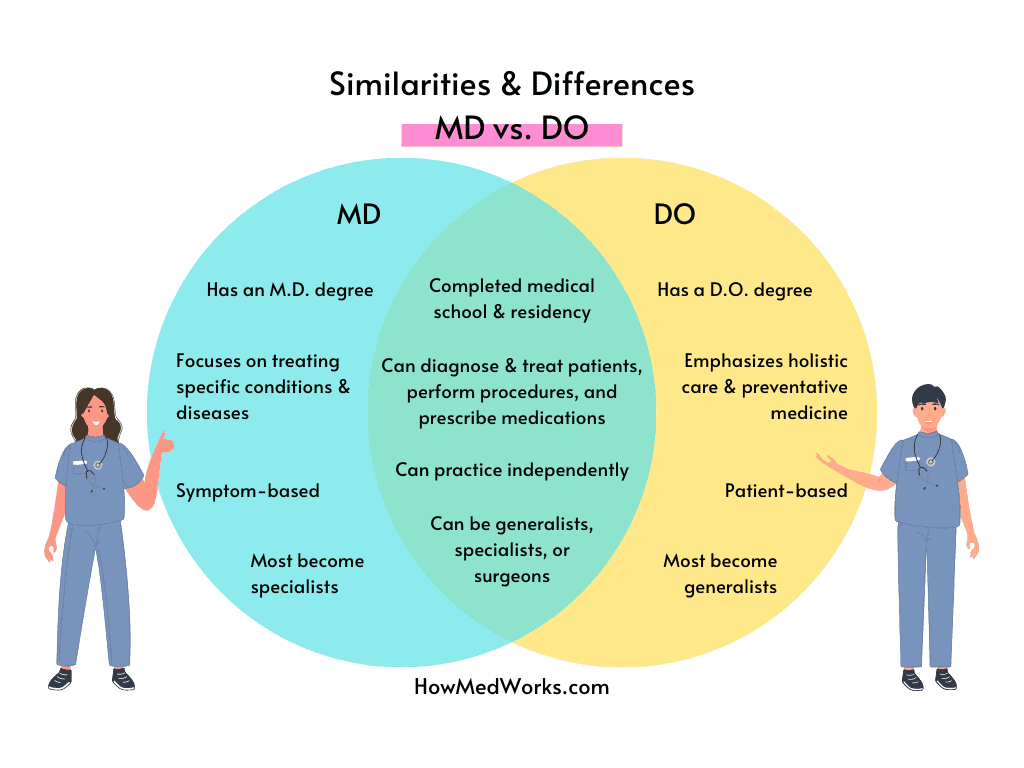
In the landscape of professional healthcare, the debate between pursuing a Doctor of Medicine (MD) and a Doctor of Osteopathic Medicine (DO) is often framed through the lens of clinical philosophy—allopathic versus holistic. However, for the modern prospective medical student or the career-changing professional, the distinction is increasingly a matter of financial strategy, capital investment, and long-term return on investment (ROI). With the cost of medical education skyrocketing and the complexity of physician compensation models evolving, understanding the “money” behind the degree is essential.
While both degrees afford the holder the legal right to practice medicine, perform surgery, and prescribe medication in all 50 states, the financial trajectories associated with each can differ significantly. From the initial capital outlay of tuition to the lifetime earning potential dictated by residency match rates in high-compensation specialties, the choice between MD and DO is a significant business decision.
The Initial Capital Outlay: Tuition Costs and Debt Loads
The journey to becoming a physician is one of the most expensive “buy-ins” of any professional career. When analyzing the financial differences between MD and DO degrees, the first variable is the cost of the education itself. Historically, many DO programs are housed within private institutions, whereas MD programs are distributed across both prestigious private universities and state-funded public institutions.
Private vs. Public Institutions: The Tuition Premium
Statistically, students attending private medical schools—which include a large majority of DO programs—face a higher tuition sticker price. Public MD programs often offer significantly discounted “in-state” tuition rates, which can save a student upwards of $150,000 over four years. Because there are fewer public osteopathic schools compared to allopathic ones, DO candidates frequently find themselves paying private-sector prices. From a wealth-management perspective, this higher initial debt load means that DO graduates often start their careers with a larger “negative net worth,” requiring more aggressive debt-servicing strategies in their early practicing years.
The Hidden Costs of the Application and Testing Cycle
Beyond tuition, the financial burden includes the cost of the licensing examinations. MD students typically take the USMLE (United States Medical Licensing Examination) series, while DO students must take the COMLEX-USA (Comprehensive Osteopathic Medical Licensing Examination). However, because many competitive residency programs prefer or require USMLE scores for comparison, a significant percentage of DO students end up paying for and taking both sets of exams. This “double-testing” fee, combined with the travel costs for clinical rotations—which are sometimes more decentralized in newer DO programs—represents a secondary layer of capital investment that can add thousands to the total cost of the degree.
Career Trajectories and Earning Potential
Once the degree is earned, the primary driver of ROI is the physician’s specialty. In the world of medical finance, there is a massive delta between the earnings of a primary care physician and a sub-specialized surgeon. This is where the MD/DO distinction has historically impacted personal wealth building.
The Specialty Gap: Primary Care vs. High-Compensation Fields
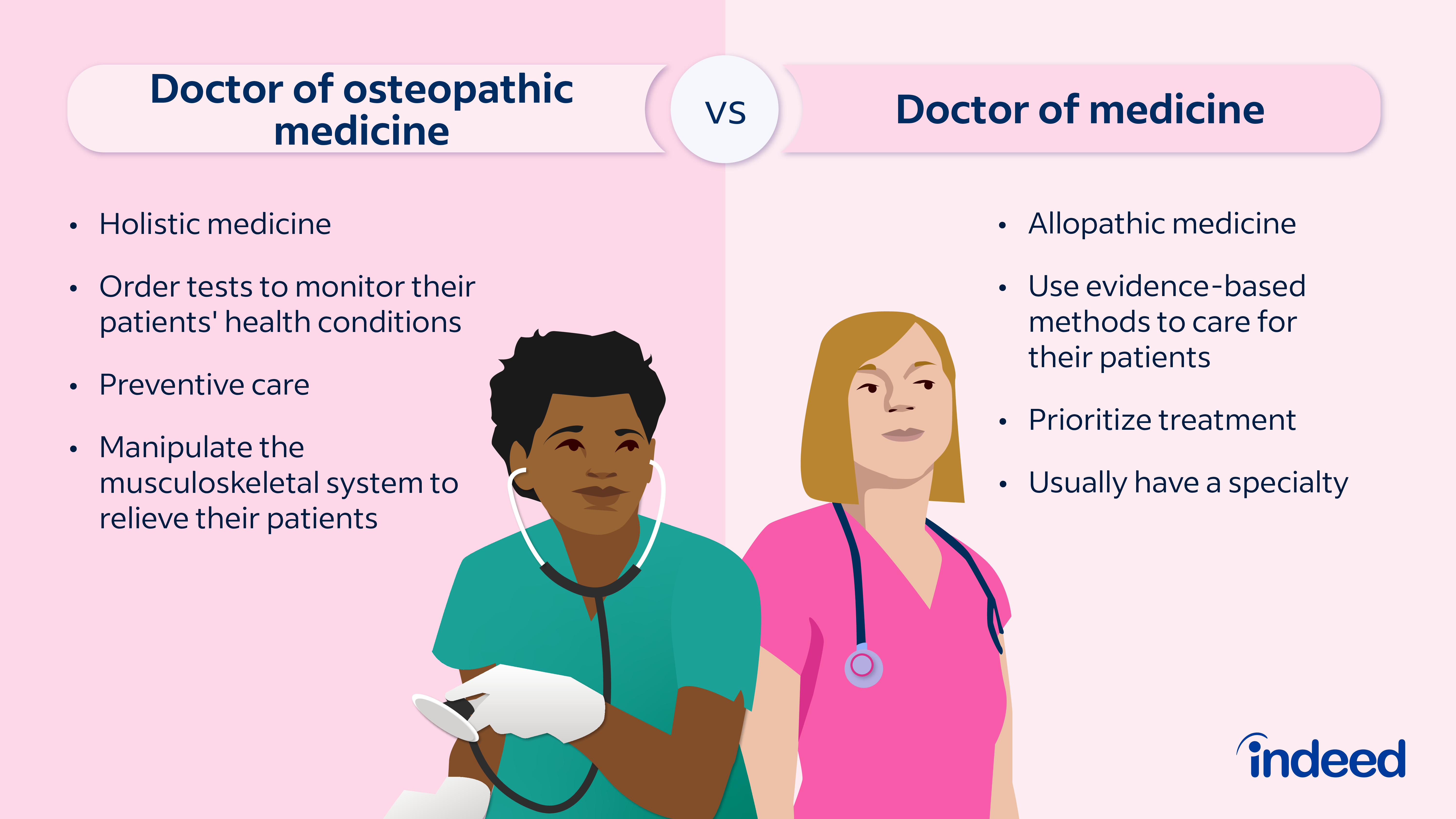
Data from the National Resident Matching Program (NRMP) consistently shows that while DOs are highly successful in matching into residency, they are disproportionately represented in primary care fields like Family Medicine, Internal Medicine, and Pediatrics. While these roles are essential, they typically command lower salaries than “ROAD” specialties (Radiology, Ophthalmology, Anesthesiology, and Dermatology) or surgical sub-specialties.
MD graduates have historically had a higher “match rate” into these ultra-competitive, high-billing specialties. From a financial planning standpoint, an MD who matches into Orthopedic Surgery will have a vastly different lifetime earnings curve than a DO who enters Family Practice. However, it is important to note that this gap is narrowing as the residency merger of 2020 created a single accreditation system, allowing DOs more equitable access to high-paying specialized tracks.
Hospitalist Salaries and Private Practice Profitability
Regardless of the initials behind their name, physicians today are increasingly choosing between becoming “W-2” hospital employees or “K-1” private practice owners. MDs and DOs in hospitalist roles generally earn similar base salaries based on fair market value (FMV) assessments. However, DOs who lean into the “holistic” brand often find success in private practice niches, such as sports medicine or pain management, where they can bill for Osteopathic Manipulative Treatment (OMT). This additional procedural billing code can serve as a unique revenue stream, potentially increasing the gross billings of a DO-led private practice compared to a general allopathic counterpart.
Geographic Arbitrage and Market Demand
A critical component of financial success in medicine is not just how much you make, but where you make it. Geographic arbitrage—the practice of earning a high income in a location with a low cost of living—is a powerful tool for physician wealth.
The Financial Incentives of Rural Medicine
DO programs have a long-standing mission of addressing physician shortages in rural and underserved areas. While some might view rural medicine as less prestigious, from a financial perspective, it is often a goldmine. Rural hospitals frequently offer significantly higher starting salaries, larger signing bonuses, and more comprehensive relocation packages to attract talent. Because DOs are statistically more likely to practice in these areas, they are often in a better position to leverage “market scarcity” to negotiate higher compensation packages than their urban MD counterparts.
Loan Forgiveness Programs: PSLF and State Grants
The financial burden of medical school is often mitigated by the Public Service Loan Forgiveness (PSLF) program. Both MDs and DOs qualify for this if they work for a non-profit hospital or government entity. However, many DOs take advantage of state-specific “Rural Physician Grants.” In some states, a doctor may receive $30,000 to $50,000 per year in direct tax-free debt repayment in exchange for a multi-year commitment to a rural county. For a DO graduate with $300,000 in debt, this geographic financial strategy can result in becoming “debt-free” years earlier than an MD practicing in a high-cost-of-living urban center like New York or San Francisco.
Long-term Wealth Building and Financial Planning
The final phase of the MD vs. DO financial comparison involves long-term asset accumulation and the protection of that wealth. This involves looking at retirement structures, insurance, and the business of being a doctor.
Retirement Match and Benefits: Academic vs. Private Sectors
MDs are more frequently found in large academic medical centers (AMCs), which often provide robust 403(b) or 401(a) retirement plans with generous employer matching. These institutional benefits are a form of “hidden income” that adds up over a 30-year career. DOs, particularly those in smaller private groups or rural clinics, may have to be more self-reliant, utilizing SEP IRAs or Solo 401(k)s. While the contribution limits are high, the lack of an employer “match” means the DO must be more disciplined in their personal finance habits to achieve the same retirement nest egg as an MD at a major university.
The Cost of Insurance and Malpractice in Financial Modeling
Asset protection is a vital part of the medical money equation. Both MDs and DOs face significant malpractice insurance premiums, which vary by specialty rather than by degree. However, in the business of medicine, “brand reputation” can affect insurance risk profiles. Because DOs often perform manual manipulations (OMT), they must ensure their malpractice coverage specifically accounts for these procedures. While this doesn’t necessarily make the insurance more expensive, it adds a layer of complexity to their professional liability insurance—a critical business expense that must be managed to protect the physician’s personal net worth from litigation.
Conclusion: Choosing the Right Financial Vehicle
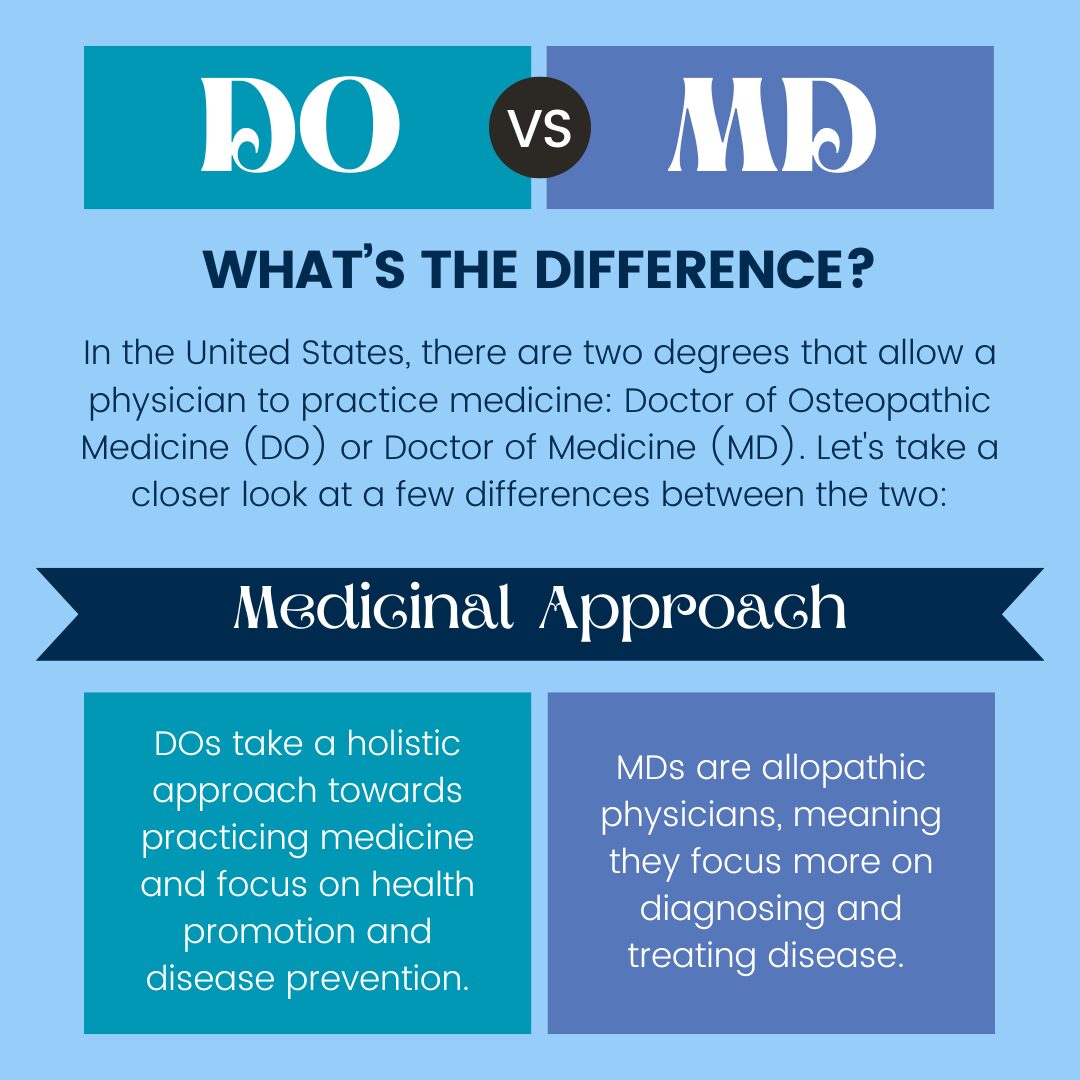
Ultimately, the difference between an MD and a DO degree is less about clinical capability and more about the specific financial “vehicle” one chooses to drive through their career. An MD degree may offer a slightly more direct path to high-earning specialties and prestigious academic roles with institutional benefits. Conversely, a DO degree, while often requiring a higher initial debt load due to private tuition, offers unique opportunities in rural market arbitrage and additional procedural revenue streams.
From a pure money perspective, the “winner” is the individual who understands their specific ROI goals. For those seeking the highest possible ceiling in specialized surgery, the MD path remains the traditional favorite. For those looking to capitalize on rural incentives, primary care bonuses, and niche private practice models, the DO path offers a robust financial future. In the modern economy, both degrees are high-value assets; the key to financial success lies in how the individual physician manages the debt, chooses their market, and protects their earnings over a lifetime of practice.
aViewFromTheCave is a participant in the Amazon Services LLC Associates Program, an affiliate advertising program designed to provide a means for sites to earn advertising fees by advertising and linking to Amazon.com. Amazon, the Amazon logo, AmazonSupply, and the AmazonSupply logo are trademarks of Amazon.com, Inc. or its affiliates. As an Amazon Associate we earn affiliate commissions from qualifying purchases.