
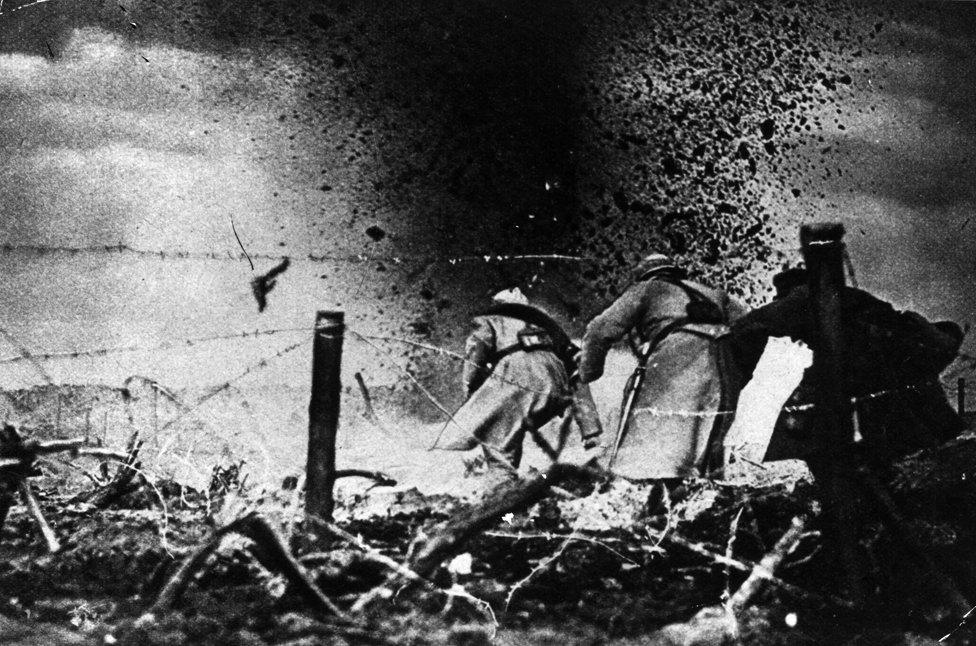
In the high-stakes theater of modern commerce, “No Man’s Land” is not a physical territory marked by barbed wire and trenches, but a psychological and strategic void where brands go to die. It is the perilous middle ground between two defensible positions: the low-cost leader and the high-value differentiator. When a brand loses its North Star, failing to offer either the best price or a unique, specialized experience, it drifts into this zone of invisibility.
For brand strategists and corporate leaders, understanding No Man’s Land is essential for survival. In an era of infinite choice and algorithmic discovery, being “pretty good at everything” is a recipe for being “nothing to everyone.” This article explores the anatomy of the brand middle ground, the psychological toll it takes on consumer loyalty, and the strategic maneuvers required to reclaim a definitive territory in the marketplace.

Defining the Concept: What is No Man’s Land in Brand Strategy?
In the context of brand strategy, No Man’s Land is characterized by a lack of clear identity. It occurs when a company attempts to appeal to every demographic simultaneously, effectively diluting its message until it becomes white noise. This phenomenon is often the result of “strategic drift”—a slow, incremental move away from an original core competency in pursuit of short-term volume.
The Dangers of the “Stuck in the Middle” Position
The term “stuck in the middle” was famously popularized by Michael Porter. In his framework, firms must choose between cost leadership (being the cheapest) or differentiation (being unique). No Man’s Land is the gap between these two poles. Brands in this position suffer from “feature creep” and “discount addiction.” They cannot lower their prices enough to compete with hyper-efficient giants like Amazon or Walmart, yet they lack the prestige or specialized utility to command a premium price like Apple or Hermès. Consequently, their profit margins are squeezed, and their marketing spend yields diminishing returns.
Identifying the Symptoms of a Brand Without a Home
How do you know if your brand has entered No Man’s Land? The symptoms are often subtle before they become fatal. First, there is a reliance on constant promotions to drive sales; if your customers only buy when there is a 40% off coupon, you no longer have a brand—you have a commodity. Second, there is a lack of “brand advocacy.” Customers may buy the product out of habit or convenience, but they do not recommend it to others. Finally, internal messaging becomes muddled. When employees cannot articulate what makes the company different from its closest three competitors in a single sentence, the brand has lost its moorings.
The Psychological Impact of Brand Ambiguity on Consumer Trust
Branding is essentially a cognitive shortcut. It helps consumers make decisions quickly by associating a name with a specific promise. When a brand enters No Man’s Land, it breaks this cognitive contract. The consumer no longer knows what to expect, leading to “decision fatigue” and a eventual migration to brands with clearer value propositions.
The Cognitive Load of Unclear Value Propositions
Humans are wired to seek clarity. In a digital environment where we are bombarded with thousands of marketing messages daily, the brain prioritizes brands that offer a clear solution to a specific problem. A brand in No Man’s Land creates “cognitive dissonance.” If a brand claims to be “premium quality” but constantly advertises “budget prices,” the consumer becomes skeptical. This lack of alignment increases the mental effort required to process the brand, leading the consumer to choose a competitor whose identity is more coherent and easier to categorize.
Why Brand Loyalty Fails in the No Man’s Land
Loyalty is built on emotional resonance and consistent delivery. In the middle ground, consistency is impossible because the brand is constantly reacting to market pressures rather than leading with a vision. Without a clear “Why,” there is no emotional hook. Consumers who shop in No Man’s Land are “mercenary shoppers”—they are loyal only to the best deal of the day. Because the brand lacks a distinct personality or a specific community, there is no social capital gained by being associated with it. When a brand is “generic,” it becomes replaceable.
Strategic Pathways to Escape the Void
Escaping No Man’s Land requires a radical commitment to a single direction. There is no “middle way” that leads to long-term success in a saturated market. Leadership must decide whether to pivot toward operational excellence or toward deep differentiation.

Path A: The Race to the Bottom (Cost Leadership)
If a brand chooses to escape No Man’s Land by moving toward cost leadership, it must undergo a total cultural and operational transformation. This isn’t just about lowering prices; it’s about restructuring the entire value chain to maximize efficiency. This path requires massive scale, lean management, and often, a sacrifice of “fluff” in favor of utility. The goal here is to become the “default” choice—the brand people buy because it is the most logical, frictionless, and affordable option.
Path B: The Ascent to Premium (Differentiation)
The more common (and often more sustainable) escape route for mid-sized brands is moving toward differentiation. This involves identifying a specific “tribe” or niche and serving them better than anyone else. To do this, a brand must be willing to alienate certain segments of the market. Differentiation is as much about who you aren’t for as who you are for. By adding unique value—whether through superior design, exclusive technology, or an unparalleled customer experience—the brand moves out of the price-sensitive middle and into a space where it can command higher margins.
Leveraging Niche Markets to Build Authority
Micro-branding is a powerful tool for escaping No Man’s Land. Instead of trying to own the “Footwear” category, a brand might focus on “Sustainable Trail Running Shoes for Urban Commuters.” By narrowing the focus, the brand can dominate a smaller territory, building high levels of authority and trust. Once a brand has secured a niche, it can use that stronghold as a base to expand into adjacent categories, but always with a clear, specialized identity.
Building a Resilient Corporate Identity
A brand is not just a logo or a color palette; it is the sum of every interaction a customer has with a company. To stay out of No Man’s Land, a corporate identity must be built from the inside out, ensuring that the external promise matches the internal reality.
Aligning Internal Culture with External Messaging
One of the primary reasons brands drift into the middle ground is a disconnect between the marketing department and the rest of the organization. If the marketing team is selling “Innovation” but the R&D department is underfunded and risk-averse, the brand will eventually fail. A resilient corporate identity requires “radical alignment.” Every employee, from the CEO to the frontline staff, must understand the brand’s unique value proposition. This internal clarity acts as a shield against the pressures that push brands toward the generic middle.
The Role of Narrative in Defining Brand Territory
In a world of parity products, the story is the differentiator. Narrative branding allows a company to stake a claim in a territory that competitors cannot easily copy. This involves moving beyond “what” you sell to “why” it matters. A strong narrative provides the “connective tissue” between various products and services, ensuring that even as the company grows, its core identity remains distinct. A brand with a powerful story is much harder to push into No Man’s Land because its value is tied to a set of beliefs and aspirations, not just a price tag.
Case Studies: Triumphs and Failures in the Middle Ground
Analyzing real-world examples provides a blueprint for how to—and how not to—handle the “stuck in the middle” dilemma.
Lessons from Retail Giants and Tech Pioneers
The retail industry is perhaps the most visible victim of No Man’s Land. Department stores like Sears and J.C. Penney found themselves trapped between the extreme convenience of Amazon/Walmart and the curated, “cool” factor of specialty boutiques. They tried to be everything to everyone and ended up being relevant to no one.
Conversely, look at a brand like Target. Years ago, Target faced the threat of No Man’s Land. Instead of trying to beat Walmart on every single price point, they chose a path of “Cheap Chic.” They collaborated with high-end designers to offer exclusive, aesthetically pleasing products at accessible prices. They didn’t try to be the cheapest, and they didn’t try to be a luxury boutique; they created a new, defensible territory that combined the best of both worlds with a distinct personality.
In the tech sector, Apple remains the gold standard for avoiding No Man’s Land. Despite fierce competition from budget Android manufacturers, Apple has never wavered from its premium differentiation strategy. They focus on ecosystem integration, privacy, and design language. They are comfortable with having a smaller market share than “the middle” if it means having the highest profit margins and the most loyal customer base in the industry.
Final Thoughts: The Choice is Yours
No Man’s Land is a choice. It is the result of indecision, a lack of courage, and the fear of saying “no” to potential customers. To build a brand that lasts, leaders must be willing to take a stand. Whether you choose to be the most efficient or the most unique, the only place you cannot afford to be is in the middle. By defining your territory with precision and defending it with consistent action, you ensure that your brand remains not just a name on a shelf, but a meaningful presence in the lives of your customers.
aViewFromTheCave is a participant in the Amazon Services LLC Associates Program, an affiliate advertising program designed to provide a means for sites to earn advertising fees by advertising and linking to Amazon.com. Amazon, the Amazon logo, AmazonSupply, and the AmazonSupply logo are trademarks of Amazon.com, Inc. or its affiliates. As an Amazon Associate we earn affiliate commissions from qualifying purchases.