
The global investment landscape is shifting. As traditional equities face volatility and the real estate market reaches saturation in many sectors, savvy investors are increasingly looking toward “green gold”—high-value, specialized agricultural assets. Among these, the Muscadine (Vitis rotundifolia) has emerged not merely as a regional fruit of the American South, but as a robust business proposition with significant potential for high-margin returns.
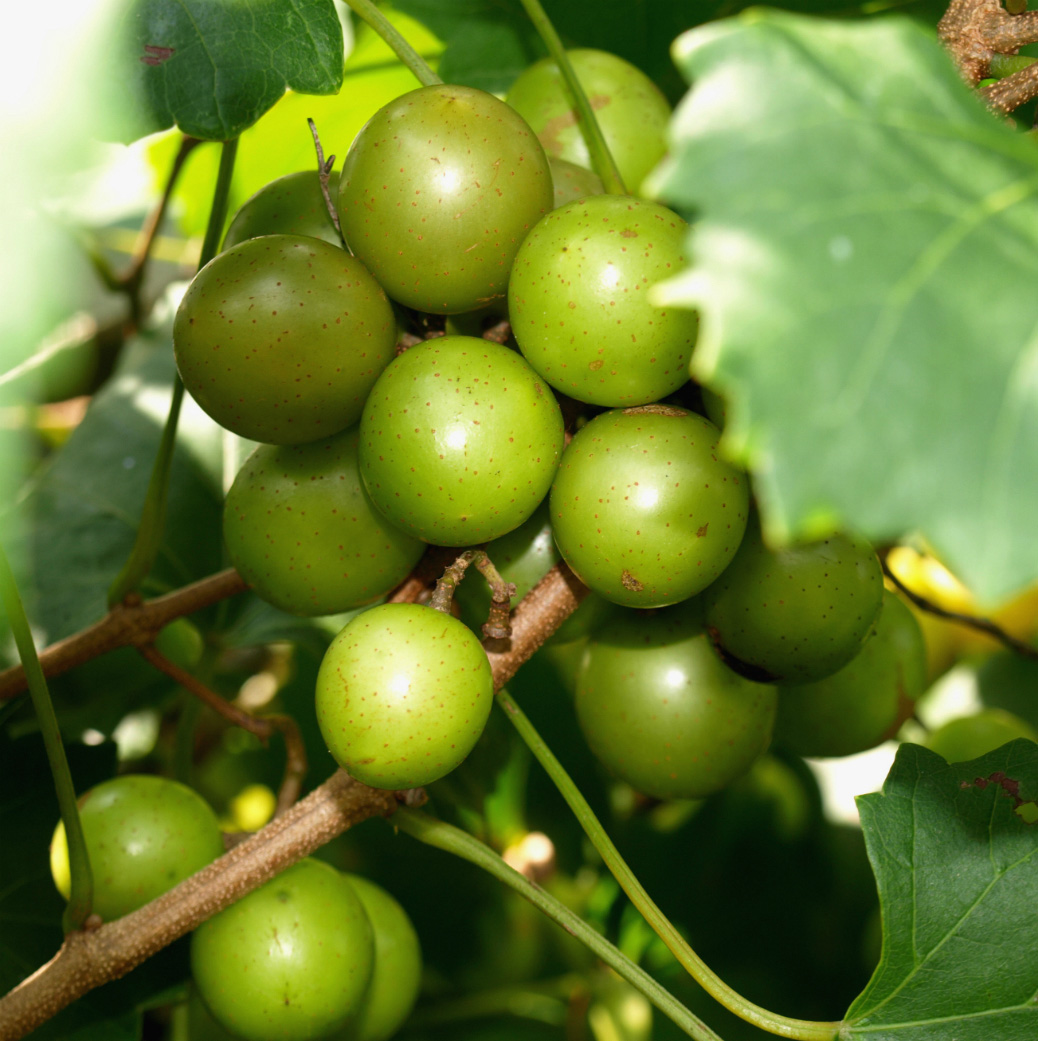
When asking “what is Muscadine” through a financial lens, we are not describing a simple grape. We are describing a resilient, high-yield biological asset with a diverse range of revenue streams spanning from the beverage industry to the multi-billion dollar nutraceutical market. This article explores the economic architecture of Muscadine cultivation, the capital requirements for entry, and the strategic advantages of incorporating specialty viticulture into a diversified investment portfolio.

Understanding the Muscadine Market Asset: Value Proposition and Resilience
To understand the Muscadine as a financial instrument, one must first recognize its unique biological advantages which translate directly into lower operational risk. Unlike the European bunch grapes (Vitis vinifera) used in traditional winemaking, Muscadines are native to the Southeastern United States. This confers a natural immunity to many of the pests and diseases—such as Pierce’s Disease—that can wipe out millions of dollars in vineyard capital in other regions.
Defining the Commodity: Beyond the Table Grape
In the context of personal and business finance, Muscadines represent a “triple-threat” commodity. They are sold as fresh produce (high-margin, low shelf-life), processed into juices and wines (stable shelf-life, brand-building potential), and utilized for their skins and seeds in the health supplement industry. This versatility allows a business to pivot its inventory based on fluctuating market demands, providing a safety net that single-use crops do not offer.
Supply Chain Dynamics and Regional Dominance
The Muscadine market benefits from a “geographic moat.” Because these grapes thrive specifically in USDA zones 7 through 10, the supply is geographically constrained while the demand is expanding globally. This scarcity creates a price floor. Furthermore, as logistics and cold-chain technologies improve, the ability to export this “Southern Superfruit” to international markets—particularly in Asia where high-antioxidant fruits command a premium—is becoming a viable pathway for significant capital growth.
The Financial Viability of Muscadine Cultivation
Entering the Muscadine market requires a sophisticated understanding of capital expenditure (CAPEX) and long-term cash flow modeling. Unlike annual crops like corn or soy, a vineyard is a multi-decade asset that requires a high upfront investment but offers escalating returns as the vines mature.
Capital Expenditure and Initial Investment
The “barrier to entry” for a commercial Muscadine operation is substantial, which protects established investors from sudden market saturation. Initial costs include land acquisition, specialized trellising systems, irrigation infrastructure, and the cost of the vines themselves. On average, establishing a professional-grade vineyard can cost between $8,000 and $15,000 per acre before the first harvest is even realized.
However, investors must view this through the lens of asset depreciation and long-term value. A well-maintained Muscadine vineyard can remain productive for 30 to 50 years. When amortized over its lifespan, the cost of the asset becomes highly competitive compared to other permanent crops like almonds or citrus, which often face shorter productive windows or higher maintenance costs.
Operational Costs and Yield Projections
From a business finance perspective, the operational expenditures (OPEX) of Muscadine farming are mitigated by the grape’s inherent hardiness. Labor for pruning and harvesting remains the largest variable cost. However, the industry is seeing a shift toward mechanical harvesting for the processing and wine sectors, which significantly reduces labor-related overhead and increases the Internal Rate of Return (IRR).
A mature Muscadine vineyard can yield between 8 to 12 tons of fruit per acre. Depending on the market—fresh fruit vs. processing—this can translate to gross revenues ranging from $12,000 to $25,000 per acre. After accounting for OPEX, the net profit margins often exceed those of traditional row crops, making it an attractive “side hustle” for high-net-worth individuals or a core focus for specialized agricultural funds.

Revenue Streams: Diversifying the Muscadine Portfolio
The true power of the Muscadine as a financial asset lies in vertical integration. Investors who control not just the land, but also the processing and branding, can capture a much larger share of the consumer dollar.
The Wine and Nutraceutical Verticals
The fermentation of Muscadines into wine is a time-honored tradition, but the modern financial opportunity lies in the “Health and Wellness” branding. Muscadine wines are increasingly marketed for their high resveratrol and ellagic acid content.
Beyond the bottle, the nutraceutical vertical is perhaps the most lucrative. The skins and seeds of the Muscadine, often considered waste products in juice production, are rich in polyphenols. By drying and milling these by-products into powders for supplements, a vineyard can turn a “waste stream” into a “revenue stream.” This circular economy model maximizes the ROI per acre and appeals to ESG (Environmental, Social, and Governance) focused investors.
Agritourism and Direct-to-Consumer Models
In the era of “experience-based” spending, Muscadine vineyards offer a unique opportunity for agritourism. “U-pick” operations, vineyard weddings, and tasting rooms provide immediate cash flow and high-margin retail sales that bypass the wholesale middleman. By building a personal brand around the vineyard, owners can create a “lifestyle asset” that appreciates in value while providing annual liquid income.
Risk Management and Market Volatility
No investment is without risk. In agricultural finance, the primary threats are environmental and market-based. However, the Muscadine’s profile allows for sophisticated risk mitigation strategies that are often unavailable to other commodities.
Environmental Factors and Crop Insurance
While Muscadines are heat-tolerant and pest-resistant, they are susceptible to extreme freeze events and late-spring frosts. For a commercial enterprise, managing this risk involves strategic site selection—utilizing air drainage and proximity to water bodies—and the utilization of Federal Crop Insurance programs. From a financial planning standpoint, these insurance premiums should be viewed as a necessary cost of capital preservation.
Shifting Consumer Demands and Global Competition
The “Money” aspect of Muscadines is heavily dependent on consumer education. While the fruit is a staple in the South, national and international markets are still being developed. The risk lies in the “adoption curve.” If consumer interest in “superfruits” wanes, the price for processing grapes could soften. To mitigate this, savvy business owners invest in marketing and brand strategy to ensure their product is positioned as a premium health necessity rather than a seasonal luxury.
Strategic Outlook: Is Muscadine a Sound Long-Term Investment?
When we analyze “what is Muscadine” through the prism of wealth creation, the conclusion is clear: it is a high-alpha agricultural play. It offers a rare combination of biological resilience, diverse revenue streams, and a growing market niche.
For the individual investor looking for a “side hustle” that scales, a small-scale vineyard combined with a direct-to-consumer brand can provide a significant secondary income stream. For the institutional investor, large-scale Muscadine operations provide a hedge against inflation and a tangible asset that produces consistent yields in an increasingly digital world.
The Muscadine economy is currently in a “growth phase.” The infrastructure for large-scale processing is expanding, and scientific research into the health benefits of the fruit is providing the “social proof” necessary to drive global demand. Investing in Muscadines today is akin to investing in the early days of the kale or avocado booms; it requires foresight, capital patience, and a strategic approach to branding, but the potential for a high-multiple exit or long-term generational wealth is substantial.
In summary, the Muscadine is more than a grape; it is a sophisticated financial asset. By understanding the interplay between land management, vertical integration, and market positioning, investors can harvest not just fruit, but significant financial growth.
aViewFromTheCave is a participant in the Amazon Services LLC Associates Program, an affiliate advertising program designed to provide a means for sites to earn advertising fees by advertising and linking to Amazon.com. Amazon, the Amazon logo, AmazonSupply, and the AmazonSupply logo are trademarks of Amazon.com, Inc. or its affiliates. As an Amazon Associate we earn affiliate commissions from qualifying purchases.