
In the realm of imaging technology, exposure is the fundamental bridge between the physical world and the digital file. At its most basic technical level, exposure is the total amount of light—photons—allowed to reach an electronic image sensor (or film) during the process of taking a photograph. However, within the “Tech” niche, exposure is far more than just “brightness.” It is a sophisticated interplay of mechanical hardware, optical physics, and digital signal processing.
To master modern photography, one must understand how light is modulated through hardware interfaces and how that data is subsequently interpreted by the camera’s internal processor. Whether you are using a high-end DSLR, a mirrorless system, or a smartphone powered by computational algorithms, exposure remains the core metric of image quality.
The Technical Pillars: The Exposure Triangle
Every digital camera, regardless of its complexity, relies on three primary hardware and software variables to determine exposure. These three elements are known as the “Exposure Triangle.” Each component controls light in a distinct way, and each carries technical trade-offs that affect the final image output.
Aperture: The Mechanical Pupil
Aperture refers to the adjustable opening within a camera lens, constructed from a series of overlapping metal blades. In technical terms, it is measured in “f-stops” (e.g., f/1.8, f/8, f/16). This mechanism functions much like the human iris.
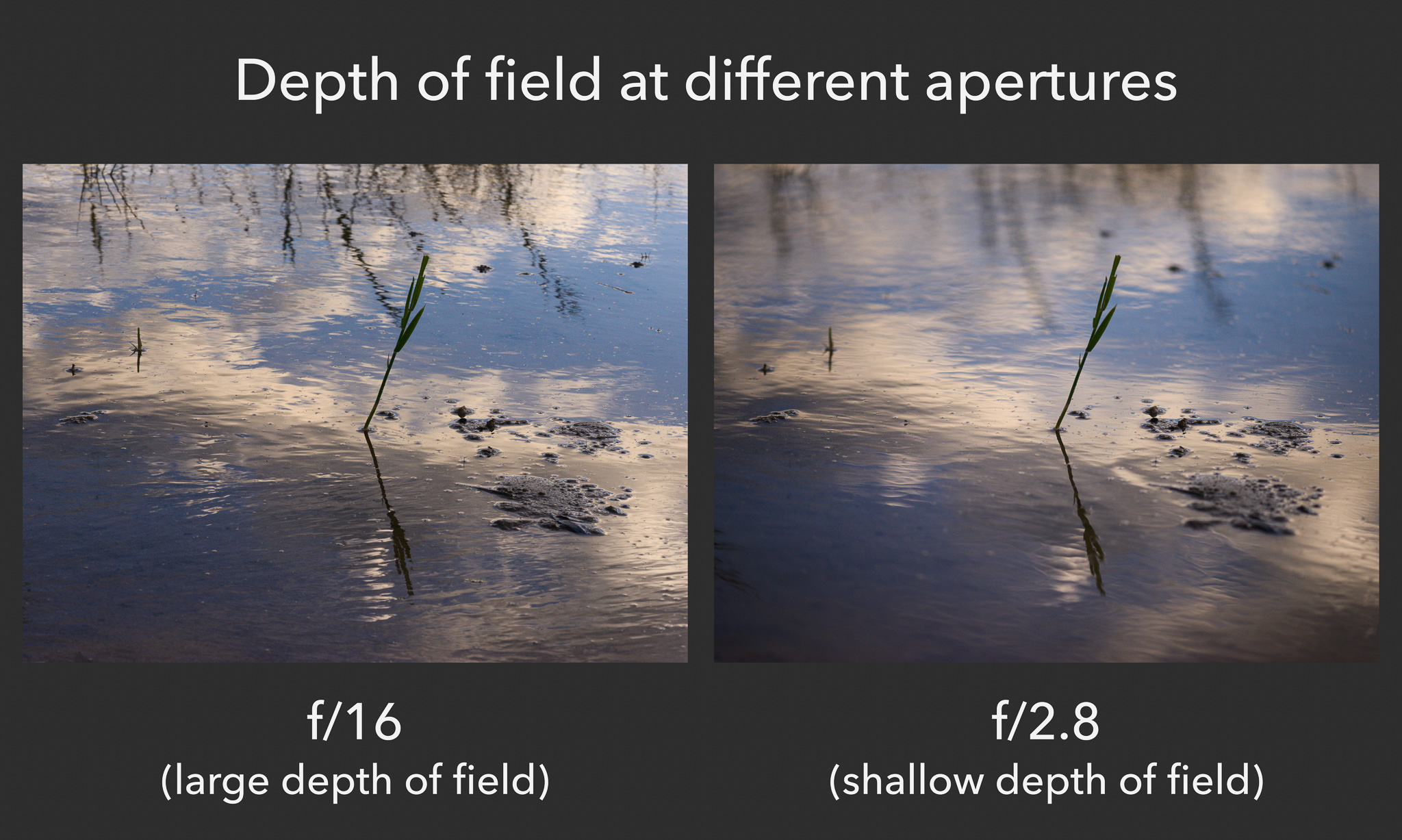
From a tech perspective, the aperture serves two functions. First, it physically limits the diameter of the light path. A wide aperture (small f-number) allows more photons to flood the sensor, which is essential in low-light environments. Second, it dictates the “Depth of Field.” Due to the physics of light refraction, a wider opening creates a shallower plane of focus, a technical characteristic often leveraged for hardware-level background blur (bokeh) before any software processing is applied.
Shutter Speed: Precision Timing and Motion Capture
While the aperture controls the volume of light, shutter speed controls the duration of the exposure. In most professional cameras, this is a mechanical curtain that zips across the sensor. In smartphones and newer mirrorless tech, this is often an “electronic shutter” that simply toggles the sensor’s pixels on and off for a precise micro-duration.
Shutter speed is measured in fractions of a second (e.g., 1/1000s or 30 seconds). The technical challenge here involves the trade-off between light and motion. A fast shutter speed freezes high-speed kinetic energy—such as a bird in flight—but limits the time the sensor has to collect photons. Conversely, a long exposure allows for creative light trails but requires stabilization tech to prevent “camera shake,” a common technical failure in handheld photography.
ISO: Digital Gain and Signal-to-Noise Ratio
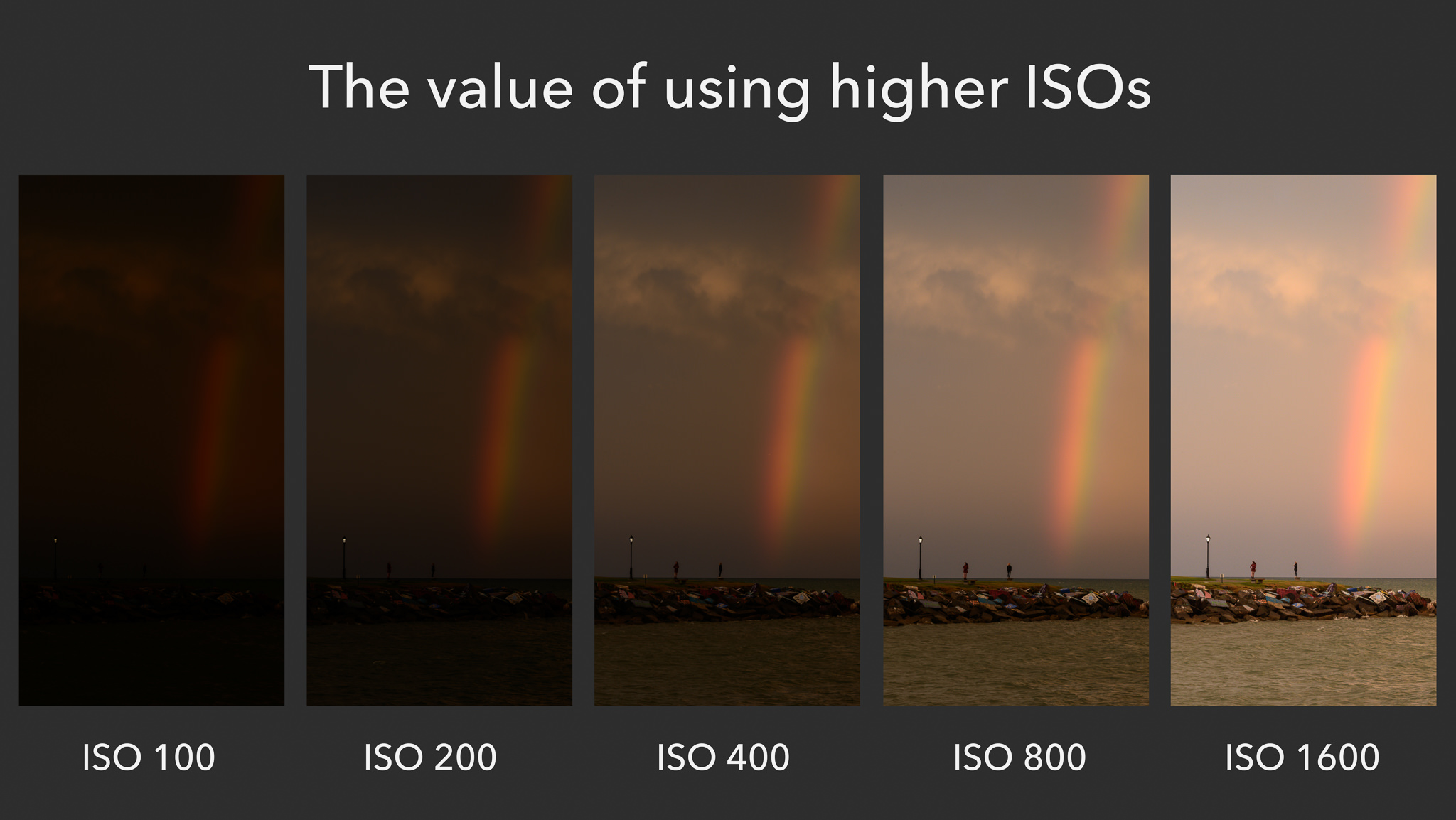
ISO is the third pillar, but unlike aperture and shutter speed, it does not change the amount of physical light hitting the sensor. Instead, it adjusts the “gain” or sensitivity of the sensor’s electronics. In technical terms, increasing ISO is equivalent to turning up the volume on a radio signal.
While a high ISO allows for images in near-darkness, it introduces a significant technical hurdle: electronic noise. Just as an amplified audio signal produces a “hiss,” an amplified image signal produces “grain” or “chroma noise.” Modern sensor technology, particularly Back-Illuminated (BSI) CMOS sensors, has significantly improved the signal-to-noise ratio, allowing for cleaner images at higher ISO settings than was possible a decade ago.
The Sensor Engine: How Hardware Converts Photons to Data
Understanding exposure requires a look at the silicon. The image sensor is a sophisticated grid of millions of light-sensitive “photosites” (pixels). When the shutter opens, these photosites collect photons and convert them into an electrical charge.
Photodiodes and Analog-to-Digital Conversion (ADC)
Each photosite on a sensor acts as a well for light. The technical efficiency of these wells is known as “Quantum Efficiency.” Once the exposure is complete, the accumulated electrical charge at each pixel must be measured and converted into binary code. This is the job of the Analog-to-Digital Converter (ADC).
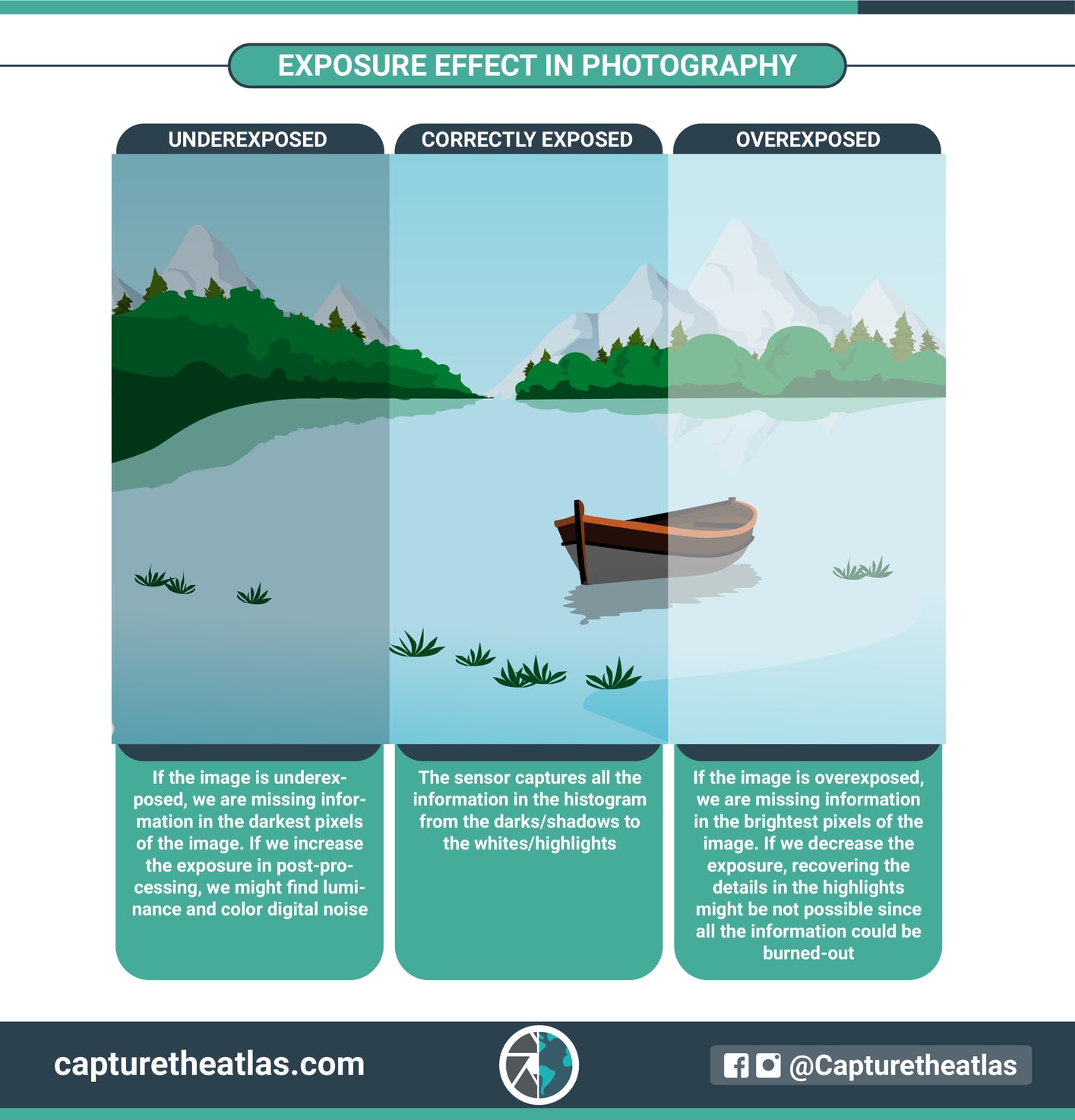
The precision of this conversion determines the “Bit Depth” of the exposure. A 14-bit RAW file, for instance, can record significantly more gradations of light and shadow than an 8-bit JPEG. For tech enthusiasts, this is the difference between a smooth sunset gradient and “banding” artifacts. The exposure must be calibrated so that the sensor’s wells do not overflow (blown-out highlights) or remain empty (crushed shadows).
Dynamic Range and the Latitude of Silicon
Dynamic range is a critical technical specification of any camera sensor. it refers to the range of light intensities from the darkest shadows to the brightest highlights that a sensor can capture in a single exposure without losing detail.
High-end sensors use “Dual-Gain” technology to maximize this range. At the hardware level, the sensor switches between two different readout circuits depending on the exposure settings. This allows the camera to maintain high dynamic range even when the ISO is pushed, ensuring that the highlights in a bright sky and the details in a dark forest are both preserved within the digital data.
Computational Photography: The Software Revolution in Exposure
In the last five years, the definition of exposure has expanded from a single mechanical event to a complex software process. This is particularly evident in smartphone technology, where small sensors cannot physically capture enough light to compete with professional gear. To solve this, manufacturers use “Computational Photography.”
HDR Algorithms and Multi-Frame Synthesis
Modern devices rarely take a single exposure when you press the shutter. Instead, they capture a rapid “burst” of multiple images at different exposure levels—some underexposed to capture highlight detail and some overexposed to capture shadow detail.
An onboard Image Signal Processor (ISP) or AI engine then aligns these frames and merges them at the pixel level. This process, known as High Dynamic Range (HDR) processing, allows a smartphone to produce an image with a balanced exposure that would be physically impossible for a single-shot mechanical camera to achieve. This is a shift from optical physics to algorithmic mathematics.
AI-Driven Metering and Scene Recognition
Older cameras used simple “light meters” to guess the correct exposure. Today’s tech uses neural networks. AI-driven metering systems analyze the frame in real-time, identifying faces, foliage, or sky.
If the camera recognizes a “backlit portrait,” the software automatically prioritizes the exposure for the human face while using AI “masking” to prevent the background from becoming a white void. This intelligent exposure management is the result of training machine learning models on millions of professionally exposed images, allowing the hardware to make “creative” decisions autonomously.
Post-Processing: The Tech of Correcting and Enhancing Exposure
The exposure process doesn’t end when the shutter closes. In the digital workflow, post-processing software like Adobe Lightroom or Capture One provides a second chance to “develop” the exposure.
RAW Data vs. JPEG Compression
The technical superiority of shooting in “RAW” format cannot be overstated when discussing exposure. A JPEG is a “baked” file; the camera’s processor has already made permanent decisions about exposure, contrast, and color, discarding the surplus data to save space.
A RAW file, however, contains the full, uncompressed output from the sensor’s ADC. This provides “exposure latitude”—the ability to digitally brighten shadows or darken highlights by several stops in post-production without a significant loss in image integrity. This is possible because the software is re-interpreting the original electronic voltage readings rather than trying to fix a finished image.
The Histogram: Reading Exposure via Data Visualization
Professional photographers use a tool called a “Histogram” to judge exposure scientifically. A histogram is a graphical representation of the pixels’ tonal distribution. The horizontal axis represents the brightness levels (from 0/black to 255/white), and the vertical axis represents the number of pixels at each level.
From a tech standpoint, the histogram is the ultimate diagnostic tool. If the graph is “clipped” against the right edge, the exposure has exceeded the sensor’s capacity (overexposed). If it is “bunched” against the left, the signal is lost in the noise floor (underexposed). Digital cameras now offer “live histograms” in the Electronic Viewfinder (EVF), providing a real-time data feed of the exposure before the file is even captured.
Conclusion: The Synergy of Hardware and Code
Exposure in photography is the perfect case study for the evolution of technology. It began as a purely chemical and mechanical challenge and has evolved into a sophisticated field of digital signal processing and artificial intelligence.
Understanding the technical nuances of the Exposure Triangle, sensor dynamics, and computational algorithms allows creators to push the boundaries of what is possible. As sensor technology continues to shrink and AI processing power continues to grow, the “perfect exposure” is becoming less about a lucky shot and more about the seamless integration of high-performance hardware and intelligent software. Whether you are a developer, a gadget enthusiast, or a professional creator, exposure remains the most vital data-acquisition event in the world of digital imaging.
aViewFromTheCave is a participant in the Amazon Services LLC Associates Program, an affiliate advertising program designed to provide a means for sites to earn advertising fees by advertising and linking to Amazon.com. Amazon, the Amazon logo, AmazonSupply, and the AmazonSupply logo are trademarks of Amazon.com, Inc. or its affiliates. As an Amazon Associate we earn affiliate commissions from qualifying purchases.