
In the realm of brand strategy and corporate identity, few movements have achieved the level of instant global recognition and emotional resonance as the Rastafarian movement. While fundamentally a socio-religious and political consciousness that emerged from Jamaica in the 1930s, Rastafarianism has inadvertently provided a masterclass in visual storytelling, lifestyle marketing, and identity consistency. From the ubiquitous red, gold, and green color palette to the iconic Lion of Judah, the “Rasta” aesthetic has transcended its theological roots to become a powerhouse brand identity that influences fashion, music, wellness, and ethical consumerism worldwide.

To understand the Rastafarian brand is to analyze how a grassroots movement can develop a cohesive visual language that communicates complex values—peace, resistance, naturalism, and unity—without the need for a centralized marketing department.
The Visual Language: Red, Gold, and Green as Brand Signifiers
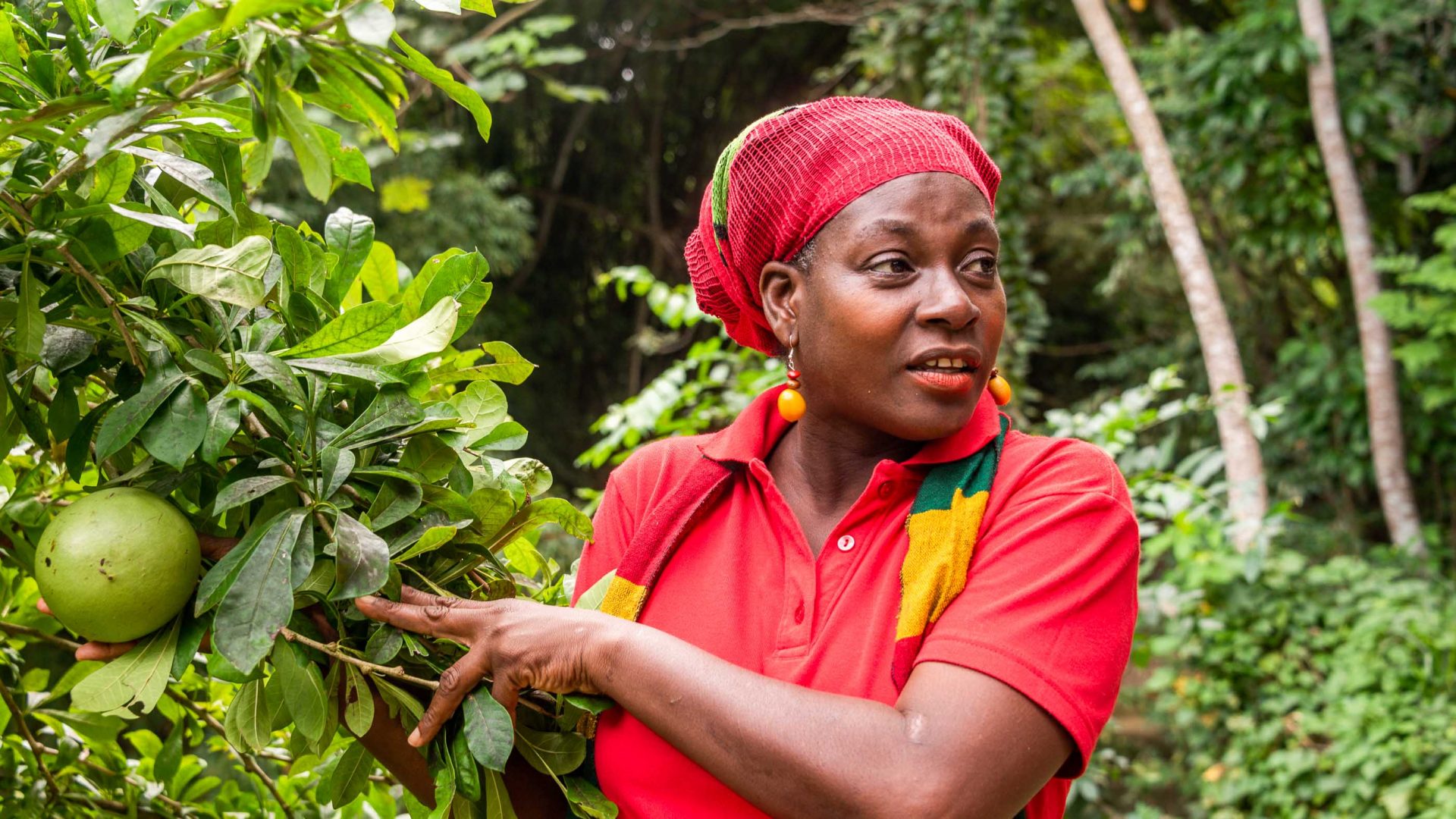
Every successful brand relies on a distinct visual identity that triggers immediate association. For Rastafarianism, the primary brand assets are the colors of the Ethiopian flag: red, gold (yellow), and green. In brand strategy, color psychology is a vital tool for communicating a brand’s “vibe” and mission. For the Rastafarian identity, these colors are not merely decorative; they are a narrative.
Colors with a Mission: Defining the Narrative
In professional branding, a color palette must tell a story. In the Rastafarian context:
- Red signifies the blood of martyrs and the history of struggle, creating an emotional depth of resilience and sacrifice.
- Gold represents the wealth and sun of the homeland (Africa), signaling prosperity and hope.
- Green symbolizes the lush vegetation and the “back to nature” ethos that defines the movement’s lifestyle.
By adhering strictly to this tri-color scheme for nearly a century, the movement has achieved what most corporate brands spend millions to attain: 100% brand recall. Whether it is a luxury fashion house using these stripes on a runway or a small organic food startup, the use of this specific color combination immediately evokes the Rastafarian brand pillars of authenticity and natural living.
Symbolism and the Power of Authentic Storytelling
Beyond colors, the “Lion of Judah” serves as the movement’s primary logo. In corporate branding, a logo must represent the heritage and the “founder’s” vision. For Rastafarianism, the Lion represents Haile Selassie I and symbolizes strength, kingship, and African pride. This symbol has been leveraged across thousands of products—from apparel to digital media—proving that a logo rooted in a powerful, authentic story has far more longevity than a logo designed purely for aesthetic appeal.
The Marley Factor: Turning a Movement into a Global Powerhouse Brand
No discussion of the Rastafarian brand is complete without a case study on Bob Marley. If Rastafarianism is the brand, Bob Marley was the ultimate Brand Ambassador. Marley’s career provides a blueprint for how an individual can embody a brand’s values so completely that their personal brand and the movement’s brand become synonymous.
Beyond Music: Licensing and Corporate Identity
Following Marley’s passing, his estate has managed his likeness and the associated Rastafarian imagery with the precision of a Fortune 500 company. The “House of Marley” brand, which sells headphones and audio equipment made from sustainable materials (bamboo, recycled fabric), is a perfect example of strategic brand extension. They have successfully bridged the gap between a 1970s cultural movement and 21st-century tech consumerism by staying true to the core brand value: eco-consciousness.
Maintaining Authenticity in Mass Commercialization
The Marley family has also ventured into the “Marley Natural” cannabis brand. This is a critical move in corporate identity management. By being the first to professionally package and brand a product deeply associated with their cultural roots, they reclaimed the narrative from “fringe” markets and moved it into the premium lifestyle sector. This strategy—owning the category you helped create—is essential for any brand facing mass imitation.
Strategic Lifestyle Marketing: The “One Love” Philosophy
The Rastafarian brand is not just a visual style; it is a lifestyle brand centered on the philosophy of “One Love” and “Livity” (rightful living). In modern marketing, “lifestyle brands” are the most successful because they sell a version of a better self, not just a product.
Emotional Connection and Consumer Loyalty
The “One Love” slogan is one of the most effective brand taglines in history. It is inclusive, aspirational, and simple. It fosters an emotional connection that transcends language barriers. When a brand can distill its entire mission into two words, it achieves a level of marketing efficiency that ensures global scalability. From tourism boards to humanitarian NGOs, the “One Love” philosophy is frequently borrowed to signal a brand’s commitment to peace and inclusivity.
Ethical Branding and the Natural Living Aesthetic
The Rastafarian commitment to “Ital” living—a diet focused on natural, salt-free, and organic foods—predated the modern wellness and “clean label” trends by decades. Today’s multi-billion-dollar organic food industry owes a debt to this branding. Brands that focus on sustainability, veganism, and “farm-to-table” sourcing are essentially using the Rastafarian “Ital” brand framework. By positioning themselves as the original advocates of “natural is better,” the Rastafarian identity has maintained its relevance in the modern, health-conscious marketplace.
Navigating Cultural Appropriation vs. Cultural Appreciation
As with any powerful brand, the Rastafarian identity faces the challenge of “brand dilution” and cultural appropriation. When a brand becomes this iconic, it risks being stripped of its meaning and used purely for its aesthetic value. This presents a complex challenge in the world of intellectual property and brand strategy.
Protecting Intellectual Property of a Grassroots Movement
The difficulty for the Rastafarian brand is that it is a decentralized movement. Unlike a corporation like Apple or Nike, there is no single entity that owns the copyright to the “Rasta” look. This has led to a saturation of the market with “Rasta-themed” products that often have no connection to the movement’s ethical or spiritual roots.
For modern brand strategists, this serves as a cautionary tale. If a brand’s visual assets are not protected or tied closely to a specific set of services or quality standards, the brand identity can be “hollowed out” by mass-market retailers. To combat this, newer Rastafarian-led businesses are focusing on “Authentic Origin” branding—using QR codes and blockchain technology to prove that products are genuinely made by members of the community or in Jamaica, thereby protecting the brand’s integrity through transparency.

Conclusion: The Endurance of the Rastafarian Brand
The Rastafarian movement demonstrates that a brand built on deep-seated values, a consistent visual language, and a powerful lifestyle narrative can survive and thrive for nearly a century without traditional advertising. It has successfully navigated the transition from a local Caribbean identity to a global symbol of resistance, peace, and natural living.
For brand strategists, the lesson is clear: authenticity is the most valuable currency. By staying true to its core pillars—even when those pillars were unpopular—the Rastafarian brand built a loyal “customer base” (or following) that spans the globe. Whether seen through the lens of the “Marley” corporate empire or the grassroots spread of the “Ital” lifestyle, the Rastafarian brand remains a primary example of how culture, when channeled through a cohesive identity, can change the world’s visual and ethical landscape.
aViewFromTheCave is a participant in the Amazon Services LLC Associates Program, an affiliate advertising program designed to provide a means for sites to earn advertising fees by advertising and linking to Amazon.com. Amazon, the Amazon logo, AmazonSupply, and the AmazonSupply logo are trademarks of Amazon.com, Inc. or its affiliates. As an Amazon Associate we earn affiliate commissions from qualifying purchases.