
In the contemporary landscape of healthcare and wellness, the definition of a music therapist has undergone a radical transformation. While the traditional image of a practitioner with an acoustic guitar remains relevant, the modern music therapist is increasingly a digital native, leveraging sophisticated technology to facilitate neurological, physical, and emotional healing. A music therapist is a credentialed professional who uses evidence-based music interventions to accomplish individualized goals within a therapeutic relationship. However, in the 21st century, this definition has expanded to include the role of a “technological orchestrator,” utilizing high-tech tools to break down barriers to communication and rehabilitation.
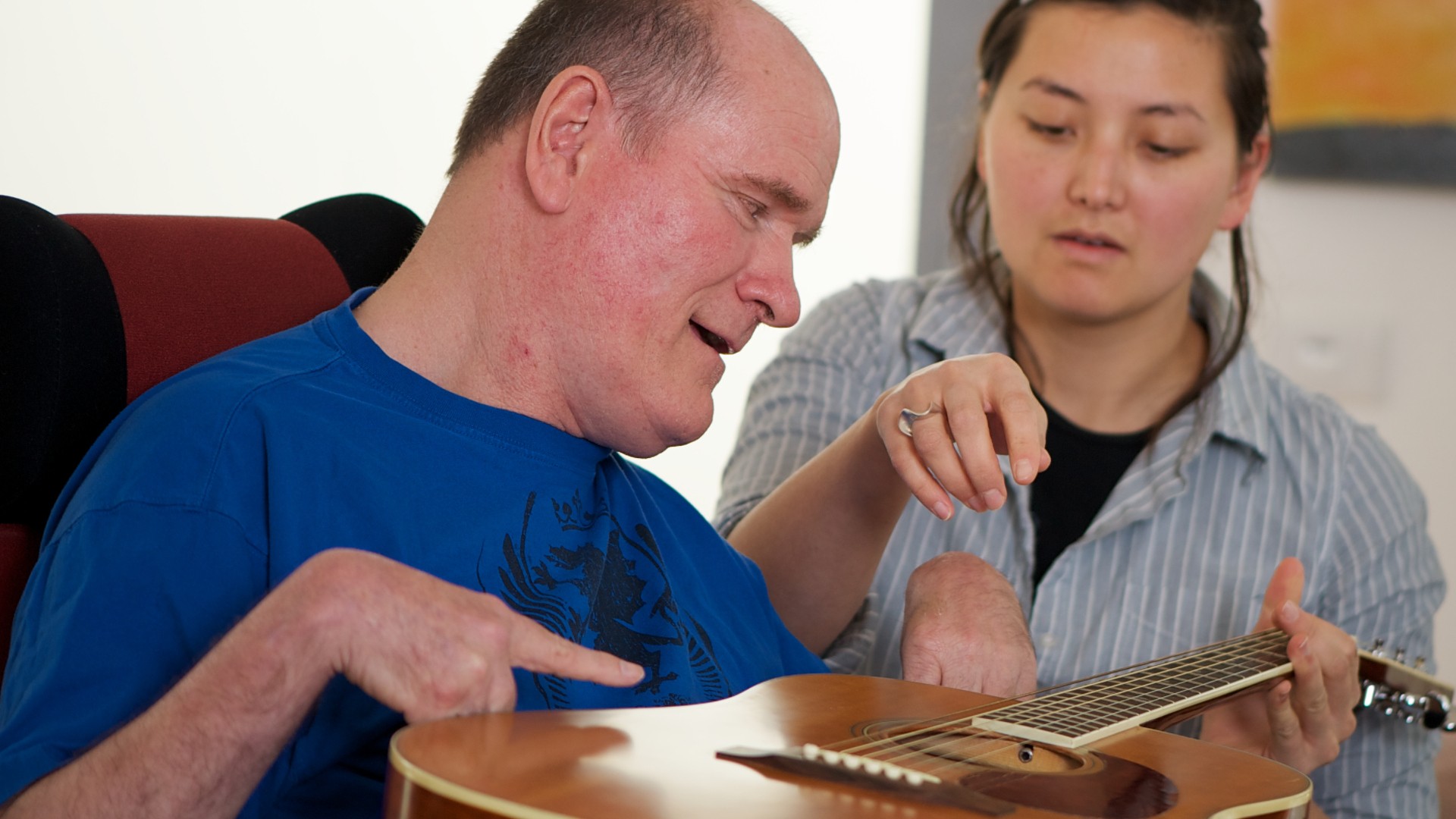
The Evolution of Music Therapy in the Digital Age
The journey from purely acoustic interventions to a tech-integrated clinical practice has redefined the scope of what a music therapist can achieve. As healthcare systems move toward data-driven outcomes, music therapists are adopting specialized software and hardware to quantify patient progress.
From Acoustic Beginnings to High-Tech Interventions
Initially, music therapy relied on the organic interaction between therapist, patient, and instrument. While the core therapeutic principles remain the same, the toolkit has evolved. Modern music therapists now utilize sophisticated recording equipment and synthesizers to create soundscapes that were previously impossible to produce in a bedside setting. This shift allows for greater precision in frequency, tempo, and timbre, which are critical when treating patients with sensory processing disorders or traumatic brain injuries.
The Role of Digital Audio Workstations (DAWs) in Clinical Settings
Software like Ableton Live, Logic Pro, and GarageBand has moved out of the recording studio and into the clinic. Music therapists use these Digital Audio Workstations (DAWs) to create customized loops and backing tracks that can be manipulated in real-time. For a patient working on motor skills, a therapist can use a DAW to subtly increase the BPM (beats per minute) of a track, encouraging the patient to move faster without them realizing the difficulty has been adjusted. This “gamification” of physical therapy is made possible through seamless digital integration.
Assistive Technology and Adaptive Instruments
One of the most significant contributions of technology to the field of music therapy is the development of assistive devices. These tools allow individuals with severe physical or cognitive disabilities to participate in music-making, a process that was once limited by physical dexterity.
Smart Instruments for Physical Rehabilitation
Adaptive technology has birthed “smart” instruments—devices that look like traditional instruments but are embedded with sensors and MIDI (Musical Instrument Digital Interface) capabilities. For example, electronic drum pads can be calibrated to trigger sound with the slightest touch, allowing a patient with limited muscle control to lead a rhythmic intervention. Music therapists act as the technical consultants in these scenarios, programming the sensitivity and sound libraries to match the patient’s specific therapeutic needs.
Motion-Sensing Software and Biofeedback
The use of motion-tracking technology, such as the “Soundbeam,” allows music therapists to turn human movement into sound. By using ultrasonic sensors, a patient can play “invisible” instruments by simply moving a limb through the air. This technology is transformative for patients with cerebral palsy or those recovering from strokes. Furthermore, biofeedback technology allows therapists to sync music to a patient’s heart rate or brainwave activity (EEG). By utilizing these tech-driven insights, the music therapist can create a closed-loop system where the music adapts dynamically to the patient’s physiological state, promoting deep relaxation or controlled stimulation.
Telehealth and Remote Music Therapy Platforms
The global shift toward remote work has not bypassed the therapeutic world. Music therapists are now at the forefront of digital health, utilizing specialized platforms to provide care across geographical boundaries.

HIPAA-Compliant Audio Integration
Conducting music therapy via standard video conferencing tools like Zoom or Skype often fails due to audio compression and latency issues. Modern music therapists utilize specialized, HIPAA-compliant platforms designed for high-fidelity audio transmission. These tools allow for real-time collaborative music-making with minimal “lag,” ensuring that the rhythmic synchrony essential for therapy is maintained. This technological hurdle—solving the latency problem—is a core part of the modern therapist’s operational expertise.
Virtual Reality (VR) and Immersive Environments
Virtual Reality is the new frontier for the music therapist. By placing a patient in a 360-degree digital environment, a therapist can provide an immersive “sonification” experience. For instance, a patient suffering from chronic pain might be placed in a virtual forest where every movement they make triggers a soothing harmonic chord. This “distraction therapy” is enhanced by spatial audio technology, which uses complex algorithms to mimic how sound behaves in a physical space. The music therapist designs these virtual worlds, acting as both a clinician and a UX (User Experience) designer to ensure the digital environment is therapeutically sound.
The Role of Artificial Intelligence in Therapeutic Music Design
Artificial Intelligence (AI) is beginning to play a pivotal role in how music therapists prescribe and deliver interventions. Rather than replacing the therapist, AI serves as a powerful diagnostic and creative assistant.
AI-Generated Personalized Soundscapes
Music therapists are now exploring AI algorithms that can generate personalized “functional music.” These AI tools can analyze a patient’s historical music preferences, their current emotional state, and their physiological data to compose music in real-time that is mathematically optimized for focus, sleep, or anxiety reduction. The therapist oversees this process, ensuring that the AI-generated content remains within clinical boundaries and adjusting the parameters based on the patient’s immediate feedback.
Data Analytics and Patient Progress Monitoring
The “tech” side of being a music therapist also involves data management. Specialized apps allow therapists to track quantitative data during a session—such as the number of times a patient hit a specific target or the duration of their vocalizations. These data points are then fed into analytics engines that generate progress reports for insurance providers and medical doctors. This transition from qualitative “notes” to quantitative “data” is a hallmark of the modern, tech-savvy music therapist.
Securing Digital Health Data in Music Therapy
As music therapists move more of their practice into the cloud, the importance of digital security and ethics cannot be overstated. A music therapist today must also be a guardian of digital privacy.
Cybersecurity for Clinical Practitioners
With the use of DAWs, cloud-based recording, and telehealth platforms, music therapists handle sensitive patient data every day. Understanding encryption, two-factor authentication, and secure server storage is now a non-negotiable part of the profession. When a therapist records a session for review, they must ensure that the digital file is stored in a way that complies with international data protection laws (such as GDPR or HIPAA). This technical literacy ensures that the therapeutic space remains safe both physically and digitally.
Ethical Considerations of Algorithmic Interventions
As AI and automated systems become more prevalent, music therapists face new ethical questions. Does an algorithm understand the nuance of human grief? Can a machine truly replicate the empathetic response of a human musician? The modern therapist navigates these questions by maintaining a “human-in-the-loop” approach. They use technology to enhance the human connection, not replace it. They critically evaluate the “black box” of AI music tools to ensure that the frequencies and rhythms being generated are safe and appropriate for their specific patient populations.

Conclusion
In summary, a music therapist is a highly skilled clinician who operates at the cutting edge of music, medicine, and technology. They are no longer just “musicians who help people”; they are specialists who manage complex digital ecosystems to facilitate human healing. Whether they are programming MIDI controllers for a child with autism, utilizing VR for pain management in a hospital, or using AI to analyze a patient’s neurological response to rhythm, the modern music therapist represents a unique blend of human empathy and technical mastery. As technology continues to evolve, the music therapist will remain an essential guide, ensuring that the power of sound is harnessed safely, effectively, and innovatively in our increasingly digital world.
aViewFromTheCave is a participant in the Amazon Services LLC Associates Program, an affiliate advertising program designed to provide a means for sites to earn advertising fees by advertising and linking to Amazon.com. Amazon, the Amazon logo, AmazonSupply, and the AmazonSupply logo are trademarks of Amazon.com, Inc. or its affiliates. As an Amazon Associate we earn affiliate commissions from qualifying purchases.