
In the theological tradition of the Roman Catholic Church, a “mortal sin” is defined as a grave transgression that leads to a total break in one’s relationship with the Divine. It is not a minor slip-up, but a fundamental choice that carries devastating consequences. When we translate this concept into the world of personal finance and wealth management, the analogy remains strikingly accurate. While “venial” financial sins—like overspending on a luxury coffee or forgetting to track a single receipt—might hinder your progress, a “mortal sin” in finance is a decision so catastrophic that it can lead to “financial death”: bankruptcy, the loss of lifelong savings, or a permanent inability to retire.
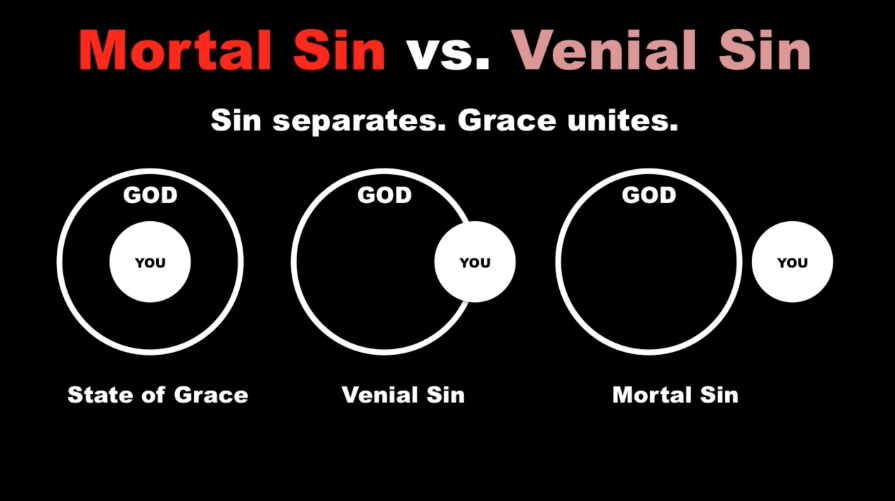
Understanding the anatomy of these grave errors is essential for anyone seeking long-term prosperity. In the context of money, a mortal sin is characterized by three specific factors: it involves a “grave matter” (a high-stakes financial decision), it is committed with “full knowledge” (an understanding of the risk involved), and it is done with “deliberate consent” (a conscious choice to ignore sound fiscal principles). By identifying these sins, investors and earners can safeguard their economic future and build a foundation that is resistant to the temptations of the market.
The Doctrine of Fiscal Responsibility: Defining the Financial Mortal Sin
To navigate the complex world of personal finance, one must first distinguish between minor errors and fundamental failures. In the Roman Catholic tradition, a sin is mortal only if it meets specific criteria. In the world of money, we can apply a similar framework to determine if a financial habit is merely a nuisance or a threat to our survival.
Gravity, Knowledge, and Consent in Money Management
A mortal financial sin involves a “grave matter.” This usually pertains to the core pillars of wealth: your emergency fund, your retirement accounts, and your primary residence. When you take actions that jeopardize these foundations, you are dealing with gravity. However, the “full knowledge” and “deliberate consent” aspects are where many modern consumers fail. In an age of information, most individuals have at least a baseline understanding that high-interest credit card debt is toxic or that “get-rich-quick” schemes are volatile. Choosing to engage in these behaviors anyway constitutes a deliberate break from fiscal prudence.
The Difference Between Venial Errors and Mortal Financial Blunders
It is important not to live in a state of constant financial scrupulosity. A “venial” financial sin is a mistake that slows your journey toward wealth but does not destroy the vehicle. For instance, failing to maximize a tax-advantaged account for one year is a venial error; it’s a missed opportunity, but it isn’t terminal. Conversely, cashing out a 401(k) to fund a lifestyle upgrade is a mortal sin. It destroys the engine of compound interest and creates a tax liability that can take years to recover from. Distinguishing between the two allows for a balanced life where one can enjoy the fruits of their labor without burning the orchard.
The Sin of Negligence: Failing to Build a Financial Fortress
In many spiritual traditions, sins of omission—failing to do what is required—are just as damaging as sins of commission. In the realm of personal finance, the most common mortal sin is negligence. This is the failure to prepare for the inevitable volatility of life.
The Absence of an Emergency Fund
An emergency fund is the “state of grace” for your finances. Without it, you are one layoff, one medical emergency, or one car repair away from financial ruin. The mortal sin here is not just “not having money,” but the conscious decision to prioritize consumption over security. Experts generally recommend three to six months of expenses held in a liquid, high-yield savings account. Failing to establish this buffer means that when a crisis hits, you are forced to commit further sins—such as taking on high-interest debt or liquidating long-term investments—to survive. This creates a cycle of poverty that is difficult to break.
Neglecting Insurance and Risk Mitigation
Many people view insurance as a “waste of money” if they never have to use it. However, the failure to carry adequate health, life, and disability insurance is a grave error in risk management. This negligence leaves your family and your future self vulnerable to “catastrophic loss.” In the world of finance, a mortal sin is any action (or inaction) that allows a single event to wipe out 100% of your net worth. By neglecting insurance, you are essentially gambling with your entire financial existence, a choice that lacks the prudence required for long-term wealth building.

The Sin of Greed: High-Risk Speculation and Emotional Investing
If negligence is a sin of omission, then greed is the ultimate sin of commission. It often masquerades as “ambition” or “savvy investing,” but its core is a desire for unearned returns without a corresponding willingness to accept or understand risk.
Chasing “Get Rich Quick” Schemes and Market Fads
The allure of the “ten-bagger” or the “next big crypto” has led countless individuals into financial ruin. When an investor moves money out of diversified, proven assets and into highly speculative, unvetted “moon shots,” they are committing a mortal sin against their capital. This behavior is often driven by FOMO (Fear Of Missing Out), which is the financial equivalent of envy. True investing is a slow, disciplined process of buying income-producing assets. Speculation, on the other hand, is a game of “greater fools” where the participants hope to sell a worthless asset to someone else at a higher price before the bubble bursts.
The Lack of Diversification as a Fatal Flaw
In the Catholic tradition, “presumption” is the sin of assuming one is safe without doing the necessary work. In finance, putting all your eggs in one basket—whether it’s a single stock, a single industry, or a single piece of real estate—is a sin of presumption. No matter how much “knowledge” you think you have about a specific company, the market is inherently unpredictable. A lack of diversification means that a single corporate scandal or industry shift can result in total capital loss. Diversification is the only “free lunch” in finance; refusing it is not a sign of confidence, but a grave error in judgment.
The Sin of Debt: Living Beyond the Means of Grace
Debt is often described as “spending tomorrow’s money today.” While some debt can be “productive” (such as a low-interest mortgage or a student loan for a high-ROI degree), consumer debt is a mortal sin that enslaves the borrower to the lender.
High-Interest Consumer Debt and the Compound Interest Trap
Compound interest is often called the eighth wonder of the world when it works for you. However, when it works against you—as is the case with credit card interest rates exceeding 20%—it becomes a financial death spiral. Carrying a balance on a credit card for non-essential items is a grave matter. It signals that an individual has lost control over their impulses and is prioritizing immediate gratification over future freedom. This type of debt compounds faster than almost any investment grows, ensuring that the borrower remains in a state of perpetual financial “limbo.”
Using Leverage Without a Safety Net
Leverage—using borrowed money to invest—is the “dark arts” of the financial world. When used correctly by professionals, it can magnify gains. When used by the average retail investor to buy stocks on margin or to over-leverage in real estate, it becomes a mortal sin. Leverage magnifies losses just as easily as it magnifies gains. If the market moves against you by even a small percentage, you can lose more than your initial investment, leading to a “margin call” that can wipe out your entire portfolio in hours. Using leverage without a deep understanding of the mechanics and a massive capital cushion is a recipe for a financial catastrophe.
Redemption and Repentance: Rebuilding a Fallen Portfolio
The beauty of the “mortal sin” analogy is that it implies the possibility of redemption. No matter how grave the financial error, there is almost always a path back to fiscal health, though it requires a period of “penance” and a complete change of heart regarding money management.
Establishing a Strict Budgetary Penance
Just as spiritual redemption requires confession and a change of behavior, financial redemption requires a strict budget. You must account for every dollar that leaves your pocket. This period of “austerity” is the penance for past overspending. It involves cutting all non-essential costs, halting all speculative investments, and focusing every spare cent on debt elimination and the rebuilding of an emergency fund. This process is not meant to be pleasant, but it is necessary to restore the “soul” of your financial life.

Long-term Vision and the Path to Financial Salvation
Financial salvation is found in the “boring” path: low-cost index funds, consistent savings rates, and patience. Once the mortal sins of the past have been addressed and the debt has been cleared, the goal is to return to a state of consistency. Wealth is rarely built through a single brilliant stroke of luck; it is built through the daily discipline of living below your means and allowing time to do the heavy lifting. By avoiding the grave errors of negligence, greed, and debt, you ensure that your financial future remains secure, allowing you to focus on the things in life that truly matter.
aViewFromTheCave is a participant in the Amazon Services LLC Associates Program, an affiliate advertising program designed to provide a means for sites to earn advertising fees by advertising and linking to Amazon.com. Amazon, the Amazon logo, AmazonSupply, and the AmazonSupply logo are trademarks of Amazon.com, Inc. or its affiliates. As an Amazon Associate we earn affiliate commissions from qualifying purchases.