
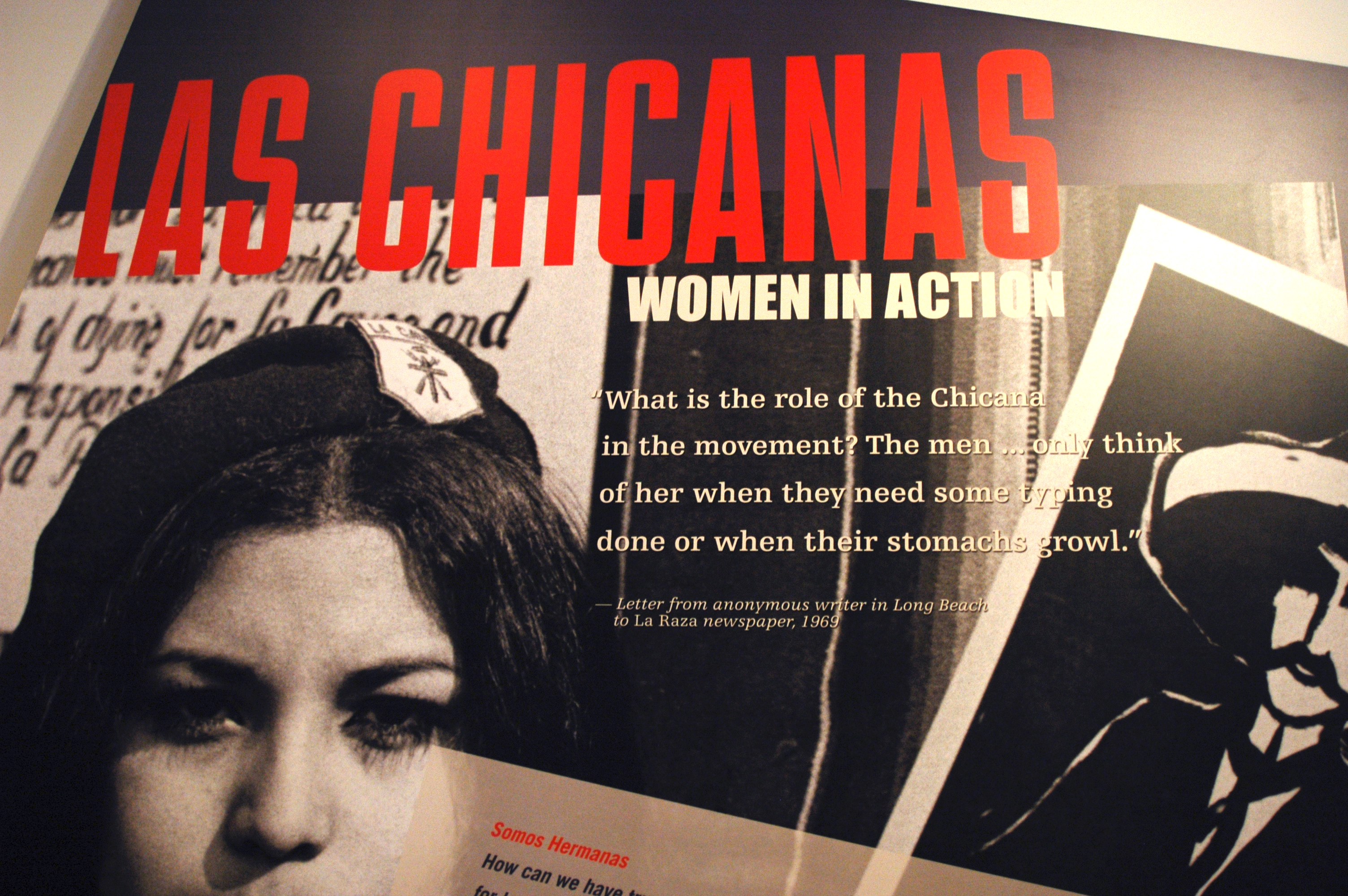
In the modern landscape of global marketing and corporate identity, identity is no longer just a demographic checkbox; it is a narrative engine. To ask “What is a Chicana?” is to explore a complex intersection of history, politics, and culture. However, from a brand strategy perspective, the term represents one of the most resilient, influential, and untapped archetypes in the contemporary marketplace. A Chicana is a woman of Mexican descent born or raised in the United States, but the term carries a weight that transcends simple geography. It signifies a chosen identity rooted in social justice, dual-cultural fluency, and a unique “third-space” perspective.

For brand strategists, personal branding coaches, and corporate marketers, understanding the Chicana identity is essential for navigating a world where consumers demand authenticity and cultural depth. This article explores how the Chicana identity functions as a powerful brand pillar, the ethics of cultural representation, and how to engage with this demographic through nuanced, community-first strategies.
The Evolution of Chicana Identity: From Political Movement to Global Brand
The term “Chicana” was reclaimed during the Chicano Movement of the 1960s and 70s as a rejection of assimilation and an assertion of civil rights. What began as a political label has evolved into a multifaceted brand archetype characterized by “Nepantla”—a Nahuatl word meaning “in-the-between.”
Defining the Core Values of the Chicana Archetype
Every successful brand is built on a set of core values. For the Chicana identity, these values include resilience (aguantar), community advocacy, and linguistic duality. In branding, these traits translate into a high level of loyalty and a preference for brands that exhibit a “fighter” mentality. A Chicana-led personal brand often centers on the “First-Gen” experience—the bridge-builder who navigates the corporate world while maintaining deep ties to familial traditions. This duality creates a unique Value Proposition: the ability to translate across cultures, making Chicanas invaluable as cultural consultants and brand ambassadors.
Cultural Authenticity vs. Commercial Appropriation
As the Chicana aesthetic—from streetwear and muralism to bold iconography—gains mainstream popularity, brands face the risk of appropriation. A “Chicana-style” marketing campaign that ignores the underlying social history of the movement is often met with swift backlash. In brand strategy, authenticity is the currency. For a brand to successfully align with Chicana identity, it must move beyond aesthetic tropes like sugar skulls or Frida Kahlo imagery and instead focus on the “Brand Soul.” This means supporting Chicana creators, investing in Latinx-owned supply chains, and acknowledging the political roots of the identity rather than sanitizing it for a mass-market audience.
Leveraging Chicana Identity in Personal Branding
In the professional world, personal branding is the practice of marketing oneself and their career as a brand. For Chicanas, this often involves a strategic navigation of cultural markers to build authority while remaining true to their heritage.
Code-Switching as a Strategic Communication Tool
Code-switching—the ability to adjust one’s speech, behavior, and appearance to fit different cultural contexts—is often viewed as a survival mechanism. However, in high-level brand strategy, it is a sophisticated communication skill. A Chicana professional who can navigate a boardroom in high-level English and then engage a local vendor in colloquial Spanish or “Spanglish” possesses a high “Cultural Intelligence” (CQ). This ability to pivot allows for a broader brand reach and deeper emotional resonance with diverse stakeholders. Branding oneself as a “Cultural Translator” is a powerful way to stand out in the globalized economy.
Visual Storytelling: The Aesthetics of Modern Chicanismo
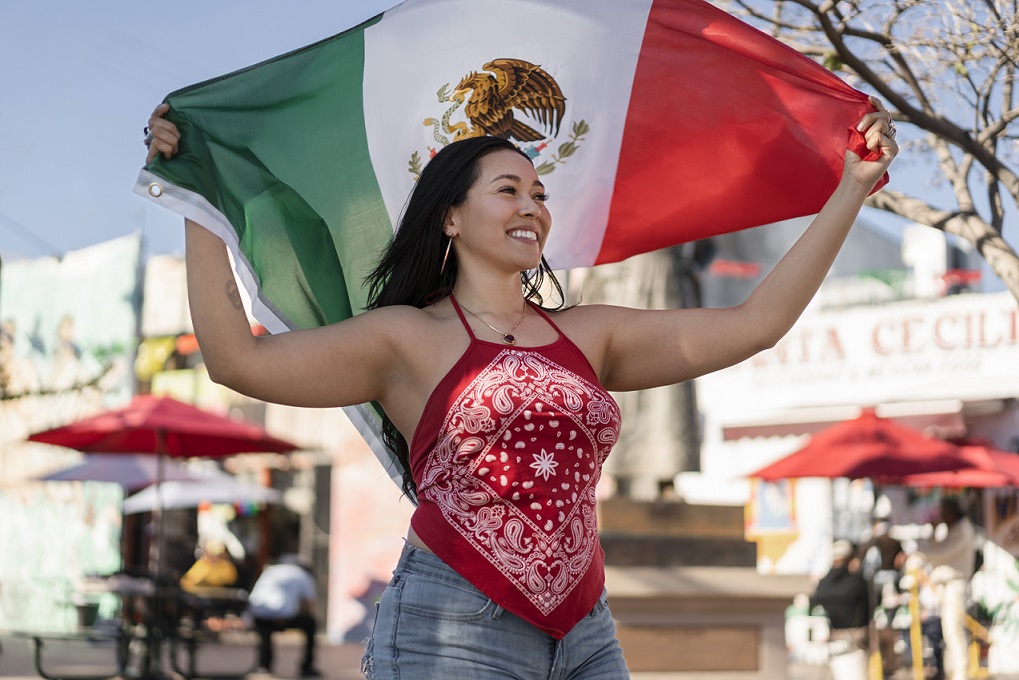
Visual identity is a cornerstone of branding. The modern Chicana personal brand often blends traditional Mexican elements—such as bold colors, embroidery patterns, and indigenous symbolism—with contemporary, urban professional attire. This visual storytelling signals a brand that is rooted but forward-looking. It rejects the “monolith” myth of the American professional and asserts that one can be both high-achieving and culturally distinct. Strategically, this visual consistency builds a “Signature Style” that makes the individual memorable in crowded digital spaces like LinkedIn or Instagram.
Corporate Strategy: Engaging the Chicana Consumer Segment
For corporations, the Chicana demographic is a critical subset of the broader $1.9 trillion U.S. Hispanic market. However, a “one-size-fits-all” approach to Latinx marketing often fails because it ignores the specific cultural nuances of the Chicana experience.
Beyond Translation: Transcreation and Cultural Nuance
Many brands make the mistake of simply translating English copy into Spanish. For the Chicana consumer, who is often bilingual or English-dominant, this can feel performative or out of touch. Successful brand strategy requires “transcreation”—the process of adapting a message from one language to another while maintaining its intent, style, tone, and context. A campaign targeting Chicanas should reflect the “Spanglish” reality of their daily lives and the specific cultural touchstones of the Mexican-American experience, such as the significance of the abuela (grandmother) as a household influencer or the celebration of Día de los Muertos as a sacred, rather than spooky, event.
Building Community-First Marketing Campaigns
Chicanas are statistically more likely to be the “Chief Household Officers,” making the majority of purchasing decisions for their families and extended networks. To win their loyalty, corporate brands must adopt a community-first approach. This involves:
- Influencer Partnerships: Moving away from celebrity endorsements toward “micro-influencers” who have genuine trust within the Chicana community.
- CSR (Corporate Social Responsibility): Aligning the brand with causes that matter to the community, such as education, immigration reform, and small business grants.
- Inclusive Product Development: Creating products that cater to specific needs, such as makeup shades for diverse skin tones or financial tools designed for multi-generational households.
Case Studies in Successful Chicana-Led Brands
Looking at real-world examples helps to illustrate how Chicana identity can be scaled into a successful corporate or personal brand. These brands don’t just sell products; they sell a sense of belonging.
Heritage-Driven Product Development
Consider the rise of food and beverage brands that have “elevated” traditional Chicano staples. Brands that use high-quality, organic ingredients to recreate childhood favorites like agua fresca or grain-free tortillas are tapping into a “Nostalgia Brand” strategy. They cater to the Chicana consumer who values her heritage but also prioritizes modern health trends. By positioning the product as “just like home, but better for you,” these brands create an emotional bridge between the past and the present, securing a premium position in the market.
The Impact of Digital Influence and Social Advocacy
The most successful Chicana brands today are those that integrate social advocacy into their business model. Whether it’s a fashion line that donates a portion of profits to “Dreamers” (DACA recipients) or a tech consultant who creates mentorship programs for young Latinas, these brands understand that the Chicana identity is inherently tied to the collective. In the world of brand strategy, this is known as “Purpose-Led Branding.” It creates a fierce brand loyalty that is resistant to price fluctuations because the consumer feels that by supporting the brand, they are supporting their own community’s advancement.
In conclusion, “What is a Chicana?” is a question with a profound answer for the world of business and branding. A Chicana is a bridge-builder, a cultural powerhouse, and a sophisticated consumer who demands respect and authenticity. For brands and individuals alike, embracing this identity means moving beyond surface-level marketing and into the realm of deep, values-based connection. By understanding the history, navigating the nuances of personal branding, and committing to genuine community engagement, brands can unlock the immense potential of the Chicana influence in the global marketplace.
aViewFromTheCave is a participant in the Amazon Services LLC Associates Program, an affiliate advertising program designed to provide a means for sites to earn advertising fees by advertising and linking to Amazon.com. Amazon, the Amazon logo, AmazonSupply, and the AmazonSupply logo are trademarks of Amazon.com, Inc. or its affiliates. As an Amazon Associate we earn affiliate commissions from qualifying purchases.