
For millions of Americans, Social Security is the cornerstone of a stable retirement strategy. Whether you are decades away from leaving the workforce or are currently weighing your options for early exit, the question “How much can I get?” is more than just a matter of curiosity—it is a critical calculation for your financial future. Understanding the nuances of the Social Security Administration’s (SSA) math can mean the difference between a modest monthly check and a robust, inflation-protected stream of income that lasts a lifetime.
Social Security was never intended to be a person’s sole source of retirement income, yet for many, it represents the largest single asset in their portfolio. Because the program is complex, influenced by your earnings history, your age at the time of filing, and even your marital status, a “one-size-fits-all” answer does not exist. This guide breaks down the mechanics of benefit calculation, the strategic timing of your claim, and the variables that could potentially reduce or enhance your monthly payout.
Understanding the Formula: How Your Benefit is Calculated
The Social Security Administration uses a specific, weighted formula to determine your Primary Insurance Amount (PIA). Unlike a private savings account, your benefit is not strictly a reflection of what you paid in; rather, it is a reflection of your career earnings history relative to the national average.
The Importance of Your 35 Highest-Earning Years
To calculate your benefits, the SSA looks at your entire work history, but they only count your 35 highest-earning years. These earnings are “indexed” to account for changes in average wages over time, ensuring that $20,000 earned in 1985 is compared fairly to $60,000 earned in 2023.
If you have fewer than 35 years of covered earnings, the SSA enters a “zero” for every missing year. This can significantly drag down your average and, consequently, your monthly check. For those nearing retirement with a shorter work history, working just a few more years to replace those “zero” years with current high-earning years is one of the most effective ways to boost your eventual benefit.
AIME and Primary Insurance Amount (PIA)
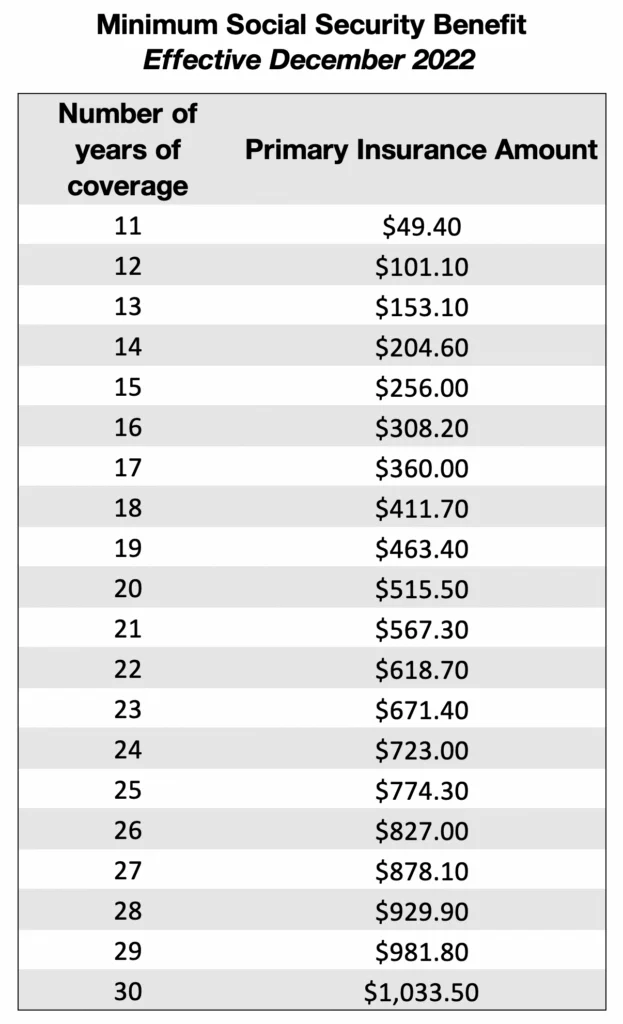
Once your earnings are indexed, the SSA calculates your Average Indexed Monthly Earnings (AIME). They then apply a progressive formula to this average. The formula uses “bend points”—dollar thresholds that determine how much of your AIME is replaced by your benefit.
For example, the formula replaces about 90% of your first tier of earnings, 32% of the middle tier, and only 15% of the highest tier. This progressive structure is designed to provide a higher “replacement rate” for lower-income workers, while still providing a higher total dollar amount for those who earned more throughout their careers.
How Inflation (COLA) Affects Your Payments
One of the most valuable features of Social Security is the Cost-of-Living Adjustment (COLA). Every year, the SSA reviews the Consumer Price Index for Urban Wage Earners and Clerical Workers (CPI-W). If inflation has risen, your benefit increases accordingly. In years of high inflation, these adjustments can be significant, helping retirees maintain their purchasing power as the cost of healthcare, housing, and food increases. This inflation protection is a feature rarely found in private annuities or traditional pension plans.
The Timing Strategy: When to Claim for Maximum Impact
While your earnings history sets the baseline for your benefit, the age at which you choose to start receiving checks is the most significant factor you can control. You are eligible to claim as early as age 62, but doing so comes with a permanent cost.
Claiming Early at Age 62
Taking Social Security at age 62 is a popular choice, but it results in a permanent reduction of your benefit—up to 30% less than what you would receive at your Full Retirement Age (FRA). This reduction is the SSA’s way of actuarially balancing the fact that you will receive more checks over your lifetime than someone who waits. Claiming early is often a necessity for those in poor health or those who have been forced out of the workforce, but from a purely financial optimization standpoint, it is rarely the “winning” strategy for those who expect to live past their late 70s.
Reaching Full Retirement Age (FRA)
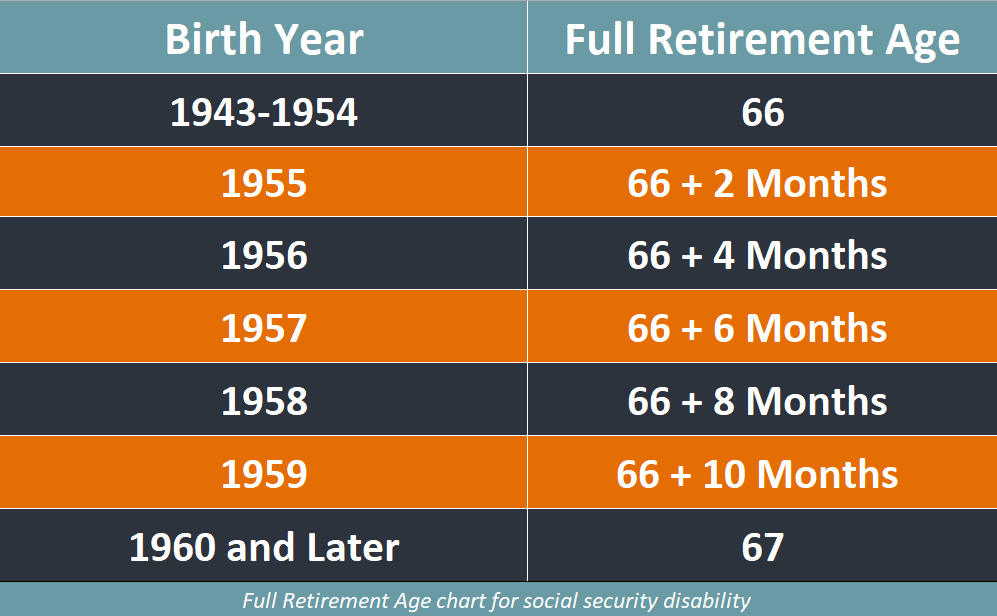
Your Full Retirement Age depends on the year you were born. For those born in 1960 or later, the FRA is 67. At this age, you are entitled to 100% of your calculated Primary Insurance Amount. Reaching FRA also eliminates the “earnings test” (discussed later), meaning you can work an unlimited amount without seeing a reduction in your current benefits.
The Power of Delayed Retirement Credits (Age 70)
For every year you delay claiming Social Security past your FRA up until age 70, your benefit increases by approximately 8% per year. This is a guaranteed, simple interest return that is virtually unmatched by any low-risk investment on the market today. By waiting until age 70, someone with an FRA of 67 could receive 124% of their base benefit. For a retiree whose FRA benefit is $2,500, waiting until 70 could boost that monthly check to $3,100—plus all the compounded COLAs that occurred in the intervening years.
Factors That Can Reduce Your Social Security Check
It is a common misconception that once you start receiving Social Security, the amount is set in stone and yours to keep in full. However, several financial factors can lead to “benefit “leakage,” where taxes or offsets reduce the amount that actually hits your bank account.
The Retirement Earnings Test
If you claim benefits before your Full Retirement Age and continue to work, your benefits may be temporarily reduced if your earnings exceed a certain threshold. For 2024, if you are under FRA, the SSA withholds $1 for every $2 you earn above the annual limit ($22,320).
It is important to note that this is not a permanent loss; the SSA recalculates your benefit once you reach FRA to account for the months your benefits were withheld. However, in the short term, it can create a cash-flow crunch for those who thought they could “double dip” with a full salary and a Social Security check.
Taxation of Social Security Benefits
Depending on your total income, you may have to pay federal income taxes on up to 85% of your Social Security benefits. The IRS looks at your “combined income,” which is the sum of your adjusted gross income, non-taxable interest, and half of your Social Security benefits. If this combined income exceeds $34,000 for individuals or $44,000 for joint filers, a significant portion of the benefit becomes taxable. Efficient tax planning, such as managing withdrawals from traditional IRAs versus Roth IRAs, can help mitigate this burden.
The Impact of Government Pensions (WEP and GPO)
If you worked in a job where you did not pay Social Security taxes—common for some teachers, police officers, and government employees—and you also have a work history that qualifies for Social Security, your benefit may be reduced by the Windfall Elimination Provision (WEP). Similarly, the Government Pension Offset (GPO) can reduce or eliminate spousal or survivor benefits for those receiving a government pension. Understanding these rules is vital for public sector employees to avoid a “nasty surprise” at retirement.
Maximizing Benefits Beyond the Individual
Social Security is not just an individual benefit; it is a family insurance program. There are several ways to increase the total household income by leveraging the records of spouses or even former spouses.
Spousal and Survivor Benefits
A lower-earning spouse is entitled to a spousal benefit that can be up to 50% of the higher-earning spouse’s FRA benefit. This is particularly beneficial in households where one partner stayed home or worked part-time. Furthermore, survivor benefits allow a widowed spouse to “step into the shoes” of the deceased spouse, taking over their higher monthly payment. This makes the decision of when the higher earner claims even more critical, as it effectively sets the “floor” for the surviving spouse’s income.
Benefits for Divorced Spouses
If you were married for at least 10 years and have been divorced for at least two years, you may be eligible to claim benefits based on your ex-spouse’s work record. The best part? Your claim does not affect your ex-spouse’s benefit, nor does it affect the benefit of their current spouse. This is a frequently overlooked financial tool that can provide a higher monthly income for divorcees who may have had interrupted career paths.
Disability and Child Benefits
Social Security also provides a safety net through Social Security Disability Insurance (SSDI). If you become disabled before retirement age, you may be eligible for benefits that are calculated as if you had reached Full Retirement Age. Additionally, if a parent is receiving retirement or disability benefits, their minor children (or adult children disabled before age 22) may also be eligible for auxiliary benefits, providing extra financial support for the family unit.
Tools and Steps to Estimate Your Future Income
Because Social Security is a math-heavy endeavor, guessing is not an option. You need real data to build a reliable financial plan.
Creating a “my Social Security” Account
The first step for any adult, regardless of age, is to create an account on the SSA.gov website. Here, you can access your Social Security Statement, which provides a personalized estimate of your benefits at ages 62, FRA, and 70. It also allows you to verify your earnings history. If an employer failed to report your wages correctly ten years ago, fixing it now is much easier than trying to fix it the month you retire.
Integrating Social Security into a Total Portfolio
When you know your estimated Social Security number, you should view it as a “fixed-income” component of your portfolio, similar to a bond or an annuity. If Social Security will cover 40% of your needed expenses, you only need to draw the remaining 60% from your 401(k), IRA, or other investments. This perspective allows you to take more or less risk with your other investments, depending on the strength of your projected Social Security “floor.”

The Long-term Sustainability of the Trust Fund
A common concern is whether Social Security will “be there” for younger workers. While the Social Security Trust Funds are projected to be depleted by the mid-2030s, this does not mean the program will disappear. Even if the trust fund is exhausted, incoming payroll taxes are projected to cover roughly 75-80% of scheduled benefits. While legislative changes (such as raising the retirement age or the payroll tax cap) are likely in the future, Social Security remains a fundamental pillar of American finance that will continue to play a role in every worker’s retirement calculation.
By understanding the formula, timing your claim strategically, and accounting for taxes and family benefits, you can ensure that you get every dollar you are entitled to from the system. Social Security is more than just a government program; it is a vital financial asset that requires careful management and informed decision-making.
aViewFromTheCave is a participant in the Amazon Services LLC Associates Program, an affiliate advertising program designed to provide a means for sites to earn advertising fees by advertising and linking to Amazon.com. Amazon, the Amazon logo, AmazonSupply, and the AmazonSupply logo are trademarks of Amazon.com, Inc. or its affiliates. As an Amazon Associate we earn affiliate commissions from qualifying purchases.