
The digital landscape, a constantly evolving tapestry of communication, has birthed a unique lexicon that transcends traditional language barriers. Among the most ubiquitous elements of this lexicon are emojis, those small, expressive pictograms that inject nuance, emotion, and personality into our online interactions. While many emojis possess readily decipherable meanings, others, like the humble upside-down smiley face ( ), can be enigmas, their interpretations shifting with context and cultural understanding. This exploration delves into the multifaceted significance of the upside-down smiley face emoji, primarily within the realm of Tech, examining its emergence, its nuanced applications, and its impact on digital communication.
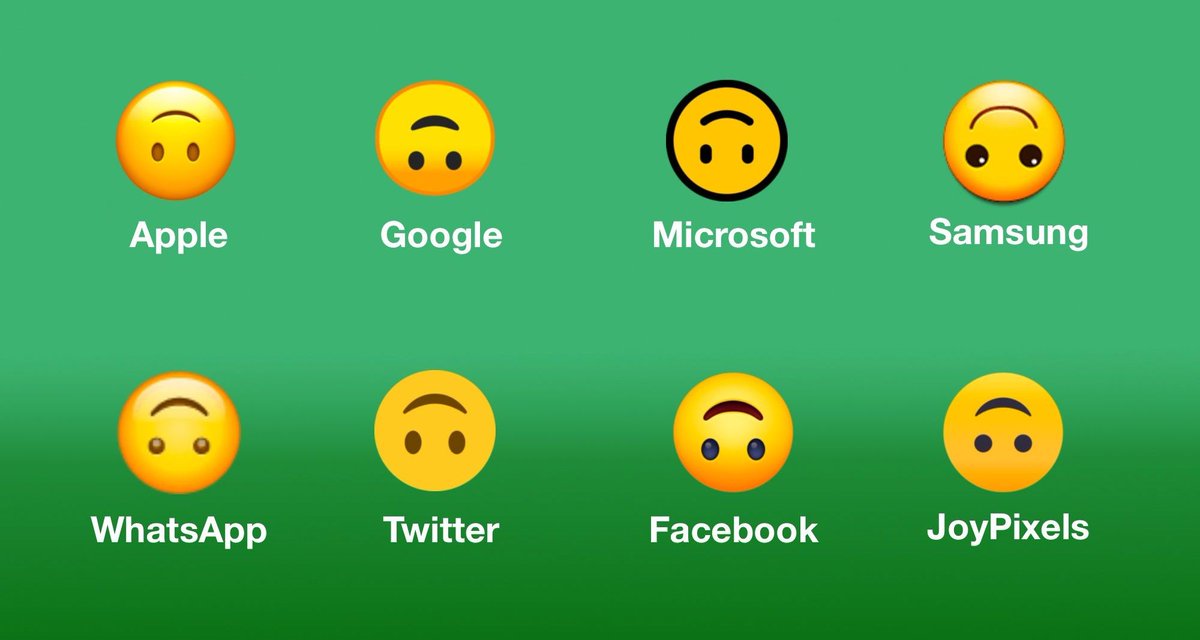
The Genesis and Evolution of the Upside Down Smiley Face
The upside-down smiley face emoji, often rendered as , is not merely a flipped version of its cheerful counterpart. Its origins and subsequent adoption in digital communication speak to a deliberate departure from straightforward positivity, hinting at a more complex emotional spectrum. Understanding its evolution requires a brief look at the broader history of emoticons and emojis.
From Emoticons to Emojis: A Digital Lexicon Takes Shape
The precursors to emojis were emoticons, created using standard keyboard characters to represent facial expressions. The classic 🙂 emerged in the early days of online forums and email, serving as a simple way to convey a friendly tone or a lighthearted sentiment. As technology advanced and mobile devices became ubiquitous, the emoji standard, Unicode, was established. This allowed for a richer, more diverse range of visual expressions, moving beyond simple punctuation to encompass a vast array of objects, activities, and emotions. The upside-down smiley face was among the many additions that enriched this digital vocabulary.
The Ambiguity of Inversion: More Than Just a Flip
The simple act of inverting the smiley face emoji fundamentally alters its perceived meaning. While the right-side-up smiley ( ) universally denotes happiness, joy, or general pleasantness, the upside-down version ( ) introduces a layer of ambiguity. This ambiguity is precisely what gives it its unique power and versatility. It is no longer a straightforward expression of positive emotion but a more nuanced signal, often indicating a range of feelings that defy simple categorization. This inherent complexity makes it a valuable tool for navigating the subtle social dynamics of online communication.
Decoding the Nuances: Context is Key for the Upside Down Smiley Face
The true meaning of the emoji is not fixed but rather fluid, heavily influenced by the surrounding text and the established relationship between communicators. Within the context of digital communication, this emoji serves as a powerful tool for conveying a spectrum of subtle emotions, often in situations where a direct statement might be too blunt or misconstrued.
Irony and Sarcasm: The Master of Subtlety
One of the most prevalent uses of the emoji is to signal irony or sarcasm. When someone is expressing something that might sound negative or critical on the surface, but is intended humorously or with a wink, the can soften the blow and clarify the speaker’s true intent. For example, receiving a deluge of unsolicited advice might elicit a message like, “Oh, thank you for all those brilliant suggestions! ” Here, the emoji clearly indicates that the “brilliant suggestions” are anything but, and the sender is employing humor to express their mild annoyance without being overtly confrontational. This allows for a more sophisticated and playful form of digital discourse, enabling individuals to engage in banter and lighthearted teasing.
Self-Deprecation and Awkwardness: Embracing Imperfection
The emoji is also frequently employed to convey self-deprecation or acknowledge an awkward situation. When someone makes a minor mistake, experiences a moment of social clumsiness, or finds themselves in a slightly embarrassing predicament, the can be used to signal a humorous acceptance of their own fallibility. A message like, “I accidentally replied to the entire company with my grocery list. Oops! ” effectively communicates a moment of embarrassment that is being brushed off with a lighthearted tone. This usage fosters a sense of relatability and shared human imperfection, making online interactions feel more genuine and less performative. It allows individuals to be vulnerable without appearing overly sensitive.
Resignation and “It Is What It Is”: Acknowledging Unpleasant Realities
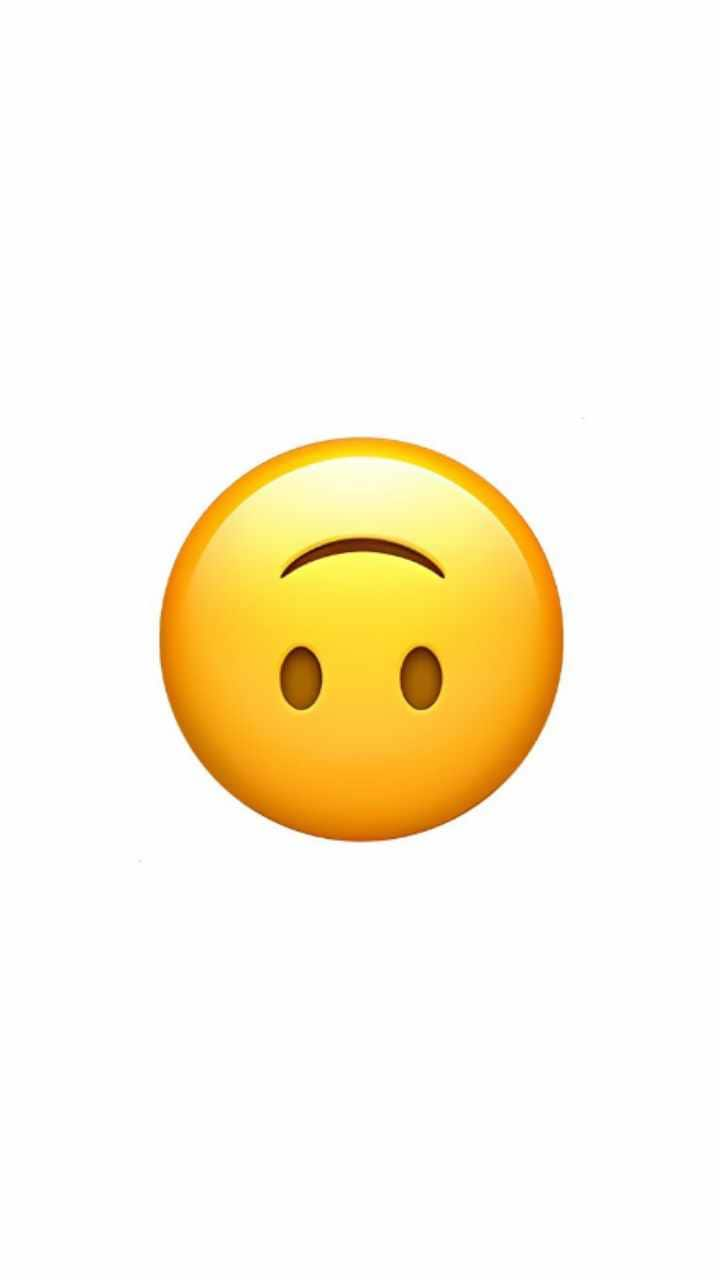
In certain contexts, the emoji can signify a sense of resignation or the acknowledgment of an unpleasant but unchangeable reality. When faced with a frustrating situation that cannot be immediately resolved, or when a task is tedious and uninspiring, the can communicate a wry acceptance. For instance, upon being assigned a particularly mundane or overwhelming project, someone might respond with, “Looks like it’s going to be a long week. ” This isn’t necessarily a sign of deep unhappiness, but rather a quiet acknowledgment of the circumstances and a subtle signal that they are bracing themselves for it, perhaps with a touch of dark humor. It’s a way of saying, “Well, this is happening, and there’s not much I can do about it right now.”
Playfulness and Whimsy: A Touch of Mischief
Beyond irony and resignation, the emoji can also inject a sense of playfulness and whimsy into conversations. It can be used to signal a lighthearted intention, a slightly mischievous thought, or a playful suggestion that might not be taken entirely seriously. Imagine a friend asking for a favor that is slightly outrageous, and the response is, “Only if you promise to do my laundry for a month! ” This use of the emoji adds a layer of fun and makes the request feel less demanding and more like a humorous exchange. It hints at a playful spirit and a willingness to engage in lighthearted negotiation.
The Impact of the Upside Down Smiley Face on Digital Communication
The widespread adoption and nuanced usage of the emoji have had a tangible impact on how we communicate digitally. It demonstrates the evolving sophistication of our online language and the continuous quest for more precise emotional expression in a text-based medium.
Bridging the Gap in Non-Verbal Cues
Online communication, by its very nature, lacks the rich tapestry of non-verbal cues that accompany face-to-face interactions – tone of voice, facial expressions, and body language. Emojis, including the , serve as vital tools to bridge this gap. They allow users to inject emotional context and nuance into their messages, reducing the likelihood of misunderstandings. The , in particular, helps to convey complex emotional states that might otherwise be lost or misinterpreted in plain text. Its ability to signal irony, sarcasm, or a playful jab prevents messages from being perceived as overly aggressive or genuinely negative.
Fostering Relatability and Authenticity
The use of the emoji, especially in its self-deprecating or awkward applications, fosters a sense of relatability and authenticity in digital interactions. By openly acknowledging imperfections or humorous misfortunes, individuals can create a more genuine connection with their audience. This resonates particularly well on social media platforms, where users often strive for authentic self-expression. The emoji allows for a comfortable way to share these less-than-perfect moments without appearing to seek excessive sympathy or dwelling on negativity. It normalizes minor mishaps and encourages a more human approach to online communication.
The Role of Algorithmic Interpretation and User Behavior
The interpretation of emojis, including the , is not solely dependent on individual understanding but is also influenced by broader user behavior and, increasingly, by algorithmic interpretation. Platforms like social media sites and messaging apps often analyze emoji usage patterns to understand user sentiment and content moderation. While the fundamental meanings of emojis are generally understood, the subtle nuances of the can still be a point of ongoing learning for both humans and AI. As more people use the in specific ways, the collective understanding of its various meanings solidifies, influencing how it’s perceived and even how algorithms might categorize content containing it. This ongoing interplay between user behavior and algorithmic interpretation shapes the evolving landscape of emoji communication.
Conclusion: The Enduring Power of an Inverted Smile
The upside-down smiley face emoji, seemingly a simple visual alteration, has evolved into a sophisticated tool within the digital communication toolkit. Its ability to convey irony, sarcasm, self-deprecation, awkwardness, and a wry sense of resignation makes it indispensable for navigating the complexities of online interactions. As our digital lives continue to expand, the nuanced language of emojis, epitomized by the versatile , will undoubtedly play an ever-increasing role in shaping how we connect, express ourselves, and understand one another in the ever-evolving digital sphere. It serves as a testament to the human capacity for creative communication, demonstrating that even a simple inversion can unlock a world of complex meaning.
aViewFromTheCave is a participant in the Amazon Services LLC Associates Program, an affiliate advertising program designed to provide a means for sites to earn advertising fees by advertising and linking to Amazon.com. Amazon, the Amazon logo, AmazonSupply, and the AmazonSupply logo are trademarks of Amazon.com, Inc. or its affiliates. As an Amazon Associate we earn affiliate commissions from qualifying purchases.