
In the world of brand strategy, symbols are the shorthand of human communication. A single logo, color palette, or icon can encapsulate centuries of history, a specific set of values, or a complex corporate mission. However, few symbols in global history provide as stark or as challenging a case study as the Confederate Battle Flag. When we ask “what did the Confederate flag stand for,” we are not merely asking a historical question; we are analyzing the mechanics of brand identity, the evolution of symbolic meaning, and the ways in which visual assets can become toxic in a modern marketplace.

For brand strategists, the Confederate flag represents a masterclass in how a visual identity is birthed, how its meaning is manipulated over time, and how modern organizations must navigate the heavy weight of inherited symbolism. This article explores the Confederate flag through the lens of brand strategy, examining its original intent, its controversial rebranding, and the lessons it offers to modern corporate identity management.
The Anatomy of a Symbol: Defining the Original “Brand” Identity
To understand what the Confederate flag stood for, one must first look at the “brand launch” of the Confederate States of America (CSA). In the mid-19th century, the CSA functioned as a startup nation attempting to establish a distinct corporate and political identity separate from the United States. A brand is only as strong as the values it represents, and the visual identity of the Confederacy was designed to signal a very specific set of internal and external objectives.
Visual Semiotics and the Birth of an Identity
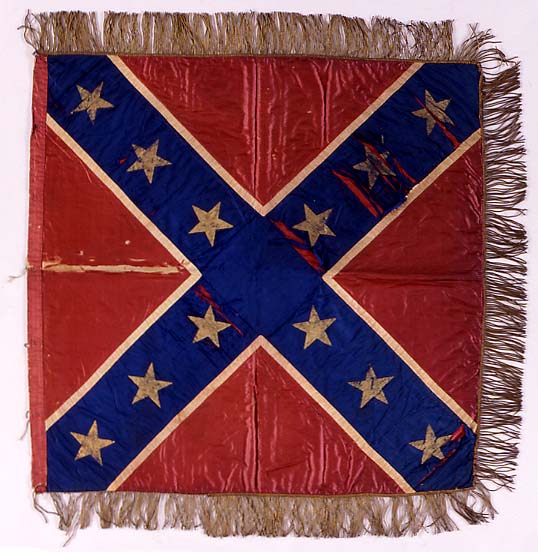
The most recognizable version of the flag—the blue saltire (X-shape) with white stars on a red field—was never the official national flag of the Confederacy. Instead, it was a battle flag. From a design perspective, its purpose was functional: high-contrast colors and bold shapes ensured visibility on smoke-filled battlefields. In branding terms, this is “functional identity.”
However, the semiotics (the study of signs and symbols) behind the design were deeply rooted in a desire for legitimacy. The use of the saltire and the stars-and-bars motif was an attempt to co-opt the visual language of established European heraldry and the American Revolutionary spirit. The “brand” was intended to project defiance, sovereignty, and a martial tradition.
The Intentional Messaging Behind the Design
Beyond the aesthetic, the flag stood for a specific organizational mission. In the words of the CSA’s own founders, the “brand values” of the Confederacy were centered on the preservation of a social and economic hierarchy built upon the institution of slavery and the concept of white supremacy. When we analyze what the flag stood for at its inception, we see a alignment between the visual mark and the core mission statement of the entity it represented. In modern branding, if a logo represents a company with unethical practices, the logo eventually becomes a visual placeholder for those practices. This is precisely what happened with the Confederate Battle Flag.
Brand Evolution: How Meaning Shifts Over Time
One of the most fascinating aspects of brand strategy is “brand evolution”—the way a symbol’s meaning changes based on who uses it and how they use it. After the Civil War, the Confederate flag underwent a series of “rebrandings” that attempted to shift its meaning away from its original mission and toward a more sanitized, commemorative identity.
The “Lost Cause” Narrative as Rebranding
In the late 19th and early 20th centuries, organizations like the United Daughters of the Confederacy (UDC) engaged in what modern marketers would call a “reputation management campaign.” They promoted the “Lost Cause” narrative, which sought to frame the Confederacy not as a rebellion to protect slavery, but as a heroic struggle for “states’ rights” and “Southern heritage.”
During this period, the flag was used as a tool for community building and regional identity. For many, it became a “heritage brand.” However, this rebranding was selective. It ignored the core values of the original “corporate” entity in favor of an idealized, nostalgic version. This teaches us a vital lesson in branding: you can attempt to rebrand a symbol, but you cannot erase its foundational history if that history is tied to systemic trauma.
Co-opting Symbols in Subcultures
By the mid-20th century, the Confederate flag’s brand identity shifted again. During the Civil Rights Movement, it was adopted by segregationist groups and the Ku Klux Klan. This was a “hostile takeover” of the brand by extremist subcultures. For these groups, the flag stood for resistance to integration and the reassertion of white supremacy.
This era solidified the flag’s status as a “dog whistle” or an “explicit signal” of hate for large segments of the population. In the world of brand strategy, when a symbol becomes associated with hate groups, its “brand equity” becomes negative. No amount of “heritage” marketing can offset the damage done when a symbol is used to promote exclusion and violence.

Toxic Branding and the Modern Market
In the 21st century, the Confederate flag has moved from a historical artifact to a “toxic brand.” For companies, sports leagues, and retailers, the flag represents a massive reputational risk. The shift in public sentiment has forced organizations to decide whether they will continue to carry or associate with this “brand.”
The Risk of Associative Branding
For decades, the Confederate flag was a common sight in American popular culture—appearing on the roofs of cars in television shows like The Dukes of Hazzard or at NASCAR events. However, as the global market became more attuned to social justice and corporate social responsibility (CSR), the “associative branding” of the flag became a liability.
Modern consumers view brands as extensions of their own values. If a retail giant like Amazon or Walmart carries Confederate merchandise, they are essentially “co-branding” with the values that flag represents. When a brand’s visual identity causes “friction” with a significant portion of the consumer base, it is no longer an asset; it is a brand-killer.
Corporate De-platforming and Identity Management
The decision by NASCAR in 2020 to ban the display of the Confederate flag at its events is a landmark case in corporate identity management. NASCAR recognized that its “brand legacy” was being held back by a symbol that alienated potential sponsors and diverse audiences. By removing the flag, NASCAR wasn’t just making a political statement; they were performing a “brand pivot” to ensure long-term viability in a diversifying market.
This move mirrors how modern tech companies handle “toxic content.” Just as a platform might ban a user for violating terms of service, corporations are “de-platforming” symbols that violate their modern brand values. What the flag “stands for” in this context is a barrier to market expansion and a threat to brand safety.
Crisis Management: When Heritage Clashes with Brand Values
For organizations operating in the American South, the Confederate flag often presents a unique crisis management challenge. How do you respect “local identity” while maintaining a “global brand standard”? This is a classic conflict in brand strategy: the tension between niche appeal and mass-market acceptance.
Lessons for Modern Brand Strategists
The controversy surrounding the Confederate flag offers several key takeaways for brand managers:
- Symbols are Dynamic: You do not own the meaning of your brand; the public does. While the CSA meant for the flag to represent sovereignty, the world eventually saw it as a symbol of oppression.
- Context is Everything: A symbol used in a museum (historical context) is perceived differently than a symbol used on a commercial product (lifestyle context). Brands must be hyper-aware of where their imagery appears.
- The Persistence of Negative Equity: Negative brand associations are much harder to erase than positive ones are to build. Once a symbol is tied to a traumatic event or ideology, that “stain” becomes part of the brand’s permanent DNA.
The Permanence of Visual Legacies
When we analyze what the Confederate flag stood for, we see that its “legacy brand” is one of division. In a globalized economy, division is bad for business. Successful brands today strive for “inclusive identity”—designs and symbols that invite the largest possible audience into the brand’s story. The Confederate flag, by its very nature and history, is exclusive. It stands for a world where some were in and others were out. For a modern brand, adopting or allowing such a symbol is a direct violation of the principles of modern marketing and corporate ethics.
Conclusion: The Power of Symbols in the Global Marketplace
Ultimately, the Confederate flag is a reminder that symbols are never “just pictures.” They are vessels for power, history, and ideology. In asking what the flag stood for, we find a complex web of original intent, historical rebranding, and modern rejection.
For brand strategists, the lesson is clear: a symbol’s value is determined by its impact on the community, not just its design or its intended message. In the modern era, the Confederate flag stands for a “failed brand”—not just because it lost a war, but because its core values are incompatible with the transparent, inclusive, and socially responsible demands of the 21st-century marketplace.
As we move forward, the corporate world continues to learn from this case study. We see a heightened sensitivity to the use of icons, names, and imagery. From the rebranding of sports teams to the redesign of consumer goods, the ghost of the Confederate flag’s brand crisis lingers, reminding us that in the world of identity, what you stand for is ultimately defined by the legacy you leave behind.
aViewFromTheCave is a participant in the Amazon Services LLC Associates Program, an affiliate advertising program designed to provide a means for sites to earn advertising fees by advertising and linking to Amazon.com. Amazon, the Amazon logo, AmazonSupply, and the AmazonSupply logo are trademarks of Amazon.com, Inc. or its affiliates. As an Amazon Associate we earn affiliate commissions from qualifying purchases.