
In the realm of personal finance, travel often represents one of the largest discretionary expenses an individual or household will face. Unlike fixed costs such as mortgage payments or insurance premiums, the price of airfare is notoriously volatile, fluctuating based on complex algorithms, global demand, and real-time market shifts. For the fiscally conscious traveler, mastering the timing of a ticket purchase is not merely a matter of convenience; it is a strategic financial move designed to maximize the purchasing power of every dollar spent.
To optimize your travel budget, one must look beyond old wives’ tales and “travel hacks” of the past. Instead, a data-driven approach to understanding the economics of the aviation industry is required. This guide explores the intersection of personal finance and travel logistics to answer the age-old question: what day is truly the best day to buy airline tickets?
Decoding the Economics of Airfare Pricing
Before identifying a specific calendar day for purchasing, it is essential to understand the underlying financial mechanisms that govern airline pricing. Airlines utilize a system known as dynamic pricing—a sophisticated revenue management strategy where prices change based on real-time data. This system is designed to ensure that the airline captures the maximum possible “consumer surplus,” meaning they want to charge you the highest price you are willing to pay.
Understanding Dynamic Pricing and Yield Management
Airlines categorize seats into various “fare buckets.” Each bucket has a different price point and set of restrictions. As the lower-priced buckets sell out, the system automatically shifts to the next, more expensive tier. From a financial perspective, this creates a high-stakes environment for the consumer. When you buy a ticket, you are essentially participating in a live market auction where supply is finite and demand is constantly shifting. To save money, your goal is to identify the moment when the supply-demand curve is most favorable to the buyer.
The Opportunity Cost of Hesitation
In financial planning, opportunity cost is the loss of potential gain from other alternatives when one alternative is chosen. When it comes to booking flights, the opportunity cost of waiting for a lower price can be substantial. If you wait for a hypothetical $50 drop but the price instead jumps by $200 because a fare bucket closed, you have incurred a significant financial loss. Understanding the floor price of a route is vital for making an informed investment in your travel.
The Best Day of the Week: Myth vs. Financial Reality
For years, the conventional wisdom in personal finance circles suggested that Tuesday at 3:00 PM was the magic hour for booking flights. The theory was that airlines launched sales late Monday, and competitors matched those prices by Tuesday afternoon. However, in the modern era of automated, AI-driven pricing, this “Tuesday Rule” has largely become a relic of the past.
The Sunday Advantage: Data-Backed Savings
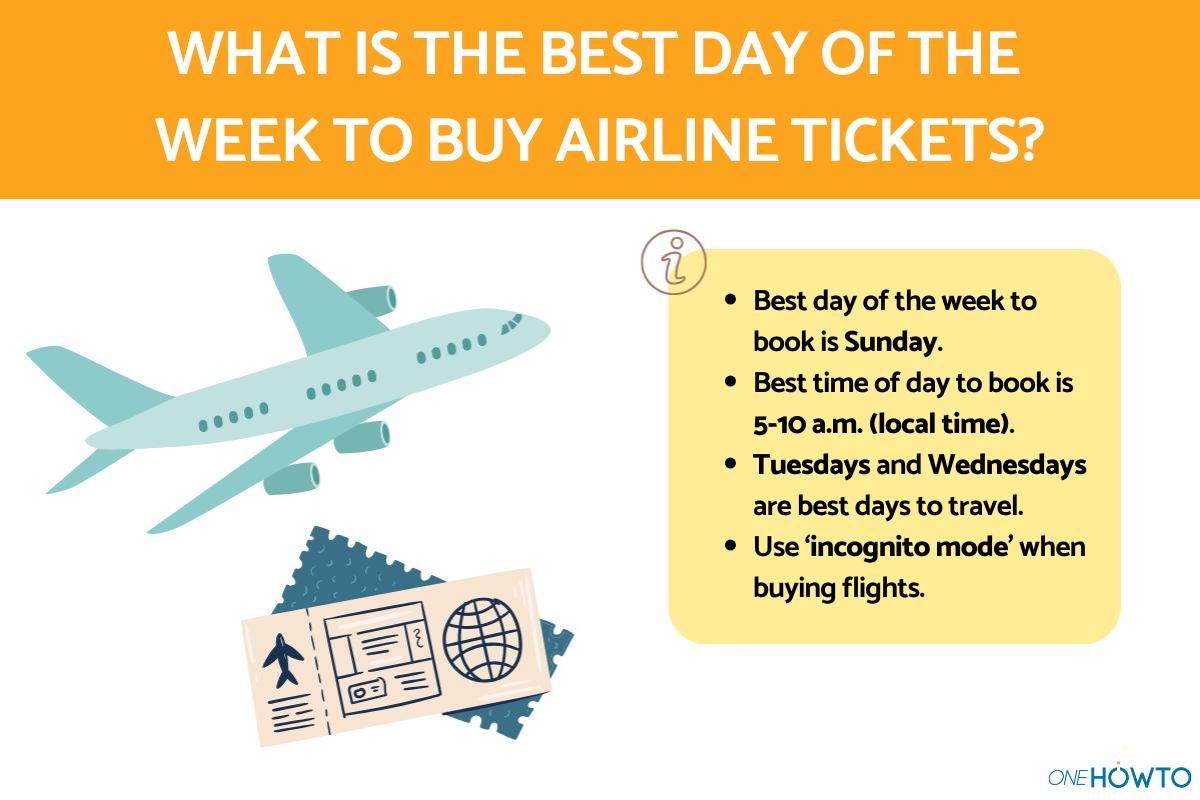
Recent comprehensive studies by the Airlines Reporting Corporation (ARC) and major travel aggregators have shifted the narrative. Current data suggests that Sunday is frequently the best day of the week to book airline tickets. Travelers who book on Sundays rather than Fridays or Saturdays can often see savings ranging from 5% to 15% on both domestic and international fares.
The logic behind this is rooted in consumer behavior. Business travelers, who are less price-sensitive and often booking on corporate accounts, typically finalize their travel plans during the workweek (Monday through Friday). This surge in weekday demand keeps prices elevated. On Sundays, the market shifts toward leisure travelers, and airlines often adjust their algorithms to capture this more price-sensitive demographic.
Avoiding the “Friday Markup”
Conversely, Friday is statistically the most expensive day to book. This is the peak window for last-minute business bookings and impulsive weekend planners. From a budget-management perspective, initiating a high-value purchase on a Friday is often the least efficient use of your capital. By simply shifting your “buy” order from a Friday to a Sunday, you can effectively generate an immediate return on your investment in the form of saved capital.
Strategic Booking Windows: The Ideal Lead Times
While the day of the week matters, the “lead time”—the duration between the purchase date and the departure date—is an even more critical variable in your financial strategy. Booking too early can be just as costly as booking too late, as airlines may not have released their promotional fares six months in advance.
The Domestic Sweet Spot
For domestic travel within the United States or within a single continent, the “Goldilocks window” is generally between 28 and 60 days before departure. During this period, airlines have a clear picture of their remaining inventory and are more likely to lower prices to fill seats that would otherwise remain empty. In financial terms, this is when the risk of price hikes begins to outweigh the potential for further discounts. If you book more than three months out, you are likely paying a premium for “peace of mind” rather than market value.
International Capital Allocation
International travel requires a longer-term financial outlook. Because the stakes are higher and the capacity is lower, the ideal booking window typically opens about 4 to 6 months before departure. For high-demand routes—such as New York to London or Los Angeles to Tokyo—waiting until the last minute is a recipe for financial disaster. Unlike domestic flights, international fares rarely drop significantly as the departure date approaches because the demand for those seats is more inelastic.
Leveraging Financial Tools and Optimization Strategies
In the modern digital economy, a savvy investor uses tools to automate their strategy. The same logic applies to purchasing airfare. You should not be manually checking prices every day; instead, you should leverage technology to monitor the market for you.
Price Tracking as a Passive Savings Strategy
Tools like Google Flights, Hopper, and Kayak allow users to set price alerts. This is the travel equivalent of a “limit order” in stock trading. You define your destination and your budget, and the software notifies you when the market hits your target price. By using these tools, you remove the emotional element of the purchase, allowing you to execute your buy based on hard data rather than the “fear of missing out” (FOMO).
Utilizing Credit Card Rewards and Points Arbitrage
A sophisticated personal finance strategy for travel involves the use of credit card rewards. By earning points or miles through strategic spending, you can often “buy” tickets for a fraction of their cash value. The “best day to buy” becomes less relevant when you are using points, but the “best day to fly” becomes paramount. In the world of points arbitrage, finding “Saver Award” availability is the ultimate goal. This requires a different set of tools—such as Point.me or AwardLogic—to ensure you are getting the highest “cents per point” (CPP) value for your rewards.
The Risks of “Hidden City” Ticketing
For those looking to aggressively cut costs, strategies like “hidden city” ticketing (booking a flight with a layover in your actual destination and skipping the second leg) can offer massive savings. However, from a risk management perspective, this can be dangerous. Airlines strictly forbid this in their contract of carriage and may void your frequent flyer miles or ban you from the airline. In financial planning, we must always weigh the potential reward against the risk of ruin; for most travelers, the risk to their long-term travel “portfolio” (loyalty status) is not worth the short-term savings.
Market Volatility and Travel: Navigating Peak Seasons
Just as the stock market has seasonal trends, so does the travel industry. Your booking strategy must account for the inherent inflation that occurs during peak seasons.
Hedging Against Holiday Inflation
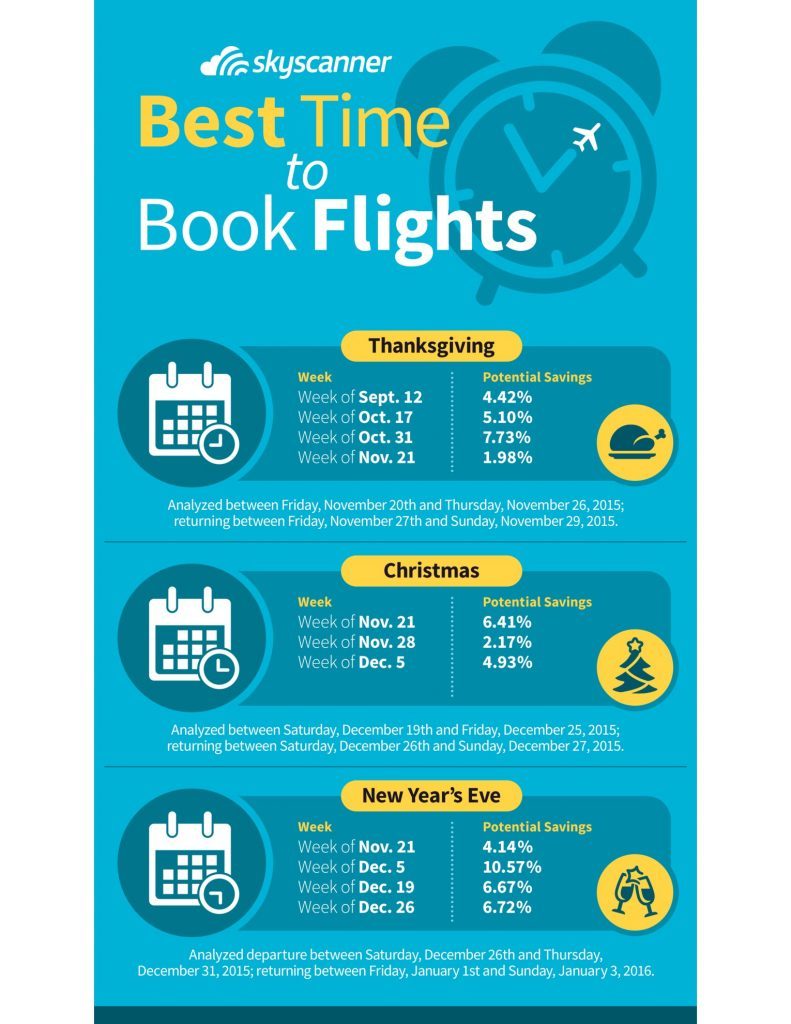
During Thanksgiving, Christmas, and mid-summer, the standard rules regarding the “best day to buy” are often overridden by sheer volume. In these scenarios, the best financial move is to book as early as possible. When demand is guaranteed to exceed supply, the “floor price” is set much higher, and it will only rise. Treat holiday travel as a fixed expense and lock it in early to avoid the extreme volatility of the 30-day window.
The Mid-Week Departure Discount
While we have focused on the best day to buy, the best day to fly is equally important for your budget. If your schedule allows for flexibility, departing on a Tuesday or Wednesday is almost always cheaper than a Friday or Sunday. By combining a Sunday purchase with a Wednesday departure, you are effectively stacking two cost-saving strategies on top of one another, resulting in a significantly lower “total cost of ownership” for your trip.

Conclusion: Developing a Disciplined Buying Habit
Ultimately, the “best” day to buy airline tickets is the day that fits within your pre-determined budget and meets your specific travel needs. While data points toward Sunday as the optimal purchase day and mid-week as the optimal travel window, the most important financial habit you can develop is market awareness.
By treating airfare as a strategic purchase rather than an impulsive one, you can protect your capital and ensure that your travel experiences contribute to your life satisfaction without detracting from your long-term financial goals. Use price alerts, understand the “Goldilocks window,” and stay disciplined. In the world of personal finance, it is not just about how much you earn, but how intelligently you spend. Managing your travel expenses with the same rigor you apply to your investment portfolio is the surest way to see the world while keeping your bottom line in the black.
aViewFromTheCave is a participant in the Amazon Services LLC Associates Program, an affiliate advertising program designed to provide a means for sites to earn advertising fees by advertising and linking to Amazon.com. Amazon, the Amazon logo, AmazonSupply, and the AmazonSupply logo are trademarks of Amazon.com, Inc. or its affiliates. As an Amazon Associate we earn affiliate commissions from qualifying purchases.