
In the landscape of personal finance and career trajectory, we often discuss assets like stocks, real estate, and high-yield savings accounts. However, for a student or a young professional, one of the most significant—yet often undervalued—financial assets is their Grade Point Average (GPA). While a GPA is ostensibly a measure of academic mastery, in the economic sphere, it functions as a critical gatekeeper to high-income career paths, a tool for massive debt reduction, and a benchmark for long-term ROI on educational investment.
To answer “what is a good GPA,” one must look beyond the classroom and into the ledger. A “good” GPA is the numerical threshold that unlocks financial opportunities that would otherwise remain inaccessible.
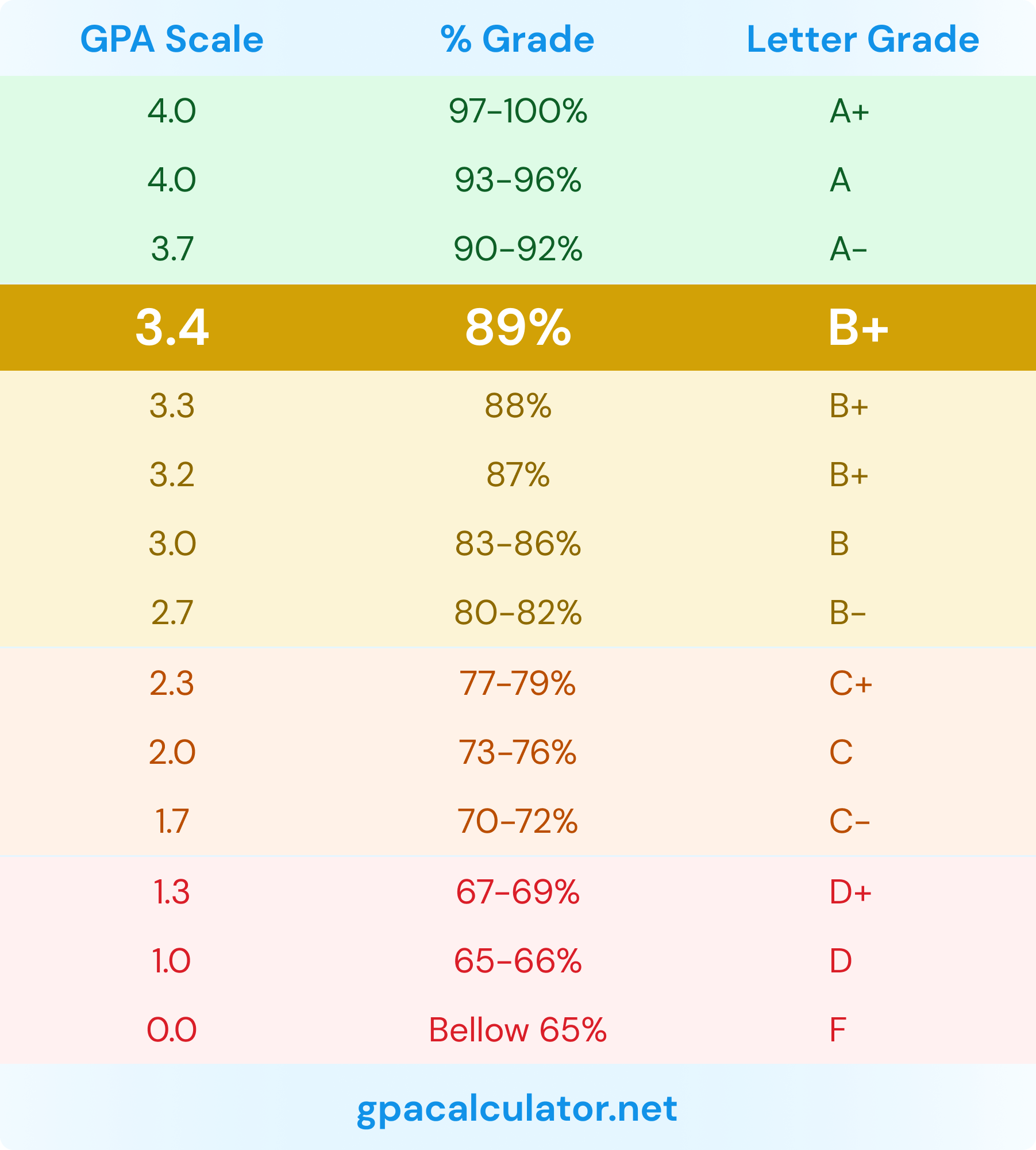
The Monetary Value of Academic Excellence: Scholarships and Debt Mitigation
The financial journey of a professional often begins with the burden of student debt. In this context, a high GPA is not just a point of pride; it is a direct mechanism for capital preservation. When we analyze the cost of higher education, the difference between a 3.0 and a 3.8 GPA can often be measured in tens of thousands of dollars.
Scholarships and the “Full-Ride” ROI
From a personal finance perspective, a high GPA is one of the highest-earning “side hustles” a student can have. Many institutional scholarships are tiered based on academic performance. For example, a student with a 3.9 GPA might qualify for a full-tuition waiver, while a student with a 3.3 might receive only a partial grant.
If we quantify this, a student who spends an extra 10 hours a week studying to move from a B+ to an A average might secure an additional $20,000 per year in merit-based aid. Over four years, that is an $80,000 gain. This equates to a “wage” of roughly $50 per hour of studying—untaxed. In the world of wealth building, avoiding $80,000 in debt at a 6% interest rate over a 10-year repayment period saves an additional $30,000 in interest, making that GPA worth over six figures in total net worth.
The Hidden Costs of Academic Underperformance
Conversely, a “poor” GPA—typically anything below a 2.0 or 2.5 depending on the institution—carries significant financial risk. Many financial aid packages, including federal Pell Grants and private loans, require “Satisfactory Academic Progress” (SAP). Falling below these benchmarks can lead to the loss of funding, forcing students to turn to high-interest private credit or, worse, drop out. Dropping out with debt but no degree is arguably the worst financial outcome possible, as it represents a total loss of investment with no increase in earning potential.
GPA as a Gatekeeper for High-Income Career Paths
Once a student enters the job market, the GPA serves as a signaling device for employers. In high-finance and elite corporate sectors, a “good GPA” is often a hard requirement for entry-level positions that offer six-figure starting salaries.
Investment Banking and Quantitative Finance
In the world of “Bulge Bracket” investment banks (such as Goldman Sachs or J.P. Morgan) and elite quantitative hedge funds, the GPA is used as a primary filter to manage thousands of applications. For these firms, a 3.5 is often the absolute floor, while a 3.7 or 3.8 is the competitive standard.
The financial stakes here are enormous. An entry-level analyst at a top-tier bank can earn between $100,000 and $150,000 in their first year including bonuses. In contrast, a student who is filtered out due to a 3.2 GPA might land a role at a smaller firm with a starting salary of $60,000. Over the first five years of a career, that GPA-based filter can result in a cumulative earnings gap of over $300,000, not including the compounded growth of those earnings if invested in the market.
Management Consulting and Corporate Strategy
Similarly, “MBB” consulting firms (McKinsey, BCG, and Bain) look for academic excellence as a proxy for analytical rigor and work ethic. While these firms are increasingly moving toward holistic reviews, a high GPA remains a foundational element of a “Blue Chip” resume. For a graduate, the brand equity of starting a career at a top-consulting firm significantly increases their lifetime earning potential, as it paves the way for high-paying Chief of Staff or VP of Strategy roles in the future.

Post-Graduate ROI: How GPA Impacts Advanced Degree Funding
For many, the undergraduate degree is merely a stepping stone toward a Master’s, MBA, JD, or MD. In the realm of graduate education, the GPA is perhaps the single most important factor in determining the “Purchase Price” of the degree.
Fully-Funded Research vs. Self-Funded Master’s
In STEM and social science fields, students with exceptional GPAs (3.8+) are often eligible for fellowships and research assistantships that provide “full funding.” This means the university pays the tuition and provides a living stipend. A student with a mediocre GPA might still get into a Master’s program but will likely have to pay out of pocket. In this scenario, a high GPA is the difference between a net-zero cost of education and a $100,000 liability.
Law and Medical School Scholarship Tiers
The legal and medical fields are notoriously expensive. However, law schools, in particular, are highly sensitive to GPA for their national rankings. A student with a high LSAT score and a 3.9 GPA might receive a “Hamilton” or “Ruby” scholarship, covering full tuition at a T14 law school. A student with the same LSAT but a 3.4 GPA might pay the full “sticker price” of $70,000 per year. Over three years, that GPA difference is worth $210,000. When calculating the “Value” of a GPA, this is where the numbers become most staggering.
Beyond the Number: Calculating the Opportunity Cost of Perfection
While we have established that a high GPA is a financial asset, a sophisticated financial perspective must also account for the law of diminishing returns and opportunity cost.
The Law of Diminishing Returns in Grading
In most industries, the difference between a 3.9 and a 4.0 is negligible. However, the amount of effort required to maintain a perfect 4.0—ensuring an “A” in every single elective and difficult core class—is often exponentially higher than what is needed for a 3.8.
From a time-management and wealth-building perspective, a student might be better off maintaining a 3.8 and using those “saved” 15 hours a week to build a side business, manage a stock portfolio, or pursue high-value internships. If a 4.0 GPA comes at the cost of networking and practical work experience, the net present value (NPV) of that student’s career may actually decrease.
Networking vs. Study Time: A Portfolio Approach
Investors talk about diversification; students should talk about “Resume Diversification.” A 3.9 GPA with zero extracurriculars or internships is often less “valuable” in the marketplace than a 3.6 GPA coupled with a leadership role in a finance club or a successful freelance digital marketing business.
The “optimal” GPA is therefore one that is high enough to pass the filters of elite employers (typically 3.5–3.7) but leaves enough “time capital” to invest in other high-yield activities. This is the “efficient frontier” of academic performance.
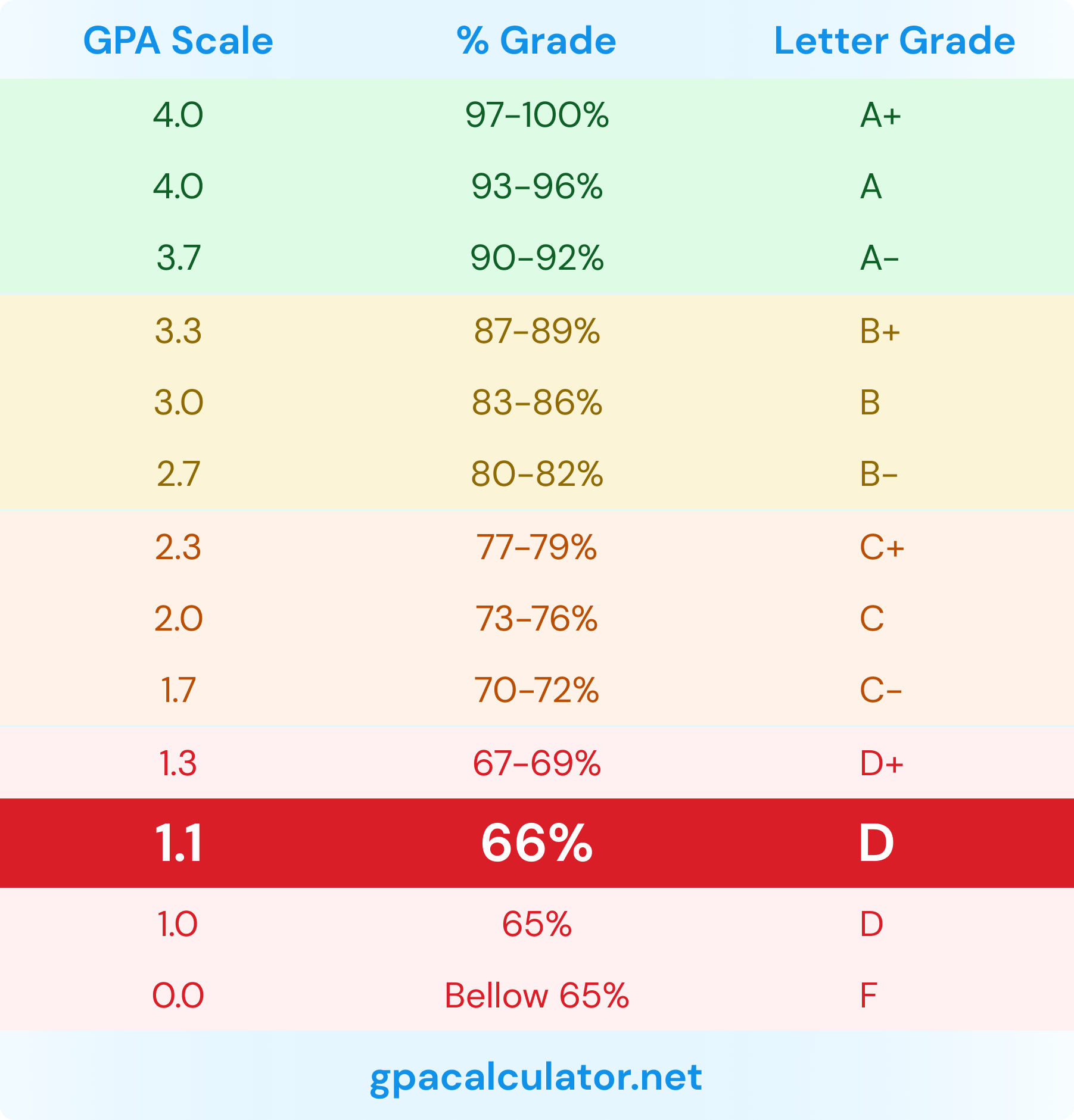
Conclusion: Defining Your Personal “Good GPA”
Ultimately, what constitutes a “good GPA” depends on your financial and career goals. If you are aiming for a career in a field with high barriers to entry like investment banking or medicine, or if you rely on merit-based aid to fund your education, a “good” GPA is likely 3.7 or higher. In these tracks, the GPA is a direct driver of wealth.
However, if you are an entrepreneur or looking into industries where portfolio work and skills outweigh institutional pedigree (such as tech or creative services), a 3.0 or 3.3 may be perfectly sufficient. In these cases, your “wealth” is generated through the application of skills rather than the signaling of a grade.
In the final analysis, your GPA should be treated like any other financial instrument: it requires investment, it yields returns, and it should be managed with an eye toward the long-term bottom line. Don’t just study for the grade; study for the equity that grade builds in your future.
aViewFromTheCave is a participant in the Amazon Services LLC Associates Program, an affiliate advertising program designed to provide a means for sites to earn advertising fees by advertising and linking to Amazon.com. Amazon, the Amazon logo, AmazonSupply, and the AmazonSupply logo are trademarks of Amazon.com, Inc. or its affiliates. As an Amazon Associate we earn affiliate commissions from qualifying purchases.