
The question “what time period is Bridgerton” may seem like a simple inquiry into historical chronology, but for brand strategists and marketing professionals, the answer represents one of the most successful exercises in brand positioning in the 21st century. While the series is firmly rooted in the British Regency era—specifically beginning in 1813—the “Bridgerton” version of this time period is not a mere historical reenactment. It is a meticulously crafted brand asset.
By selecting the Regency era as its foundation, Shondaland and Netflix didn’t just choose a backdrop for a romance; they curated a visual and emotional ecosystem that could be packaged, exported, and monetized. This article explores how the specific temporal setting of Bridgerton serves as the cornerstone of a multi-billion-dollar brand strategy, transforming 19th-century history into a modern lifestyle phenomenon known as “Regencycore.”
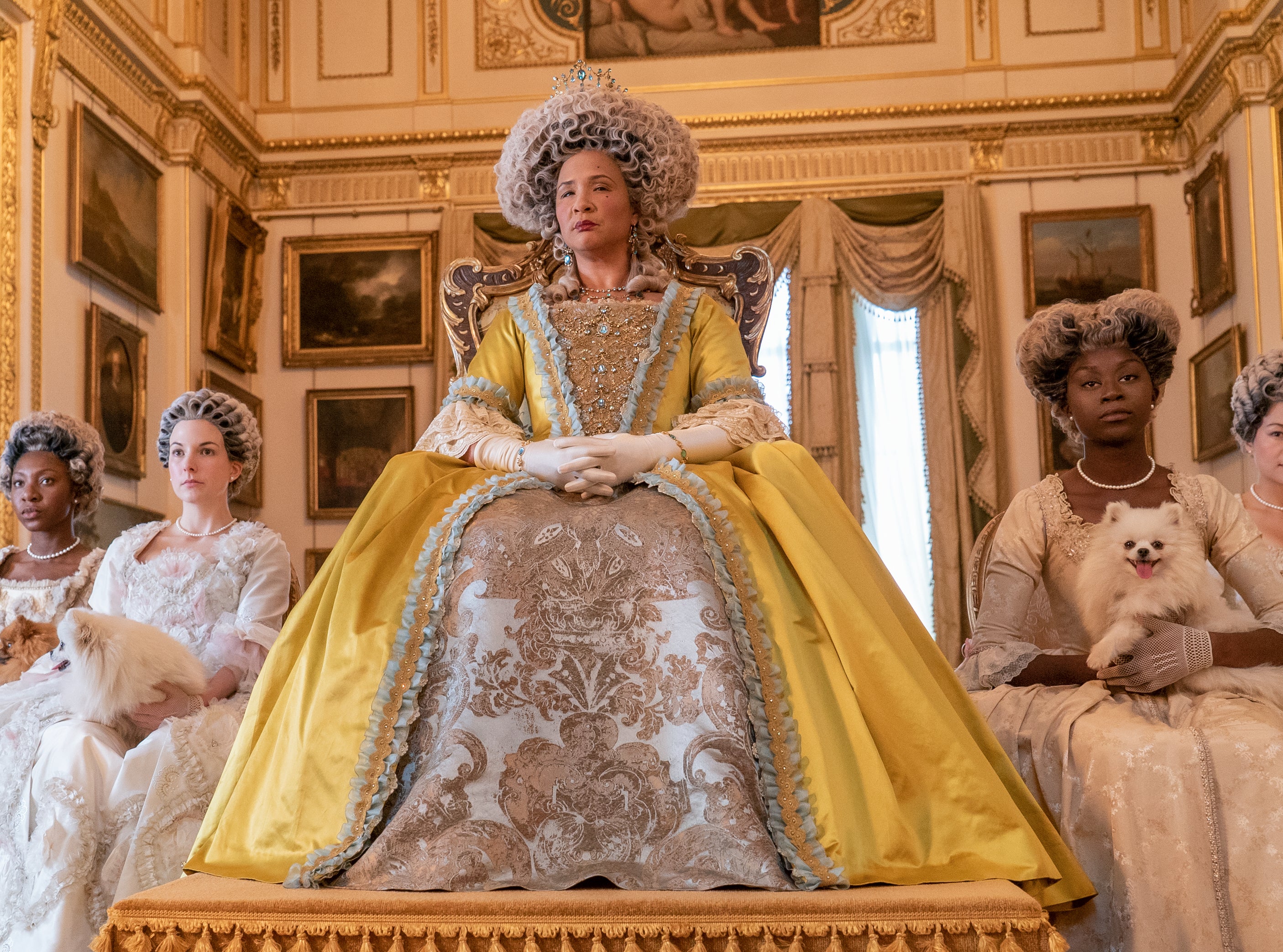
Historical Precision vs. Brand Identity: The Regency Reimagined
To understand the brand power of Bridgerton, one must first understand the strategic selection of its time period. The Regency era (officially 1811–1820) occupies a unique niche in the cultural consciousness. It sits comfortably between the powdered wigs of the Georgian era and the restrictive, somber industrialization of the Victorian age. For a brand, this is prime real estate: it offers the elegance of aristocracy without the stifling gloom of later centuries.
The 1813 Anchor: Establishing a Temporal Foundation
The series identifies 1813 as its starting point. In the world of branding, specificity is synonymous with identity. By anchoring the narrative in a specific year, the show’s creators established a “Brand Bible” that dictates everything from the silhouette of a gown to the etiquette of a ballroom. This temporal clarity allows the audience to instantly recognize the “Bridgerton” aesthetic. Unlike generic “period dramas” that blur the lines between decades, Bridgerton owns its specific slice of history, allowing it to stand out in a saturated streaming market.
“Anachronistic Authenticity”: The Secret Sauce of the Shondaland Brand
The genius of the Bridgerton brand lies in what critics call “anachronistic authenticity.” The show does not strive for 100% historical accuracy; instead, it strives for “brand accuracy.” The use of vibrant, neon-adjacent color palettes—unlikely in the early 1800s—is a deliberate brand choice to signal modernity, diversity, and energy. By blending the Regency period with contemporary sensibilities, the brand achieves a “best of both worlds” positioning: it provides the escapism of the past with the inclusivity and vibrancy of the present. This strategy ensures the brand remains relevant to a modern, globalized audience that might otherwise find traditional period dramas inaccessible.
The Birth of Regencycore: Scaling a Period Aesthetic into a Global Trend
In marketing, a brand’s success is often measured by its ability to influence consumer behavior outside of its primary medium. Bridgerton has achieved this through the creation of “Regencycore,” a fashion and interior design movement that leveraged the show’s time period to dominate retail markets.
Fashion as a Narrative and Marketing Tool
The empire-waist silhouettes, opera gloves, and floral motifs of the 1810s became the visual shorthand for the Bridgerton brand. From a strategic standpoint, the show’s costume design acts as a continuous advertisement. When fast-fashion giants like H&M or luxury labels like Liberty London release “Bridgerton-inspired” collections, they are participating in a massive brand extension exercise. The time period is the product. By making the aesthetic of 1813 aspirational, the brand transformed “period clothing” into “modern luxury,” allowing fans to literally “wear the brand.”
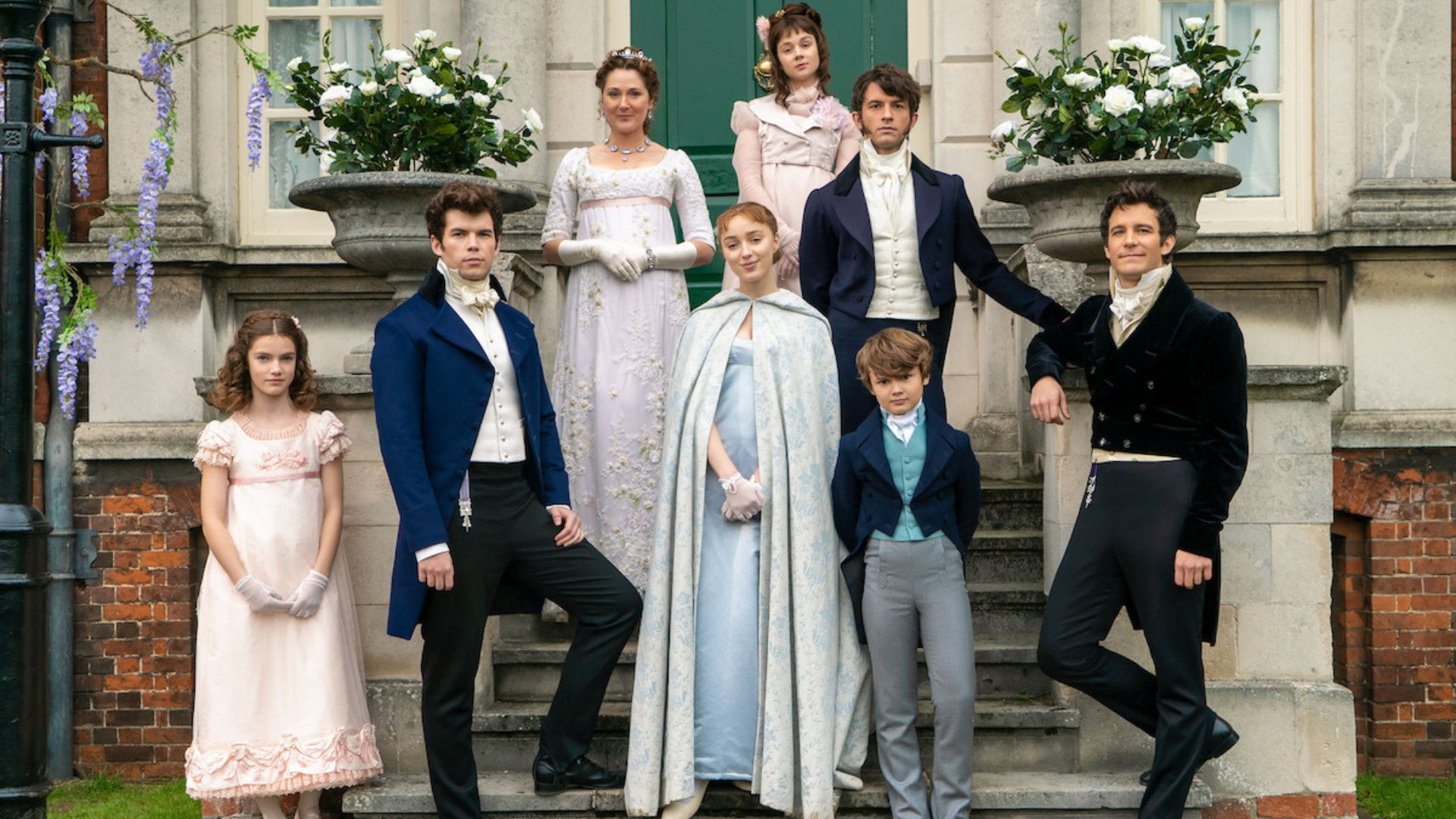
Licensing the Era: Partnerships and Collaborative Branding
The Bridgerton brand has moved far beyond the screen through strategic licensing agreements that capitalize on its specific time period. Partnerships with brands like Pat McGrath Labs for makeup or Republic Tea for Regency-themed blends show a sophisticated understanding of lifestyle branding. These products don’t just sell a show; they sell the feeling of the era. This is “immersion marketing” at its finest. Consumers aren’t just buying tea; they are buying an invitation into the Bridgerton world, solidified by the brand’s consistent adherence to its Regency-inspired aesthetic across all touchpoints.
Digital Strategy and the Modernization of the 19th Century
A significant challenge in branding a period piece is the potential for the content to feel “dated” or “stiff.” Bridgerton solved this through a digital-first strategy that uses the Regency time period as a filter for modern pop culture, specifically through its auditory and social media presence.
Soundtracking the Past: Pop Covers as Brand Differentiators
One of the most recognizable elements of the Bridgerton brand is its use of Vitamin String Quartet covers of modern pop songs (e.g., Taylor Swift, Billie Eilish). This is a masterclass in brand bridging. By taking the “sound” of the 1810s—chamber music—and applying it to the “hits” of the 2020s, the brand creates a unique sensory experience. This strategy serves a dual purpose: it reinforces the “period” setting while signaling to the audience that this is a modern, trendy product. It transformed the show’s soundtrack into a standalone brand asset that performs exceptionally well on streaming platforms like Spotify, further extending the brand’s reach.
Social Media and the “Main Character” Marketing Strategy
The Bridgerton brand leans heavily into the “Main Character Energy” trend prevalent on TikTok and Instagram. The marketing team utilizes the Regency setting to encourage user-generated content (UGC). Fans are invited to imagine themselves in the “Marriage Mart” or “Promenade,” using filters and sounds that evoke the 1813 setting. This transforms the audience from passive viewers into active brand ambassadors. The time period becomes a playground for digital expression, ensuring that a story set 200 years ago remains at the center of the modern social media conversation.
Lessons in Brand Longevity: Maintaining Relevance Across Seasons
A common pitfall for brands centered on a specific trend or time period is the “flash in the pan” effect. However, Bridgerton has demonstrated a robust strategy for brand longevity by treating its time period not as a cage, but as an expandable universe.
Scaling the Universe: The Queen Charlotte Expansion
The release of Queen Charlotte: A Bridgerton Story was a strategic move to deepen the brand’s historical lore. By jumping back a few decades within the same universe, the brand showed it could sustain multiple timelines while maintaining a cohesive identity. This “prequel strategy” allowed the brand to explore different facets of its world—specifically racial integration and the “Great Experiment”—which added intellectual and emotional depth to the brand. It proved that the Bridgerton brand wasn’t just about pretty dresses; it was about a specific, reimagined version of history that could be explored indefinitely.
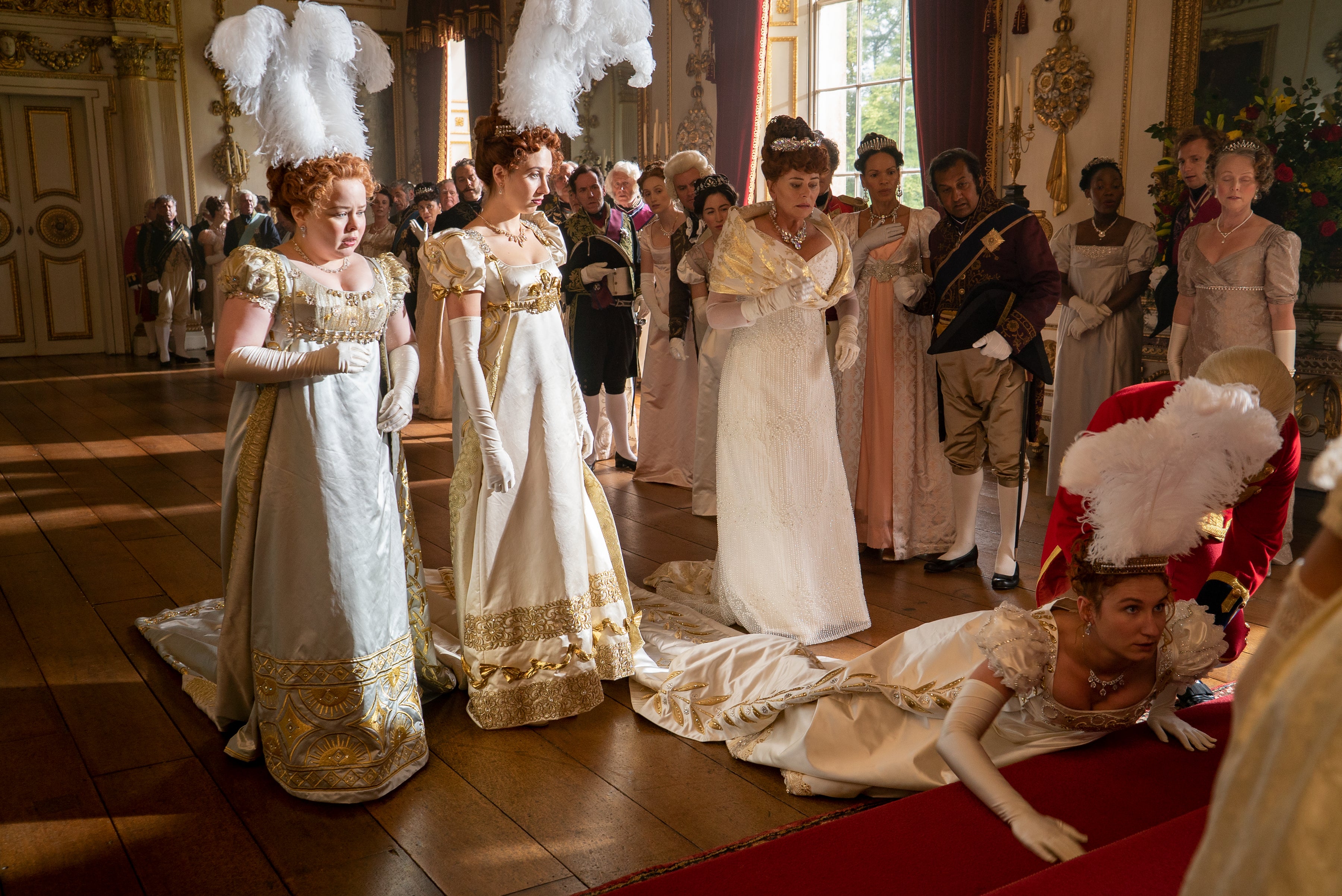
The Future of Period Branding in the Streaming Era
As Bridgerton moves into its subsequent seasons, the brand face a challenge: how to keep the 1813 aesthetic from becoming stale. The strategy appears to be a rotation of “lead aesthetics” based on the central couple of each season. While the core Regency time period remains the same, the “sub-brand” of each season shifts—from the “Daphne Blue” of Season 1 to the “Kate Sharma Jewel Tones” of Season 2, and the “Penelope Glow-up” of Season 3. This allows the brand to refresh its visual identity and merchandise opportunities annually without losing its core temporal anchor.
In conclusion, when we ask “what time period is Bridgerton,” we are looking at the foundation of a modern marketing empire. The Regency era was not chosen by accident; it was chosen for its elasticity, its elegance, and its ability to be rebranded for a contemporary audience. Through a combination of visual “Regencycore,” digital innovation, and strategic licensing, Shondaland and Netflix have turned 1813 into a perpetual gold mine. They have proven that with the right brand strategy, the past isn’t just a foreign country—it’s a profitable, scalable, and highly engaging luxury brand.
aViewFromTheCave is a participant in the Amazon Services LLC Associates Program, an affiliate advertising program designed to provide a means for sites to earn advertising fees by advertising and linking to Amazon.com. Amazon, the Amazon logo, AmazonSupply, and the AmazonSupply logo are trademarks of Amazon.com, Inc. or its affiliates. As an Amazon Associate we earn affiliate commissions from qualifying purchases.