
In the contemporary landscape, the intersection of ancient tradition and cutting-edge technology has fundamentally altered how millions of individuals interact with their daily schedules. For those asking “what time is Salat al-Asr,” the answer is no longer found by observing the length of a shadow in the desert, but rather through a complex interplay of geolocation data, sophisticated algorithms, and mobile software engineering. The digitization of religious timing represents a significant niche within the broader technology sector, showcasing how specialized software can solve precise astronomical and logistical challenges.

The Evolution of Calculation: From Sun Shadows to Sophisticated Algorithms
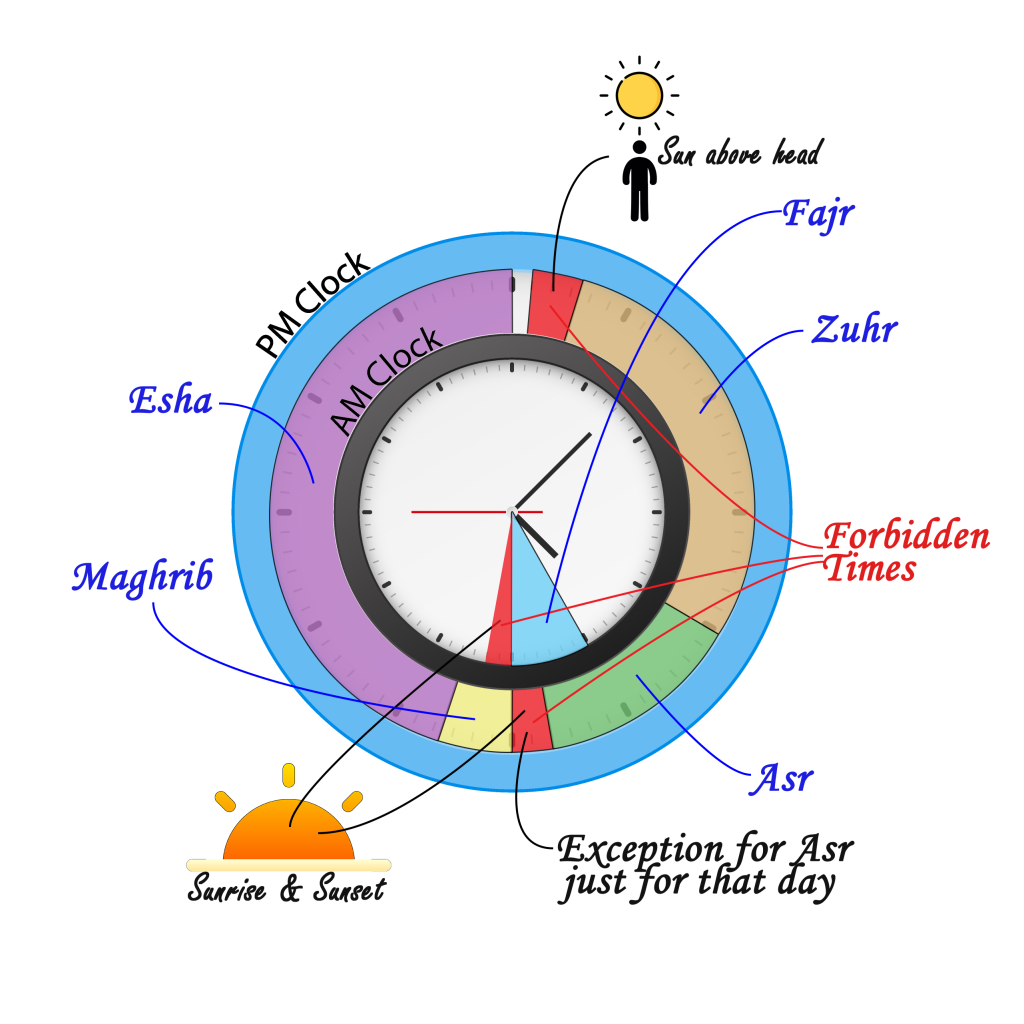
The determination of Salat al-Asr has historically been a matter of visual observation and trigonometry. Unlike other prayer times that rely on the transition of the sun across the horizon (sunrise/sunset), Asr is uniquely defined by the length of an object’s shadow relative to its height. As we transitioned into the digital age, developers had to translate these physical observations into robust code.
Standard vs. Juristic Calculation Methods in Software
One of the primary challenges in developing prayer time software is accounting for different schools of thought. The “Standard” method (used by the Shafi’i, Maliki, and Hanbali schools) and the “Hanafi” method differ in when the Asr time begins based on shadow length.
Modern tech applications solve this by providing “Juristic Settings” within their UI/UX. Developers use toggle switches and conditional logic to allow the user to select their preference. This level of customization demonstrates how software can accommodate diversity within a user base by leveraging simple parameter adjustments in the backend algorithm.
Astronomical Libraries and Open Source Contributions
The “heavy lifting” of calculating these times isn’t done from scratch by every app developer. Most modern applications rely on established astronomical libraries, such as Adhan for Java/Swift or PrayTimes.js. These open-source libraries contain the mathematical formulas necessary to calculate the sun’s declination and the equation of time. By using these libraries, developers can ensure accuracy within seconds, a feat that would have been impossible for the average person just a few decades ago.
Geolocation and Precision: The Tech Stack Behind Prayer Time Apps
The core utility of any app answering “what time is Salat al-Asr” depends entirely on its ability to pinpoint the user’s location. This is where the integration of Global Positioning System (GPS) technology and Geographic Information Systems (GIS) becomes critical.
The Role of GPS and API Integration
When a user opens a prayer time application, the software makes a call to the device’s location services. Using latitude and longitude coordinates, the app calculates the sun’s position relative to that specific point on Earth.
However, high-accuracy GPS can be battery-intensive. To optimize performance, developers often use “Fused Location Providers” that balance GPS, Wi-Fi, and cellular data to provide an accurate location without draining the device. Furthermore, many apps integrate with Mapbox or Google Maps APIs to provide a visual context for the user’s “Qibla” (direction), which is often bundled with timing information.
Offline Functionality and Local Databases
A hallmark of high-quality tech in this niche is the ability to function without a constant internet connection. Professional-grade apps store localized time offsets and astronomical data in local SQLite databases or Realm files. This ensures that even if a traveler is in a remote area without a cellular signal, the software can still perform the necessary calculations for Salat al-Asr based on the last known coordinates and the device’s internal clock.
The Role of AI and Machine Learning in Religious Compliance
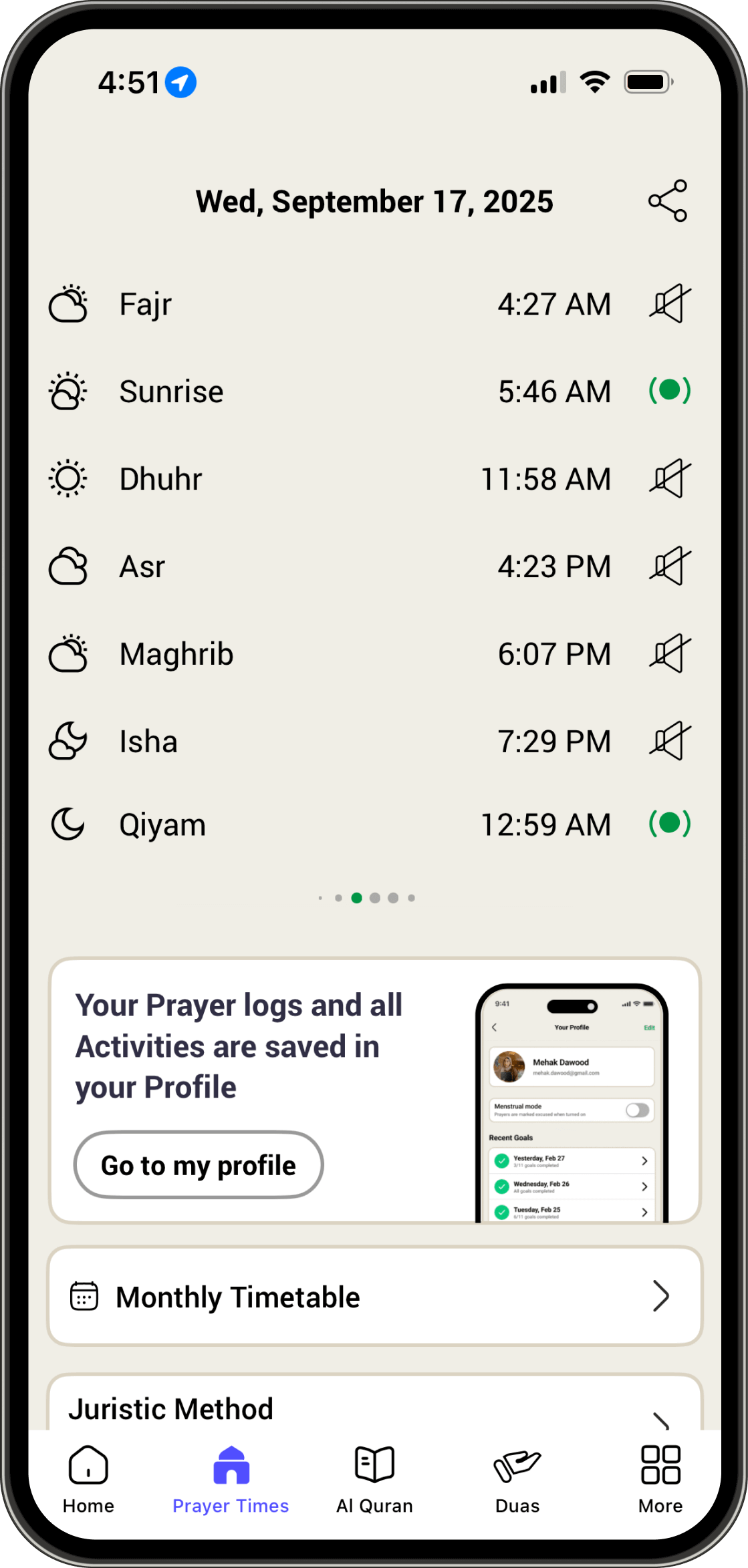
As we move further into the decade, Artificial Intelligence (AI) and Machine Learning (ML) are beginning to play a role in how timing apps function, moving beyond static calculations to predictive and adaptive models.
Adaptive Notifications and Behavioral AI
Modern apps are no longer just passive clocks; they are becoming proactive assistants. Machine learning algorithms can analyze a user’s behavior—such as when they typically dismiss an alert or when they are in “Do Not Disturb” mode—to suggest optimal times for notifications. If the AI detects that a user is consistently traveling at the time of Asr, it might offer to pre-calculate the timing for the destination or provide “Travel Mode” alerts that adjust dynamically as the user crosses time zones.
Atmospheric Correction and Predictive Analytics
The exact moment of prayer times can be slightly influenced by atmospheric refraction and altitude. While standard formulas provide a base, AI can be used to pull real-time weather and atmospheric data to provide “Micro-Adjustments.” By analyzing historical atmospheric data, specialized software can predict slight shifts in visibility and lighting that might affect the traditional observation of time, providing a more “accurate” digital representation of the physical world.
Data Privacy and Digital Security in Faith-Based Applications
With the proliferation of apps designed to track religious timings and locations, digital security has become a paramount concern. When a user asks an app for the time of Salat al-Asr, they are sharing their precise location, which is sensitive personal data.
The Importance of End-to-End Encryption
In the tech world, “Privacy by Design” is a critical framework. Leading developers in this space are now implementing end-to-end encryption for any data synced to the cloud (such as prayer logs or personalized settings). This ensures that even if the app’s servers were compromised, the individual’s religious habits and movement patterns remain inaccessible.
The Ethical Tech Movement and Data Monetization
There has been a growing movement within the tech community to move away from “Free” apps that monetize user location data. The “Ethical Tech” trend has seen a rise in premium, subscription-based, or community-funded applications that explicitly state they do not sell user data to third-party brokers. This shift reflects a broader trend in the software industry where users are becoming more tech-savvy and protective of their digital footprints, demanding transparency from the tools they use for their most personal routines.
The Future of Spiritual Connectivity: Wearables and IoT
The question of “what time is Salat al-Asr” is increasingly being answered by devices other than the smartphone. The Internet of Things (IoT) and wearable technology are the next frontiers for this specialized software niche.
Smartwatches and Haptic Feedback
Smartwatches like the Apple Watch or Garmin devices offer a unique platform for timing notifications. Developers are now creating complications—small widgets on the watch face—that show a countdown to the next prayer time. Instead of an intrusive sound, haptic feedback (a subtle vibration on the wrist) can discreetly inform the user of the time for Asr. This represents a move toward “Calm Technology,” where software integrates seamlessly into the user’s life without demanding constant visual attention.
Smart Home Integration and Automation
The modern “Smart Home” is also a part of this tech evolution. Through integrations with platforms like Home Assistant, Amazon Alexa, or Google Home, users can automate their environments based on the time of Salat al-Asr. For instance, smart lighting systems can be programmed to change hue or brightness at the onset of Asr, or automated blinds can adjust to let in natural light. This level of automation is achieved through webhooks and API calls that link religious timing databases with home automation software, creating a fully integrated digital ecosystem.
Conclusion
The evolution from manual observation to AI-driven, GPS-located notifications illustrates the incredible power of technology to preserve and facilitate ancient traditions. Answering “what time is Salat al-Asr” is no longer a simple query; it is a sophisticated technological process involving astronomical mathematics, global positioning, and high-level software security. As we look forward, the continued integration of AI, wearables, and ethical data practices will only further refine this unique intersection of tech and lifestyle, making precision timing more accessible and secure than ever before.
aViewFromTheCave is a participant in the Amazon Services LLC Associates Program, an affiliate advertising program designed to provide a means for sites to earn advertising fees by advertising and linking to Amazon.com. Amazon, the Amazon logo, AmazonSupply, and the AmazonSupply logo are trademarks of Amazon.com, Inc. or its affiliates. As an Amazon Associate we earn affiliate commissions from qualifying purchases.