
In the modern professional landscape, the concept of a “career” has evolved into the “brand.” No longer are individuals merely employees; they are entities with specific value propositions, reputations, and networks. Within this brand-centric economy, the informational interview stands as one of the most underutilized yet powerful tools for brand positioning and market research. An informational interview is not a job interview; it is a strategic meeting where an individual seeks insights, advice, and industry intelligence from an established professional.
When viewed through the lens of brand strategy, these interviews are not just casual coffee chats. They are high-level discovery sessions that allow you to refine your personal narrative, align your professional identity with industry standards, and expand your brand’s reach into exclusive circles. This article explores how to leverage the informational interview to build a robust personal brand and navigate the competitive corporate identity landscape.
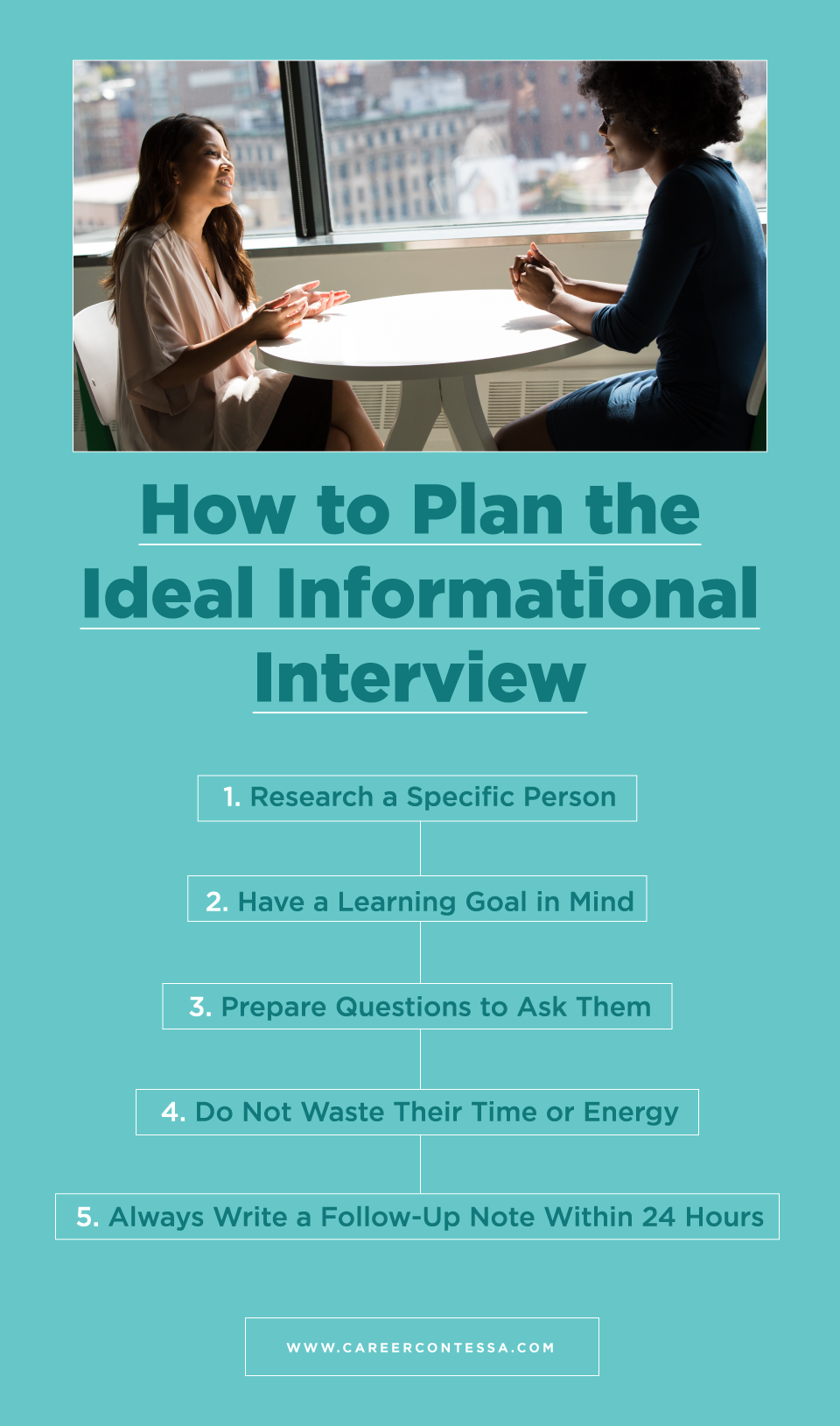
The Anatomy of an Informational Interview in the Modern Brand Economy
To understand the informational interview, one must first distinguish it from the standard recruitment process. In a traditional interview, the company evaluates your fit for a specific role. In an informational interview, you are the lead strategist conducting market research on a “competitor” or “partner” brand. It is an inquiry-led conversation designed to gather data that cannot be found on a LinkedIn profile or a corporate “About Us” page.
Redefining the “Coffee Chat” as Brand Discovery
The term “coffee chat” often implies a lack of structure. However, in the context of personal branding, an informational interview is a targeted discovery phase. Just as a corporate brand conducts focus groups to understand consumer behavior, a professional uses these interviews to understand the “culture” and “expectations” of an industry. You are looking for the “white space” in the market—the gaps in talent or skills that your personal brand can fill. By approaching these meetings with a brand-first mindset, you shift from a position of “asking for a favor” to a position of “seeking industry alignment.”
The Shift from Job Seeking to Value Exchange
The most common mistake professionals make is treating an informational interview as a backdoor to a job application. This muddies your brand’s clarity. If your brand is seen as “needy” or “transactional,” you lose equity. Instead, focus on value exchange. While you are the one asking the questions, your preparation, your insights, and your professional demeanor provide the interviewee with a fresh perspective on their own field. A successful informational interview leaves the other person thinking of you as a peer and a future collaborator, rather than a subordinate applicant.
Building Your Brand Identity Through Strategic Inquiry
Your personal brand is defined by the company you keep and the questions you ask. To use informational interviews effectively, you must be selective about who you approach and how you frame your narrative. This is the “outreach” phase of your brand strategy, requiring a balance of humility and authority.
Identifying Key Opinion Leaders in Your Niche
A brand is only as strong as its associations. If you want to be known as a leader in sustainable fashion marketing, you need to interview the architects of that industry. When selecting targets for informational interviews, look for “Key Opinion Leaders” (KOLs) or “Brand Pathfinders”—individuals whose career trajectories mirror the one you wish to build.
Use a tiered approach:
- The Peers: Those 1–2 years ahead of you who can provide “on-the-ground” tactical brand advice.
- The Managers: Those who build teams and can explain what makes a personal brand “hirable.”
- The Visionaries: Executives who understand the long-term trends of the corporate identity landscape.
Crafting Your Brand Narrative Before the Meeting
Before you send a single outreach email, your own digital footprint must be cohesive. When you request an informational interview, the recipient will immediately “vet” your brand by looking at your LinkedIn or portfolio. Your outreach message itself is a branding touchpoint. It should be concise, professional, and clearly state your objective: “I am currently evolving my brand focus toward [Niche], and your work in [Specific Project] has been a significant influence on my strategic thinking.” This positions you as an informed professional, not an aimless seeker.
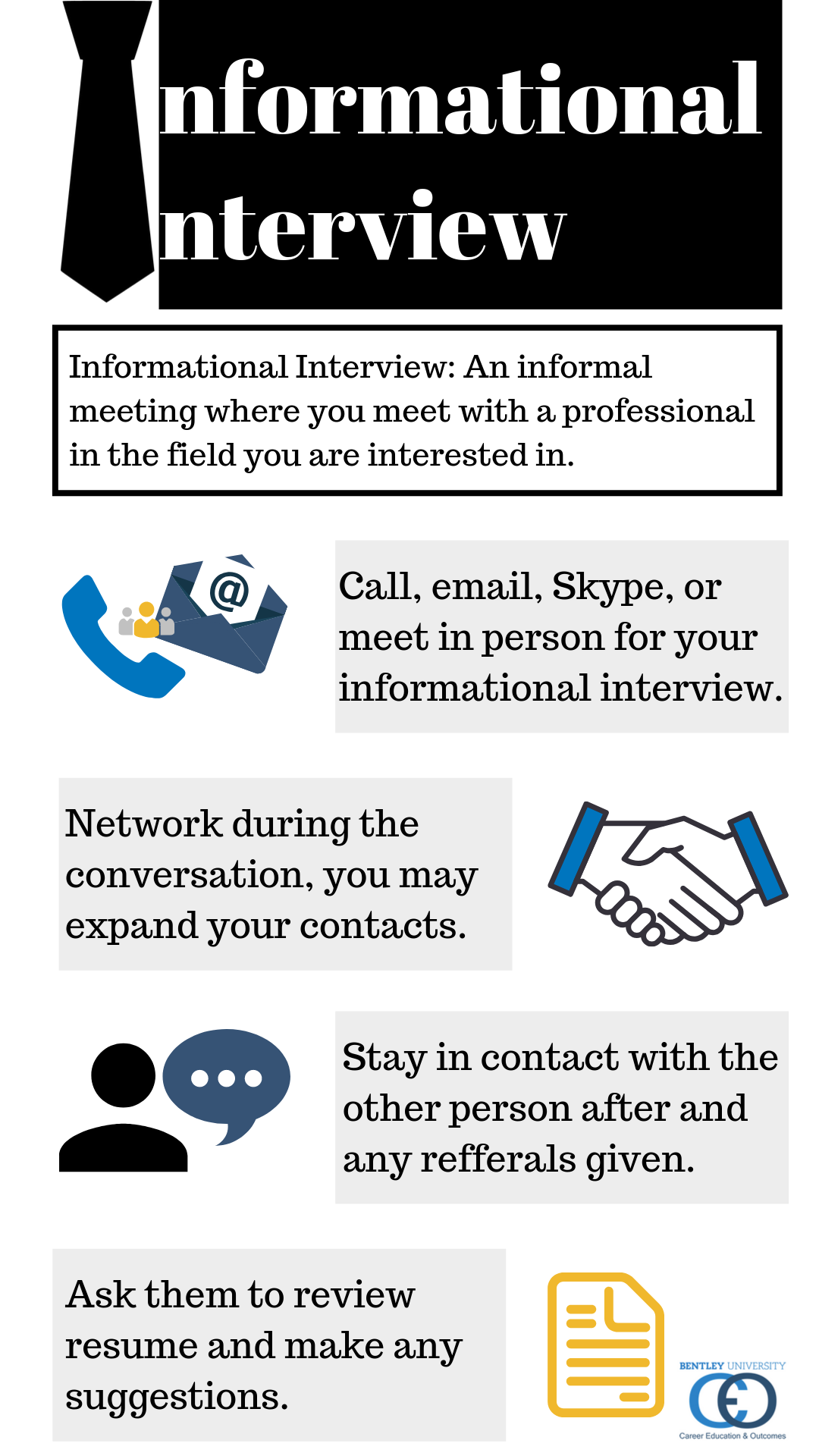
The Mechanics of the Interview: Position Yourself as an Industry Peer
Once you have secured the meeting, the execution determines whether your brand is remembered or forgotten. This is your “brand activation.” The goal is to conduct the interview with such professional rigor that the interviewee feels they are participating in a high-level industry consultation.
Research as a Competitive Advantage
Deep research is the foundation of brand authority. Nothing damages a personal brand faster than asking a question that could have been answered by a five-minute Google search. Your questions should demonstrate that you have analyzed the interviewee’s brand and their company’s market position. For example, instead of asking “What is it like to work at [Company]?”, ask “I noticed [Company] recently pivoted its brand strategy toward [Specific Trend]; how has that shifted the internal culture for the design team?” This shows that your brand is observant, analytical, and invested in the industry’s future.
Questions that Highlight Your Brand Expertise
The questions you ask are a reflection of your own expertise. Strategic branding requires a focus on “why” and “how” rather than “what.” Consider these three categories of questions to elevate your brand presence:
- The Origin Story: “Which core values guided your brand’s evolution during the early stages of your career?”
- The Problem-Solving Query: “What is the biggest brand challenge your department is currently facing, and how are you positioning your team to solve it?”
- The Future-Facing Question: “Where do you see the intersection of [Trend A] and [Trend B] taking the industry in the next three years?”
By asking these, you are signaling that your brand is capable of high-level strategic thought.
Scaling Your Network: Post-Interview Brand Maintenance
The informational interview does not end when the Zoom call closes or the coffee cup is empty. In the world of branding, the “after-sales service” is where loyalty is built. How you manage the relationship post-interview determines the long-term ROI of the interaction.
The Art of the Follow-Up: Cementing the Connection
A generic “thank you” note is a missed branding opportunity. A strategic follow-up should reinforce your brand’s value proposition. Mention a specific insight they shared and explain how you intend to apply it to your current projects. If you discussed a specific book, article, or tool, send a follow-up link a few days later with a brief note: “Our conversation about [Topic] reminded me of this case study; I thought your team might find the data on page 4 particularly relevant.” This transforms the interaction from a one-off meeting into an ongoing brand partnership.
Turning Insights into Content Strategy
One of the most effective ways to leverage an informational interview for personal branding is to “build in public.” Without disclosing confidential details, you can share the general themes and lessons learned from your networking efforts on professional platforms like LinkedIn.
For instance, a post stating, “I recently spoke with a leader in the brand strategy space about the importance of emotional resonance in B2B marketing, and it sparked a realization…” does three things:
- It reinforces your association with industry leaders.
- It positions you as a “thought curator” who is constantly learning.
- It adds value to your broader network, further strengthening your personal brand’s reach.

Maintaining the Relationship as a Brand Asset
Networking is not about collecting business cards; it is about managing a portfolio of brand assets. Keep a log of your informational interviews and set reminders to check in with these contacts every few months. Share an update on your brand’s progress or congratulate them on a recent company milestone. By maintaining these touchpoints, you ensure that when a high-level opportunity arises that fits your brand profile, you are the first person they think of.
In conclusion, the informational interview is far more than a tool for job hunting—it is a sophisticated instrument for brand development. By treating every interview as a strategic brand alignment session, you gain the insights necessary to pivot your career, the authority to command respect in your niche, and a network of advocates who understand exactly what your brand stands for. In a world where your reputation is your currency, mastering the informational interview is the ultimate investment in your brand’s future.
aViewFromTheCave is a participant in the Amazon Services LLC Associates Program, an affiliate advertising program designed to provide a means for sites to earn advertising fees by advertising and linking to Amazon.com. Amazon, the Amazon logo, AmazonSupply, and the AmazonSupply logo are trademarks of Amazon.com, Inc. or its affiliates. As an Amazon Associate we earn affiliate commissions from qualifying purchases.