
The legal landscape can be a complex terrain, filled with intricate procedures and specialized terminology. For those unfamiliar with the inner workings of the justice system, concepts like “affirmative defense” can appear daunting. Yet, understanding this fundamental legal principle is crucial for anyone navigating disputes, whether they are facing civil litigation or criminal charges. An affirmative defense, in essence, is a defendant’s way of admitting to certain facts presented by the plaintiff or prosecution but then introducing new facts or arguments that, if proven, would absolve them of legal responsibility. It’s a strategic maneuver, shifting the burden of proof onto the defendant to establish the validity of their defense.
Unlike a general denial, which simply disputes the claims made against them, an affirmative defense goes a step further. It acknowledges the possibility of the plaintiff’s or prosecution’s core allegations being true, but then asserts that external circumstances or legal justifications negate the defendant’s culpability. Think of it as saying, “Yes, I did that, but here’s why I’m not legally responsible.” This distinction is vital, as it dictates how a case proceeds and what evidence needs to be presented. Mastering this concept is not just about legal jargon; it’s about understanding the nuances of accountability and the various pathways to justice.
Understanding the Core Concept of Affirmative Defense
At its heart, an affirmative defense is a legal strategy employed by a defendant to avoid liability or conviction. It’s not about denying the underlying actions, but rather about presenting a compelling reason why those actions, even if they occurred, should not lead to a negative legal outcome for the defendant. This requires a proactive approach, as the defendant must not only raise the defense but also present evidence to support it. The onus is on the defendant to prove the elements of their affirmative defense, which can be a challenging but often necessary step in building a strong legal case.
The Distinction Between General Denial and Affirmative Defense
The legal system often operates on a principle of specific pleading, meaning that parties must clearly articulate their arguments. When a defendant is sued or charged, their initial response typically involves a general denial of the allegations. This puts the burden on the plaintiff or prosecution to prove their case beyond a reasonable doubt (in criminal matters) or by a preponderance of the evidence (in civil matters). However, an affirmative defense represents a significant departure from this.
A general denial simply states that the defendant disagrees with the claims made against them. For example, in a breach of contract case, a general denial might state, “The defendant denies breaching the contract.” This forces the plaintiff to prove that the contract existed, that the defendant failed to perform their obligations, and that this failure caused damages.
An affirmative defense, on the other hand, introduces new information. Using the same breach of contract example, an affirmative defense might be “The defendant admits to not performing the contract as originally stated, but argues that the contract was subsequently modified by mutual agreement, and the defendant performed according to the modified terms.” Here, the defendant acknowledges a deviation from the initial agreement but presents a justification. Other examples of affirmative defenses in contract law could include fraud, duress, impossibility of performance, or statute of limitations.
The implication of this distinction is profound. If a defendant relies solely on a general denial, they are essentially waiting for the plaintiff to build their case and then attempting to poke holes in it. With an affirmative defense, the defendant takes the initiative. They are actively presenting their own narrative and providing a legal basis for their non-liability. This requires careful consideration of the facts and a thorough understanding of applicable laws.
The Burden of Proof in Affirmative Defenses
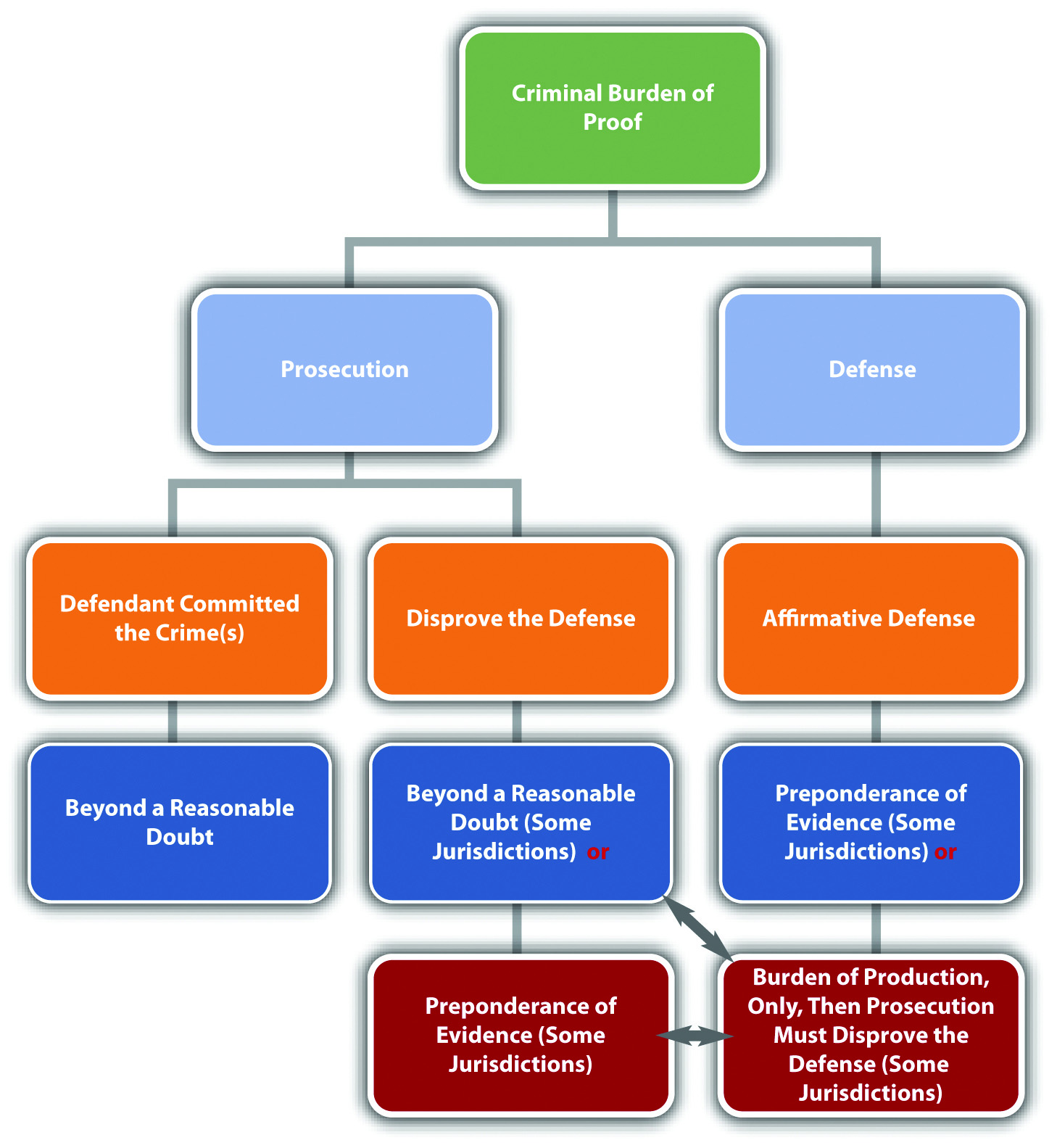
One of the most critical aspects of an affirmative defense is the shift in the burden of proof. When a defendant raises a valid affirmative defense, the legal obligation to prove the elements of that defense falls squarely on their shoulders. This is a significant responsibility and differentiates it from a simple denial.
In a case where a defendant only denies the plaintiff’s allegations, the plaintiff must present sufficient evidence to convince the judge or jury that their claims are true. If the plaintiff fails to meet this burden, the defendant wins, regardless of whether they presented any evidence themselves.
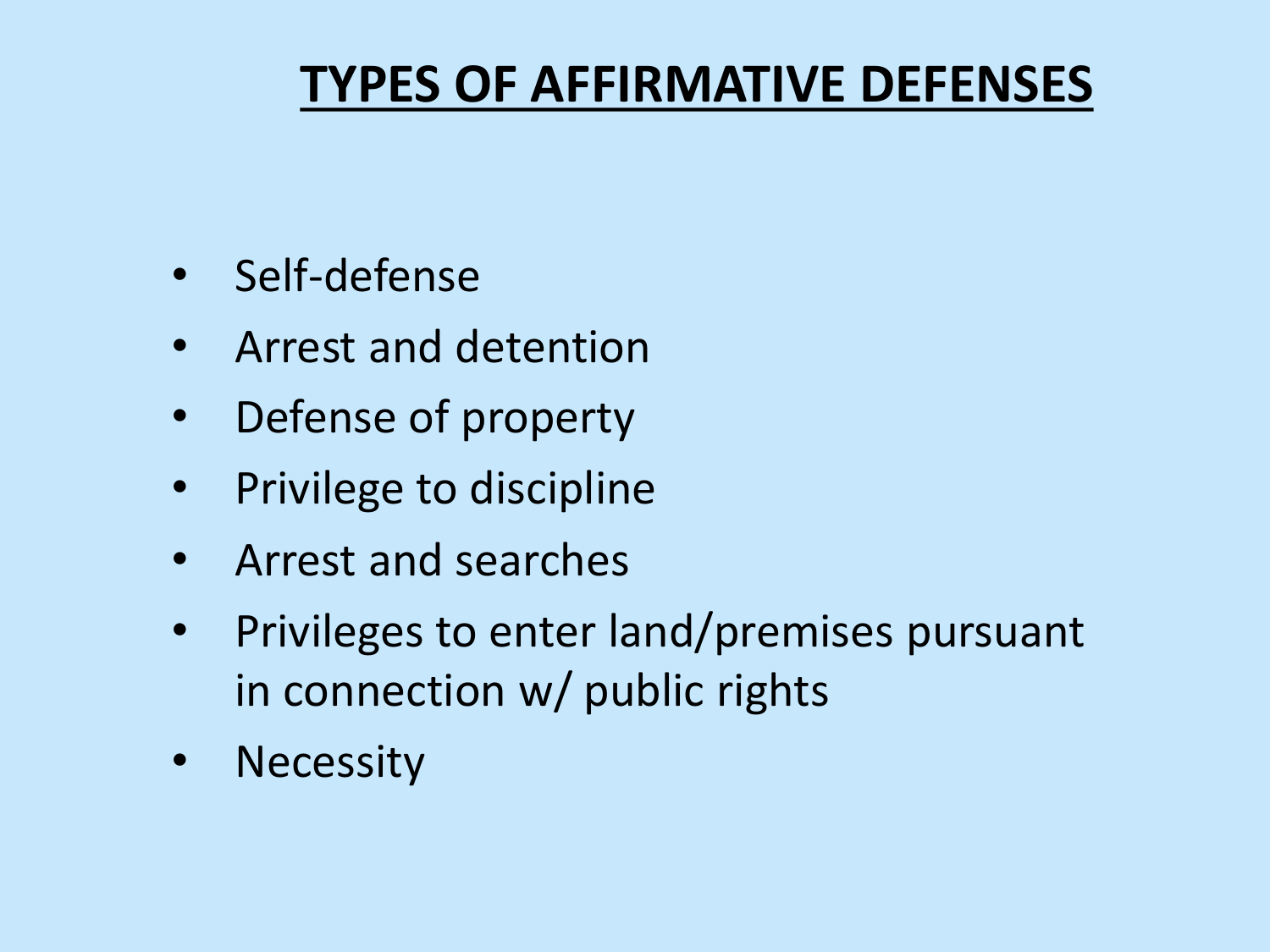
However, when an affirmative defense is raised, the landscape changes. The plaintiff still needs to prove their initial case. But the defendant, by introducing the affirmative defense, must then present evidence to establish the truth of their defense. For instance, if a defendant in a criminal case claims self-defense, they must present evidence to show that they reasonably believed they were in imminent danger of bodily harm and used no more force than was necessary to repel the attack. The prosecution can then attempt to disprove the elements of self-defense, but the initial burden of presenting evidence supporting the defense rests with the defendant.
This burden of proof can be met through various means, including witness testimony, documentary evidence, expert opinions, and physical evidence. The standard of proof for an affirmative defense in civil cases is typically a “preponderance of the evidence,” meaning the defense must be shown to be more likely true than not. In criminal cases, the standard can vary depending on the jurisdiction and the specific defense, but it often requires the defendant to present evidence sufficient to raise a reasonable doubt about their guilt, or in some cases, to prove the defense by a preponderance of the evidence.
Common Categories and Examples of Affirmative Defenses
Affirmative defenses are not a monolithic concept; they manifest in a wide array of legal contexts, from criminal law to civil disputes. Understanding these categories and their specific examples can illuminate the practical application of this legal doctrine. The effectiveness of an affirmative defense hinges on its ability to directly address the legal framework of the charges or claims and present a legally recognized justification for the defendant’s actions or inaction.
Affirmative Defenses in Criminal Law
In criminal proceedings, affirmative defenses are designed to justify or excuse criminal conduct. Successfully asserting an affirmative defense can lead to acquittal, even if the prosecution can prove that the defendant committed the act in question. These defenses acknowledge the defendant’s actions but argue that the actions were legally permissible or understandable under the circumstances.
- Self-Defense: This is perhaps one of the most widely recognized affirmative defenses. It asserts that the defendant used force to protect themselves from imminent harm. The key elements typically include the belief of imminent danger, the proportionality of the force used, and the absence of provocation. For example, if an individual is attacked and uses force to defend themselves, they might raise self-defense.
- Insanity Defense: This defense argues that the defendant, due to a severe mental disease or defect at the time of the offense, lacked the mental capacity to understand the nature or wrongfulness of their actions. The legal standards for proving insanity vary significantly by jurisdiction, with some employing the M’Naghten rule (knowing the nature and quality of the act, or knowing that it was wrong) and others the irresistible impulse test or the ALI substantial capacity test.
- Duress: This defense claims that the defendant was forced to commit a crime under threat of immediate death or serious bodily harm to themselves or another person. The coercion must be more than mere pressure or persuasion; it must be a threat of such severity that a reasonable person would have acted in the same way.
- Entrapment: This defense argues that the defendant was induced or persuaded by law enforcement officers to commit a crime they would not have otherwise committed. The focus is on whether the government’s conduct went beyond merely providing an opportunity to commit a crime and instead actively implanted the criminal design in the defendant’s mind.
- Statute of Limitations: While often considered a procedural defense, in some contexts, the expiration of the statutory period within which a prosecution must be initiated can function as an affirmative defense. If the prosecution waits too long to file charges, the case may be dismissed.
Affirmative Defenses in Civil Litigation
Civil law also features a robust array of affirmative defenses, primarily employed in contract disputes, tort claims (like negligence), and other civil wrongs. These defenses aim to shield the defendant from liability for damages or other remedies sought by the plaintiff.
- Statute of Limitations: This is a very common affirmative defense in civil cases. It asserts that the plaintiff waited too long to file their lawsuit after the cause of action arose. Each type of civil claim has a specific time limit, and if the lawsuit is filed outside this period, it is typically barred.
- Res Judicata (Claim Preclusion) and Collateral Estoppel (Issue Preclusion): These doctrines prevent parties from relitigating claims or issues that have already been decided by a court. If a case between the same parties (or those in privity with them) has already been adjudicated on the merits, or if a specific issue has been decided, a defendant can use these doctrines to dismiss a subsequent lawsuit or prevent the relitigation of that issue.
- Waiver: This defense argues that the plaintiff voluntarily relinquished a known right or privilege. For example, in a contract dispute, if a party consistently accepts late payments without objection, they might be deemed to have waived their right to strictly enforce the payment deadline.
- Estoppel: This defense prevents a party from asserting a claim or right that is inconsistent with their past conduct or statements, especially if another party has relied on that conduct or statement to their detriment.
- Consent: In tort cases, particularly those involving personal injury or assault and battery, consent can be a valid affirmative defense. If the plaintiff willingly and voluntarily agreed to the action that caused them harm, the defendant may not be liable. For example, participants in organized sports generally consent to the risks inherent in the game.
- Contributory Negligence / Comparative Negligence: In personal injury cases, these defenses argue that the plaintiff’s own negligence contributed to their injuries. In jurisdictions with contributory negligence, any negligence on the plaintiff’s part can bar recovery entirely. In jurisdictions with comparative negligence, the plaintiff’s damages are reduced by the percentage of their own fault.
Strategic Considerations for Raising Affirmative Defenses
The decision to employ an affirmative defense is not one to be taken lightly. It involves a careful weighing of risks and benefits, a deep understanding of the factual matrix of the case, and a shrewd assessment of the applicable legal principles. Successful utilization of an affirmative defense can be the lynchpin of a favorable outcome, transforming a potentially losing situation into a path towards vindication. Conversely, a poorly conceived or unsupported affirmative defense can weaken a defendant’s overall position.
The Importance of Timely Pleading and Evidence
In most legal systems, affirmative defenses must be raised in a timely manner, typically in the defendant’s initial responsive pleading, such as an answer to a complaint or indictment. Failure to plead an affirmative defense in a timely fashion can result in the defense being waived, meaning the defendant loses the right to rely on it later in the proceedings. This is why it is critical for defendants and their legal counsel to conduct a thorough review of the case and identify all potential affirmative defenses early on.
Once an affirmative defense is properly pleaded, the burden shifts to the defendant to produce evidence to support it. This evidence gathering and presentation phase is crucial. It requires the defendant to proactively build a case for their defense, rather than simply reacting to the allegations of the opposing party. This might involve:
- Witness Testimony: Securing and presenting testimony from individuals who can corroborate the facts supporting the defense.
- Documentary Evidence: Gathering and presenting contracts, correspondence, medical records, financial statements, or any other relevant documents.
- Expert Witnesses: Engaging experts (e.g., medical professionals, forensic accountants, psychologists) to provide opinions that support the defense.
- Physical Evidence: Presenting tangible objects that can substantiate the defense’s claims.
The quality and persuasiveness of the evidence presented are paramount. Without sufficient evidence, even a legally sound affirmative defense can fail. This underscores the importance of meticulous investigation and strategic planning.

When to Consider an Affirmative Defense
The decision to raise an affirmative defense is a strategic one, often made in consultation with legal counsel. Several factors contribute to this decision:
- Strength of the Plaintiff’s/Prosecution’s Case: If the opposing party has a very strong case with substantial evidence, a general denial might not be sufficient for the defendant to prevail. In such situations, an affirmative defense can provide an alternative avenue for avoiding liability.
- Factual Basis for a Defense: The most critical factor is whether there are credible facts that support a recognized affirmative defense. Without a factual foundation, attempting to raise a defense is futile and can even be detrimental.
- Legal Precedent and Jurisdiction: The viability of an affirmative defense can depend on the specific laws and judicial interpretations within a particular jurisdiction. Legal counsel will research relevant case law to assess the likelihood of success.
- Potential for Settlement: Sometimes, the existence of a strong affirmative defense can strengthen a defendant’s negotiating position in settlement discussions. The opposing party might be more inclined to reach a favorable settlement if they perceive the defendant has a viable defense.
- Risk of Counterclaims or Sanctions: While affirmative defenses are a shield, poorly executed or frivolous defenses can sometimes open the door to counterclaims or sanctions for bad-faith litigation. This is another reason why expert legal advice is indispensable.
In conclusion, an affirmative defense is a powerful tool in the legal arsenal. It allows defendants to move beyond simply refuting accusations and instead present a proactive legal argument that, if successful, can lead to a favorable resolution. Understanding its nuances, the burden of proof it entails, and the strategic considerations for its use is essential for navigating the complexities of the legal system.
aViewFromTheCave is a participant in the Amazon Services LLC Associates Program, an affiliate advertising program designed to provide a means for sites to earn advertising fees by advertising and linking to Amazon.com. Amazon, the Amazon logo, AmazonSupply, and the AmazonSupply logo are trademarks of Amazon.com, Inc. or its affiliates. As an Amazon Associate we earn affiliate commissions from qualifying purchases.