
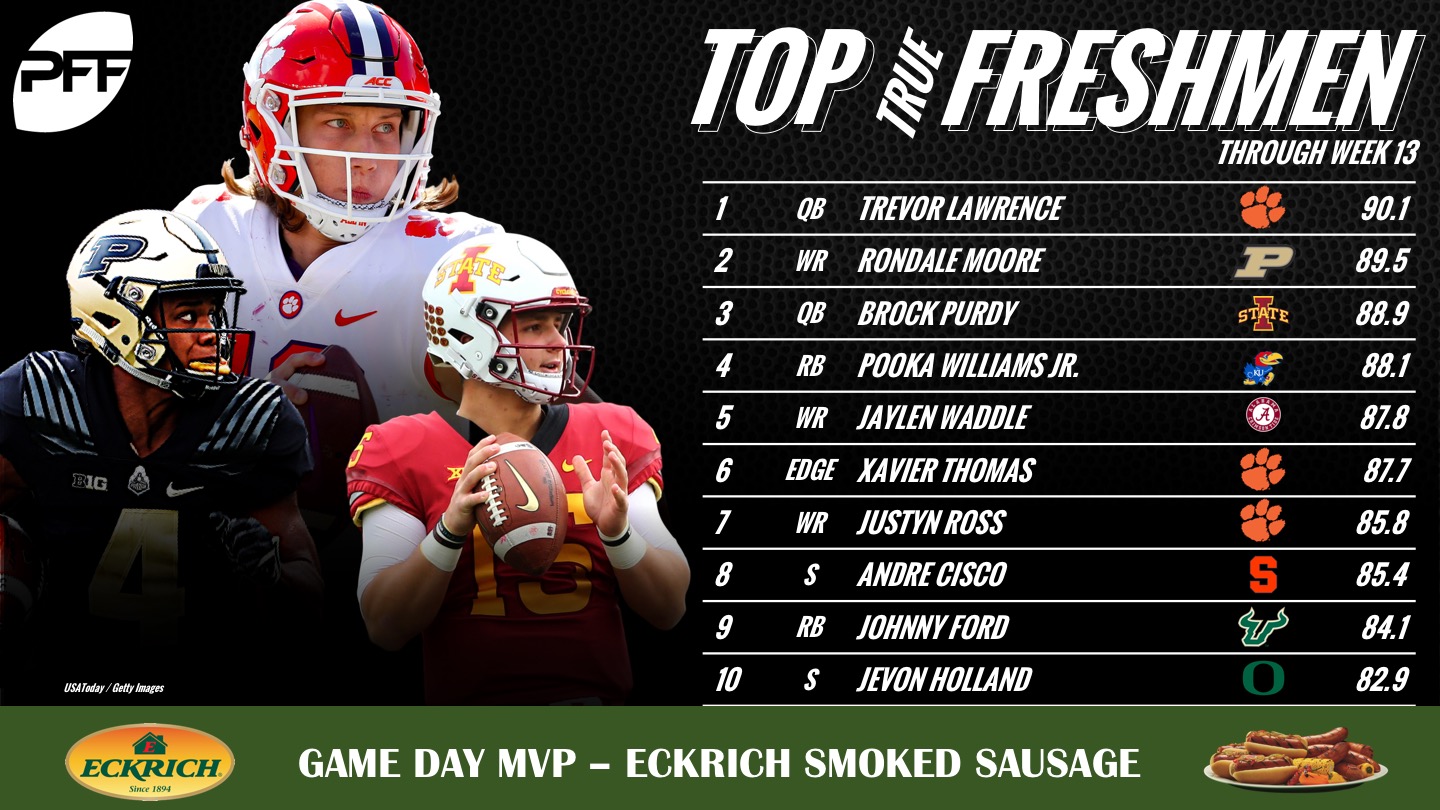
In the world of collegiate athletics, a “true freshman” is a player who enters the competitive arena immediately after high school, bypassing the “redshirt” year of developmental waiting to contribute to the team’s success from day one. In the landscape of global business and brand strategy, the “True Freshman” is a metaphor for the disruptive market entrant. These are the brands that refuse to sit on the sidelines in a developmental phase, choosing instead to challenge established legacy giants the moment they launch.
Defining a “True Freshman” brand requires an understanding of speed, agility, and the psychological impact of novelty. While legacy brands rely on decades of history to sustain their market share, the True Freshman brand relies on its ability to capture the zeitgeist, leverage modern technology, and communicate a fresh perspective that resonates with an evolving consumer base. This article explores the strategic framework of the True Freshman brand, detailing how new entrants can navigate the transition from concept to competition with maximum impact.
Defining the True Freshman Brand Identity
The identity of a True Freshman brand is built on the premise of “immediacy.” Unlike brands that spend years in localized beta testing or “stealth mode,” these entities are designed for rapid deployment. They are characterized by a lean operational structure and a brand voice that is unapologetically modern.
The Leap from Concept to Competition
The journey of a True Freshman brand begins with the identification of a market gap that legacy brands are too slow to fill. In branding, this is often referred to as “the agility advantage.” Because these brands are not anchored by corporate dogma or outdated aesthetic standards, they can pivot their messaging in real-time. The leap from concept to competition is facilitated by a digital-first approach. By utilizing social media as a primary focus group, True Freshman brands can refine their identity while simultaneously building a community, ensuring that by the time the official launch occurs, the market is already primed for their arrival.
Speed-to-Market: The Ultimate Competitive Advantage
In the modern economy, being first is often more valuable than being perfect. The True Freshman brand prioritizes speed-to-market as its core strategic pillar. This does not imply a lack of quality, but rather a focus on the “Minimum Viable Brand” (MVB). An MVB allows a company to enter the market with a clear value proposition and a professional visual identity, leaving room for iterative growth based on consumer feedback. This “real-world training” is the essence of the true freshman experience—learning the nuances of the league while actively playing the game.
Strategic Positioning for the Rookie Brand
Positioning a new brand in a saturated market requires a blend of audacity and precision. A True Freshman cannot outspend a legacy brand, but it can out-maneuver them by identifying niche communities and speaking a language that feels authentic and un-corporate.
Avoiding the “Redshirt” Phase: Why Momentum Matters
In sports, redshirting allows a player to grow physically before facing elite competition. In business, many founders fall into the “perpetual redshirt” trap—constantly tweaking their brand guidelines, website, and product offerings without ever actually launching. The True Freshman strategy argues that momentum is the greatest asset a new brand possesses. By launching before the “excitement of the new” fades, a brand can capitalize on the curiosity of early adopters. This stage is about capturing “top-of-mind” awareness before the market becomes cluttered with imitators.

Leveraging the Narrative of the Newcomer
There is a powerful psychological narrative inherent in the newcomer. Consumers often root for the underdog, and a True Freshman brand can leverage this by positioning itself as a “disruptor” or a “challenger.” This narrative should be woven into every touchpoint of the brand strategy—from the “About Us” page that highlights a bold mission to a social media presence that feels human and relatable. By leaning into the “newness,” the brand turns a lack of history into a promise of innovation. While a legacy brand says, “We have always done it this way,” the True Freshman brand asks, “Why has it always been done this way?”
Scaling Reputation and Authority in Year One
One of the greatest hurdles for a True Freshman brand is the “credibility gap.” Without a decade of reviews or a long list of accolades, the brand must find alternative ways to establish authority. In brand strategy, this is achieved through a combination of high-end design, strategic partnerships, and aggressive social proofing.
Building Trust Without a Legacy
In the digital age, trust is often visual. A True Freshman brand must invest heavily in its visual identity—logo, typography, and UI/UX—to ensure it “looks the part.” If a brand appears professional and polished, consumers are more likely to grant it the benefit of the doubt. Beyond aesthetics, transparency is a key trust-builder. New brands that are open about their sourcing, their team, and even their challenges foster a sense of intimacy that massive corporations cannot replicate. This “radical transparency” serves as a substitute for a long-standing reputation.
The Role of Social Proof and Viral Brand Awareness
For a True Freshman, the first 100 customers are more than just a revenue stream; they are the brand’s primary marketing department. Leveraging social proof through user-generated content (UGC) is essential. When potential customers see “real people” engaging with a new brand, the perceived risk of trying a newcomer diminishes. Furthermore, the True Freshman brand must master the art of viral awareness. This involves creating “shareable moments”—whether through provocative advertising, unique packaging (the “unboxing” experience), or high-value educational content—that encourage the audience to spread the word organically.
Long-term Sustainability Beyond the Debut
The challenge for every True Freshman, whether in sports or branding, is what happens after the debut season. Once the “newness” wears off, the brand must transition from a flashy rookie to a reliable industry pillar. This requires a shift from aggressive acquisition to long-term retention.
Transitioning from Novelty to Industry Pillar
To survive past the first year, a brand must evolve its value proposition. Novelty gets a customer through the door once; quality and consistency keep them coming back. The brand strategy must shift toward building deep-rooted loyalty. This is often achieved through the creation of a “brand ecosystem”—offering complementary products, subscription models, or exclusive community access that makes the brand a permanent fixture in the consumer’s life. The goal is to move from being a “trendy alternative” to being the “new standard.”
Protecting the Brand Core Amidst Rapid Growth
Rapid growth is the objective of the True Freshman strategy, but it is also its greatest risk. As a brand scales, there is a danger of “brand dilution,” where the original mission and personality are lost in an effort to appeal to the mass market. Maintaining the “True Freshman” spirit—the hunger, the agility, and the direct connection to the audience—is vital. Effective brand governance, including clear brand guidelines and a strong internal culture, ensures that even as the company grows to 100 or 1,000 employees, the brand still speaks with the same authentic voice that defined its debut.
In conclusion, being a “True Freshman” in the branding world is a high-stakes, high-reward endeavor. It requires the courage to enter the arena without the safety net of experience, the strategic foresight to position oneself as a necessary disruptor, and the operational discipline to scale without losing one’s soul. For the brands that master this balance, the first year is not just a beginning; it is the foundation of a legacy.
aViewFromTheCave is a participant in the Amazon Services LLC Associates Program, an affiliate advertising program designed to provide a means for sites to earn advertising fees by advertising and linking to Amazon.com. Amazon, the Amazon logo, AmazonSupply, and the AmazonSupply logo are trademarks of Amazon.com, Inc. or its affiliates. As an Amazon Associate we earn affiliate commissions from qualifying purchases.