
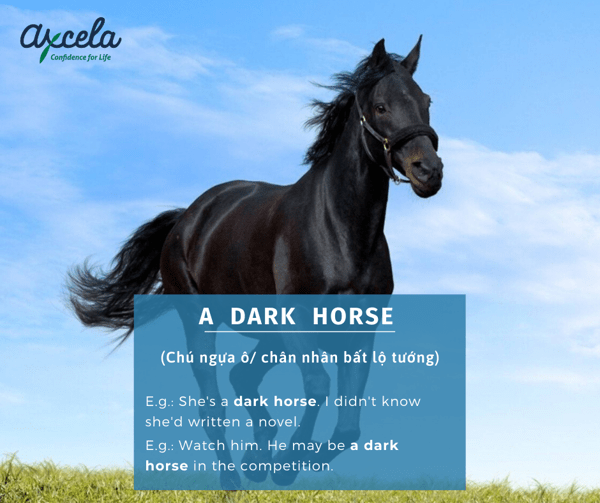
In the vocabulary of high-stakes horse racing, a “dark horse” is a competitor that is little known to the public but ends up winning the race, defying all odds and expert predictions. When translated into the world of brand strategy and corporate identity, the “dark horse” represents one of the most powerful and feared archetypes in the marketplace: the disruptor.
A dark horse brand is not merely a startup or a new entrant; it is a strategic entity that leverages its obscurity to build momentum, eventually overtaking established industry leaders who were too focused on their traditional rivals to notice the rising threat. Understanding what a dark horse is—and how it functions—is essential for any brand strategist, marketer, or entrepreneur looking to navigate a modern economy defined by rapid shifts in consumer loyalty.
Defining the Dark Horse in Modern Branding
To understand the dark horse, we must first look at the traditional competitive landscape. Most markets are dominated by “incumbents”—large, well-funded brands with significant market share and legacy reputations. These brands often compete in a “Red Ocean,” fighting over incremental gains through massive advertising spends and minor product iterations.
The dark horse operates outside of this visibility. It exists in the periphery, often catering to a niche or a neglected demographic, until its value proposition becomes so undeniable that it breaks into the mainstream with explosive force.
The Power of the Underdog Narrative
At the heart of every dark horse brand is a compelling narrative of the underdog. Human psychology is naturally wired to root for the outsider. When a brand positions itself as the “little guy” fighting against a stagnant or “greedy” corporate establishment, it gains immediate emotional resonance. This isn’t just about size; it’s about values. A dark horse brand often champions a cause, a specific lifestyle, or a new level of transparency that the industry giants have long since abandoned.
Unexpected Market Entry and Radical Differentiation
Unlike a “Fast Follower” brand—which simply copies a successful model and does it slightly cheaper—the dark horse wins through radical differentiation. They don’t try to beat the incumbent at their own game. Instead, they change the rules of the game. Whether it is through a disruptive business model (like direct-to-consumer shipping) or a polarizing brand voice that traditional legal departments would never approve, the dark horse gains traction precisely because it looks and acts nothing like the current market leader.
Strategic Pillars of Dark Horse Success
How does a brand emerge from total obscurity to dominate an industry? It rarely happens by accident. Successful dark horses share a specific set of strategic pillars that allow them to bypass traditional barriers to entry.
Agility over Scale
In the early stages, scale is a liability. Large brands are bogged down by “The Innovator’s Dilemma”—the fear that adopting a new strategy will cannibalize their existing profits. Dark horse brands have nothing to lose. This lack of baggage allows for extreme agility. They can pivot their messaging in a week, launch new product iterations in a month, and engage with their audience in a raw, unpolished way that builds trust. This speed allows them to capture emerging trends before the corporate giants can even schedule a boardroom meeting to discuss them.
Authentic Counter-Culture Positioning
Most mainstream brands aim for the “middle of the road” to avoid offending anyone. Dark horse brands, conversely, are often built on a “counter-culture” foundation. They identify what the industry standard is and purposely move in the opposite direction. If the industry is clinical and cold, the dark horse is warm and human. If the industry is overly polished and fake, the dark horse is gritty and authentic. This positioning creates a “tribe” of loyalists who feel that the brand represents their specific identity, rather than just being a utility.

Leveraging the “Stealth” Phase
One of the greatest advantages of a dark horse is that it is often ignored by the competition until it is too late. During this “stealth” phase, the brand can refine its operations, build a cult following, and perfect its product without facing the predatory pricing or aggressive legal maneuvers that incumbents use to crush visible threats. By the time the industry leader realizes the dark horse is a threat, the challenger has already secured enough market share and brand equity to survive the counter-attack.
Case Studies: Dark Horses That Changed the Game
To truly grasp the concept of a dark horse brand, one must look at the real-world examples that have rewritten the history of commerce. These brands didn’t just join their respective industries; they redefined them.
From Niche to Necessity: The Rise of Tesla
In the mid-2000s, the automotive industry was a closed circle of massive conglomerates. The idea that a small startup could build an electric car that people actually wanted to buy was laughed at by CEOs in Detroit and Stuttgart. Tesla was the ultimate dark horse. By focusing on the high-end luxury niche first and building a brand around “the future” rather than just “sustainability,” they created an aspirational identity. By the time traditional automakers realized that the world was moving toward EVs, Tesla had become the most valuable car company on the planet. They didn’t just win a race; they changed the track.
Overthrowing the Incumbents: The Dollar Shave Club Story
For decades, the razor industry was dominated by a single player with a massive marketing budget and a focus on increasingly complex (and expensive) blade technology. Dollar Shave Club entered as a dark horse with a viral, low-budget video that spoke directly to the frustrations of the average consumer. They didn’t try to build a better 5-blade razor; they built a better experience and a more honest brand. Their “tell-it-like-it-is” strategy and subscription model were so disruptive that they were eventually acquired for a billion dollars, proving that a dark horse can topple a monopoly by changing the conversation from “features” to “fairness.”
How to Build Your Own Dark Horse Brand Strategy
You do not need a billion-dollar valuation to utilize the dark horse strategy. Whether you are a solo entrepreneur or a marketing director for a mid-sized firm, the principles of the dark horse can be applied to gain a competitive edge.
Identifying Gaps in the Market
The first step in a dark horse strategy is to look for the “unmet need.” This isn’t just a missing product feature; it’s often a missing emotional connection. Ask yourself:
- What are the customers in this industry complaining about most?
- Where has the industry become “lazy” or “arrogant”?
- Is there a segment of the population that feels “too cool” or “too smart” for the current market leaders?
The gap between what a customer gets and what they desire is the birthplace of the dark horse.
The Power of Storytelling and “The Enemy”
Every great dark horse brand needs a “villain.” This doesn’t have to be a specific person or company, but rather a concept or a status quo that the brand is fighting against. If you are building a skincare brand, the “enemy” might be the toxic chemicals and unrealistic beauty standards of the legacy industry. If you are in fintech, the “enemy” is the complexity and hidden fees of traditional banks. By defining what you are against, you make it much clearer what you are for. This creates a narrative that people want to join, turning customers into advocates.
Maintaining the Dark Horse Spirit Post-Success
The greatest challenge for any dark horse is what happens after they win. When a brand becomes the market leader, it risks becoming the very thing it once fought against: slow, bureaucratic, and out of touch. To maintain “dark horse energy,” a brand must constantly innovate and remain willing to disrupt itself. This requires a culture that prizes “day one” thinking—the idea that the race is never truly over and there is always a new challenger waiting in the shadows.

Conclusion: The Perpetual Race
In the world of branding, the dark horse is a reminder that market dominance is never permanent. No matter how large an incumbent’s budget or how wide their reach, they are always vulnerable to a brand that offers more authenticity, more agility, and a better story.
What is a dark horse? It is the brand you didn’t see coming until it was already ahead. It is the personification of the idea that in the modern economy, the greatest risk is not being disruptive—it is being predictable. By embracing the characteristics of the dark horse—valuing the underdog narrative, maintaining agility, and identifying the deep-seated frustrations of the consumer—any brand can find its way to the winner’s circle. The race is always on, and somewhere in the back of the pack, the next dark horse is already making its move.
aViewFromTheCave is a participant in the Amazon Services LLC Associates Program, an affiliate advertising program designed to provide a means for sites to earn advertising fees by advertising and linking to Amazon.com. Amazon, the Amazon logo, AmazonSupply, and the AmazonSupply logo are trademarks of Amazon.com, Inc. or its affiliates. As an Amazon Associate we earn affiliate commissions from qualifying purchases.