
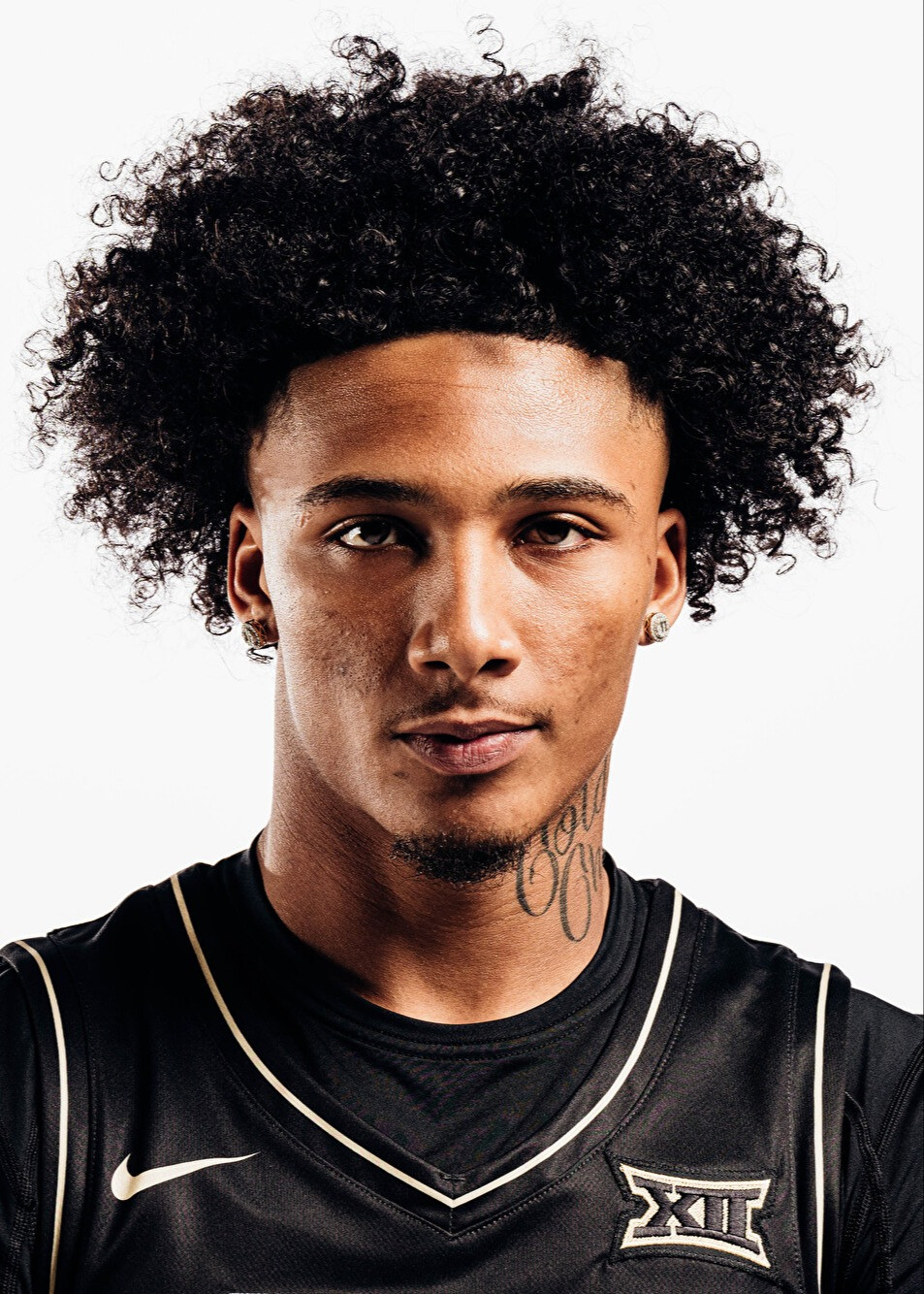
In the modern sports landscape, the distinction between a professional athlete and a corporate entity has almost entirely dissolved. This is perhaps best exemplified by the meteoric rise, sudden stagnation, and ongoing rebranding of Mikey Williams. Once hailed as the face of the new era of Name, Image, and Likeness (NIL) rights, Williams became a symbol of how digital-first branding could propel a teenager into the upper echelons of cultural relevance before he ever stepped onto a collegiate court.
However, the narrative of Mikey Williams shifted from a blueprint of success to a cautionary tale of brand fragility. To understand what happened to Mikey Williams, one must look past the basketball court and examine the mechanics of personal branding, the volatility of social equity, and the high-stakes world of modern sports marketing.
The Digital Architect: Building an Elite Personal Brand Pre-College
Before the legal challenges and the roster changes, Mikey Williams was a marketing phenomenon. Long before the Supreme Court’s ruling on NIL rights, Williams was operating as a professional influencer who happened to play elite-level basketball. He understood, perhaps better than any of his peers, that in the 21st century, attention is the most valuable currency.
The Power of Social Media Presence as a Brand Foundation
At just 15 years old, Williams had already amassed millions of followers across Instagram and TikTok. This wasn’t merely a byproduct of his talent; it was a deliberate brand-building exercise. By curating a persona that blended high-fashion, hip-hop culture, and highlight-reel dunks, he created an “aspirational lifestyle” brand.
For corporate sponsors, Williams represented the ultimate bridge to Gen Z. He didn’t just have fans; he had a community. This digital infrastructure allowed him to bypass traditional media gatekeepers. While other recruits were waiting for scouting reports, Williams was dictating his own narrative through viral content. This preemptive brand building established a level of equity that made him a “safe bet” for major corporations looking to enter the NIL space early.
Early Monetization and the NIL Paradigm Shift
The most significant milestone in the Mikey Williams brand history was his historic multi-year endorsement deal with Puma. He was the first American high school basketball player to sign with a global footwear brand. This move transformed him from a “prospect” into a “partner.”
From a brand strategy perspective, the Puma deal was a masterstroke. It positioned Williams as a trailblazer and a disruptor. He wasn’t just joining the ranks of college athletes; he was rewriting the financial rules of the game. His brand was built on the premise of “The First”—the first to monetize at this scale, the first to command a professional marketing team as a teenager, and the first to prove that social media metrics could be just as valuable as on-court statistics.
The Crisis: When Personal Conduct Collides with Brand Value
Every brand, whether corporate or personal, faces “reputational risk.” For Mikey Williams, this risk materialized in a series of legal complications that threatened to dismantle years of strategic positioning. In early 2023, Williams was arrested on multiple counts of assault with a deadly weapon. For a brand built on being an aspirational role model and a corporate partner, this was a catastrophic inflection point.
Legal Implications and Corporate Distancing
In the world of personal branding, a legal crisis isn’t just a private matter; it is a breach of contract with the public. When the news of the shooting incident involving Williams broke, the “Brand Mikey” narrative took an immediate hit. The core tenets of his brand—youthful exuberance, professional trajectory, and elite status—were replaced by headlines of court dates and felony charges.
Corporate partners like Puma often have “morals clauses” in their contracts. These clauses allow brands to distance themselves or terminate agreements if an athlete’s behavior brings disrepute to the company. While the specifics of his contracts remained private, the immediate silence from his major sponsors spoke volumes. The momentum of his brand, which had been on an exponential upward curve, came to a grinding halt. This period illustrated a fundamental truth in brand strategy: it takes years to build a reputation and only seconds to compromise it.
The Fragility of the “Influencer-Athlete” Archetype
The Williams saga highlighted the inherent fragility of the influencer-athlete model. When a brand is built heavily on “vibe” and “personality” rather than strictly on professional output, it becomes susceptible to personal failings. Unlike an established NBA star who can lean on a decade of performance to weather a scandal, a prospect like Williams had no “on-court equity” at the college or professional level to fall back on.
His brand was a promise of future greatness. When that future was jeopardized by legal uncertainty, the brand’s valuation plummeted. The lesson for personal brand strategists is clear: a brand must be anchored in more than just social media sentiment. It requires a foundation of stability and professional reliability to survive the inevitable scrutiny that comes with fame.
Brand Equity in Transit: The Transfer Portal and Strategic Pivots
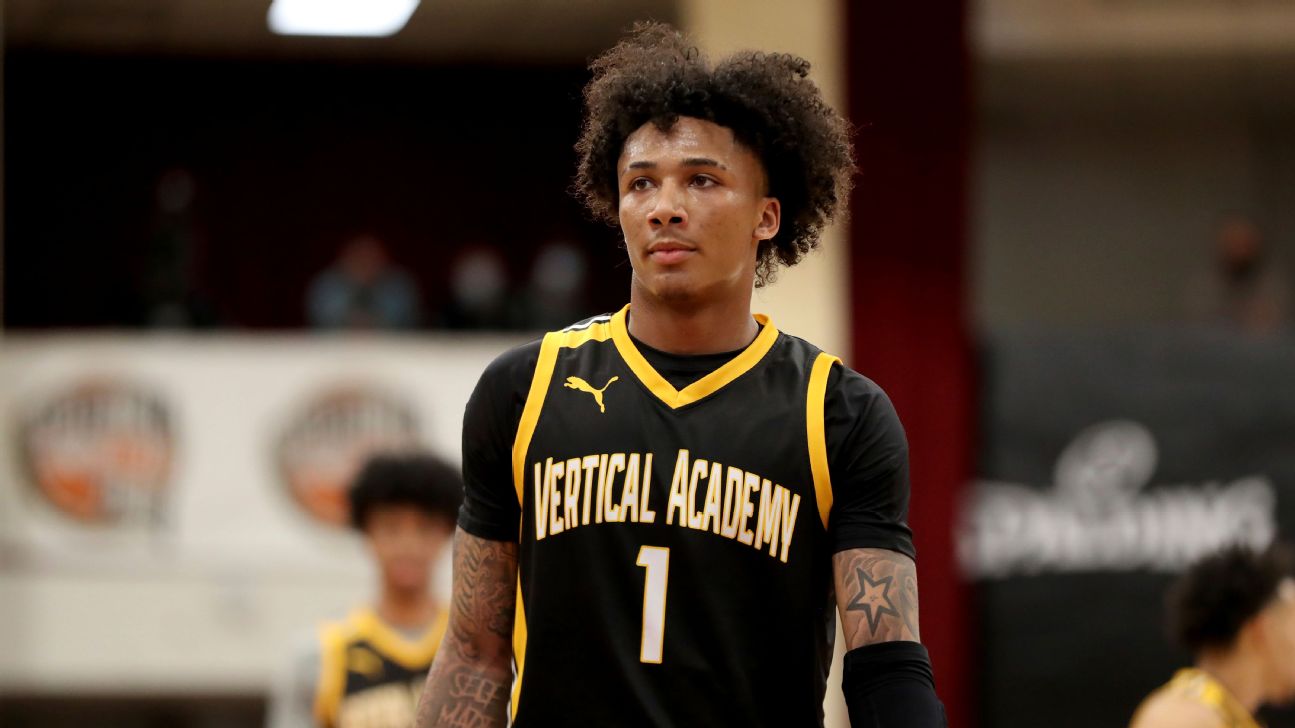
After months of legal proceedings and being barred from team activities at the University of Memphis, Williams made the strategic decision to enter the transfer portal. This was more than just a change of scenery; it was a desperate attempt at a “Brand Reset.”
Moving to UCF and Wiping the Slate
Choosing the University of Central Florida (UCF) represented a tactical pivot. By moving away from the high-pressure environment of a top-tier program like Memphis, Williams sought a platform where he could rebuild his image away from the immediate shadow of his legal troubles. In brand marketing, this is known as “repositioning.”
The transfer allowed Williams to distance himself from the negative associations of his final months in Memphis. It provided a narrative of “second chances” and “redemption.” For a brand that had been tarnished, the redemption arc is one of the most powerful storytelling tools available. By focusing on his return to the court and his commitment to a new program, Williams began the slow process of reclaiming his narrative.
Re-aligning with Core Values
For the Mikey Williams brand to survive long-term, it had to undergo a shift in core values. The “flashy influencer” persona that worked in 2020 was no longer viable in the face of serious legal allegations. The new iteration of his brand appears to be more focused on humility, work ethic, and a “back to basics” approach to basketball.
We see this reflected in his reduced social media output and a focus on training content rather than lifestyle content. This is a classic crisis management strategy: go quiet, do the work, and let the performance speak. By narrowing his focus, Williams is attempting to rebuild his brand equity through tangible results rather than digital hype.
Lessons for Modern Creators and Athletes
The story of Mikey Williams is a foundational case study for any creator, athlete, or entrepreneur building a brand in the digital age. It reveals the immense power and the terrifying volatility of personal branding.
Diversifying Brand Identity Beyond Social Media
One of the most critical takeaways is the danger of an over-leveraged brand. If a brand is built 90% on social media perception and 10% on institutional stability, it is vulnerable to any disruption in that perception. Future athletes must look to diversify their identity. They must invest in education, community philanthropy, and professional conduct that exists outside of the “content loop.”
A resilient brand is one that has multiple pillars. If one pillar (like social media popularity) falls, the brand can stand on others (like community impact or professional consistency). Williams’ brand was heavily skewed toward the digital, making his fall from grace feel more total.
Crisis Management and the Power of the Pivot
Finally, the Mikey Williams situation demonstrates that a brand is never truly “finished,” even after a crisis. The ability to pivot, to find a new market (in this case, a new school), and to adopt a new narrative (redemption) is essential for survival. Brand strategy isn’t about avoiding mistakes; it’s about how one manages the fallout.
By choosing to face his legal issues and then seeking a fresh start at UCF, Williams is following a roadmap of brand recovery. Whether or not he returns to the heights of his 2021 fame is yet to be seen, but the mechanics of his re-entry into the public eye provide a fascinating look at the resilience of personal brands in the NIL era.

The Future of “Brand Mikey”
What happened to Mikey Williams was a collision between the hyper-speed world of digital fame and the slow, heavy reality of legal and institutional consequences. He was a pioneer of the NIL era, proving that a teenager could command a global brand. However, he also became a pioneer in navigating the pitfalls of that same fame.
As he transitions into this new chapter at UCF, the “Mikey Williams” brand is no longer about being the “first” or the “most followed.” It is now about “resilience” and “reclamation.” In the world of marketing, a successful comeback can often be more lucrative and impactful than a steady rise. If Williams can align his on-court performance with his new, more disciplined brand identity, he may yet provide the ultimate case study in how to navigate a personal brand through the eye of a storm. For now, he remains a singular figure in the history of sports branding—a reminder that in the NIL age, an athlete’s greatest asset, and their greatest liability, is their name.
aViewFromTheCave is a participant in the Amazon Services LLC Associates Program, an affiliate advertising program designed to provide a means for sites to earn advertising fees by advertising and linking to Amazon.com. Amazon, the Amazon logo, AmazonSupply, and the AmazonSupply logo are trademarks of Amazon.com, Inc. or its affiliates. As an Amazon Associate we earn affiliate commissions from qualifying purchases.