
The acronym “RTX” has become synonymous with high-performance graphics, particularly in the world of PC gaming and professional visualization. But beyond the buzz, what does RTX actually stand for, and more importantly, what does it signify in the rapidly evolving landscape of modern computing? This article will delve into the origins and technical implications of the RTX designation, exploring its significance within the broader tech industry. We will dissect the core technologies that RTX represents, its impact on gaming and creative workflows, and its future trajectory.
The Genesis of RTX: Ray Tracing and Beyond
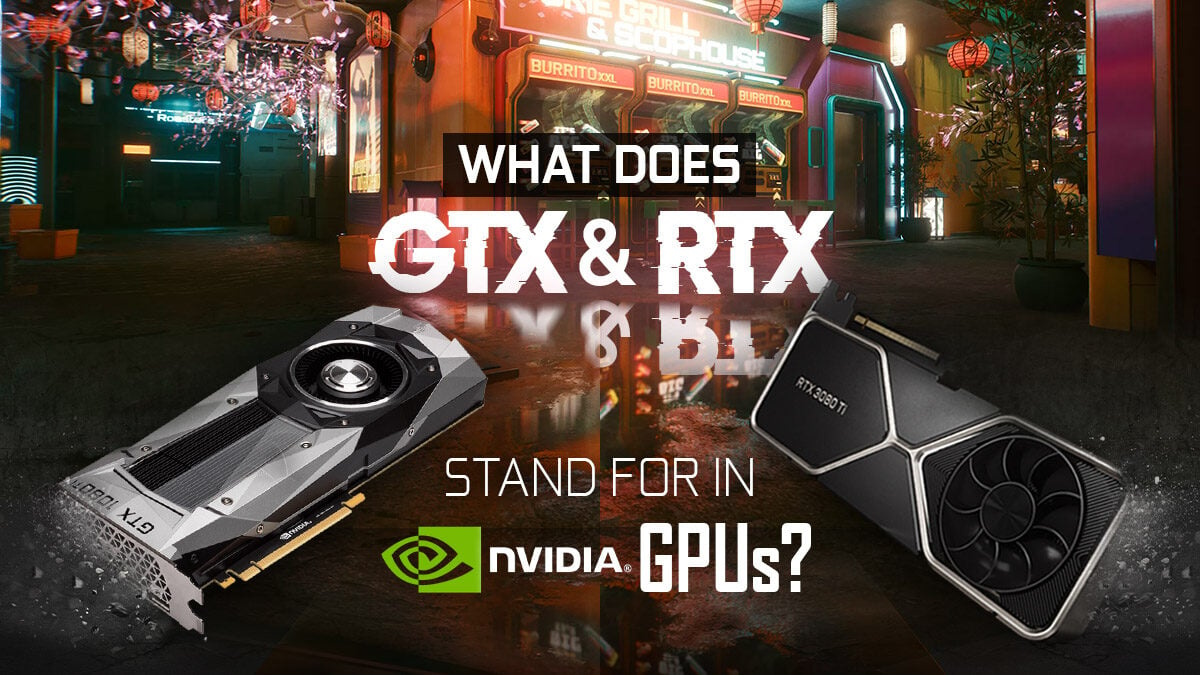
RTX is not merely a random string of letters; it’s a deliberate designation by NVIDIA to highlight a fundamental shift in graphics processing capabilities. The core of RTX lies in its embrace and integration of Ray Tracing technology.
Ray Tracing: A New Paradigm in Realism
Traditionally, computer graphics have relied on rasterization, a technique that projects 3D objects onto a 2D screen. While highly efficient for real-time rendering, rasterization often struggles to accurately simulate how light behaves in the real world. Shadows can appear blocky, reflections are often approximated, and global illumination – the way light bounces off surfaces and illuminates the entire scene – is notoriously difficult to achieve with high fidelity.
Ray tracing, on the other hand, fundamentally changes this approach. It simulates the physical behavior of light by tracing the path of individual light rays from the viewer’s eye (or camera) back into the scene. As these rays interact with objects, they can be bounced, refracted, and absorbed, mimicking real-world optical phenomena.
- Physically Accurate Lighting: This is the cornerstone of ray tracing. By simulating light interactions, scenes become imbued with a new level of realism. Shadows are softer and more accurate, reflecting the scattering of light. Reflections are crisp and detailed, mirroring the environment faithfully. Global illumination creates a more natural and immersive atmosphere, with light seamlessly propagating and illuminating even indirectly lit areas.
- Enhanced Visual Fidelity: The outcome of physically accurate lighting is a dramatic improvement in visual fidelity. Games and applications rendered with ray tracing can achieve a level of photorealism previously unattainable in real-time. This translates to more believable environments, more convincing character models, and an overall more engaging visual experience.
- The Computational Challenge: The intricate calculations required for ray tracing are computationally intensive. Simulating millions or billions of light rays and their interactions demands significant processing power. This is where NVIDIA’s hardware innovations come into play.
The “RT” in RTX: Dedicated Ray Tracing Cores
NVIDIA introduced its RTX branding alongside the launch of its GeForce RTX graphics cards, specifically the Turing architecture. The “RT” in RTX directly signifies Ray Tracing. To facilitate this demanding computational task, NVIDIA engineered specialized hardware cores within its GPUs, known as RT Cores.
- RT Cores: Accelerating Ray Tracing Calculations: These dedicated cores are designed to accelerate the core operations of ray tracing, such as ray-triangle intersection testing. This offloading of ray tracing calculations from the general-purpose CUDA cores significantly speeds up the rendering process, making real-time ray tracing feasible. Without these dedicated cores, achieving smooth frame rates with ray tracing enabled would be practically impossible on consumer hardware.
- Evolution of RT Cores: NVIDIA has continuously evolved its RT Cores with subsequent architectures (Ampere and Ada Lovelace). Newer generations of RT Cores offer improved performance, greater efficiency, and advanced features like hardware-accelerated motion blur, further enhancing the realism and performance of ray-traced rendering.
Beyond the “RT”: The Significance of “X” and the RTX Ecosystem
While “RT” clearly points to Ray Tracing, the “X” in RTX carries its own implications, representing NVIDIA’s broader vision and the advanced capabilities integrated within these graphics cards. The “X” can be interpreted as signifying an eXtreme level of performance, eXtensibility, and the eXperience NVIDIA aims to deliver.
The “X” Factor: Performance and Innovation
The “X” in RTX is not just a placeholder; it’s a signal of NVIDIA’s commitment to pushing the boundaries of graphical computing. It encompasses a suite of technologies that work in concert to deliver superior performance and visual quality.
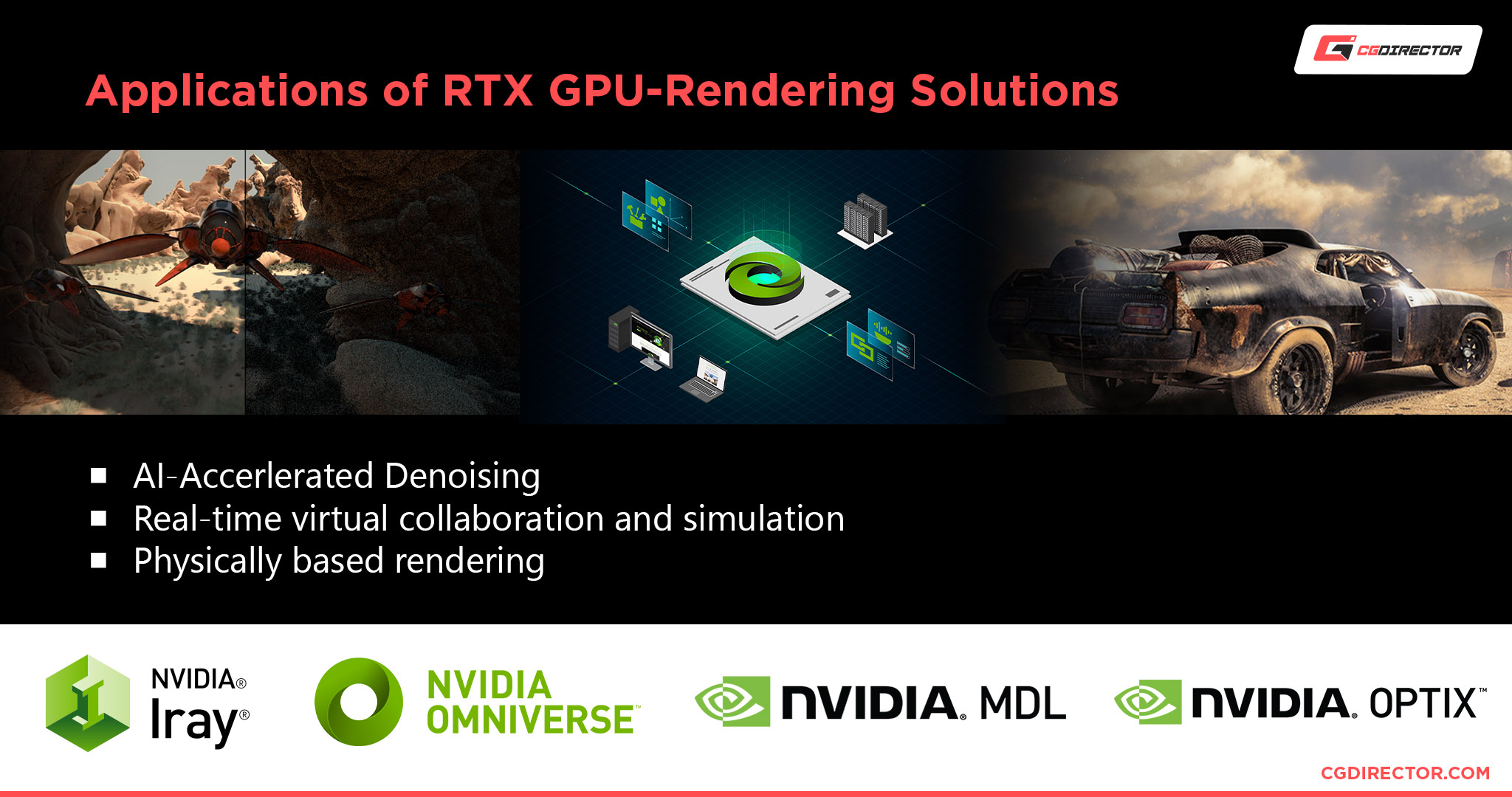
- Tensor Cores and AI-Powered Upscaling: Alongside RT Cores, RTX GPUs feature Tensor Cores, which are specialized for artificial intelligence and deep learning workloads. This is where the “X” truly shines through in its eXtreme computational capabilities. The most prominent application of Tensor Cores in the context of RTX is Deep Learning Super Sampling (DLSS). DLSS uses AI to intelligently upscale lower-resolution images to higher resolutions, delivering near-native visual quality with a significant boost in frame rates. This is crucial for making ray tracing playable at high resolutions and detail settings.
- DLSS: A Game Changer for Performance: DLSS has become a cornerstone of the RTX experience. It allows gamers to enable demanding ray tracing features without sacrificing performance. By rendering games at a lower resolution and then using AI to reconstruct the image to a higher resolution, DLSS effectively renders more frames per second, making the difference between a stuttering experience and a fluid, visually stunning one.
- Programmable Shading and Advanced Rendering Features: The “X” also represents the advanced programmable shaders and rendering capabilities inherent in RTX GPUs. These allow for more complex and nuanced visual effects, further enhancing the realism and artistic possibilities of digital creations. This includes support for advanced anti-aliasing techniques, realistic volumetric effects, and sophisticated material simulations.
The RTX Ecosystem: A Holistic Approach to Graphics
The RTX designation is more than just a hardware feature; it’s the foundation for an entire ecosystem of software and developer tools that enable its advanced capabilities.
- Developer Support and APIs: NVIDIA actively works with game developers and software creators to integrate RTX technologies into their products. This involves providing robust SDKs (Software Development Kits), libraries, and extensive documentation. Key APIs like DirectX Raytracing (DXR) and Vulkan Ray Tracing allow developers to harness the power of RT Cores directly within their applications.
- Broad Application Beyond Gaming: While gaming is a primary driver for RTX adoption, its benefits extend far beyond the realm of entertainment. Professionals in fields like architectural visualization, product design, film and television production, and scientific simulation are increasingly leveraging RTX GPUs for their real-time ray tracing and AI acceleration capabilities.
- The Promise of Future Innovation: The “X” also signifies an ongoing commitment to innovation. As AI continues to advance and our understanding of light simulation deepens, NVIDIA’s RTX architecture is poised to incorporate and drive these future developments, further blurring the lines between the digital and the real.
The Impact and Future of RTX Technology
The introduction of RTX has irrevocably altered the trajectory of real-time graphics. It represents a significant leap forward, making previously theoretical rendering techniques a practical reality for consumers and professionals alike.
Transforming the Gaming Landscape
RTX has fundamentally reshaped the expectations of gamers and the capabilities of modern video games.
- Unprecedented Realism in Games: Games featuring RTX technology boast unparalleled levels of visual fidelity. The way light behaves – from the soft glow of ambient occlusion to the sharp reflections on wet surfaces – creates immersive worlds that feel more tangible and believable than ever before. This enhanced realism contributes to a more emotionally engaging and captivating gaming experience.
- The Adoption Curve: While initial adoption was cautious due to performance considerations, the increasing optimization of DLSS and the growing number of RTX-enabled titles have accelerated its acceptance. Developers are now actively designing games with ray tracing in mind, rather than as an afterthought.
- Future Expectations: As RTX technology matures and becomes more accessible, it’s likely to become a standard feature in AAA game development. Players will increasingly expect these advanced visual effects, pushing the boundaries of what is considered graphically possible in interactive entertainment.
Empowering Creative Workflows
The benefits of RTX extend significantly into professional creative applications, streamlining workflows and enabling new levels of detail and efficiency.
- Accelerated Rendering for 3D Artists: For 3D artists, designers, and animators, RTX offers a significant advantage in rendering times. The ability to render scenes with accurate lighting and reflections in near real-time dramatically reduces iteration cycles, allowing for quicker feedback and more efficient project completion.
- Real-time Visualization and Design: Architects and product designers can use RTX to visualize their creations with realistic lighting and materials in real-time. This allows for immediate feedback on design choices, better client communication, and a more intuitive design process.
- The Convergence of Realism and Speed: The combination of RT Cores and Tensor Cores allows for a unique convergence of photorealistic rendering and real-time interactivity. This is crucial for applications that require both visual accuracy and immediate responsiveness, such as virtual reality environments and complex simulation tools.
The Road Ahead: Continued Evolution
The journey of RTX is far from over. NVIDIA’s continued investment in research and development suggests a future filled with even more groundbreaking advancements.
- More Sophisticated Ray Tracing Techniques: Future iterations of RTX will likely incorporate more advanced ray tracing algorithms, potentially enabling techniques like path tracing (which simulates multiple bounces of light) in real-time. This will further enhance the photorealism of rendered scenes.
- Enhanced AI Integration: The role of AI in graphics will undoubtedly grow. Expect more intelligent denoising techniques, AI-assisted content creation tools, and even AI-driven character animation and behavior within RTX-powered environments.
- Broader Accessibility and Efficiency: As the technology matures and production scales, RTX capabilities are expected to become more accessible across a wider range of NVIDIA products and potentially reach new form factors. Continued improvements in power efficiency will also be crucial for widespread adoption.
In conclusion, “RTX” stands as a testament to NVIDIA’s commitment to pushing the boundaries of graphical technology. It signifies the integration of Ray Tracing capabilities, powered by dedicated RT Cores, and complemented by AI-accelerated technologies like DLSS, driven by Tensor Cores. The “X” represents an overarching commitment to extreme performance, innovation, and an enhanced user experience across a diverse range of applications. As RTX technology continues to evolve, it promises to deliver even more breathtaking visual fidelity and unlock new possibilities in the digital realm, redefining what we can see and create.
aViewFromTheCave is a participant in the Amazon Services LLC Associates Program, an affiliate advertising program designed to provide a means for sites to earn advertising fees by advertising and linking to Amazon.com. Amazon, the Amazon logo, AmazonSupply, and the AmazonSupply logo are trademarks of Amazon.com, Inc. or its affiliates. As an Amazon Associate we earn affiliate commissions from qualifying purchases.