
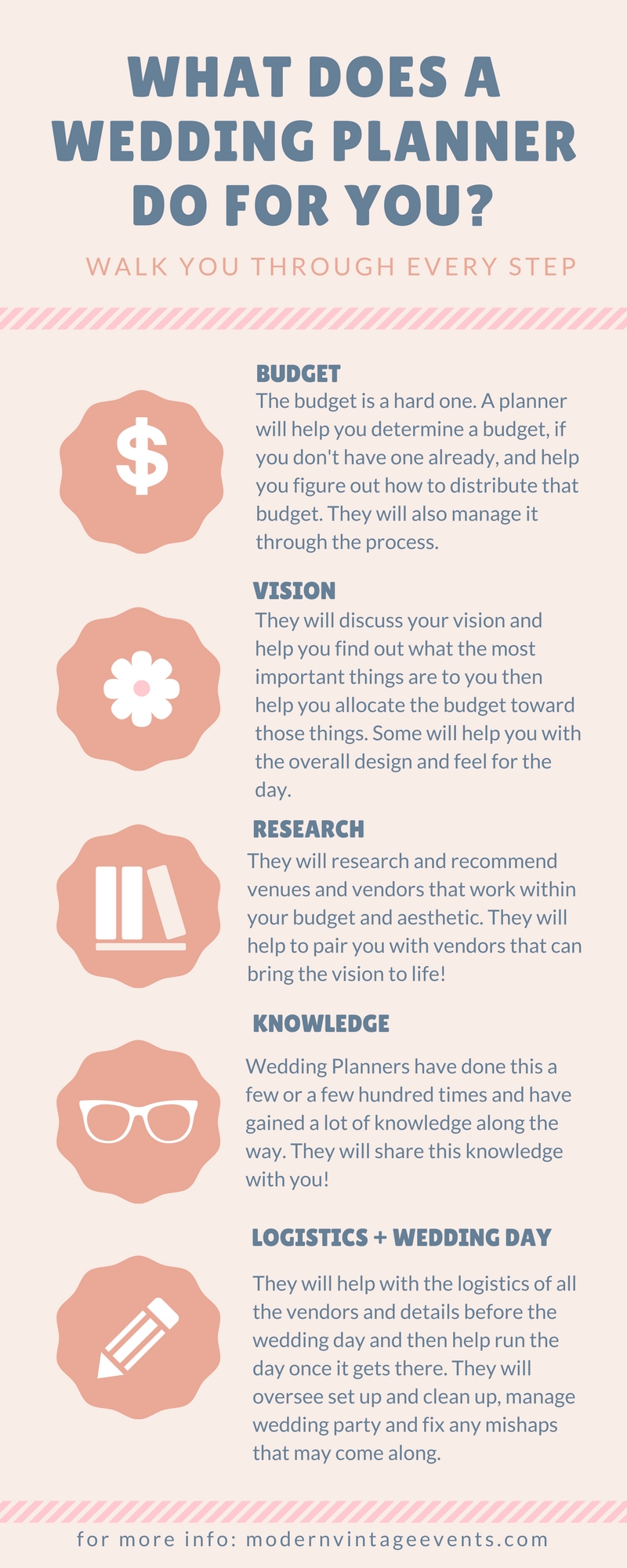
When most people envision a wedding planner, they picture someone choosing floral arrangements, tasting cakes, and smoothing out the train of a bridal gown. While these aesthetic elements are certainly part of the role, the reality of professional wedding planning is rooted deeply in the world of finance, contract law, and budget optimization. From a “Money” perspective, a wedding planner is essentially a project manager and financial consultant tasked with overseeing a high-capital, one-time event where the stakes are emotionally and financially immense.
To understand what wedding planners truly do, one must look past the tulle and champagne and analyze the fiscal architecture they build. They are the chief financial officers of a temporary corporation, managing five-to-six-figure budgets, negotiating high-stakes contracts, and ensuring that every dollar spent yields the maximum return on investment (ROI) for the client.
The Revenue Models: How Wedding Planners Generate Income
Before diving into how they manage a client’s money, it is essential to understand the business model of the planner themselves. The wedding industry is a multi-billion dollar sector, and planners occupy a strategic position within it. Their income is typically structured in one of three ways, each reflecting a different level of financial involvement and business strategy.
Flat-Fee Structures and Service Packages
The most common model for independent planners is the flat-fee structure. In this scenario, the planner assesses the complexity of the event—taking into account guest count, location, and the duration of the engagement—and quotes a fixed price. From a business finance perspective, this requires the planner to have an impeccable grasp of their own overhead and time-valuation. If a planner underestimates the hours required, their hourly profit margin shrinks. High-level planners often use historical data and time-tracking software to ensure their flat fees remain profitable while remaining competitive in the luxury market.
Percentage-Based Billing
Many high-end or “luxury” wedding planners operate on a percentage model, typically charging 10% to 20% of the total wedding budget. This model aligns the planner’s compensation with the scale of the event. While critics argue this might incentivize higher spending, professional ethics and the need for long-term brand reputation usually dictate otherwise. For the planner, this model provides a hedge against “scope creep”—the tendency for events to grow in complexity and cost as the planning process evolves.
Commission and Referral Fees
A more controversial but common aspect of the wedding planning money trail involves commissions or “kickbacks” from vendors. Some planners receive a percentage from photographers, caterers, or venues for bringing them business. However, the modern trend in professional branding and financial transparency is to eschew these commissions in favor of “contractor discounts” passed directly to the client. This builds trust and positions the planner as a fiduciary for the couple’s budget rather than a salesperson for vendors.
The Financial ROI for the Client: Budget Optimization and Cost Avoidance
One of the primary reasons a couple hires a wedding planner is to save money—or, more accurately, to ensure money isn’t wasted. A skilled planner acts as a buffer against the “wedding tax,” the phenomenon where prices for services skyrocket the moment a “wedding” is mentioned.
Strategic Vendor Negotiation
Wedding planners are repeat customers; brides and grooms are one-time customers. This simple economic reality gives planners significant leverage. Because they bring multiple clients to a venue or a florist over the course of a year, they can negotiate rates that an individual couple could never access. They understand the “market rate” for every service and can quickly identify when a quote is inflated. By auditing vendor contracts, they can strip out unnecessary line items that would otherwise go unnoticed by an untrained eye.
Preventing “Cost Creep” and Emotional Spending
Weddings are emotionally charged events, which makes them a minefield for irrational financial decisions. A planner serves as the “Voice of Financial Reason.” They create a comprehensive budget breakdown at the start of the process, allocating funds based on the couple’s priorities. When the client is tempted to overspend on an impulse purchase—such as a $2,000 late-night snack wall—the planner can show them exactly which other area of the budget (perhaps the floral decor or the transportation) will have to be sacrificed to maintain the bottom line.
Risk Mitigation and Insurance Management
Events involving hundreds of people and dozens of vendors carry significant financial risk. What happens if the venue floods? What if the catering company files for bankruptcy three weeks before the date? A wedding planner manages these risks by insisting on specific contractual clauses, such as Force Majeure and cancellation policies. They also advise on event insurance, ensuring that the client’s capital is protected against unforeseen disasters. This “defensive” financial management is perhaps the most undervalued aspect of what they do.
The Business Side of Logistics: Managing Large-Scale Capital and Cash Flow
For a large-scale wedding, the cash flow management can be as complex as that of a small business. A planner is responsible for ensuring that payments are made on time to dozens of different entities, each with its own deposit schedule and payment terms.
Escrow and Payment Scheduling
Mismanaging a payment schedule can result in a lost venue or a cancelled photographer. Planners create rigorous financial calendars, often using specialized FinTech tools to track upcoming balances. Some planners manage client funds directly through escrow-style accounts, while others act as the administrative arm, preparing invoices for the client’s approval and signature. This ensures that the “business” of the wedding stays in good standing with its suppliers.
Detailed Financial Reporting
Throughout the planning process, the planner provides regular financial audits. This includes “Estimated vs. Actual” spending reports. As the wedding day approaches, the planner reconciles all accounts, ensuring that gratuities are calculated correctly and that no hidden fees appear on the final banquet event orders (BEOs). This level of granular detail prevents the “post-wedding debt” that plagues many couples who attempt to manage their own finances.
Contractual Security and Compliance
A wedding planner is often the first line of defense in contract review. They look for “hidden” costs like corkage fees, service charges (which are different from tips), and power requirements for the band that might lead to unexpected electrical rental costs. By identifying these costs during the negotiation phase, they prevent the $500 and $1,000 “surprises” that can aggregate and blow a budget by 20% in the final month.
Scaling the Wedding Business: From Side Hustle to Multi-City Agency
From an entrepreneurial standpoint, the wedding planning industry offers a fascinating look at service-based business scaling. Many planners start as a “solopreneur” side hustle, but the path to high-net-worth earnings requires a shift in how they view their own time and human capital.
Operational Overhead and Profitability
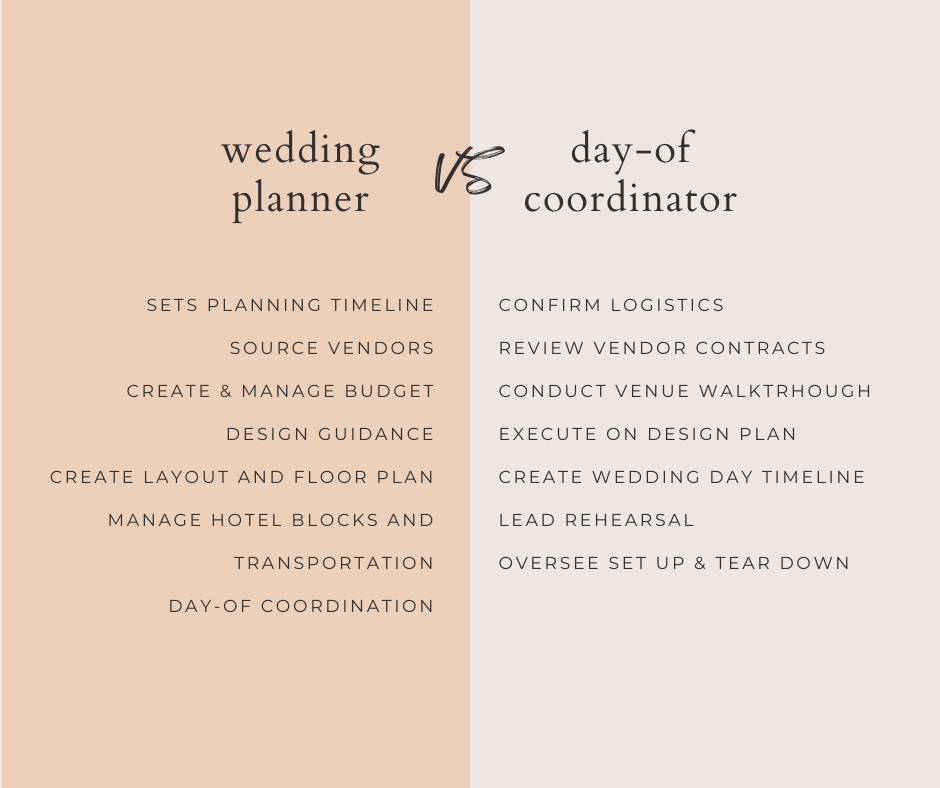
To scale, a planner must move from doing the work to managing the system. This involves investing in “SaaS” (Software as a Service) for project management, CRM (Customer Relationship Management) tools to track leads, and marketing budgets to maintain a luxury brand presence. The transition from a “day-of coordinator” (low margin, high labor) to a “full-service design firm” (high margin, high expertise) is a classic example of moving up the value chain in a service economy.
Outsourcing and Human Capital
Successful planning agencies eventually hire junior planners and administrative assistants. The financial challenge here is maintaining quality control while managing payroll and benefits. By delegating the lower-value tasks (like picking up linens or mailing invitations), the lead planner can focus on the high-value tasks: client acquisition, high-level design, and complex financial negotiations. This allows the business to handle multiple weddings per weekend, exponentially increasing revenue.
Tech Investment for Profitability
The modern, profitable wedding planner leverages technology to increase their hourly rate. Using 3D floor plan software, automated billing systems, and AI-driven guest list management, a planner can reduce the number of “manual” hours spent on a project. This efficiency doesn’t just benefit the client; it increases the planner’s profit margin by allowing them to service more clients with less burnout.
Conclusion: The Professional as a Financial Steward
Ultimately, when asking “what do wedding planners do,” the answer from a financial perspective is that they act as a safeguard for one of the largest personal investments a person will ever make. They are architects of experience who must operate with the precision of an accountant.
By managing revenue models, optimizing client ROI, overseeing complex cash flows, and scaling their own business operations, wedding planners demonstrate that their role is far more than a “party planner.” They are professional consultants in the business of celebration, ensuring that the high-capital exchange of the wedding industry results in a solvent, successful, and seamless event. In the world of money, they are the specialized project managers who ensure that every cent spent translates into a tangible, high-quality asset: a perfect wedding day.
aViewFromTheCave is a participant in the Amazon Services LLC Associates Program, an affiliate advertising program designed to provide a means for sites to earn advertising fees by advertising and linking to Amazon.com. Amazon, the Amazon logo, AmazonSupply, and the AmazonSupply logo are trademarks of Amazon.com, Inc. or its affiliates. As an Amazon Associate we earn affiliate commissions from qualifying purchases.