
In the interconnected landscape of modern software development, cloud computing, and globalized remote work, the question “What is Georgia’s time zone?” is rarely a simple request for the local hour. For the tech professional, this question represents a critical data point in system configuration, API synchronization, and user experience (UX) localization. Whether you are managing a server farm in the Caucasus or building a fintech application for users in Atlanta, understanding the temporal coordinates of “Georgia” requires a deep dive into how machines and networks interpret the passage of time.
The Dual-Geography Challenge: Data Mapping and Localization
In the world of technology, “Georgia” presents a unique challenge in disambiguation. Because the name refers to both a sovereign nation in the Caucasus and a major economic hub in the southeastern United States, developers must rely on precise metadata to avoid system-breaking errors.
Disambiguating GMT+4 vs. EST/EDT
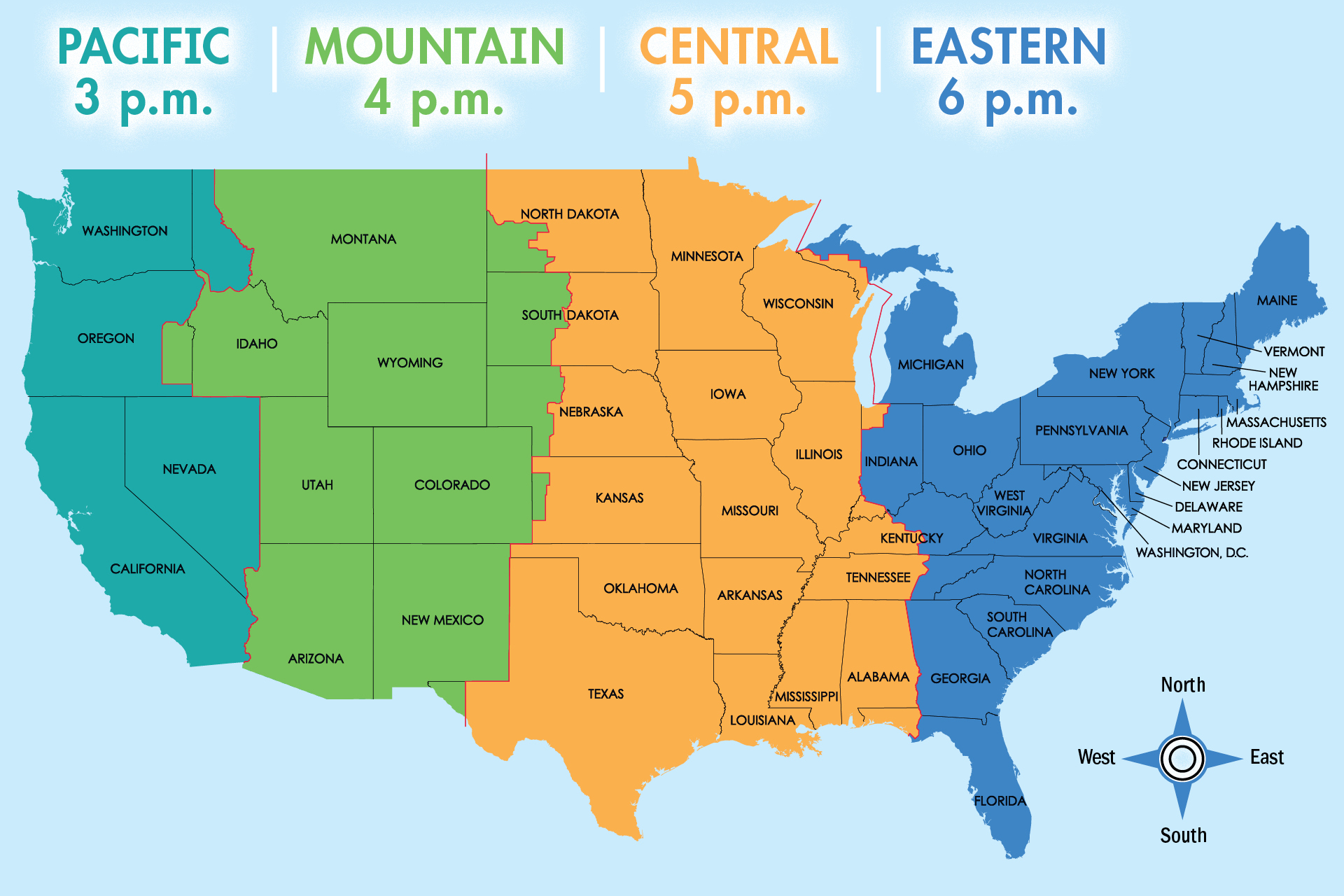
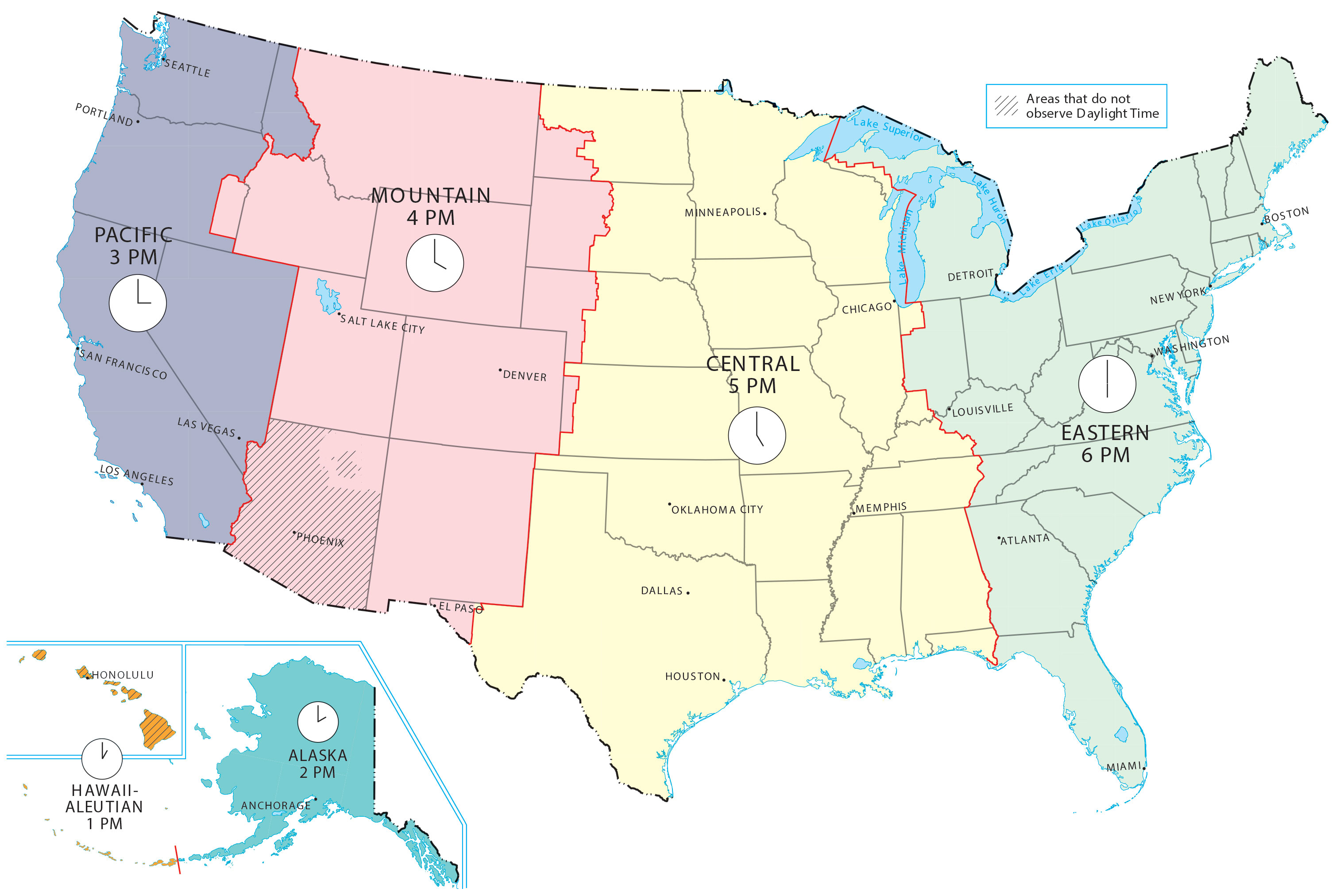
The country of Georgia operates on Georgia Standard Time (GET), which is UTC+4. Notably, the nation does not observe Daylight Saving Time (DST), making it a stable “fixed-offset” region for database administrators. Conversely, the U.S. state of Georgia operates on Eastern Standard Time (EST, UTC-5) and Eastern Daylight Time (EDT, UTC-4). For a tech professional, failing to distinguish between these two “Georgias” can lead to significant discrepancies in log timestamps, meeting invites, and automated cron jobs.
ISO 8601 and Standardized Time Formatting
To mitigate the risks of name-based ambiguity, tech stacks must leverage standardized time formats. Utilizing the ISO 8601 standard—YYYY-MM-DDThh:mm:ss[.mmm]TZD—is the industry best practice. When a system identifies a user in Tbilisi, the backend should ideally store that data in Coordinated Universal Time (UTC) and render it locally as +04:00. For a user in Atlanta, the system must account for the seasonal shift, toggling between -05:00 and -04:00 based on the regional calendar.
The Role of the IANA Time Zone Database
The Internet Assigned Numbers Authority (IANA) maintains the “Tz database” (also known as the Olson database), which is the backbone of most operating systems and programming languages (like Python’s pytz or JavaScript’s Intl.DateTimeFormat). For Georgia the country, the identifier is Asia/Tbilisi. For Georgia the state, it is America/New_York (as part of the Eastern Time zone). Proper implementation of these identifiers ensures that software remains resilient to future legislative changes in time zone policy.
Server Infrastructure and Network Time Protocol (NTP) in the Caucasus
As Georgia (the country) becomes an emerging tech hub for Western and Central Asian markets, the physical infrastructure supporting its time zone has become increasingly sophisticated. High-availability systems rely on perfect synchronization to ensure data integrity across distributed clusters.
Low-Latency Synchronization via NTP
The Network Time Protocol (NTP) is the standard for synchronizing the clocks of computer systems over packet-switched, variable-latency data networks. For servers located in Tbilisi, maintaining a Stratum 1 or Stratum 2 NTP server connection is vital. Because GET (UTC+4) acts as a bridge between European (UTC+1/+2) and Asian (UTC+5/UTC+8) markets, network architects use Georgia-based nodes to minimize “clock skew” in regional data processing.
Database Sharding and Temporal Integrity
When a tech company shards its databases across different geographic regions, the “Georgia” factor becomes a test of distributed system logic. If a transaction occurs in a Tbilisi data center at 14:00 GET, it must be instantly reconcilable with a headquarters in New York at 06:00 EST. This requires a “Single Source of Truth” approach where all system-level operations occur in UTC, with the Georgian time zone applied only at the presentation layer.
Time-Stamping in Cybersecurity and Forensics
In the event of a security breach, the Georgian time zone becomes a vital component of digital forensics. Security Operations Centers (SOCs) must normalize logs from varying time zones to create a coherent timeline of an attack. If a malicious login is detected in a GET-based environment, the security software must accurately correlate that event with global threat intelligence feeds, which are almost universally indexed in UTC.

Software Engineering Challenges: Dealing with Offsets and Libraries
Handling time zones is notoriously one of the “hardest” problems in software engineering. When writing code that interacts with Georgia’s time zone, developers must account for logic that extends beyond simple addition or subtraction.
The Pitfalls of “Wall Clock” Time
A common mistake in app development is relying on the “wall clock” time—the time displayed on the user’s device. For users in Georgia (USA), the transition to Daylight Saving Time can cause applications to duplicate or skip scheduled events if the logic is not built to handle the “missing hour” in March or the “extra hour” in November. Developers must use libraries that are “DST-aware” to ensure that reminders, financial trades, and data backups occur at the intended intervals.
API Integration and Time-Zone Metadata
Modern APIs (Application Programming Interfaces) should always communicate time in UTC. However, when an API requests local time for a “Georgia” location, it must include a metadata flag or a latitude/longitude coordinate. This allows the backend to perform a geospatial lookup to determine if it should apply the Asia/Tbilisi or America/New_York ruleset. Without this, the software is essentially guessing, which is an unacceptable risk in enterprise environments.
Testing Frameworks for Global Deployment
Quality Assurance (QA) engineers often use “Time Travel” testing tools to simulate how an application behaves when the server is set to Georgia Standard Time. This is especially important for subscription-based models or e-commerce platforms where “limited time offers” might expire. If a developer in San Francisco (PST) pushes a code update, they must verify that the “midnight” expiration for a user in Tbilisi is triggered exactly at 00:00 GET, not 00:00 PST.
Remote Work Infrastructure: Bridging the Temporal Gap
The rise of the “Digital Nomad” and the global tech workforce has made the Georgian time zone (GMT+4) a popular coordinate for developers seeking a balance between European and Asian working hours. Managing the tech stack for such a distributed team requires intentional tool selection.
Asynchronous Communication Tools
For teams split between Georgia (Tbilisi) and the United States, there is an 8-to-9-hour time difference. This makes real-time collaboration difficult. Tech-forward companies mitigate this by using asynchronous tools like Notion, Slack (with “Local Time” status indicators), and Loom. Understanding the Georgia time zone allows project managers to schedule “Golden Hour” meetings—short windows where the end of the workday in Tbilisi overlaps with the start of the workday in New York.
Calendar Automation and Scheduling Algorithms
Tools like Calendly or integrated AI scheduling assistants rely on the IANA database to prevent double-booking across time zones. For a consultant based in Georgia, these tools must automatically adjust for the fact that Georgia (country) does not shift its clocks, while their American clients do. This “shifting delta” (where the difference changes from 8 hours to 9 hours twice a year) must be handled by the scheduling algorithm’s logic to maintain professional reliability.
The Future: AI-Driven Temporal Management
We are moving toward an era where AI agents will manage our “temporal presence.” These agents will understand that a developer in Georgia (UTC+4) is at their peak productivity during the US East Coast’s late-night hours. By analyzing the Georgia time zone’s position in the global workflow, AI can optimize code review assignments and deployment windows to ensure that “follow-the-sun” development models operate at maximum efficiency.
Conclusion: Time as a Technical Asset
What is Georgia’s time zone? To a layperson, it is a clock setting. To a technology professional, it is a complex variable in the global equation of data synchronization, system architecture, and user experience.
Whether navigating the fixed offset of Tbilisi or the shifting daylight schedules of Atlanta, mastering the nuances of these time zones is essential for building robust, scalable, and user-centric technology. By prioritizing UTC-based storage, leveraging the IANA database, and utilizing DST-aware libraries, developers and IT leaders can ensure that their systems remain synchronized, no matter which “Georgia” they call home. In the digital age, time is more than just a measurement—it is the pulse of the global network.
aViewFromTheCave is a participant in the Amazon Services LLC Associates Program, an affiliate advertising program designed to provide a means for sites to earn advertising fees by advertising and linking to Amazon.com. Amazon, the Amazon logo, AmazonSupply, and the AmazonSupply logo are trademarks of Amazon.com, Inc. or its affiliates. As an Amazon Associate we earn affiliate commissions from qualifying purchases.