
In the world of technology, precision is the bedrock upon which all innovation is built. Whether we are discussing the overclocking potential of a high-end gaming CPU, the thermal stability of a massive data center, or the delicate sensors within an autonomous vehicle, measurement standards dictate performance and safety. Among these standards, few are as fundamental yet frequently misunderstood as the measurement of heat. For many, the terms “Centigrade” and “Celsius” are used interchangeably, but in the professional tech landscape, understanding the nuance between these terms—and why one was phased out in favor of the other—is essential.
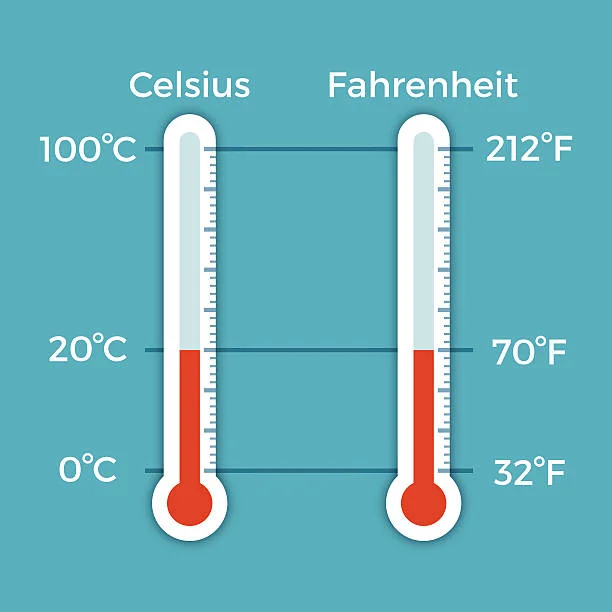
As we delve into the mechanics of modern hardware and digital infrastructure, the role of temperature monitoring becomes a primary focus. This article explores the transition from Centigrade to Celsius and examines how this metric governs the efficiency, longevity, and security of the digital tools we rely on every day.
The Evolution of Measurement: Understanding the Shift from Centigrade to Celsius
The history of temperature measurement is not merely a linguistic curiosity; it represents a movement toward international standardization in science and technology. To understand where we are today, we must look at how these two terms diverged.
Historical Origins and the 1948 Standard
The term “Centigrade” is derived from the Latin centum (one hundred) and gradus (steps). Introduced in the 18th century, it described a scale where the freezing point of water was 0 degrees and the boiling point was 100 degrees. While the scale was revolutionary for its time, the name eventually presented a problem for the scientific community.
In 1948, the 9th General Conference on Weights and Measures (CGPM) officially decided to abandon the term “Centigrade.” The primary reason was to avoid confusion with the French word for a unit of angular measurement (the “grade” or “gon”), which could be subdivided into “centigrades.” To honor the Swedish astronomer Anders Celsius, who developed the original scale in 1742, the unit was renamed “Celsius.”
Why the Name Changed: The International Bureau of Weights and Measures
In the tech industry, standardization is everything. Just as we rely on the IEEE for networking standards or the USB-IF for peripheral connectivity, the International Bureau of Weights and Measures (BIPM) ensures that a degree measured in a lab in Tokyo is identical to one measured in a data center in London.
By adopting “Celsius,” the global tech community eliminated ambiguity. Today, the Celsius scale is defined through its relationship with the Kelvin scale, which is the absolute temperature scale used in physics. In modern computing, where thermal sensors must be calibrated to the nanosecond, having a globally recognized, unambiguous standard is not just a matter of nomenclature—it is a requirement for interoperability.
Temperature as a Critical Metric in Computing and Hardware
In the hardware sector, temperature is the ultimate enemy of performance. From the silicone chips inside a smartphone to the heavy-duty GPUs used for AI training, managing heat is the most significant engineering challenge of the decade.
Thermal Design Power (TDP) and CPU Stability
Every microprocessor comes with a specification known as Thermal Design Power (TDP). This value, often measured in watts, indicates the maximum amount of heat a cooling system must dissipate under a heavy workload to keep the chip within its safe Celsius operating range.
When a processor exceeds its “Tjunction” (the maximum temperature the silicon can withstand before “throttling”), the system automatically reduces clock speeds to prevent physical damage. For enthusiasts and system architects, monitoring these Celsius readings in real-time is the only way to ensure that a system is operating at its peak efficiency. A difference of even 5°C can be the deciding factor between a stable render and a system crash.
The Role of Celsius in BIOS and UEFI Systems
The Basic Input/Output System (BIOS) and its modern successor, the Unified Extensible Firmware Interface (UEFI), are the first layers of software that interact with a computer’s hardware. Within these systems, thermal management is a primary function.
Modern UEFI interfaces provide granular control over fan curves and liquid cooling pumps, all mapped against Celsius thresholds. Because the Celsius scale provides a more intuitive and globally accepted range for liquid-state thresholds (0 to 100) than the Fahrenheit scale, it has become the universal language for firmware engineers. Whether you are adjusting the “Critical Trip Point” in a Linux kernel or setting a “Prochot” (Processor Hot) signal in Windows, Celsius is the digital standard.
Precision Sensors and the Internet of Things (IoT)
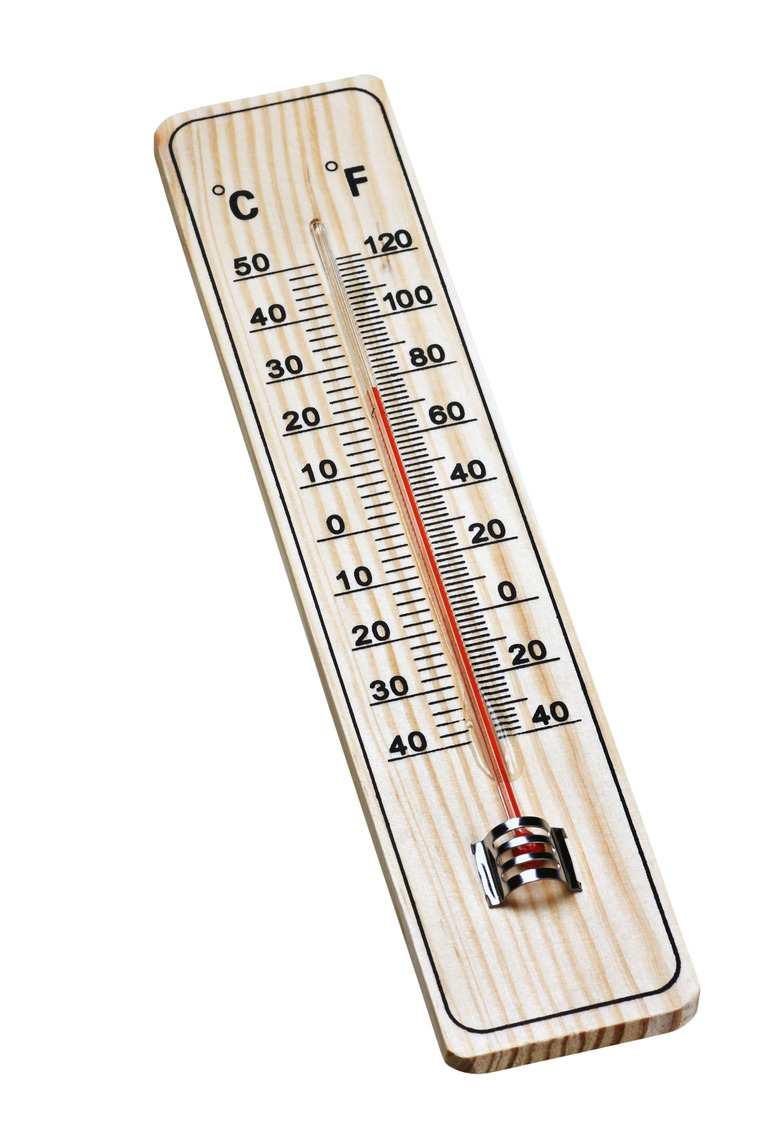
The rise of the Internet of Things (IoT) has placed temperature sensors in nearly every environment imaginable—from smart thermostats in homes to industrial sensors in manufacturing plants.
Thermocouples vs. Digital Thermometers in Smart Devices
In the world of IoT, temperature is gathered via two primary technologies: analog thermocouples and digital integrated circuit (IC) sensors. Digital sensors, such as those found in smart watches or environmental monitors, convert ambient heat into a digital signal that a microcontroller can process.
These sensors are calibrated to output data in Celsius because of its decimal-friendly nature, which simplifies the algorithmic processing required for automation. For instance, an AI-driven smart home system might use Celsius data to calculate the “Heat Index” and adjust HVAC settings to optimize energy consumption. The precision of these sensors—often accurate to within 0.1°C—is what allows for the seamless automation of modern smart cities.
Data Accuracy in Automated Industrial Tech
In industrial automation (Industry 4.0), temperature measurement is a matter of safety and regulatory compliance. Chemical processing plants, semiconductor cleanrooms, and pharmaceutical labs require rigorous thermal tracking.
The move away from the “Centigrade” terminology in these sectors coincided with the digital revolution. Today’s industrial sensors feed data into Supervisory Control and Data Acquisition (SCADA) systems. These systems use the Celsius scale to trigger automated safety shutdowns. The transition to a unified Celsius standard has allowed global manufacturers to use the same software stacks across different geographic regions without the risk of conversion errors that could lead to catastrophic hardware failure.
Data Centers and the Economics of Thermal Management
Data centers are the backbone of the modern internet, and they are essentially massive heat-exchange environments. The way we measure and manage Celsius levels in these facilities directly impacts global energy consumption.
Optimal Operating Temperatures for Server Health
For decades, data centers were kept at shivering temperatures to protect hardware. However, modern tech research from organizations like ASHRAE has shown that servers can operate reliably at higher Celsius ranges than previously thought.
By raising the ambient temperature of a data center from 20°C to 25°C, companies can save millions in cooling costs and significantly reduce their carbon footprint. This “thermal tuning” requires incredibly precise Celsius monitoring across thousands of “cold aisles” and “hot aisles.” Using real-time telemetry, data center technicians can visualize heat maps that allow them to redirect airflow to where it is needed most, preventing “hot spots” that could cause localized hardware failure.
Liquid Cooling and Advanced Thermal Conductors
As AI workloads increase the power density of server racks, traditional air cooling is becoming insufficient. We are seeing a massive shift toward liquid cooling solutions, including “direct-to-chip” and “immersion cooling.”
In these systems, the thermal conductivity of the coolant is measured against its Celsius boiling point. Because water freezes at 0°C and boils at 100°C on the Celsius scale, it remains the most practical reference point for engineers designing these systems. The “Centigrade” of the past was a descriptive term; the “Celsius” of today is a functional parameter in the complex equations used to design the next generation of supercomputers.
The Future of Thermal Measurement in AI and Quantum Computing
As we push the boundaries of what is technologically possible, we are operating at the extremes of the Celsius scale—from the blistering heat of high-density AI clusters to the near-absolute zero required for quantum bits (qubits).
Monitoring the Heat Signature of Massive AI Training Models
Training large language models (LLMs) requires thousands of GPUs running at maximum capacity for weeks at a time. This generates a thermal signature that is visible even from satellite imagery. Tech giants are now using AI itself to monitor these Celsius fluctuations, predicting hardware failure before it happens by identifying “thermal drift”—subtle patterns in temperature increase that suggest a cooling component is reaching the end of its lifecycle.
Cryogenic Temperatures and the Kelvin-Celsius Intersection
In the realm of quantum computing, the Celsius scale meets its limit as we approach absolute zero. Quantum processors must be cooled to temperatures lower than the void of outer space to maintain “coherence.”
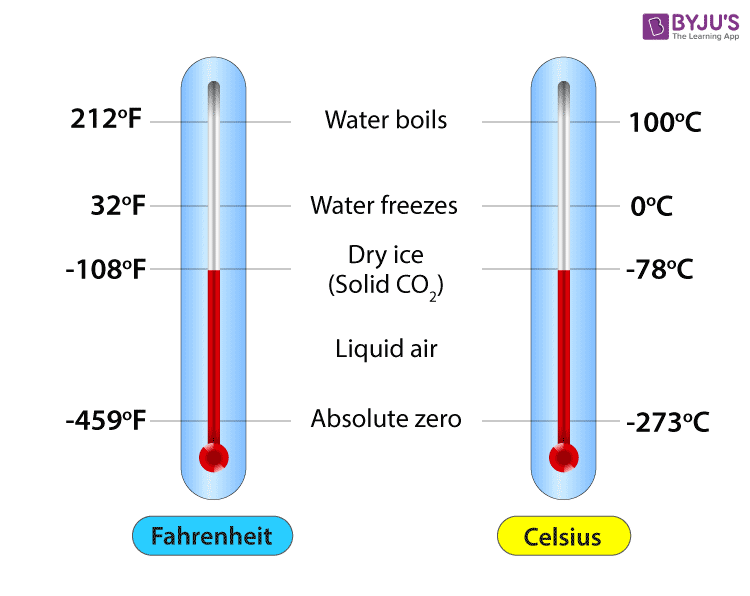
While these temperatures are often discussed in Kelvin, the conversion back to Celsius (-273.15°C) remains the primary point of reference for the engineers who build the dilution refrigerators housing these chips. Whether we are dealing with the heat of a processor or the cold of a quantum state, the legacy of Anders Celsius continues to provide the framework for the most advanced tech on the planet.
In conclusion, while “Centigrade” and “Celsius” may describe the same 100-step interval between the freezing and boiling points of water, the tech industry has moved decisively toward Celsius as its global standard. This measurement is more than just a number on a screen; it is a vital statistic that determines the speed of our internet, the safety of our devices, and the sustainability of our digital future. Understanding this standard is the first step in mastering the complex interplay between hardware, software, and the physical world.
aViewFromTheCave is a participant in the Amazon Services LLC Associates Program, an affiliate advertising program designed to provide a means for sites to earn advertising fees by advertising and linking to Amazon.com. Amazon, the Amazon logo, AmazonSupply, and the AmazonSupply logo are trademarks of Amazon.com, Inc. or its affiliates. As an Amazon Associate we earn affiliate commissions from qualifying purchases.