
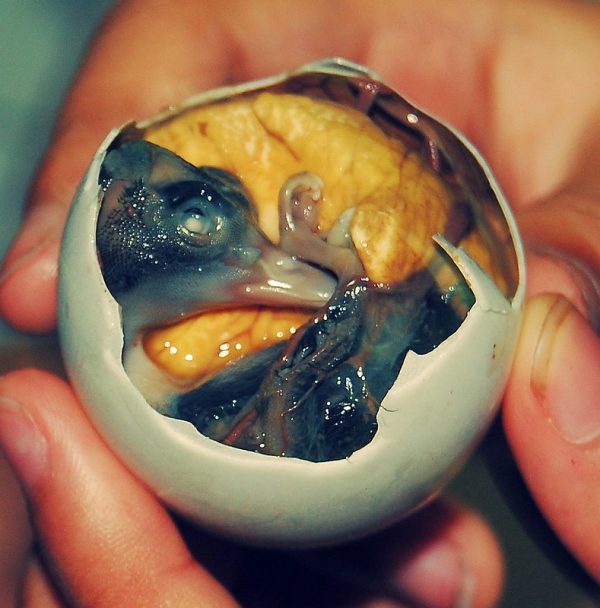
In the landscape of global gastronomy, few products possess as polarizing a brand identity as balut. A fertilized duck egg, typically incubated for 14 to 21 days and then boiled, balut is a staple of Filipino street food culture. However, to view balut merely as a snack is to overlook its complex position within the global marketplace. From a brand strategy perspective, balut represents a fascinating case study in how cultural authenticity, “extreme” marketing, and national identity intersect to create a product that is simultaneously a cherished heritage symbol and a challenging consumer good for international audiences.
The Anatomy of a Controversial Brand: Defining Balut’s Market Position
Every successful brand requires a clear identity, but balut occupies a unique niche. It is a product that thrives on its “raw” and “authentic” status, yet it faces significant hurdles when transitioning from local consumption to global recognition. Understanding the brand of balut requires looking past the shell and analyzing the psychological triggers it pulls in different consumer segments.
Understanding the Product: More than Just an Egg
At its core, the brand of balut is built on the pillars of nutrition and tradition. In its primary market, the Philippines, balut is marketed—often informally—as a high-protein “superfood” and an aphrodisiac. This functional branding has sustained its popularity for generations. The product itself is a sensory experience: the savory broth (the “soup”), the tender yolk, and the developed embryo. For the brand to succeed in new markets, it must move beyond being viewed as a “fertilized egg” and be repositioned as a complex, multi-textured culinary experience.
The “Extreme Food” Label: A Branding Double-Edged Sword
In Western media, balut has frequently been branded as an “extreme food” or a “challenge” (think Fear Factor or YouTube “reaction” videos). From a marketing standpoint, this has been a double-edged sword. While it has given balut immense brand awareness—almost everyone in the food world knows what it is—it has created a “fear-based” brand image. This type of branding attracts thrill-seekers but alienates the mainstream consumer. The challenge for brand strategists today is to pivot away from “shock value” and toward “culinary appreciation,” emphasizing the craft and tradition involved in its preparation.
Strategic Positioning: How Balut Anchors the Philippines’ National Brand
Food is one of the most potent tools in a nation’s branding arsenal. Just as sushi is synonymous with Japanese precision and pasta with Italian passion, balut serves as a gritty, authentic anchor for the Filipino brand. It represents the “no-frills,” communal, and resilient nature of Filipino culture.
Soft Power and Culinary Diplomacy
Culinary diplomacy—the use of food to promote a national image—has become a vital strategy for many countries. The Filipino government and private sector have increasingly used balut as a focal point in international food festivals and trade expos. By positioning balut as a “must-try” authentic experience, the country leverages its unique heritage to stand out in a crowded global tourism market. The brand strategy here is not to hide the controversial nature of the food but to lean into it as a badge of cultural pride.
Authenticity as a Competitive Advantage
In an era of mass-produced, sterilized consumer goods, “authenticity” has become a high-value currency. The balut brand benefits from being perceived as “real.” It cannot be easily replicated by large-scale Western food corporations because its value is deeply tied to the specific ducks of Pateros and the traditional magbabalut (street vendors). This inherent scarcity and connection to a specific locale provide a competitive advantage that modern brands spend millions trying to manufacture.
Rebranding for the Modern Palate: Innovation in Packaging and Presentation

For any brand to grow, it must evolve. The traditional image of balut—sold in a basket lined with warm cloth on a street corner—is iconic, but it has limitations in a globalized, hygiene-conscious market. Modern brand strategists are now looking at ways to repackage balut to appeal to a wider demographic without losing its soul.
Gourmet Balut: Moving from the Street to the Fine Dining Menu
One of the most effective rebranding strategies for “challenging” foods is “premiumization.” We are seeing a trend where Filipino chefs in global hubs like New York, London, and Dubai are incorporating balut into fine dining. By serving it as a pâté, in a savory pastry, or as part of a sophisticated adobo reduction, they are rebranding the product from “street snack” to “gourmet delicacy.” This shift changes the consumer’s perception of value and makes the product more accessible to those who are intimidated by the traditional presentation.
Overcoming the Visual Barrier through Creative Marketing
The visual aspect of balut—the developing embryo—is the primary barrier to mainstream adoption. Brand strategy in this area involves “visual storytelling.” Modern packaging for balut is beginning to focus on the nutritional benefits and the artisanal process of incubation. Some brands are experimenting with “processed” balut products, such as canned balut or balut-flavored crackers, which provide the flavor profile without the visual deterrent. While purists might argue this dilutes the brand, it is a classic market expansion strategy used by many traditional food industries.
The Economic Impact of a Niche Brand: Scalability and Export Challenges
From a corporate and business finance perspective, the balut industry represents a significant economic opportunity, but it is one fraught with logistical hurdles. A brand is only as strong as its ability to reach its customers, and for balut, the “last mile” is often the most difficult.
Supply Chain Logistics of a Perishable Brand
The balut brand relies on freshness. Unlike processed goods, the product has a very short shelf life and specific temperature requirements. This creates a major challenge for international brand scaling. Exporting balut requires navigating complex agricultural bans (such as those related to avian flu) and maintaining a strict cold chain. Companies that have successfully branded balut for export, particularly to the Middle East and North America to serve the Filipino diaspora, have had to invest heavily in logistics tech to ensure the “brand promise” of quality is met upon arrival.
Navigating International Regulations and Safety Standards
A brand’s reputation is built on trust. For balut to be accepted in international markets, it must meet the rigorous food safety standards of bodies like the FDA or the EFSA. This requires a transition from backyard production to industrial-grade facilities. The “rebranding” of balut for the global stage involves a heavy emphasis on “safety” and “quality control.” By professionalizing the production process, the industry can shed the “high-risk” label and position balut as a safe, regulated, and premium agricultural export.
The Future of the Balut Brand: Digital Presence and Social Influence
In the digital age, a brand’s identity is often forged on social media. Balut has found a second life in the digital world, where its visual impact makes it “Instagrammable” and “viral.”
The Role of Influencer Marketing
Food bloggers and travel influencers play a massive role in shaping the balut brand. When a respected culinary influencer explores the history and taste of balut with nuance, it rehabilitates the brand in the eyes of their followers. This “earned media” is more valuable than any paid advertisement. The strategy for the future involves moving away from the “dare” videos and toward documentary-style content that highlights the duck farmers, the incubation process, and the generational skill required to produce the perfect egg.
Building a Digital Community Around Heritage
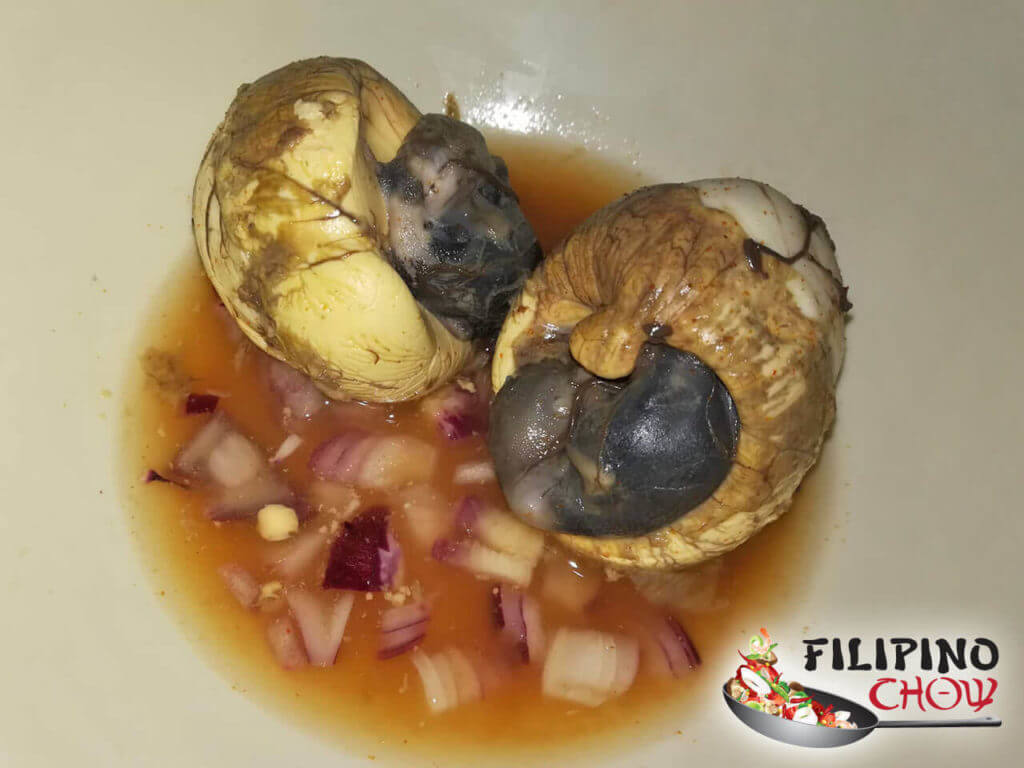
The “Money” aspect of the balut brand is also tied to the power of the diaspora. Millions of Filipinos living abroad seek out balut as a way to connect with their roots. This has created a vibrant online marketplace for balut delivery services. By leveraging digital marketing and e-commerce, small-scale producers can reach a global audience. The future of the balut brand lies in this intersection of traditional production and modern digital distribution, ensuring that this unique piece of cultural heritage continues to thrive in a 21st-century economy.
In conclusion, balut is more than just a food item; it is a complex brand that embodies the challenges and opportunities of marketing cultural heritage. By moving from a “shock-value” identity to one focused on gourmet potential, national pride, and logistical excellence, balut has the potential to become a global symbol of culinary diversity. For brand strategists, it remains one of the most intriguing examples of how to manage a product that is as much about the story it tells as the nutrition it provides.
aViewFromTheCave is a participant in the Amazon Services LLC Associates Program, an affiliate advertising program designed to provide a means for sites to earn advertising fees by advertising and linking to Amazon.com. Amazon, the Amazon logo, AmazonSupply, and the AmazonSupply logo are trademarks of Amazon.com, Inc. or its affiliates. As an Amazon Associate we earn affiliate commissions from qualifying purchases.