
In the world of investing, timing is often just as critical as the assets you choose to buy or sell. For the modern investor, understanding “what time the market is open” is not merely a matter of knowing when the opening bell rings on Wall Street; it is about understanding the global flow of capital, the nuances of liquidity, and the strategic advantages found in different trading sessions. Whether you are a casual long-term investor or an aspiring day trader, the operating hours of global financial markets dictate the pace of your financial journey.
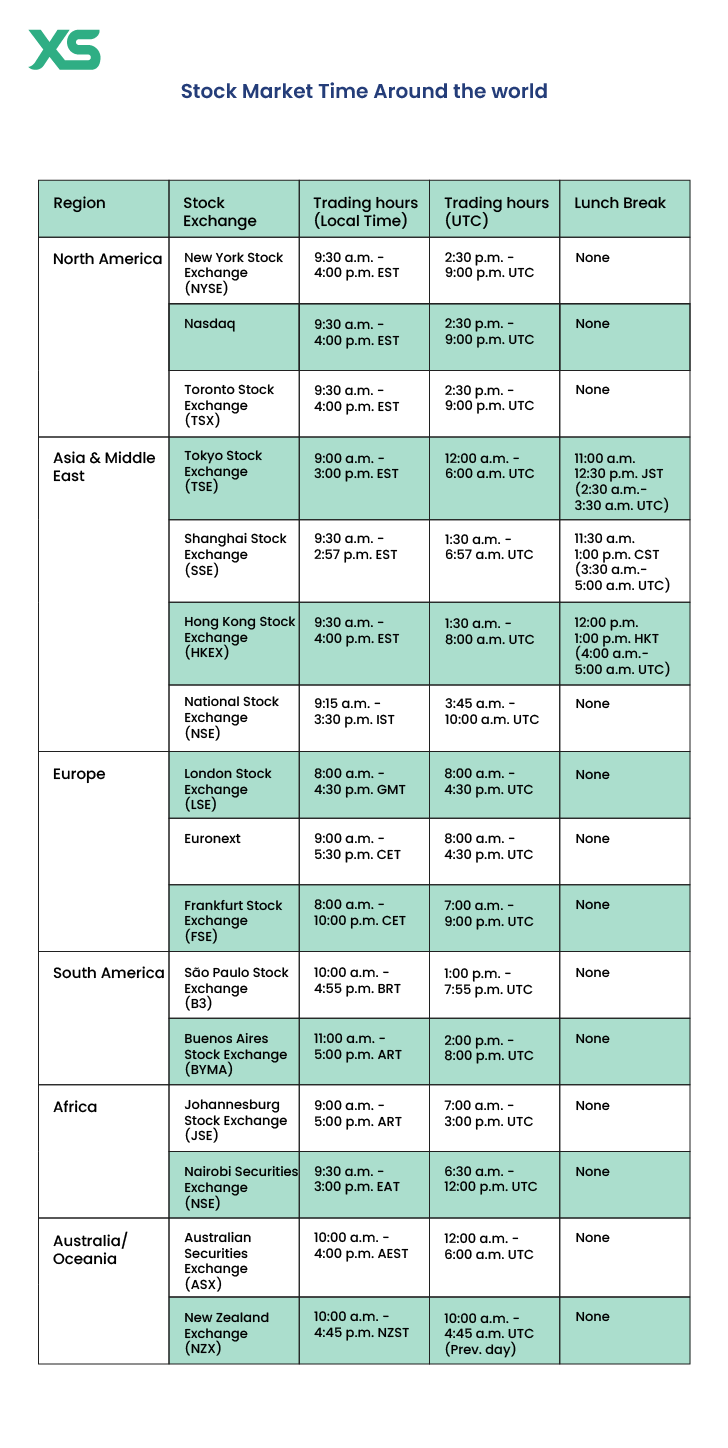
This guide explores the standard operating hours of major exchanges, the complexities of extended-hours trading, and how the timing of your trades can impact your overall portfolio performance.
Understanding the Core Hours of Major Global Exchanges
The global financial landscape is a relay race. As one market closes, another is usually preparing to open. However, for most individual investors in the West, the primary focus remains on the major hubs in North America, Europe, and Asia.
The New York Stock Exchange (NYSE) and NASDAQ
For those focused on the U.S. markets, the “standard” trading day is defined by the New York Stock Exchange (NYSE) and the NASDAQ. Both exchanges are open from Monday through Friday, 9:30 AM to 4:00 PM Eastern Time (ET).
These hours represent the period of highest liquidity, where the “spread”—the difference between the buy and sell price—is typically at its narrowest. These hours are not arbitrary; they are designed to consolidate trading volume into a specific window to ensure that price discovery is efficient. It is also important to note that U.S. markets are closed on major federal holidays, such as Independence Day, Thanksgiving, and Christmas.
European Markets: The London Stock Exchange (LSE)
Moving across the Atlantic, the London Stock Exchange is a primary destination for international capital. The LSE typically operates from 8:00 AM to 4:30 PM Greenwich Mean Time (GMT). Because of the time difference, there is a significant overlap between the London and New York sessions (usually between 9:30 AM and 11:30 AM ET). This overlap is often the most volatile and liquid time of the day for global markets, as traders in both the world’s largest financial centers are active simultaneously.
Asian Markets: Tokyo, Hong Kong, and Shanghai
The trading day technically begins in the East. The Tokyo Stock Exchange (TSE) generally operates from 9:00 AM to 3:00 PM local time, with a scheduled lunch break from 11:30 AM to 12:30 PM. Unlike Western markets, many Asian exchanges still maintain a mid-day break, which can lead to “gaps” in pricing when the market resumes for the afternoon session. Understanding these shifts is vital for investors who hold international ETFs or individual foreign stocks.
Extended Hours Trading: Pre-Market and After-Hours Sessions
While the “main” market hours are when most of the action happens, the advent of electronic communication networks (ECNs) has made it possible to trade outside of standard hours. This is known as extended-hours trading.
The Mechanics of Pre-Market Trading
In the United States, pre-market trading can begin as early as 4:00 AM ET, though the bulk of the volume occurs after 8:00 AM ET. Pre-market sessions are often used by investors to react to overnight news, such as international geopolitical developments or early-morning corporate earnings releases.
However, trading before the 9:30 AM bell comes with significant caveats. Volume is much lower than during regular hours, which means price swings can be exaggerated. A stock might jump 5% on a small amount of pre-market buying, only to see that gain evaporate as soon as the broader market opens and institutional sell orders flood in.
The Risks and Rewards of After-Hours Sessions
After-hours trading occurs after the 4:00 PM ET close and can run until 8:00 PM ET. This session is primarily dominated by reactions to quarterly earnings reports, which companies almost always release after the market closes to avoid mid-day volatility.
For the savvy investor, after-hours trading offers the opportunity to act quickly on new information. However, the “bid-ask spread” tends to widen significantly during this time. For example, a stock might be quoted at $100.00 (Bid) and $102.00 (Ask), representing a $2.00 spread. In regular hours, that same stock might have a spread of only one or two cents. This means you start your trade at a significant disadvantage, requiring a larger price move just to break even.
Why Timing Matters: The Impact of Market Hours on Volatility and Liquidity
Successful investing is not just about what you buy, but when you execute the trade. The time of day significantly influences the price you pay and the ease with which you can enter or exit a position.
The Power Hour: Opening and Closing Bell Dynamics
The first and last 30 to 60 minutes of the trading day are often referred to as “The Power Hour.” The opening 30 minutes are characterized by high volatility as the market “digests” all the news and orders that accumulated overnight. Professionals often advise novice investors to avoid trading during the first half-hour because the price discovery process is so chaotic.
Conversely, the final hour of trading (3:00 PM to 4:00 PM ET) often sees a surge in volume as institutional fund managers rebalance their portfolios and day traders close out their positions. This period frequently sets the tone for the following day’s open.
Market Overlaps: When Liquidity Peaks
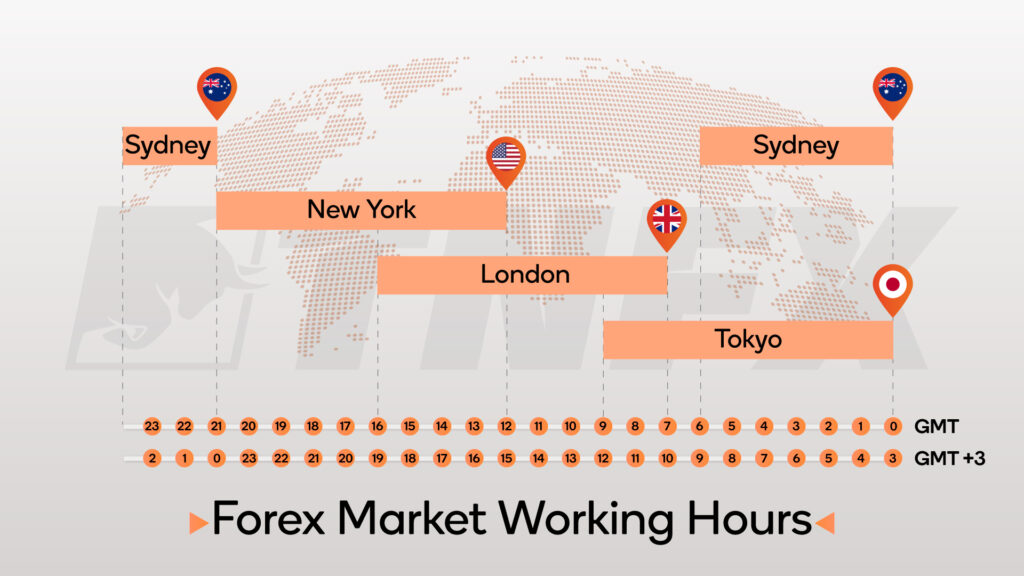
Liquidity is the lifeblood of the financial markets. It refers to the ability to buy or sell an asset without causing a major change in its price. The peak of global liquidity occurs when the U.S. and European markets overlap. During this window, the sheer volume of participants ensures that even large trades can be executed with minimal “slippage.” For investors looking to trade large positions or volatile options, this overlap period is often the most cost-effective time to act.
Trading Beyond Stocks: 24/5 and 24/7 Markets
For many, the standard 9-to-5 market cycle is a thing of the past. Certain asset classes operate on a much broader schedule, offering flexibility—and unique risks—to the modern investor.
The Forex Market: A Global 24-Hour Cycle
The Foreign Exchange (Forex) market is the largest and most liquid financial market in the world. It operates 24 hours a day, five days a week. It begins on Sunday evening (ET) as the Sydney and Tokyo markets open and continues uninterrupted until the New York market closes on Friday afternoon.
Because currency values are influenced by global macroeconomic events that can happen at any hour, the 24-hour nature of Forex allows investors to hedge their positions in real-time. However, this also means that a sudden central bank announcement in Europe at 3:00 AM ET can catch a U.S.-based trader off guard if they aren’t utilizing automated stop-loss orders.
Cryptocurrency: The Market That Never Sleeps
Perhaps the most significant shift in market timing has been the rise of cryptocurrency. Unlike stocks or bonds, crypto markets like Bitcoin and Ethereum trade 24 hours a day, 7 days a week, 365 days a year. There are no opening or closing bells, and no holiday breaks.
While this provides ultimate accessibility, it also creates a high-pressure environment. Market-moving news can break on a Saturday afternoon or at 2:00 AM on a Tuesday. For the retail investor, this 24/7 cycle necessitates a disciplined approach to risk management, as the lack of “market hours” means there is no cooling-off period for volatility.
Developing a Trading Schedule for Financial Success
Knowing the hours is the first step; building a strategy around them is the second. Your lifestyle and financial goals should dictate when you engage with the market.
Identifying the Best Time for Day Trading
Day traders thrive on volatility. For these individuals, the most productive hours are usually the market open (9:30 AM to 11:30 AM ET) and the market close (3:00 PM to 4:00 PM ET). The “mid-day lull”—roughly between 12:00 PM and 2:00 PM ET—is often characterized by lower volume and sideways price action as traders take lunch breaks. Many professionals step away from their screens during this time to avoid “over-trading” in a low-probability environment.
Managing Time Zone Challenges for International Investors
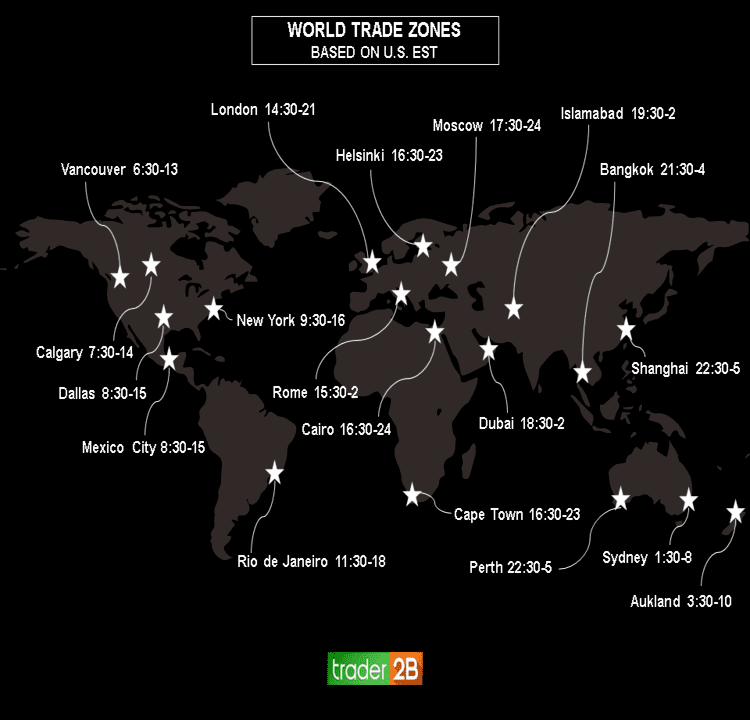
If you live outside the Eastern Time Zone but trade U.S. markets, time zone management becomes a crucial part of your business finance strategy. A trader in California must be at their desk by 6:30 AM PT to catch the New York open, while a trader in London might find the U.S. close occurring late in their evening.
To manage this, many investors use “Limit Orders” rather than “Market Orders.” A limit order allows you to set the specific price at which you are willing to buy or sell, regardless of whether you are awake to watch the ticker. This level of automation is essential for maintaining a healthy work-life balance while participating in global markets.
Conclusion
Understanding “what time the market is open” is a fundamental pillar of financial literacy. The traditional hours of the NYSE and NASDAQ provide a structured environment for the majority of trading activity, but the world of finance is far broader. From the pre-market surges driven by corporate earnings to the 24/7 relentless nature of the cryptocurrency markets, the clock is always a factor in your investment returns.
By aligning your trading activity with periods of high liquidity, being mindful of the risks associated with extended hours, and respecting the “Power Hours” of the trading day, you can navigate the financial markets with greater confidence and precision. In the end, the market doesn’t just care about how much you invest—it cares deeply about when you choose to enter the fray.
aViewFromTheCave is a participant in the Amazon Services LLC Associates Program, an affiliate advertising program designed to provide a means for sites to earn advertising fees by advertising and linking to Amazon.com. Amazon, the Amazon logo, AmazonSupply, and the AmazonSupply logo are trademarks of Amazon.com, Inc. or its affiliates. As an Amazon Associate we earn affiliate commissions from qualifying purchases.