
In the landscape of personal defense and law enforcement tools, few devices are as steeped in history—and as misunderstood—as the sap weapon. Often relegated to the shadows of noir films or historical police archives, the sap represents a specific era of mechanical engineering designed for non-lethal kinetic energy transfer. While modern technology has moved toward electronic deterrents like TASERs or chemical irritants like OC spray, the sap remains a fascinating study in material science, physics, and tactical design.
To understand what a sap weapon is, one must look past its simple appearance. It is a precision-engineered tool designed to deliver a specific amount of force to incapacitate a threat without the penetration of a blade or the high-velocity impact of a firearm. This article explores the technical nuances of the sap, its mechanical evolution, and its place in the broader spectrum of security technology.
Understanding the Mechanics of the Sap Weapon
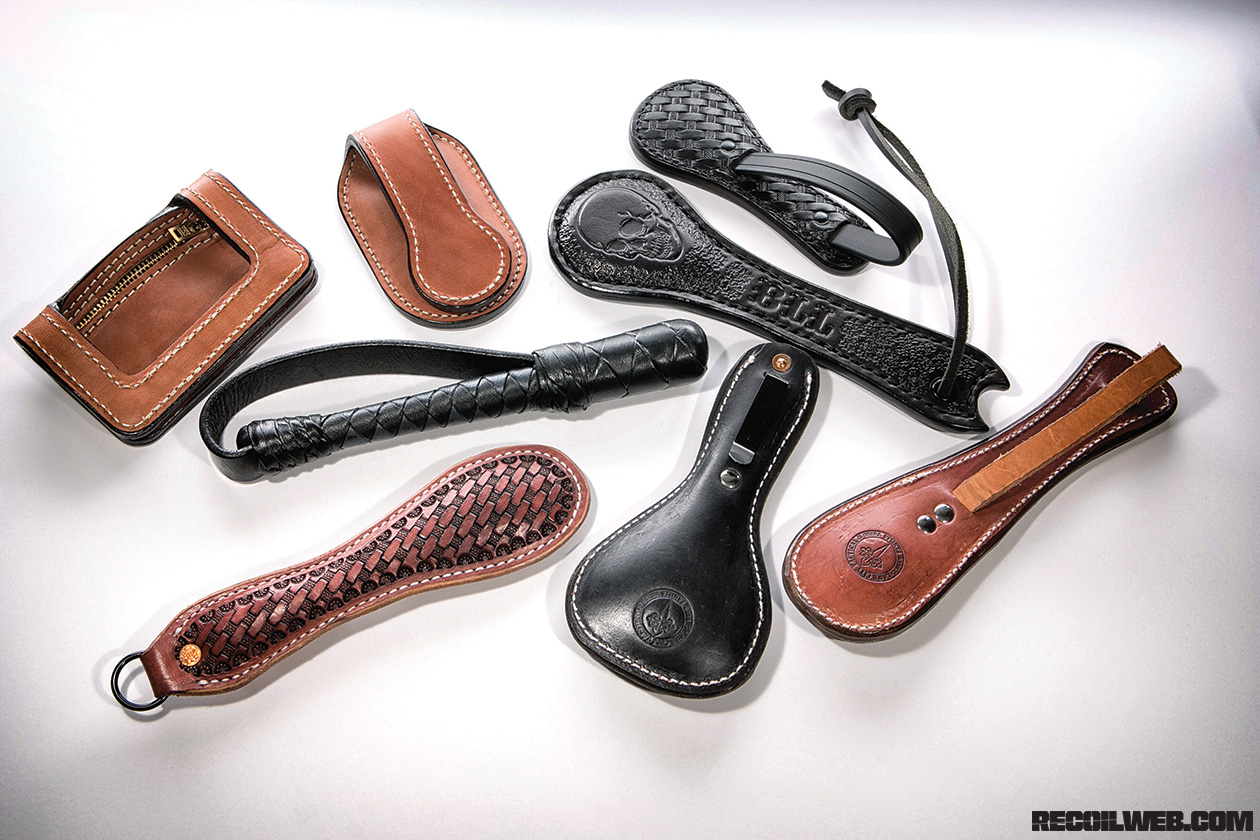
At its core, a sap is a weighted, often flat, impact tool. Unlike a club or a baton, which relies purely on the length of the lever and the strength of the user’s swing, the sap utilizes internal mass and flexible housing to create a “whipping” effect that concentrates kinetic energy.
The Anatomy of a Sap: Weighted Core and Material Composition
The technical efficiency of a sap weapon depends entirely on its construction. A traditional sap consists of a heavy core—usually made of lead, steel, or powdered metal—encased in a durable exterior, historically leather but occasionally modern synthetic polymers.
The weight is typically concentrated at the “head” of the tool. In flat saps, this weight is shaped like a disc or an oval, allowing for a broader distribution of force. In “blackjacks,” a related variant, the core is often a lead spring, which adds a degree of elasticity to the strike. The choice of material for the casing is not merely aesthetic; the friction of leather or textured rubber ensures a secure grip while providing enough flexibility for the internal weight to move independently, maximizing the “snap” of the impact.
Kinetic Energy Transfer: Why Design Matters
The “tech” of the sap lies in the physics formula $KE = 1/2 mv^2$. By concentrating a significant mass ($m$) into a small, handheld device and allowing for high-velocity ($v$) movement through a flexible handle, the sap generates immense kinetic energy.
Because the sap is flexible, it does not rebound off a target like a rigid wooden baton. Instead, it “dwells” on the target for a fraction of a second longer, transferring a higher percentage of its energy into the objective. This makes it an incredibly efficient tool for neurological disruption—essentially “stunning” the muscle groups or the nervous system—without necessarily breaking bones or causing permanent structural damage, provided it is used by a trained professional.
The Technological Evolution of Non-Lethal Law Enforcement Tools
The transition from the sap to modern tactical gear represents a major shift in how security technology is developed. For much of the 20th century, the sap was the primary “intermediate force” option for officers worldwide. However, as the requirements for transparency and medical safety evolved, so did the tools.
From Leather Blackjacks to Modern Polymer Impact Devices
The original saps were handmade, often by the officers themselves or local cobblers. As manufacturing technology improved, companies like Bucheimer and Tex Shoemaker began mass-producing these tools with consistent weights and balanced centers of gravity.
In the late 20th century, materials science introduced high-density polymers and ballistic nylons. These materials replaced leather because they were resistant to environmental degradation (such as rain or sweat) and offered a more consistent grip. However, the rise of the collapsible baton—a marvel of telescopic engineering—eventually pushed the sap out of standard-issue kits. The collapsible baton offered greater reach and a more intimidating visual deterrent, though it lacked the nuanced energy transfer of the flexible sap.
The Transition to Conducted Energy Devices (CEDs) and Pepper Spray
The most significant technological leap away from impact weapons came with the development of the TASER and other conducted energy devices. If the sap was a mechanical solution to a physical problem, the TASER is an electronic one.
Modern law enforcement tech priorities have shifted toward “stand-off distance.” A sap requires the user to be within arm’s reach, which increases the risk of physical struggle. Technology like the TASER 7 or the Axon ecosystem uses compressed nitrogen to fire probes that deliver NMI (Neuromuscular Incapacitation) from several feet away. Despite this, the sap remains a point of interest for “low-profile” security details where carrying a bulky electronic device or a long baton is not feasible due to the need for concealment.
Modern Tactical Applications and Specialized Materials
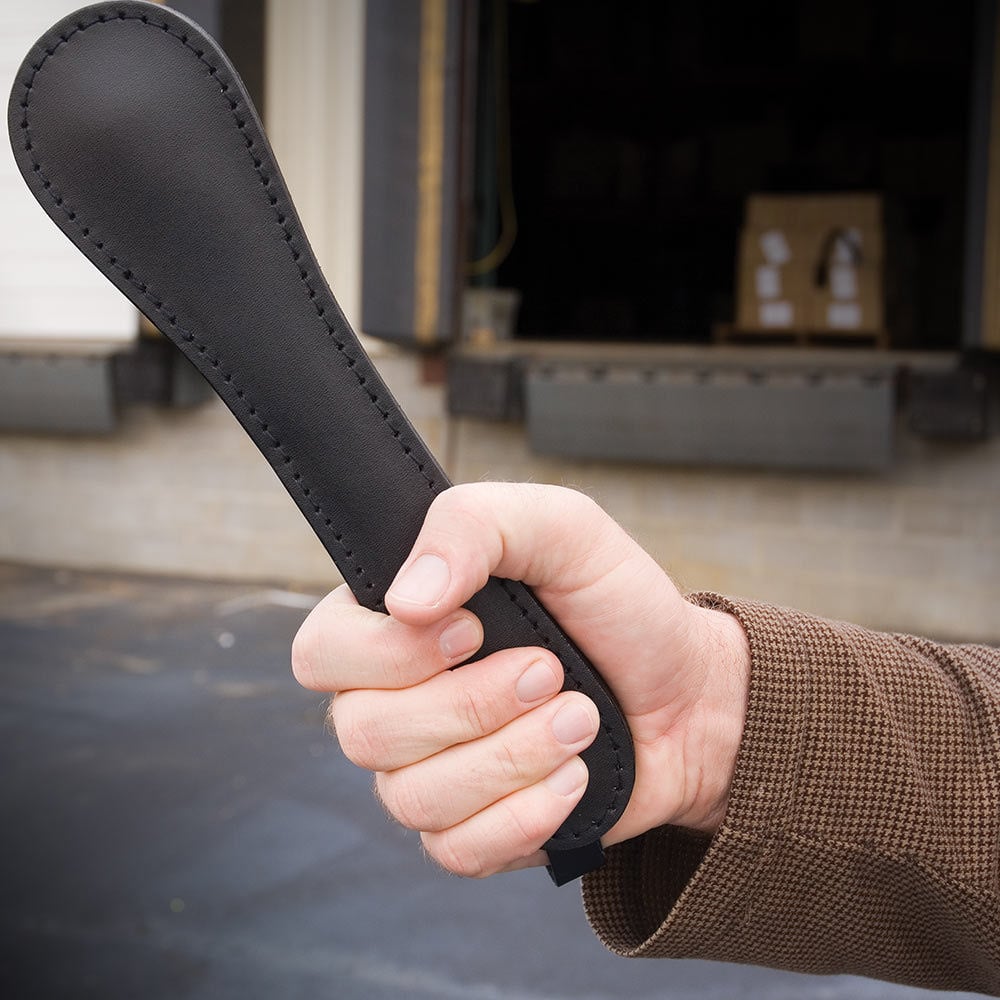
While no longer standard for every patrol officer, the technology behind the sap has evolved into specialized niches. Modern iterations often focus on “multi-use” capabilities and the integration of advanced composite materials.
Innovations in Compact Concealment Technology
One of the primary advantages of the sap is its flat profile. In the realm of high-end executive protection and undercover operations, technology that can be concealed without “printing” (showing a silhouette through clothing) is vital.
Modern “sap caps” or “weighted gloves” represent the logical progression of this tech. Sap gloves, for instance, integrate powdered lead or steel shot into the knuckle area. This is a form of wearable technology designed to protect the user’s hands while increasing the force of a defensive strike. The engineering challenge here is balancing the weight so that the glove remains functional for other tasks—like driving or handling a firearm—while providing the defensive benefits of an impact tool.
The Role of Impact Weapons in Modern Close-Quarters Defense
In environments where electronic devices might fail (such as areas with high electromagnetic interference or extreme moisture), mechanical tools are still prioritized. The “Slammer” or the “Pocket Sap” has seen a resurgence in the private security tech sector.
These modern versions often utilize D3O or other non-Newtonian materials. D3O is a “dilatant” material that remains soft and flexible when moved slowly but locks together and becomes rigid upon high-impact. Integrating such materials into the casing of an impact tool allows for a device that is comfortable to carry but becomes a formidable defensive tool upon impact. This represents a fusion of chemistry and mechanical design that the original creators of the leather sap could never have imagined.
Legal and Ethical Considerations in Defensive Technology
As with any technology designed for force, the sap is subject to rigorous legal frameworks. The evolution of the sap is not just a story of better leather or heavier lead; it is a story of how society regulates the technology of violence.
Jurisdictional Regulations on Striking Tools
In many jurisdictions, the sap is classified alongside brass knuckles or switchblades as a “prohibited weapon.” The reason is technical: the very efficiency that makes it a good tool (the dwell time and energy transfer) also makes it dangerous in untrained hands.
From a tech-regulation perspective, the sap is often viewed as “too effective.” Unlike a standard baton, which is easily visible and predictable, a sap can be deployed rapidly and discreetly. This has led to a technological “arms race” in the legal sector, where developers try to create tools that provide the same defensive utility without falling under the historical legal definitions of a “blackjack” or “slungshot.”
The Future of Mechanical vs. Electronic Deterrents
Looking forward, the niche of the sap weapon is being squeezed by smart technology. We are entering an era of “smart batons” and “kinetic projectiles” that use sensors to log when a device is deployed, ensuring accountability.
However, there is a certain “reliability tech” argument for the sap. It requires no batteries, has no circuit boards to fry, and does not require a software update. In the world of digital security and high-tech gadgets, the sap remains a reminder that sometimes the most effective technology is a simple application of physics and high-quality materials. Whether it survives the next century as a viable tool or becomes a purely historical curiosity depends on how future materials science balances the need for effective defense with the increasing demand for non-lethal, high-accountability security solutions.

Conclusion: The Enduring Physics of the Sap
The sap weapon, while seemingly primitive, is a sophisticated piece of mechanical technology. It is a tool defined by its ability to manipulate mass and velocity to achieve a specific physiological outcome. From its origins in the pockets of 19th-century watchmen to its modern iterations in specialized tactical units, the sap highlights a unique branch of “impact tech.”
As we move toward a future dominated by AI-driven security and electronic deterrents, the sap serves as a benchmark for mechanical efficiency. It reminds us that at the end of the day, security technology is about the controlled application of energy. Whether that energy is delivered via a microchip or a lead-weighted leather strap, the goal remains the same: the effective, reliable, and safe management of physical threats.
aViewFromTheCave is a participant in the Amazon Services LLC Associates Program, an affiliate advertising program designed to provide a means for sites to earn advertising fees by advertising and linking to Amazon.com. Amazon, the Amazon logo, AmazonSupply, and the AmazonSupply logo are trademarks of Amazon.com, Inc. or its affiliates. As an Amazon Associate we earn affiliate commissions from qualifying purchases.