
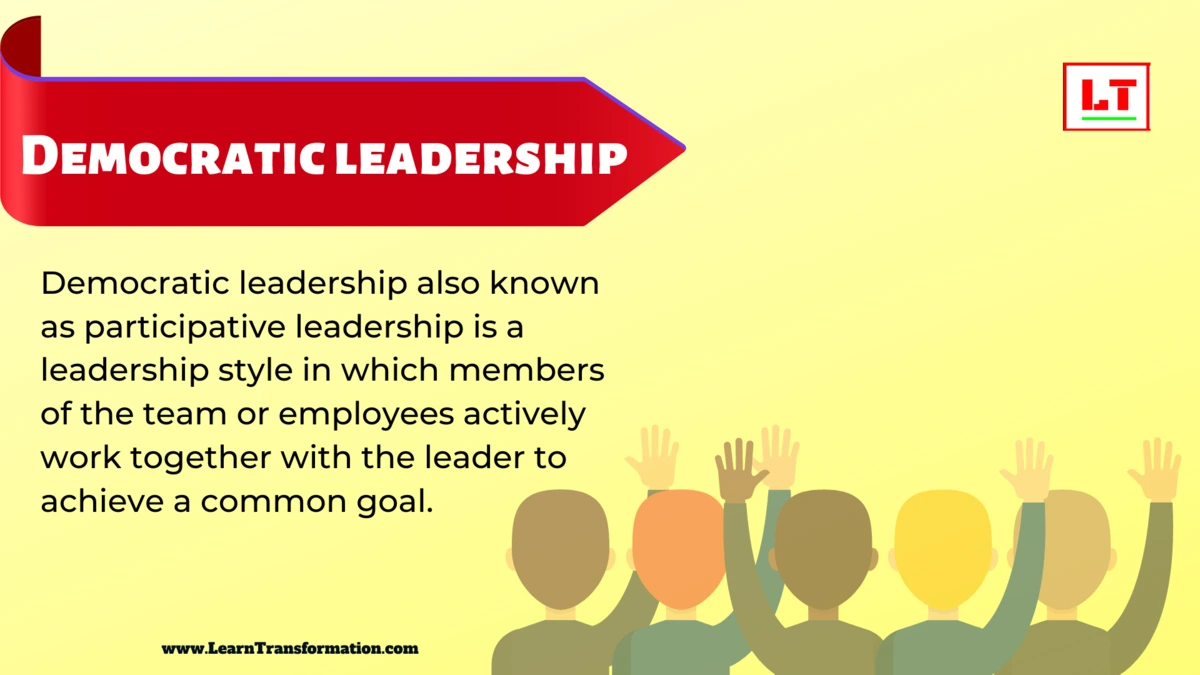
In the traditional landscape of corporate identity, the concept of a “leader” was often synonymous with a visionary architect—a single individual at the top of a pyramid dictating every nuance of a brand’s voice, aesthetic, and market position. However, as the digital marketplace evolves into a more conversational and participatory ecosystem, this autocratic model is being replaced by a more nuanced approach: Democratic Leadership.
In the context of brand strategy and corporate identity, a democratic leader is not merely an executive who takes a vote; they are a strategic orchestrator who distributes influence, fosters co-creation, and leverages the collective intelligence of both their internal teams and their external audience. This leadership style moves the brand away from a “monologue” and toward a “dialogue,” ensuring that the brand remains relevant, authentic, and deeply rooted in the values of its community.
The Evolution from Autocratic Branding to Democratic Leadership
The history of branding is largely a history of control. For decades, the most successful brands were those that could maintain a rigid, top-down consistency. Leadership meant protecting the brand guidelines with an iron fist, ensuring that no message deviated from the central script. While this created recognition, it often lacked resonance. Today, the rise of social media and decentralized communication has stripped brands of this total control.
Shifting Power from the Boardroom to the Consumer
A democratic leader understands that a brand no longer belongs solely to the company that owns the trademark; it belongs to the people who use it. This shift in power requires a leader who is comfortable with ambiguity. Instead of dictating what a brand is, a democratic leader facilitates a space where consumers can help define what the brand means to them. This transition from “owning the narrative” to “stewarding the community” is the hallmark of modern brand strategy. By involving the consumer in the brand-building process—through beta testing, community forums, or user-generated content campaigns—democratic leaders create a sense of psychological ownership among their audience.
Transparency as the New Corporate Identity
In the autocratic model, internal processes were often shrouded in secrecy. A democratic leader, however, views transparency as a vital component of brand strategy. When leadership is shared and collaborative, the “how” and “why” behind business decisions become part of the brand’s story. This transparency builds trust, which is the most valuable currency in modern marketing. Whether it is being open about supply chain ethics or admitting to a mistake in a product rollout, a democratic leader uses vulnerability as a tool to humanize the brand, transforming it from a faceless entity into a relatable partner.
Key Characteristics of a Democratic Brand Leader
To successfully implement a democratic leadership style within a brand framework, a leader must possess a specific set of attributes that differ significantly from the traditional “commander-in-chief” profile. These characteristics are essential for building a corporate identity that is both flexible and resilient.
Facilitating Co-Creation and Innovation
A democratic leader does not claim to have all the answers. Instead, they excel at asking the right questions. Within a marketing or design team, this means creating an environment where a junior designer’s idea carries as much weight as a creative director’s, provided it aligns with the brand’s core values. This commitment to co-creation extends beyond the office walls. Democratic leaders often utilize “open innovation” models, inviting customers to participate in product development or marketing taglines. This not only results in better products but also ensures that the brand strategy is “pre-validated” by the very people it intends to serve.
Active Listening and Feedback Loops
The core of democratic leadership is the feedback loop. While traditional leaders might rely on annual market research reports, democratic leaders prioritize real-time social listening. They view every comment, critique, and suggestion as a data point that can refine the brand strategy. This requires a high degree of emotional intelligence. A democratic leader must be able to filter out the noise while identifying the “signal”—the genuine needs and desires of the community—and then pivot the brand strategy accordingly without losing the brand’s essential soul.
Distributed Authority within Marketing Teams
One of the most practical applications of democratic leadership is the decentralization of authority. In a fast-moving digital world, waiting for “sign-off” from the top can lead to missed opportunities and stale content. A democratic leader empowers their team members to make decisions within a framework of shared values. By trusting social media managers, copywriters, and content creators to act as mini-stewards of the brand, the leader ensures that the brand remains agile and responsive. This autonomy fosters a culture of high engagement and personal branding within the team, as employees feel their individual contributions directly shape the brand’s trajectory.

The Strategic Benefits of a Democratic Approach
Adopting a democratic leadership style isn’t just a moral choice; it is a calculated business strategy designed to maximize brand equity and market longevity. In a saturated market, the brands that survive are those that can cultivate a “tribal” following.
Building Unshakeable Brand Loyalty
When consumers feel heard, they move from being passive buyers to active advocates. Democratic leadership facilitates this transition by making the consumer part of the brand’s inner circle. This level of engagement creates a “moat” around the brand that competitors find difficult to breach. In an era where “cancel culture” can destroy a brand overnight, a democratic leader who has built a foundation of genuine community engagement has a reservoir of goodwill to draw upon. The community becomes the brand’s first line of defense because they feel a personal stake in its success.
Agility in a Volatile Market
The rigid structures of autocratic leadership are often brittle. When market trends shift suddenly, top-heavy organizations struggle to adapt because their decision-making processes are too slow. Conversely, a brand led by democratic principles is inherently more agile. Because the leader has distributed authority and established robust feedback channels, the brand can sense shifts in consumer sentiment earlier and react more quickly. This agility allows the brand to stay ahead of the curve, turning potential disruptions into competitive advantages.
Implementing Democratic Leadership in Your Brand Strategy
Transitioning to a democratic leadership model requires a fundamental rethink of how a company interacts with its stakeholders. It is a move from “command and control” to “connect and collaborate.”
Creating Platforms for Participation
For a brand to be truly democratic, it must provide the infrastructure for participation. This can take many forms: from private Discord servers for top-tier customers to interactive Instagram Stories that allow followers to vote on upcoming color palettes. The goal is to lower the barrier between the brand and the audience. A democratic leader ensures these platforms aren’t just “marketing gimmicks” but are integrated into the actual decision-making pipeline of the company. If the community votes for a specific direction, the leader must be prepared to honor that choice, thereby validating the community’s influence.
Measuring Success Beyond Traditional KPIs
Traditional brand leadership focuses on metrics like Reach, Frequency, and Sales. While these remain important, a democratic leader introduces new Key Performance Indicators (KPIs) centered on engagement and sentiment. Metrics such as “Community Contribution Rate,” “Sentiment Velocity,” and “Co-creation Conversion” become the new benchmarks for success. By measuring how effectively the brand facilitates participation, the leader can gauge the health of the brand’s democratic ecosystem. This shift in measurement ensures that the brand’s strategy remains focused on long-term relationship building rather than short-term transactional gains.
Case Studies: Brands Leading the Democratic Revolution
To understand what a democratic leader looks like in practice, we can look at several modern brands that have successfully integrated these principles into their corporate identity and marketing strategies.
The Open-Source Brand Model
In the tech and software space, “Open Source” is a literal form of democratic leadership. However, this philosophy is now bleeding into lifestyle and fashion brands. Consider brands that release “beta” versions of their products and invite the community to find flaws or suggest improvements. This approach turns the product launch into a collaborative event. The leader’s role here is to act as a curator, synthesizing the community’s input into a cohesive brand vision that still feels premium and curated.
Navigating the Risks of Decentralized Decision-Making
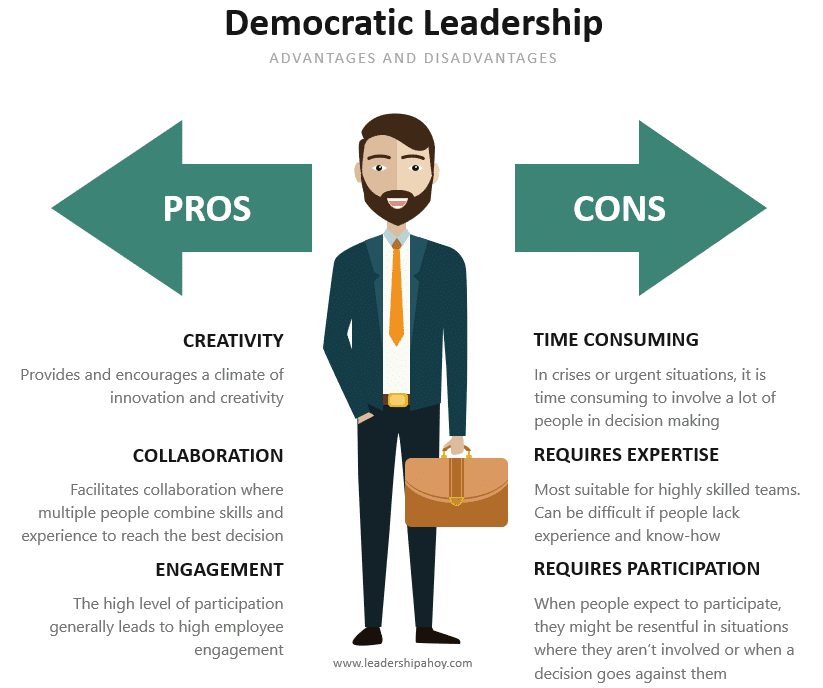
While democratic leadership offers many benefits, it is not without risks. A brand that is “too democratic” can lose its sense of direction and become a “brand by committee,” which often results in mediocrity. The democratic leader’s greatest challenge is knowing when to listen and when to lead. They must maintain a “North Star”—a core set of non-negotiable brand values—that guides all collaborative efforts. The goal is not to let the crowd dictate the brand’s every move, but to use the crowd’s energy to power the brand’s pre-defined mission.
In conclusion, a democratic leader in the realm of brand strategy is a connector, a listener, and a facilitator. By relinquishing the illusion of total control, they gain something far more valuable: a brand that is alive, responsive, and deeply embedded in the lives of its community. In a world where authenticity is the ultimate differentiator, democratic leadership is no longer just an option—it is the blueprint for the brands of the future.
aViewFromTheCave is a participant in the Amazon Services LLC Associates Program, an affiliate advertising program designed to provide a means for sites to earn advertising fees by advertising and linking to Amazon.com. Amazon, the Amazon logo, AmazonSupply, and the AmazonSupply logo are trademarks of Amazon.com, Inc. or its affiliates. As an Amazon Associate we earn affiliate commissions from qualifying purchases.