
In the modern, interconnected world, the question “what holiday is today” often serves as the starting point for significant shifts in global market dynamics, consumer behavior, and personal liquidity. For the global Muslim population—exceeding 1.9 billion people—the Islamic calendar dictates not just spiritual milestones, but also a sophisticated cycle of saving, spending, and wealth redistribution. When a user searches for the current Muslim holiday, they are stepping into a calendar that influences a multi-trillion-dollar “Halal Economy.”
Understanding the financial implications of Muslim holidays is essential for investors, entrepreneurs, and individuals looking to optimize their personal finance strategies. From the mandatory charitable giving of Zakat to the surge in consumer spending during Eid-ul-Fitr, these holidays represent some of the most consistent economic drivers in the world today.
The Hijri Calendar and Global Market Cycles
Unlike the Gregorian calendar, the Islamic (Hijri) calendar is lunar. This means that holidays such as Ramadan, Eid-ul-Fitr, and Eid-ul-Adha rotate through the seasons over a 33-year cycle. For the astute investor or business owner, this mobility creates unique seasonal challenges and opportunities that differ from the traditional Western fiscal year.
Timing the Markets: The ‘Ramadan Effect’ on Liquidity
In many Muslim-majority countries and regions with significant Muslim populations, the month of Ramadan—the month of fasting that precedes the holiday of Eid-ul-Fitr—exhibits a phenomenon known as the “Ramadan Effect.” Research into stock markets in the Middle East and Southeast Asia has frequently shown lower volatility and positive returns during this period.
From a money management perspective, this is often attributed to a shift in investor sentiment toward optimism and a decrease in aggressive trading. However, for retail businesses, Ramadan is the equivalent of the “Black Friday” season in the West. Consumption of food, clothing, and luxury goods spikes significantly as families prepare for the nightly Iftar (breaking of the fast) and the grand celebrations of the holiday itself.
The Fiscal Impact of the Lunar Shift
Because the lunar year is roughly 11 days shorter than the solar year, businesses must adjust their financial forecasting annually. A company that relies on Eid-ul-Fitr sales must realize that their “peak season” will arrive earlier each year. For personal finance, this requires a “floating” budget. Unlike Christmas, which is fixed on December 25th, an individual saving for holiday travel or gifts must calculate their savings goals based on a shifting timeline, ensuring that their high-yield savings accounts or liquid assets are accessible at the right moment.
Zakat and the Power of Compulsory Wealth Redistribution
The most profound intersection of the question “what holiday is today” and the “Money” niche is the concept of Zakat. Zakat is one of the five pillars of Islam, requiring Muslims who meet a certain wealth threshold (Nisab) to give 2.5% of their qualifying assets to the poor and needy annually. While Zakat can be paid at any time, many choose to calculate and distribute it during the holy month of Ramadan or on the day of Eid.
Calculating Net Worth for Year-End Zakat
From a personal finance standpoint, Zakat functions as a mandatory “wealth tax” that encourages the circulation of capital. Calculating Zakat requires a comprehensive audit of one’s financial health. It is not merely a tax on income, but on accumulated wealth, including:
- Cash and liquid bank balances.
- Gold and silver holdings.
- Investment properties (rental income).
- Stocks, bonds, and retirement accounts (401ks/IRAs).
- Business inventory.
For many, the process of “calculating Zakat” is their most significant annual financial review. It forces an individual to track their net worth, identify underperforming assets, and ensure that their wealth is not stagnant. In the digital age, a new sector of “Fintech for Faith” has emerged, with apps and calculators designed to help users navigate complex Shariah-compliant financial valuations.
The Rise of Fintech in Charitable Distribution
The scale of Zakat is staggering. Estimates suggest that global Zakat contributions reach hundreds of billions of dollars annually. This has birthed a niche in the financial world: Islamic Social Finance. Fintech platforms now allow for the instantaneous, transparent distribution of these funds. For the donor, this means better tracking of their “social ROI” (Return on Investment). For the global economy, this consistent infusion of capital into the lower-income tiers acts as a powerful stimulus, increasing the purchasing power of millions and driving grassroots economic growth.
The ‘Halal Economy’ and Holiday Consumerism
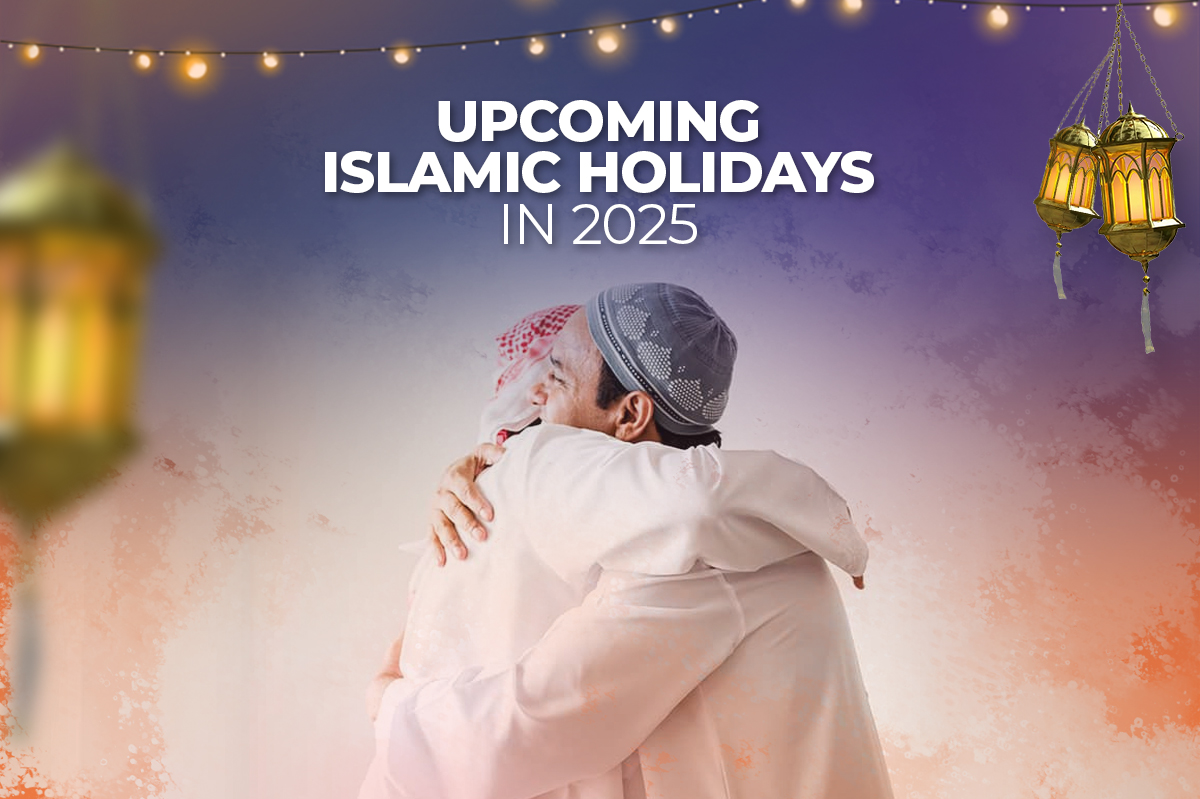
When the holiday arrives—whether it is the “Festival of Breaking the Fast” (Eid-ul-Fitr) or the “Festival of Sacrifice” (Eid-ul-Adha)—the economic gears shift into high gear. This is the peak of the Halal Economy, a sector that includes food, finance, logistics, fashion, and tourism.
Branding and Marketing Strategies for the Holiday Peak
For businesses, the arrival of a Muslim holiday is a signal for targeted marketing. Corporate entities now recognize that “Modest Fashion” is one of the fastest-growing segments in the global apparel industry, valued at over $270 billion. During the lead-up to Eid, consumer spending on high-end fashion and jewelry skyrockets.
From an entrepreneurial perspective, this creates a massive opportunity for side hustles and small businesses. We see a surge in online income for those specializing in Halal catering, bespoke gift hampers, and digital marketing services tailored to Muslim audiences. The holiday is not just a religious event; it is a vital engine for small-medium enterprises (SMEs).
Travel and Hospitality: The Hajj and Umrah Economy
Beyond the two Eids, the pilgrimage (Hajj) represents one of the largest annual transfers of wealth in the travel sector. For an individual, the Hajj is often the single most expensive financial undertaking of their life, requiring years—sometimes decades—of dedicated personal savings.
Islamic banks offer specific “Hajj Savings Accounts” to help individuals manage this long-term goal. On a macro level, the religious tourism sector in Saudi Arabia is a multi-billion-dollar industry that supports infrastructure, aviation, and hospitality. For those looking at “Online Income” or “Side Hustles,” the travel consultancy niche for religious pilgrimages remains a lucrative and growing field.
Investing with Ethics: Shariah-Compliant Portfolios
As people look for the date of the next holiday, they are often reminded of their broader financial alignment with their values. This has led to the rapid growth of Shariah-compliant investing, a subset of Ethical or ESG (Environmental, Social, and Governance) investing.
Beyond Interest: The Mechanics of Islamic Banking
Islamic finance is built on the principle of avoiding Riba (usury or interest) and Gharar (excessive uncertainty). Instead of traditional interest-based loans, Islamic banking utilizes profit-and-loss sharing models. For the personal investor, this means seeking out “Halal” stocks and ETFs.
To be considered Shariah-compliant, a company must pass several financial screens:
- Business Screen: The company must not be involved in prohibited industries (alcohol, gambling, conventional finance, etc.).
- Financial Screen: The company’s interest-bearing debt must be less than 33% of its market capitalization, and its interest-earning deposits must be less than 33% of its market cap.
For the modern investor, choosing Shariah-compliant tools is a way to ensure their “Money” is working in a way that respects the sanctity of the holidays they celebrate.
Future Trends: Cryptocurrencies and Islamic Finance
One of the most exciting frontiers in the “Money” niche is the intersection of Blockchain and Islamic Finance. As holidays approach and remittances (money sent home to family) increase, many are turning to stablecoins and digital assets to avoid high banking fees. Scholars are currently debating the Shariah-compliance of various crypto-assets, but the trend is clear: the younger generation of Muslims is looking for digital-first, interest-free financial tools that allow them to manage their wealth and holiday obligations with the tap of a thumb.

Conclusion: The Wealth of Observance
The question “what holiday is today” is more than a request for a date; it is an entry point into a complex and thriving economic ecosystem. For the individual, Muslim holidays are a time for financial reflection, Zakat distribution, and disciplined saving. For the global market, these dates represent massive shifts in consumer demand and liquidity.
By understanding the “Money” side of these religious milestones, one can better appreciate how faith and finance interweave to create a more resilient and charitable global economy. Whether you are calculating your Zakat, investing in a Shariah-compliant ETF, or launching a holiday-themed business, the intersection of the Hijri calendar and personal finance offers a path to both ethical and material prosperity.
aViewFromTheCave is a participant in the Amazon Services LLC Associates Program, an affiliate advertising program designed to provide a means for sites to earn advertising fees by advertising and linking to Amazon.com. Amazon, the Amazon logo, AmazonSupply, and the AmazonSupply logo are trademarks of Amazon.com, Inc. or its affiliates. As an Amazon Associate we earn affiliate commissions from qualifying purchases.